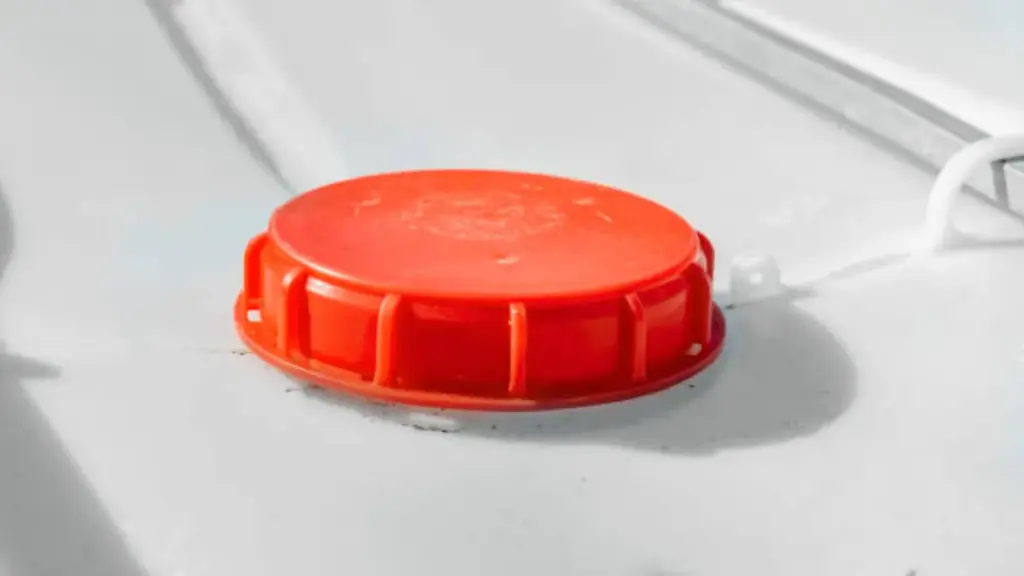
عندما يتعلق الأمر بالمنتجات البلاستيكية الصناعية, وخاصة الأغطية البلاستيكية لإضافات الوقود, علب البنزين, وبراميل النفط, اختيار المادة المناسبة أمر بالغ الأهمية. اثنان من المواد البلاستيكية الأكثر استخدامًا في الصناعة هما HDPE (البولي ايثيلين عالي الكثافة) و بي (البولي ايثيلين). إن فهم الاختلافات بينهما يمكن أن يساعد الشركات المصنعة, المهندسين, ويختار متخصصو المشتريات أفضل المواد من حيث المتانة, أمان, والفعالية من حيث التكلفة.
ما هو البولي إيثيلين عالي الكثافة?
البولي إثيلين عالي الكثافة, أو البولي إيثيلين عالي الكثافة, هو نوع من البولي إيثيلين يتميز بالحد الأدنى من التفرع الجانبي على سلاسل البوليمر الخاصة به, مما يسمح للجزيئات بالتجمع بشكل وثيق مع بعضها البعض. وهذا يؤدي إلى مادة:
- أقوى وأكثر صلابة من PE العادي
- مقاومة عالية للتآكل الكيميائي الناتج عن الوقود, زيوت, والعديد من المذيبات الصناعية
- متين تحت درجات الحرارة المرتفعة, مع نقطة انصهار 130-135 درجة مئوية والاستخدام المستمر يصل إلى حوالي 80 درجة مئوية
- مقاومة للتشوه والتأثير تحت الضغط, مما يجعلها مناسبة للتطبيقات الحاملة
| المزايا | العيوب |
| قوية وصلبة | أقل مرونة من LDPE |
| مقاومة للمواد الكيميائية | تكلفة أعلى من PE القياسية |
| مقاومة للحرارة | انخفاض الشفافية |
| مقاومة للتأثير | أكثر صعوبة قليلاً في المعالجة |
ما هو بي?
بي (البولي ايثيلين) هو مصطلح عام للبوليمرات البلاستيكية الحرارية المصنوعة من مونومرات الإيثيلين. على عكس HDPE, PE لديه تفرع جانبي أكثر اتساعًا, مما يجعلها:
تشمل الخصائص الشائعة للـ PE:
- مرنة وسهلة القالب, مناسبة لإغلاق الضغط المنخفض والتعبئة والتغليف الاستهلاكية
- مقاومة تأثير جيدة, مما يقلل من خطر التشقق
- في كثير من الأحيان شفافة, السماح لبعض انتقال الضوء
- فعالة من حيث التكلفة للتطبيقات التي لا تتطلب قوة عالية أو مقاومة للحرارة
| المزايا | العيوب |
| مرنة وناعمة | انخفاض القوة الميكانيكية |
| مقاومة تأثير جيدة | أقل مقاومة للحرارة |
| سهلة المعالجة | يمكن أن تتشوه تحت الضغط |
| بسعر معقول | أقل مقاومة للمواد الكيميائية من HDPE |
مقارنة الخصائص الفيزيائية: HDPE مقابل PE
| ملكية | البولي إثيلين عالي الكثافة (البولي ايثيلين عالي الكثافة) | بي (البولي إثيلين المنخفض الكثافة النموذجي / إم دي بي إي) |
| كثافة (جم/سم3) | 0.941 - 0.965 | 0.910 - 0.940 |
| شور د صلابة | 65 - 70 | 45 - 55 |
| قوة الشد (MPa) | 25 - 35 | 8 - 20 |
| استطالة عند الاستراحة (%) | 500 - 900 | 400 - 600 |
| معامل المرونة (MPa) | 800 - 1,500 | 200 - 400 |
| ثابت العزل الكهربائي (1 ميغاهيرتز) | 2.3 - 2.4 | 2.3 - 2.35 |
| نقطة الانصهار (درجة مئوية) | 130 - 135 | 105 - 115 |
| أقصى درجة حرارة الخدمة (درجة مئوية) | ~80 | ~60 |
| امتصاص الماء (%) | <0.01 | <0.01 |
| مقاومة الأشعة فوق البنفسجية (بدون استقرار) | ممتاز | جيد |
ملحوظة: يتم إعطاء القيم كنطاقات نموذجية في ظل ظروف الاختبار القياسية. للحصول على معلومات مفصلة, لو سمحت اتصل بنا مباشرة.
الفرق الهيكلي
يكمن الاختلاف الهيكلي الرئيسي بين بلاستيك HDPE وPE في مستوى التفرع الجزيئي. يحتوي HDPE على بنية جزيئية خطية مع عدد قليل جدًا من الفروع الجانبية, مما يسمح لسلاسل البوليمر بالتجمع بإحكام وتشكيل بنية بلورية عالية. في المقابل, بي (وخاصة البولي إثيلين المنخفض الكثافة) يحتوي على العديد من الفروع الجانبية التي تخلق المزيد من المناطق غير المتبلورة, تقليل الكثافة والقوة.
القوة الميكانيكية والبدنية
يؤدي الترابط الجزيئي الأقوى في HDPE إلى قوة شد وصلابة أعلى بشكل ملحوظ. يحافظ على شكله تحت الضغط الميكانيكي, مما يجعلها مناسبة للحاويات الصناعية والأجزاء التي تحمل الأحمال الثقيلة. معيار بي, كونها أكثر مرونة, يعمل بشكل أفضل عندما تكون المرونة ومقاومة التأثير مهمة, مثل الأفلام والتغليف الخفيف.
المقاومة الكيميائية ودرجة الحرارة
HDPE يقاوم الأحماض, القلويات, والعديد من المذيبات العضوية حتى في درجات حرارة مرتفعة. تتيح نقطة الانصهار الأعلى الاستخدام الآمن عند ملامسة الوقود, مواد التشحيم, أو السوائل الساخنة. بالمقارنة, يبدأ PE العام في التليين مبكرًا, مما يحد من استخدامه في البيئات ذات درجات الحرارة العالية أو الكيميائية. للمصنعين, يوفر HDPE عمر خدمة أطول في ظل الظروف الصناعية الصعبة.
أداء المعالجة والإنتاج
يذوب PE ويتدفق بسهولة أكبر أثناء البثق أو نفخ الفيلم, تقليل صعوبة المعالجة والتكلفة. البولي إثيلين عالي الكثافة, لكن, يتطلب درجات حرارة قولبة أعلى وتحكمًا دقيقًا ولكنه يوفر أجزاء ذات دقة أبعاد أفضل وقوة جدار أفضل. وهذا يجعله مفضلاً للمكونات المصبوبة بالحقن مثل الأغطية والأسطوانات حيث تكون الدقة والمتانة أمرًا مهمًا.
التكلفة والتوافر
عادةً ما يكون الـ PE العام أقل تكلفة ومتاحًا على نطاق واسع نظرًا لبساطة معالجته. يتكلف HDPE أكثر قليلاً ولكنه يوفر أداءً ومتانة أفضل على المدى الطويل. اعتبارا من سبتمبر 2025, سعر السوق القياسي بي الراتنجات في أمريكا الشمالية تقريبًا $1.23 لكل كيلوغرام. بالمقارنة, البولي إثيلين عالي الكثافة المتوسطات حولها $1.227 للكيلوغرام الواحد في الولايات المتحدة الأمريكية خلال الربع الثاني 2025. (المصدر من مجموعة IMARC)
إعادة التدوير والأثر البيئي
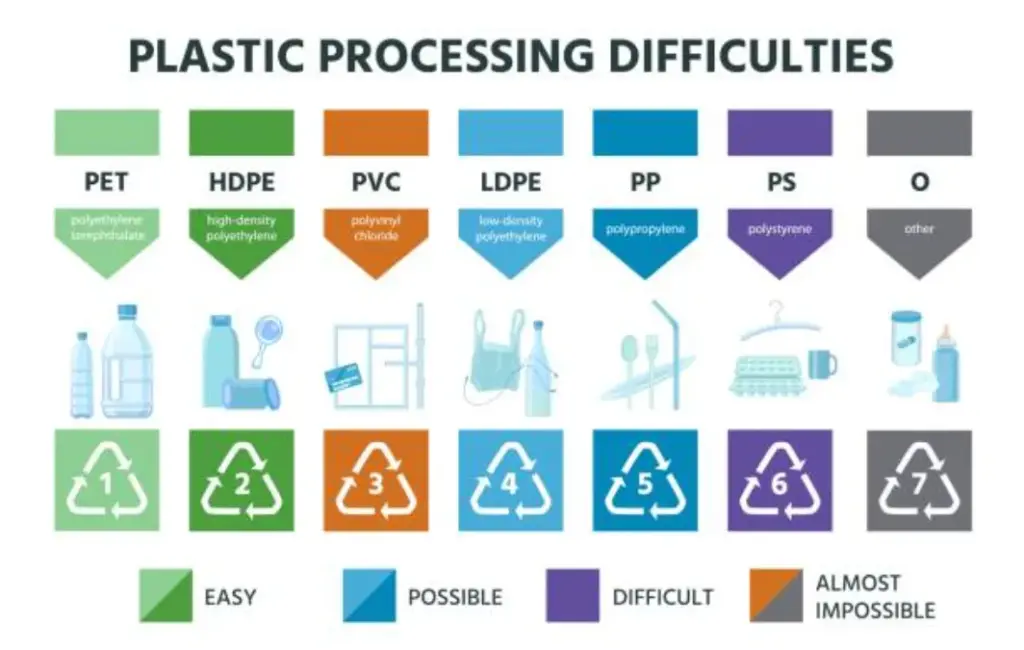
كل من HDPE وPE قابلان لإعادة التدوير بموجب الكود البلاستيكي #2 أو #4. يحافظ HDPE على هيكله بشكل أفضل أثناء إعادة التدوير, مما يجعلها مناسبة لإعادة الاستخدام في الأجزاء الصناعية. يميل PE العام إلى التحلل بشكل أسرع بعد الدورات المتكررة. من وجهة نظر الاستدامة, يُفضل HDPE للمنتجات القابلة لإعادة الاستخدام أو إعادة التعبئة, بينما يتم استخدام PE العام حيث يتم إعطاء الأولوية للوزن المنخفض والمرونة.
تطبيقات HDPE والبلاستيك PE
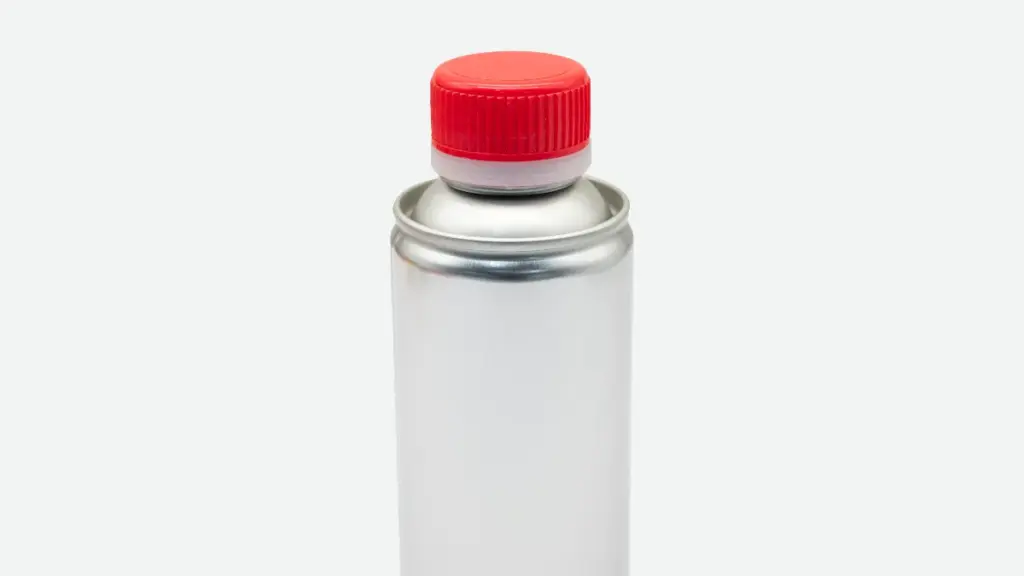
كلتا المادتين متعددتا الاستخدامات, لكن استخداماتها تختلف حسب خصائصها:
تطبيقات HDPE:
- الحاويات والبراميل الصناعية
- علب الوقود وزجاجات الوقود المضافة
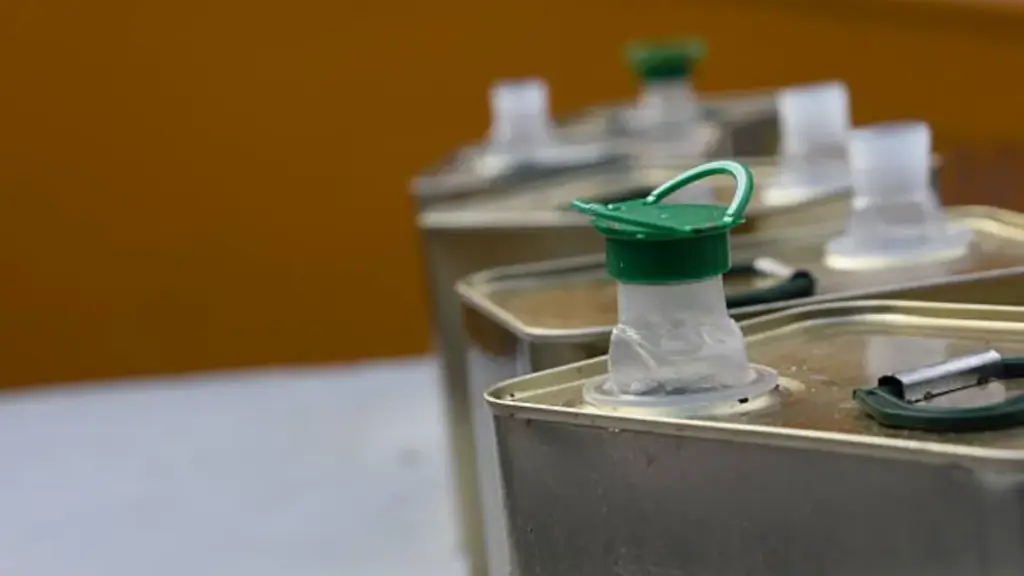
- الأغطية البلاستيكية لبراميل الزيت وعبوات البنزين
- الأنابيب والتجهيزات للتطبيقات المقاومة للمواد الكيميائية
تطبيقات PE:
- أفلام التغليف والحاويات خفيفة الوزن
- تغليف المواد الغذائية والزجاجات الكيميائية المنزلية
- خراطيم مرنة وأغلفة الأسلاك
- أيضًا قبعات بلاستيكية للهباء الجوي, زيت صالح للأكل, مذيب كيميائي, إلخ.
أنواع مختلفة من الأغطية البلاستيكية
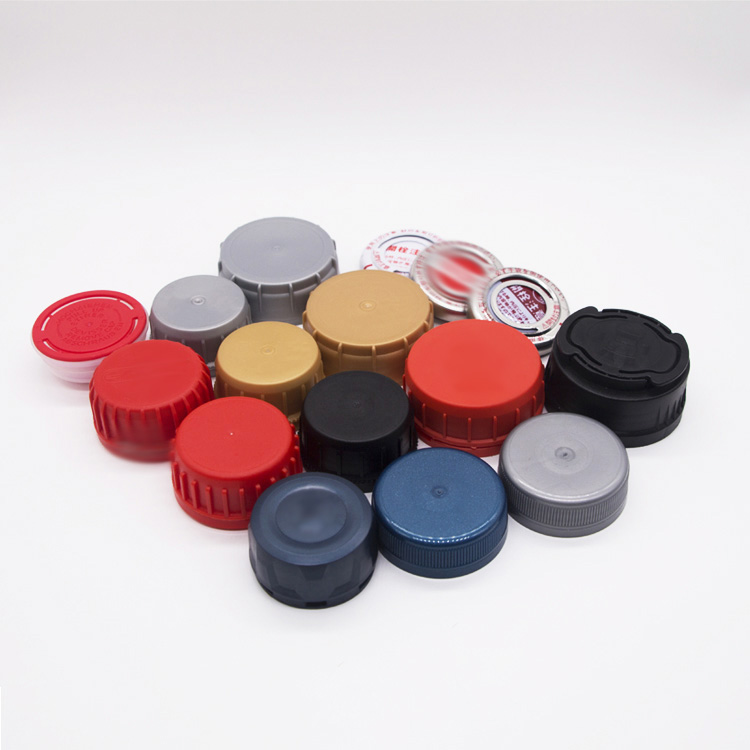
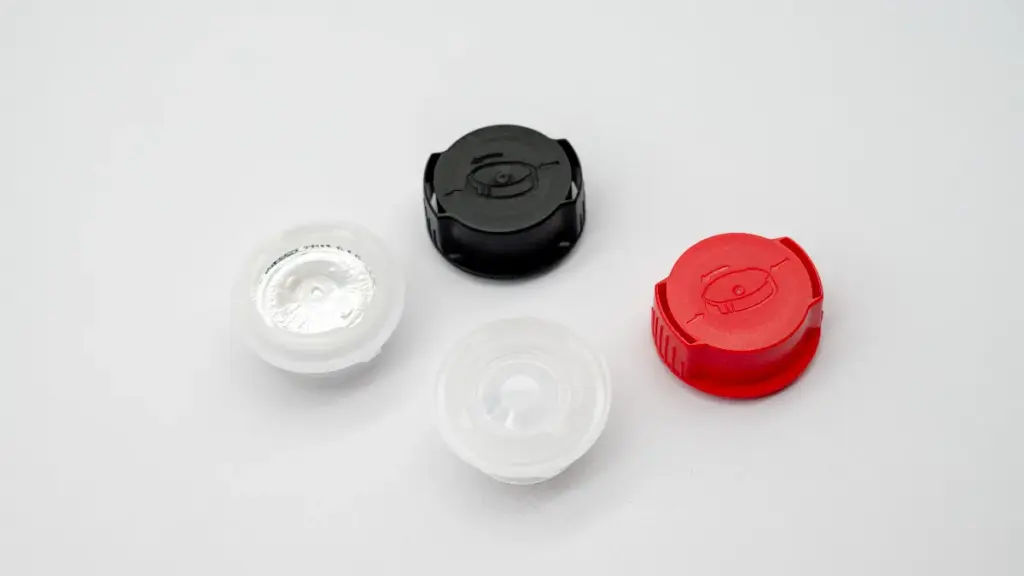
تأتي الأغطية البلاستيكية الصناعية بأشكال مختلفة:
- قبعات المسمار: المعيار لبراميل الوقود والزيت, تقدم ختم محكم.
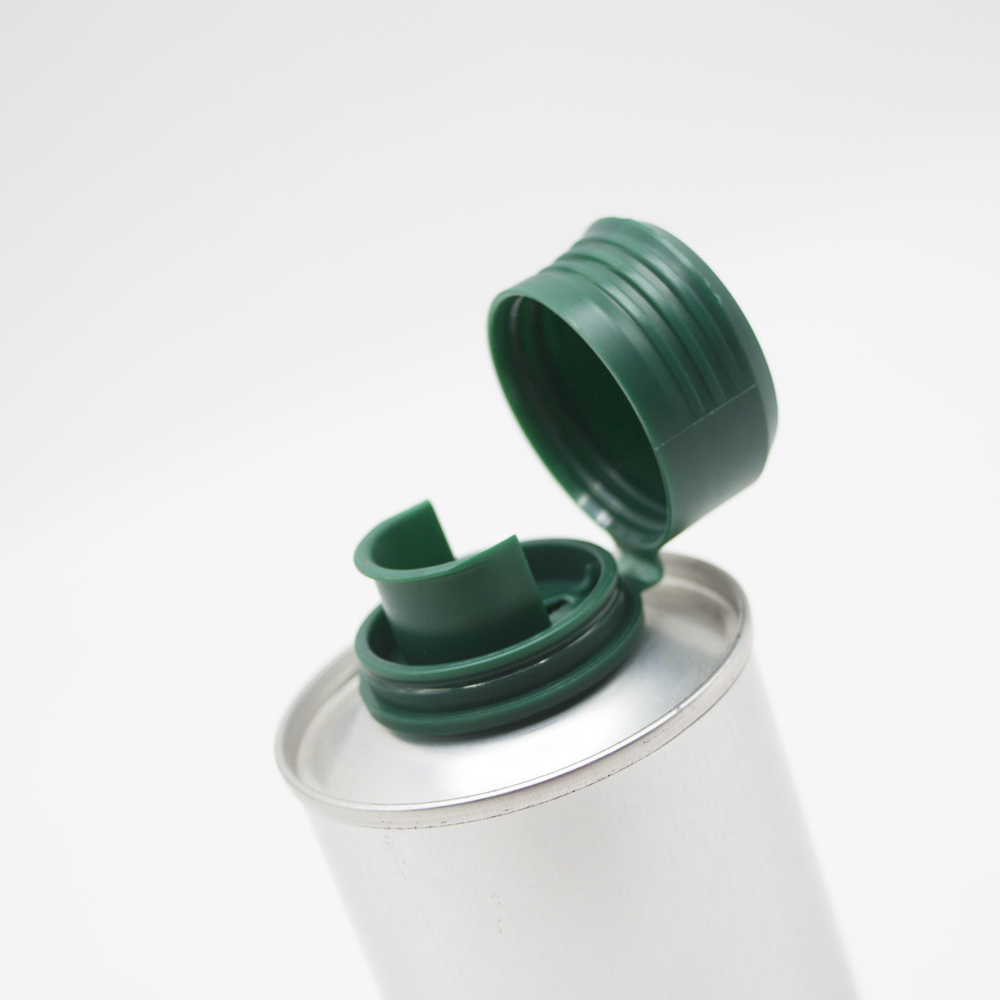
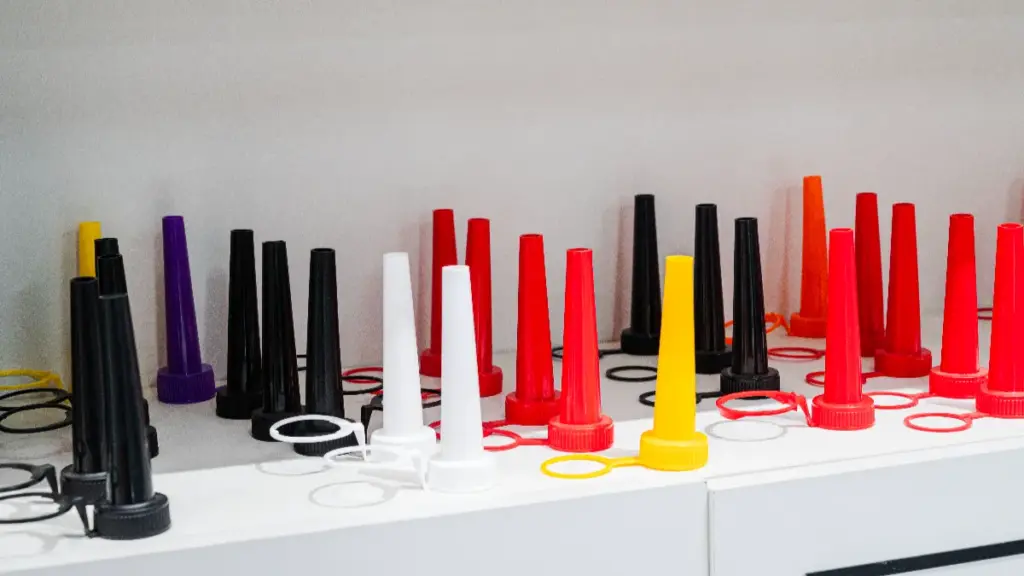
- قبعات الوجه الأعلى: من السهل الاستغناء عن كميات صغيرة, في كثير من الأحيان للمواد المضافة.
- قبعات مقاومة للأطفال: تصميم السلامة للسوائل الخطرة.
- قبعات واضحة للعبث: يضمن سلامة المنتج أثناء النقل.
بدائل للبلاستيك HDPE وPE
على الرغم من أن HDPE وPE يهيمنان على السوق, يتم استخدام مواد بديلة أحيانًا اعتمادًا على متطلبات الأداء.
- ص (مادة البولي بروبيلين): مقاومة كيميائية جيدة, غالبا ما تستخدم للأغطية والإغلاق.
- ABS (أكريلونتريل بوتادين ستايرين): قوية ومقاومة للصدمات, بشكل رئيسي للمنتجات الاستهلاكية.
- بولي كلوريد الفينيل (بولي فينيل كلوريد): مقاومة للتآكل, ولكنها أقل صداقة للبيئة.
- حيوان أليف (البولي إيثيلين تيريفثاليت): قوي, خفيفة الوزن, وواضحة; يستخدم بشكل شائع للزجاجات والأغطية التي تتطلب وضوحًا عاليًا وخصائص حاجزة جيدة.
لماذا تعتبر Futen شريكك الموثوق به للأغطية البلاستيكية الصناعية
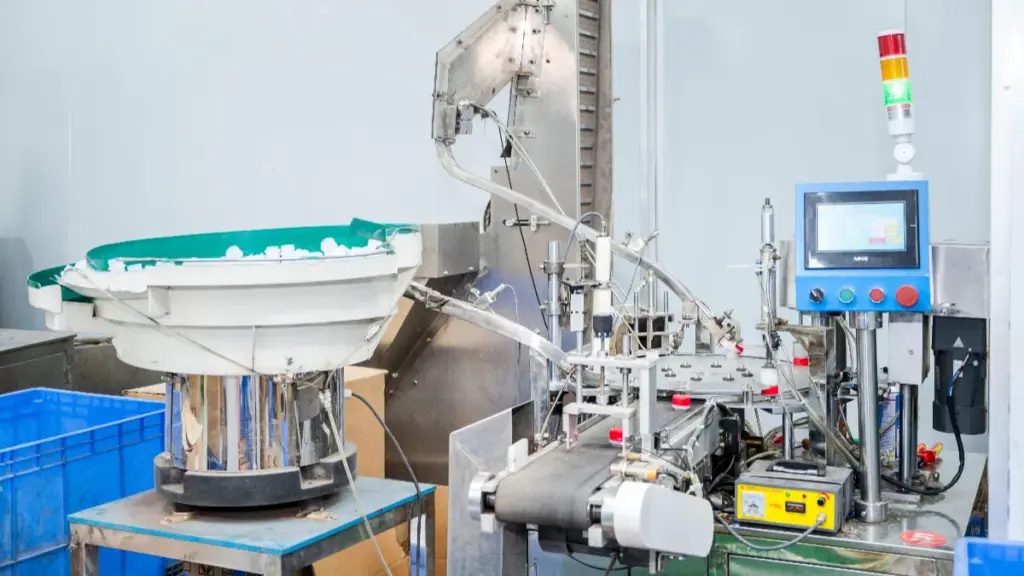
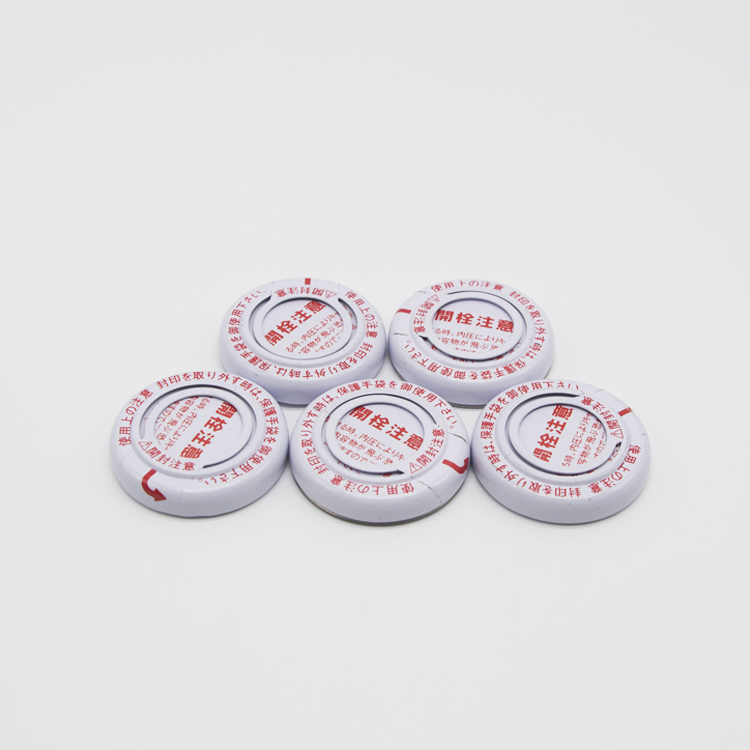
تأسست في 2015 ومقرها في قوانغتشو, متضمنة هي الشركة الرائدة في مجال القبعات البلاستيكية, أغطية معدنية, ومكونات الإغلاق الصناعية, السيارات, أُسرَة, الهباء الجوي, والصناعات الغذائية. نحن متخصصون في الأغطية البلاستيكية عالية الجودة لتطبيقات مثل إضافات الوقود, علب البنزين, وبراميل النفط.
لهذا السبب يثق المصنعون بنا:
- اختيار المواد المتميزة: نحن نستخدم 100% PE البكر مصدره شركة سينوبك, ضمان متانة ممتازة, المقاومة الكيميائية, والأداء على المدى الطويل.
- قدرة إنتاجية قوية: مع الناتج السنوي 280 مليون إغلاق, يمكننا تلبية الطلبات الصغيرة والكبيرة الحجم بشكل موثوق.
- تصميم دقيق & تصنيع: لدينا قوالب مخصصة و آلات القولبة بالحقن الهايتية المتقدمة بتقنية العداء الساخن تسليم قبعات مع التحمل ضيق, ختم موثوق, وجودة متسقة.
- تم اختبار الأداء: كل غطاء يخضع مانعة للتسرب, تأثير, واختبارات المقاومة الكيميائية لضمان الموثوقية في البيئات الصناعية الصعبة.
- خيارات التخصيص: الألوان, الأحجام, ميزات واضحة للتلاعب, ويمكن تصميم الشعارات وفقًا لمواصفاتك.
- جودة معتمدة: منتجاتنا تتوافق مع معايير ISO9001 وSGS, ضمان الموثوقية الصناعية.
الشراكة مع فوتن للأغطية البلاستيكية الصناعية التي تجمع بين الأمان, متانة, والدقة, مساعدة منتجاتك على الأداء بشكل موثوق في كل من الأسواق المحلية والدولية.
👉اتصل بنا اليوم لطلب عرض أسعار مجاني أو استشارة خبرائنا للحصول على حلول إغلاق بلاستيكية ومعدنية مخصصة.