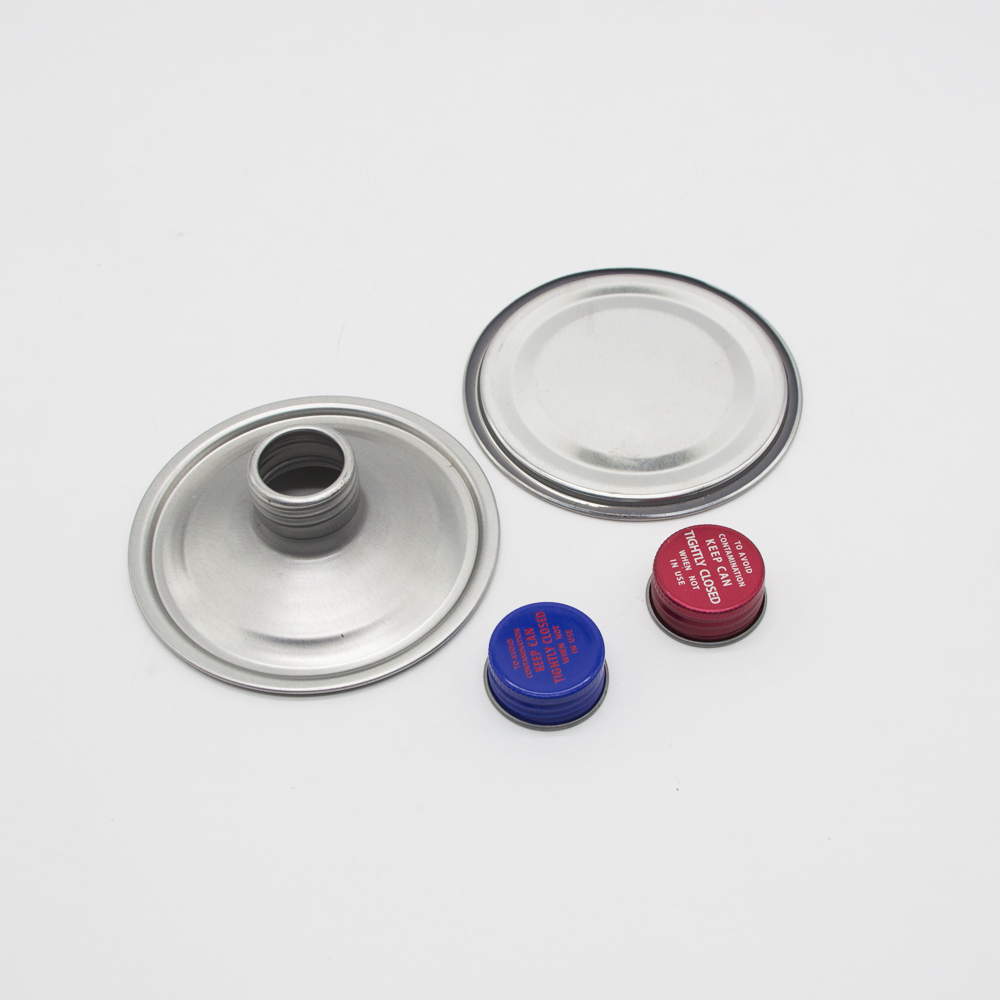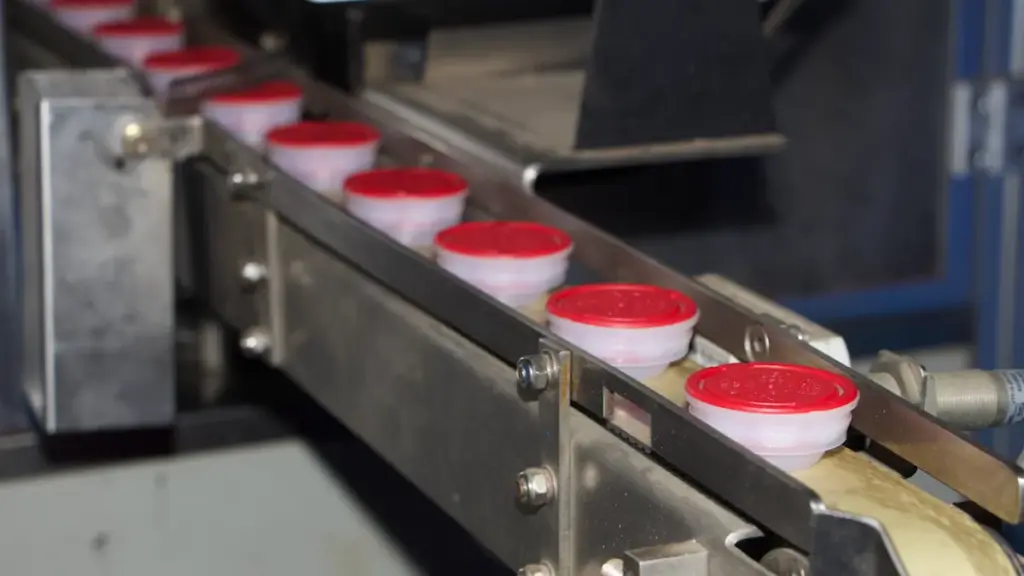
Choosing the right spout cap for an oil tin can might seem straightforward, but even small mistakes can cause leaks, spills, or customer complaints. Oil tin can manufacturers, الموزعين, and oil producers often face challenges such as material compatibility, precise pouring requirements, and supply reliability.
In this guide, we break down the different types of spout caps, highlight the key factors to consider, and provide practical tips to ensure safe, efficient, and long-lasting closure performance. By understanding these considerations, you can select a spout cap that protects your product, simplifies handling, and builds trust with your customers.
Types of Spout Caps for Oil Tin Cans
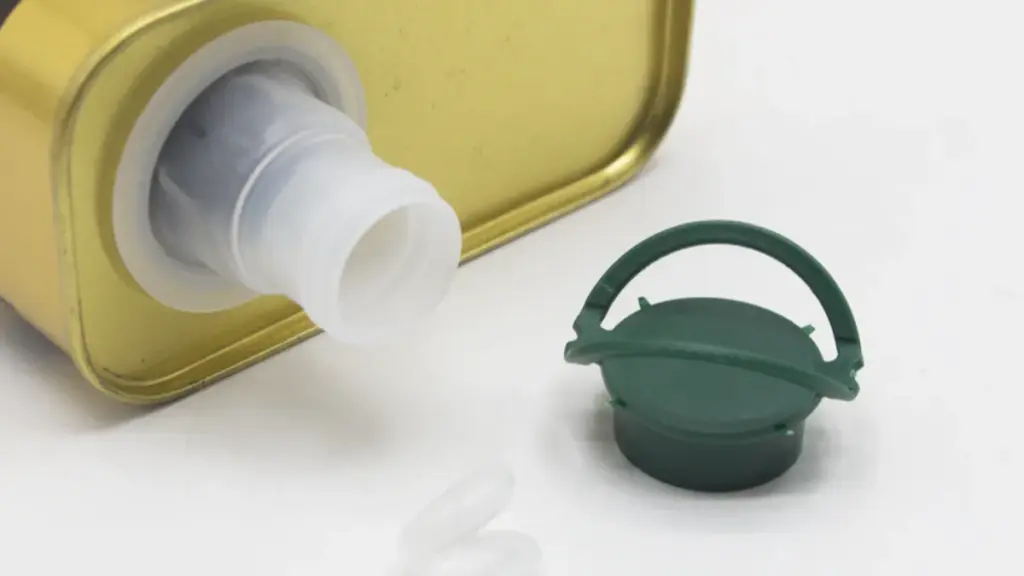
قبعات صنبور come in various forms, each tailored for different applications. Understanding these types helps select the most suitable solution for your product.
Pull-Out Spout Caps (Flexible Spouts)
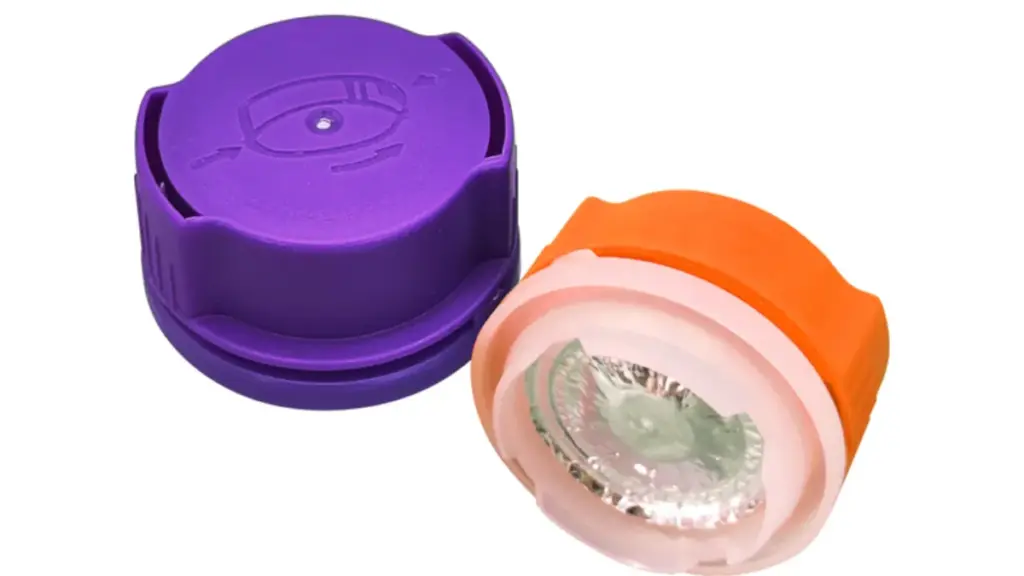
Pull-out spout caps feature a collapsible or flexible spout that can be extended when pouring and retracted afterward. This design is ideal for precise dosing and minimizing drips. Flexible spouts are particularly popular for high-viscosity oils and chemicals, as they allow controlled flow and reduce waste.
The key advantage of pull-out spouts lies in their user-friendly nature. They can be operated with minimal force, making them suitable for both industrial operators and end consumers. بالإضافة إلى ذلك, they often incorporate a tamper-evident mechanism to indicate whether the container has been previously opened.
Screw Cap Spout Closures
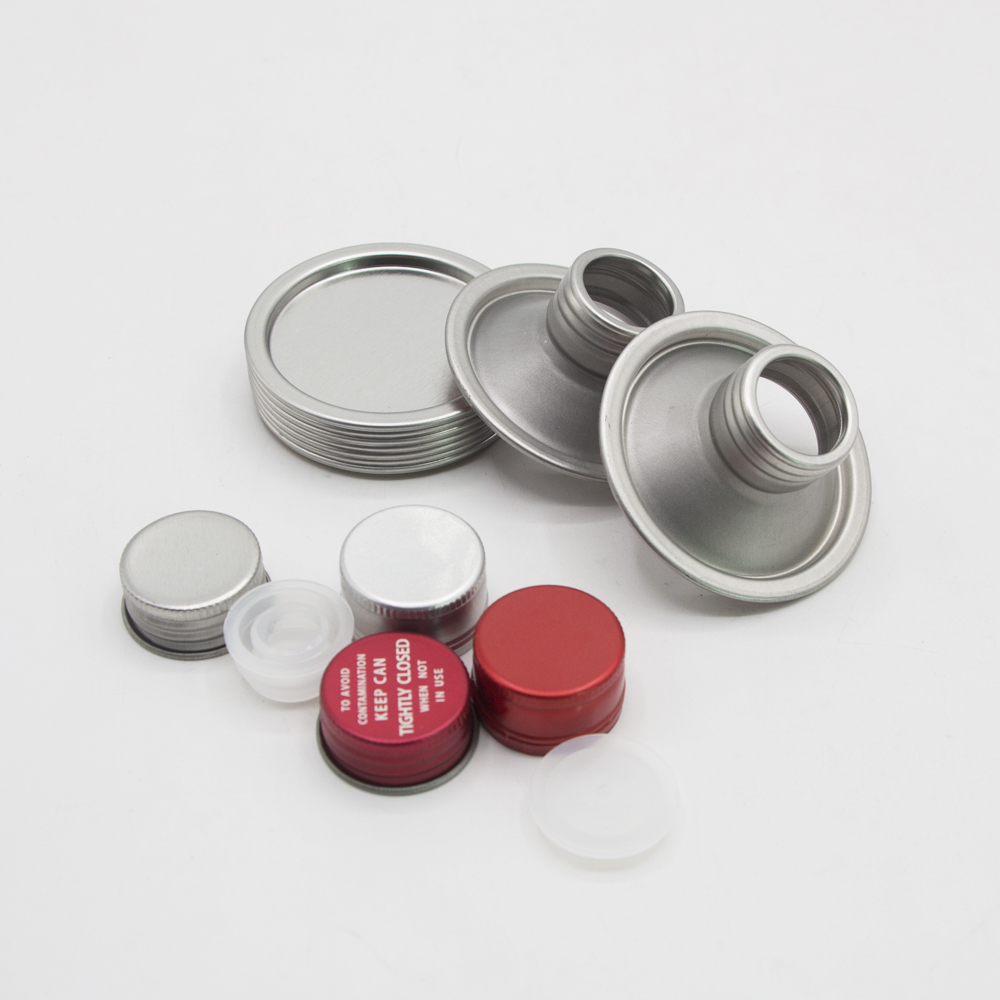
Screw cap spout closures provide a secure, threaded connection between the cap and the tin can. These caps are simple to manufacture and easy to handle, offering high mechanical strength and reliable sealing performance.
They are widely used for engine oils, food oils, and chemical products that require repeated opening and closing. Depending on the design, screw caps can include additional features such as internal gaskets or tamper-evident rings to enhance sealing and product safety.
Crimp-On Spout Caps
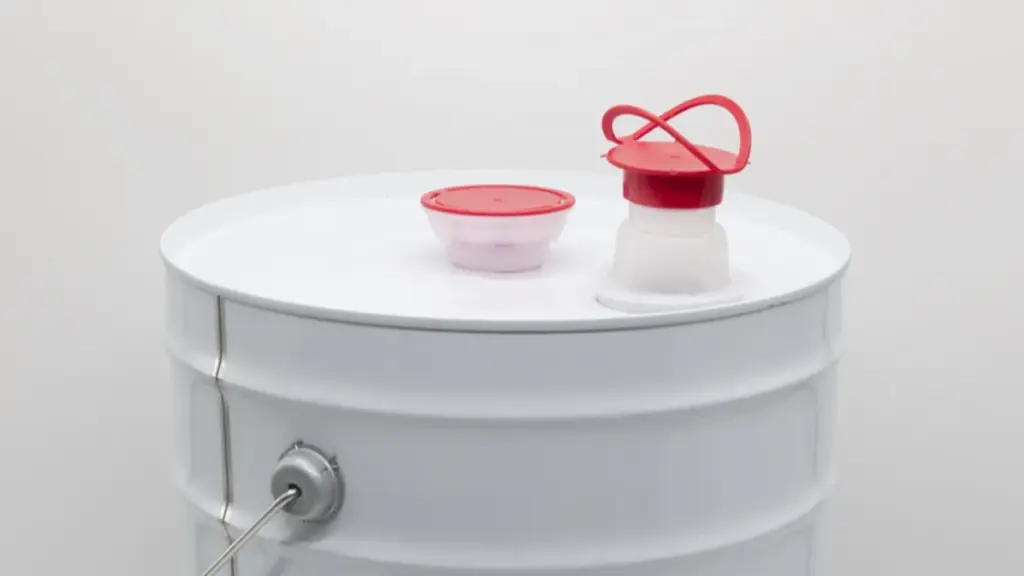
Crimp-on spout caps are permanently affixed to the tin can by crimping the metal edge over the cap. This method creates a highly secure seal that is resistant to leaks and tampering.
Crimp-on caps are commonly used in bulk oil containers or hazardous chemical packaging where safety and integrity are paramount. Once crimped, the cap cannot be removed without visible damage, making it an ideal choice for tamper-evident applications.
Flip-Top Spout Caps
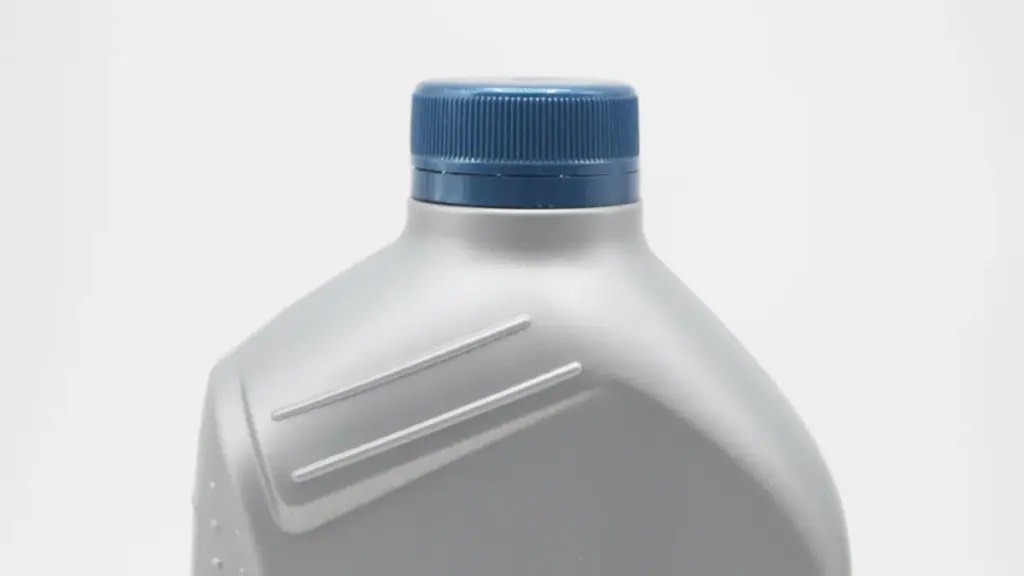
Flip-top spout caps combine the convenience of quick access with controlled pouring. The hinged design allows the user to open and close the spout without fully removing the cap.
These caps are suitable for consumer-oriented packaging, such as household oils, مواد التشحيم, or small automotive cans. Flip-top caps reduce the risk of contamination and make dispensing more efficient, especially for frequent use.
Key Factors to Consider When Choosing Spout Caps
Selecting a spout cap requires attention to material, seal, user experience, supply, and compliance. Different customers—tin can manufacturers, regional distributors, and oil producers—each have distinct needs.
Material Compatibility
Clients often worry whether a cap will resist the liquid inside. زيوت المحركات, مواد التشحيم, or edible oils can react with low-quality plastics, causing cracks, softening, or leaks.
I usually suggest evaluating chemical resistance carefully. PE offers flexibility, making it ideal for pull-out spouts, while PP handles higher temperatures and supports tamper-evident rings. Choosing the right material helps prevent damage during storage or transport. For clients shipping to hot regions like India or the Middle East, material stability is especially critical. Using verified, high-quality resins ensures the cap performs consistently over time.
Seal Integrity
Leakage is a frequent concern for distributors and manufacturers. Loose or poorly fitted caps can result in oil spilling during transit, damaging products and reputation.
We recommend caps with precision-fit threads, internal gaskets, and tested pressure performance. Conducting drop and pressure tests helps confirm that the seal holds under typical handling conditions. Many clients find that investing in reliable sealing reduces complaints and product loss. When a cap maintains integrity across batches, it simplifies both production and logistics.
Pouring and User Experience
End users often face issues with awkward or messy pouring. Industrial operators and consumers alike prefer spouts that allow controlled flow.
Flexible pull-out spouts and flip-top caps improve pouring precision and reduce drips. For thicker oils, an angled or longer spout can make a noticeable difference. I usually discuss handling scenarios with clients so the cap design matches real usage. This approach enhances customer satisfaction and reduces waste from spills.
Supply Reliability
Production can stall if caps are delayed. Tin can factories and distributors require suppliers who can deliver consistently and on schedule.
Checking production capacity, automation level, and logistics arrangements is essential. Automated lines and a location near major ports ensure steady supply. For customers in regions such as Africa or Southeast Asia, timely delivery prevents interruptions and protects profit margins. Planning lead times carefully also allows distributors to respond quickly to local demand.
Compliance and Certifications
Many oil and edible oil producers need caps that meet industry standards. Using uncertified closures can cause shipments to fail inspections or face fines.
We advise confirming certifications early, including SGS, UN drop, and food-grade compliance. Certified caps provide assurance for clients and end users. Integrating compliant spout caps into the production line reduces risk and supports long-term partnerships.
Understanding Tin Can Mouth Diameters: 32mm vs 42mm vs 57mm
| القطر | Primary Use Case | Key Technical Consideration |
|---|---|---|
| 32مم | Precision Dispensing (Concentrates, Serums) | Maximizes seal integrity with minimal material stress. |
| 42مم | General Purpose (زيوت, Sauces, Detergents) | High compatibility with standard automated filling lines. |
| 57مم | High-Flow & Bulk (المواد اللاصقة, Industrial Chemicals) | Requires robust seal engineering to prevent leaks. |
32القطر مم: Precision Dispensing for Concentrates
The 32mm diameter is optimized for applications requiring controlled, precise dispensing. It’s the standard for low-viscosity liquids such as industrial fluids, chemical additives, and concentrated serums where minimizing waste is critical. The smaller opening enhances product integrity by limiting air exposure and reduces the risk of spillage, which is essential for high-value or hazardous contents.
42القطر مم: Versatile Standard for Consumer Goods
The 42mm diameter provides an effective balance between controlled pouring and efficient flow. This size is common for consumer and commercial products like edible oils, المنظفات, صلصات, and motor oils. Its widespread adoption means it offers high compatibility with existing automatic filling and capping lines, enabling scalable and cost-effective production runs.
57القطر مم: High-Flow for Industrial and Bulk Liquids
Engineered for rapid pouring, the 57mm diameter is the go-to for bulk industrial solutions and high-viscosity products. Applications include adhesives, الطلاءات, and large-volume chemicals where dispensing speed is a priority. The larger aperture necessitates more robust seal designs and thicker cap materials to manage the increased liquid volume and prevent leaks during transport and handling.
Secure Your Oil with the Perfect Spout Cap
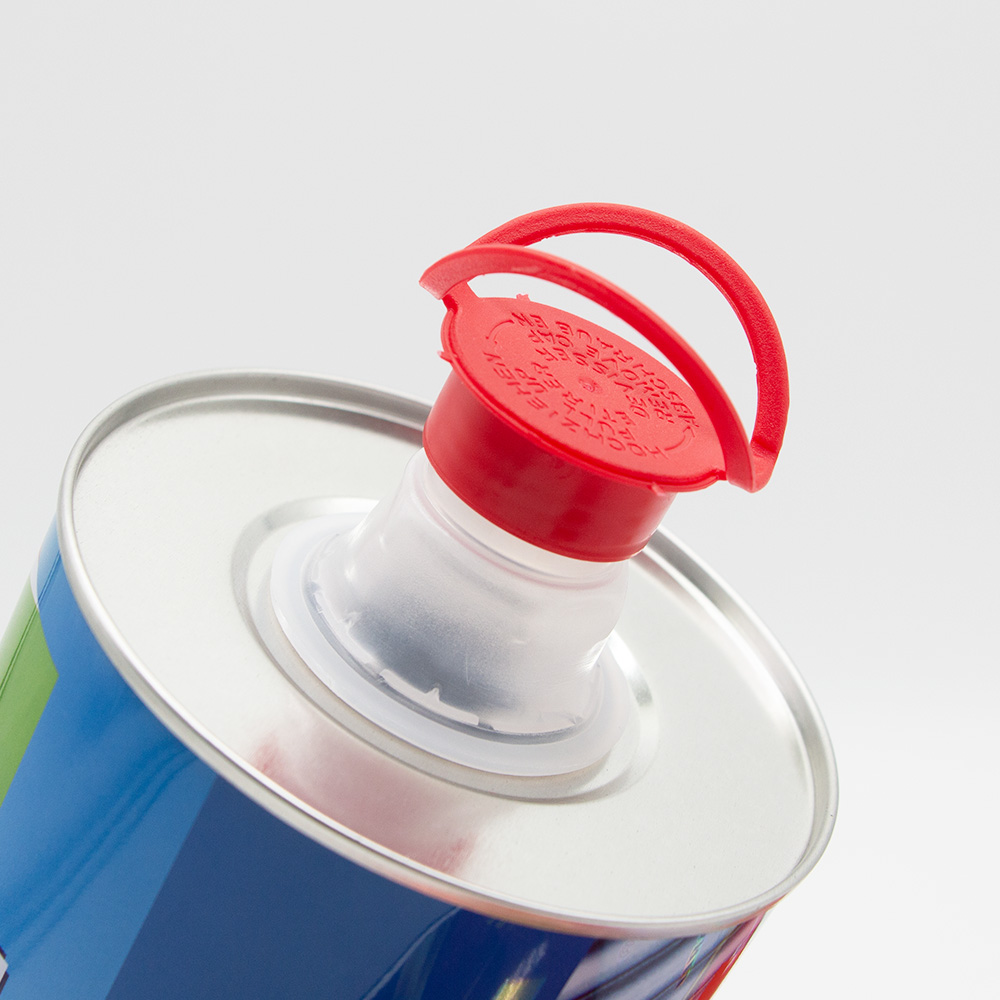
Plastic Resins (PE vs PP) for Oil and Chemical Storage
| Attribute | البولي ايثيلين (بي) | مادة البولي بروبيلين (ص) |
|---|---|---|
| Chemical Resistance | Excellent for acids, قواعد, alcohols. Standard for hydrocarbons. | Superior for organic solvents, greases, and oils. |
| Impact Strength | High ductility and impact strength, especially at low temperatures. | More rigid and abrasion-resistant but can be brittle in cold. |
| Max Continuous Temp. | Approx. 120-130درجة مئوية (البولي إثيلين عالي الكثافة) | Approx. 160-170درجة مئوية |
| Manufacturing Use | Commonly blow molded for large containers like drums. | Favored for injection molding of rigid, complex parts like caps. |
Chemical Resistance and Material Compatibility
The choice between PE and PP often comes down to the specific chemical profile of the stored product. البولي ايثيلين عالي الكثافة (البولي إثيلين عالي الكثافة) provides excellent compatibility with most acids, قواعد, and alcohols, making it the industry standard for fuel tanks and oil drums. مادة البولي بروبيلين, on the other hand, offers superior resistance to organic solvents, greases, and electrolytic attacks. If your application involves aggressive solvents or fatty oils, PP typically provides better long-term performance and material integrity.
Mechanical Durability and Impact Strength
Mechanical properties diverge significantly between the two polymers. PE is known for its high ductility and superior impact strength, particularly in cold environments where other plastics might become brittle. This makes it ideal for containers that may be dropped or handled roughly. PP is more rigid and has a higher tensile strength, which helps it resist deformation under load. For long-term storage of certain chemicals, PE’s higher resistance to environmental stress cracking is a critical safety factor that prevents material failure over time.
Thermal Performance and Operating Temperatures
PP has a clear advantage in high-temperature applications. With a melting point around 160-170°C, it can be used for hot-fill processes and steam sterilization without losing structural integrity. Its higher continuous use temperature also makes it a better fit for storage in warmer climates. Conversely, PE maintains its performance in cold conditions, with some grades remaining durable down to -50°C, an environment where PP would become brittle and fail.
Vapor Barrier Properties and Sealing
For volatile contents, HDPE provides a more effective moisture and gas barrier than PP, which minimizes product loss from evaporation. This is a key reason it’s used for fuel and certain chemical containers. While PP is slightly more permeable to gases, its rigidity and stability make it an excellent material for creating the robust seals needed in closure and lid applications. The right material selection directly impacts shelf life and prevents environmental contamination.
Manufacturing Process and Cost Implications
The intended final product often dictates the resin choice from a manufacturing standpoint. PE is easily processed via blow molding, making it efficient for producing large, hollow containers like drums and jerry cans. PP is favored for injection molding, which is ideal for creating complex, rigid components such as spout caps and small containers with precise dimensions. These processing differences, along with raw material costs, directly influence the final price of the packaging solution.
اقرأ المزيد: أنواع مختلفة من عمليات التشكيل في صناعة الأغطية البلاستيكية
Common Problems and How to Avoid Them
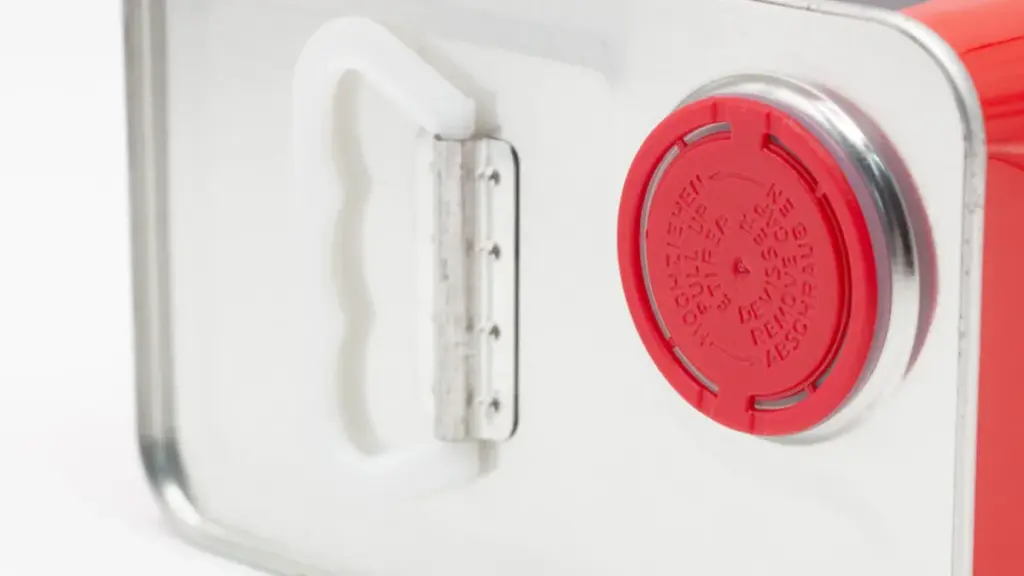
Even high-quality spout caps can experience issues if the wrong design, material, or handling method is used. Awareness of common problems helps prevent failures.
Leakage
Leakage is typically caused by improper seal design, incorrect material selection, or dimensional inaccuracies. To prevent leaks, select caps with precision-fit threads, high-quality resins, and properly tested gaskets or internal seals.
Cap Breakage
Caps can break due to excessive torque, poor material choice, or weak structural design. Using durable plastics like HDPE or PP and designing thicker critical areas around the spout can reduce breakage risk.
Seal Mismatch
A seal mismatch occurs when the cap and can interface are not properly aligned, leading to poor sealing. Accurate mold design and strict QC during production ensure consistent dimensions and proper fit.
Incorrect Torque Application
Applying too much or too little torque can compromise sealing performance or damage the cap. Clearly communicate recommended torque values for operators, and consider ergonomic designs that minimize manual errors.
How to Choose a Reliable صانع غطاء صنبور
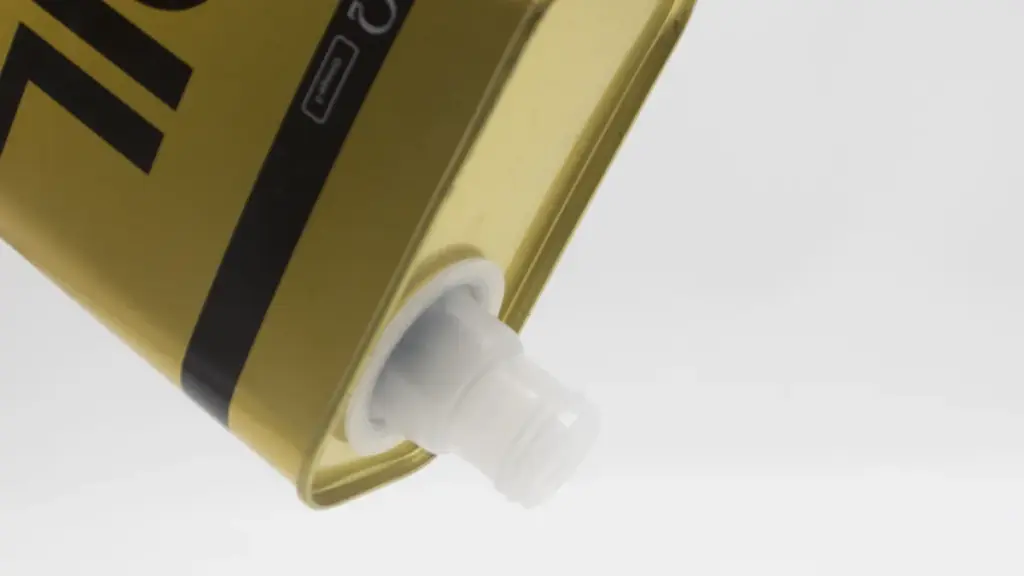
Selecting the right supplier is critical for consistent product quality and long-term business success. Key criteria include:
- الخبرة والخبرة: Look for manufacturers with a proven track record in industrial and oil-related closures.
- Equipment and Automation: Advanced injection molding and assembly lines ensure precision and repeatability.
- Material Standards: Only new, high-quality resins should be used. Recycled or secondary materials can compromise performance.
- ضبط الجودة: Multi-step inspection, chemical testing, and drop/pressure tests verify reliability.
- Customization Capability: Suppliers should offer design support, color/logo customization, and tamper-evident solutions.
- Supply Stability: Consistent lead times and capacity for large orders reduce the risk of production delays.
- Global Shipping Experience: Familiarity with customs documentation and logistics ensures timely delivery to international markets.
Evaluating these factors will help you partner with a manufacturer that consistently delivers reliable, high-performance spout caps.
Why Choose FUTEN as Your Spout Cap Supplier
FUTEN combines advanced equipment, strict material standards, and comprehensive manufacturing expertise to deliver high-quality spout caps for oil tin علب. The company operates automated injection molding and assembly lines, producing up to 30 million caps annually.
FUTEN uses all-new PE and PP resins sourced from premium suppliers, ensuring chemical resistance, dimensional stability, and food-grade safety. The company offers flexible customization, including logos, الألوان, and tamper-evident rings, helping brands maintain consistency and market trust.
With a strong export footprint across the USA, الشرق الأوسط, Africa, and Southeast Asia, FUTEN provides stable supply, التسليم في الوقت المناسب, and support with logistics documentation. Every product undergoes multi-step quality control, including drop, ضغط, واختبارات المقاومة الكيميائية, guaranteeing leak-proof and durable performance.
Partnering with FUTEN ensures not only high-quality closures but also a reliable and efficient supply chain for industrial, السيارات, and food-grade oil packaging.
Conclusion
Choosing the right spout cap involves more than just a simple fit. Matching the can diameter, plastic resin, and spout design to your specific liquid protects product integrity from the factory to the end-user. The correct closure ensures a leak-proof seal, provides a clean pour, and supports efficient capping operations.
Use this guide to define your technical requirements for your next project. When you’re ready to test a solution, our team can help you verify specifications and provide samples from our product catalog.
Frequently Asked Questions
What size spout cap do I need for my oil tin can?
It depends on the container opening. Common sizes are 32mm, 42مم, and 57mm. Always confirm with measurements or samples.
Are PE or PP spout caps better for oil packaging?
Both PE and PP are suitable, but the choice depends on chemical compatibility and mechanical requirements. Polypropylene offers higher stiffness and heat resistance, which benefits tamper-evident rings and high-temperature applications. Polyethylene is more flexible and forgiving, ideal for pull-out spouts and flip-top designs.
Can I use spout caps for edible oil?
نعم, spout caps are suitable for food-related applications. The research indicates that they excel for products like “condiments and sauces,” which confirms their use with edible contents like oils. Ensuring the specific cap material is certified as food-grade for the intended product is crucial for safety and product integrity.
What is a tamper-evident spout cap?
أ tamper-evident spout cap includes a ring or seal that shows visible damage if opened, providing assurance to consumers that the product has not been compromised. This feature is important for both regulatory compliance and consumer trust, particularly in food, كيميائية, and automotive oil markets.
Can spout caps be customized with my brand?
نعم. Caps can be color-matched to brand guidelines, embossed or printed with logos, and designed with tamper-evident features. Custom spouts can also be shaped for precise pouring and end-user convenience.