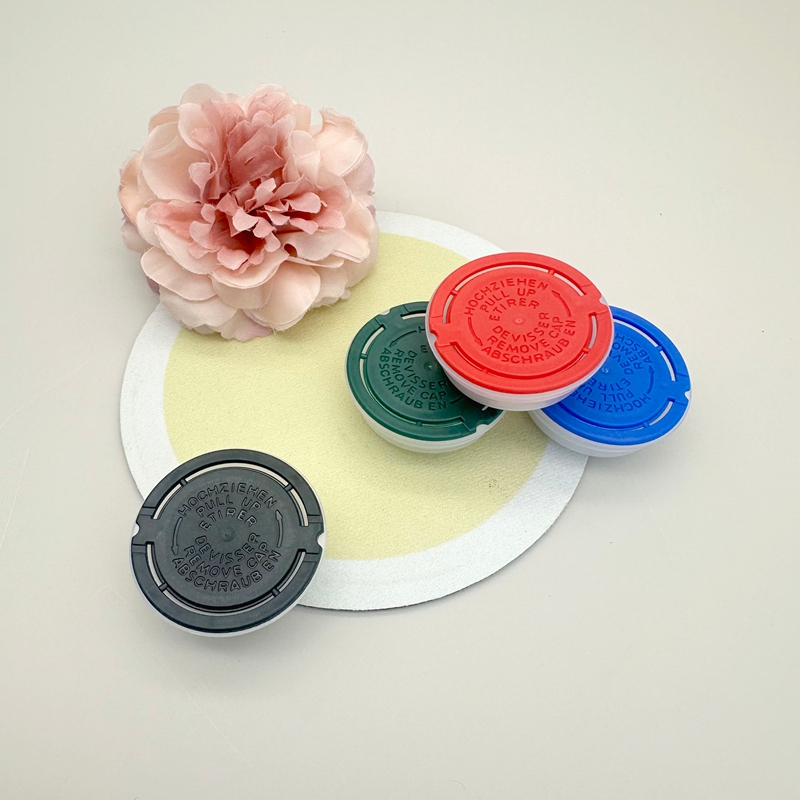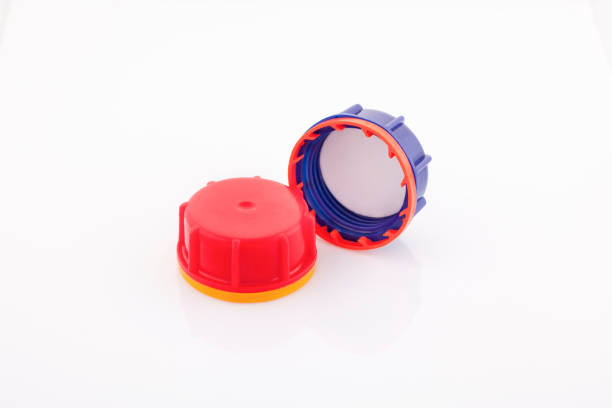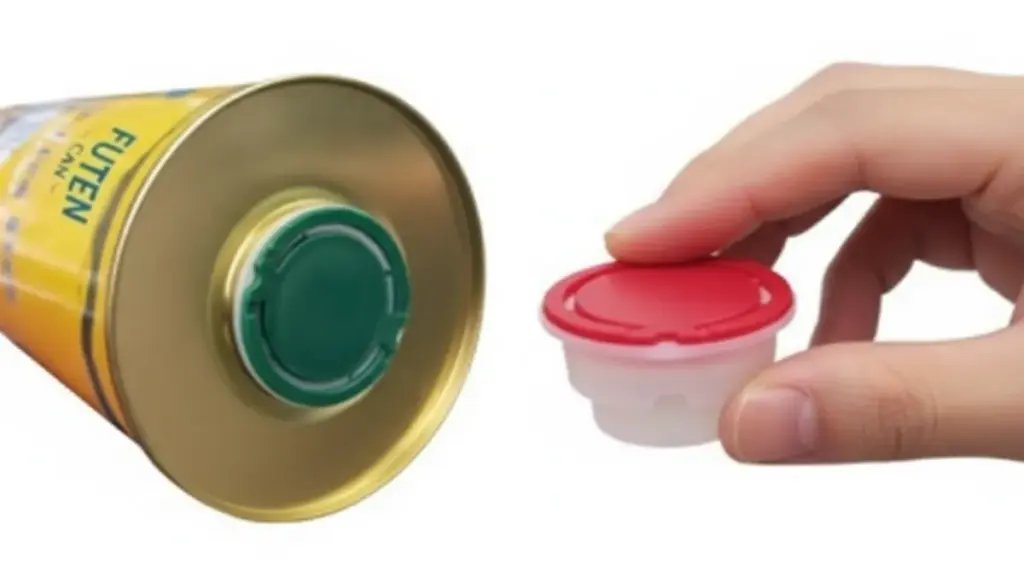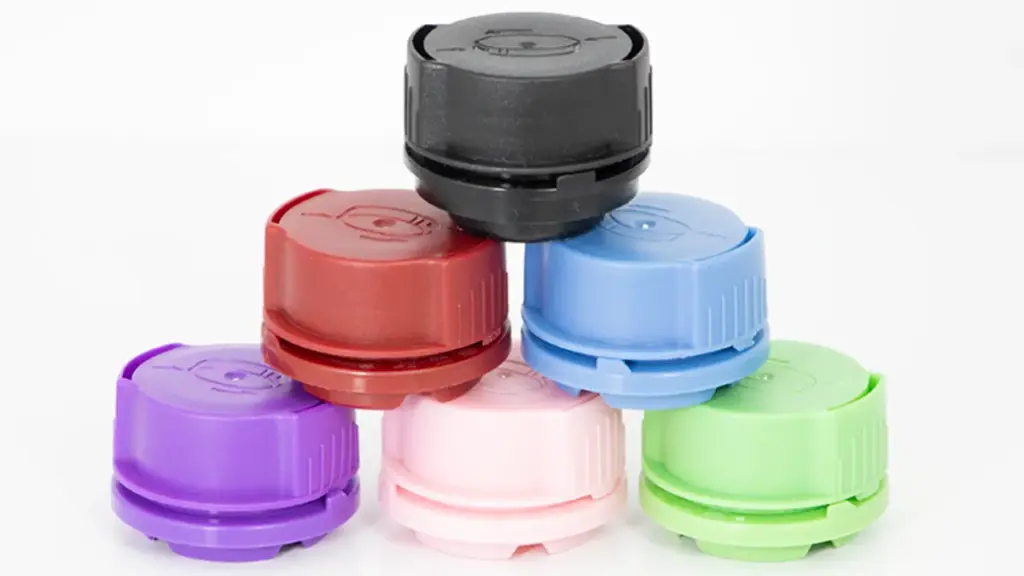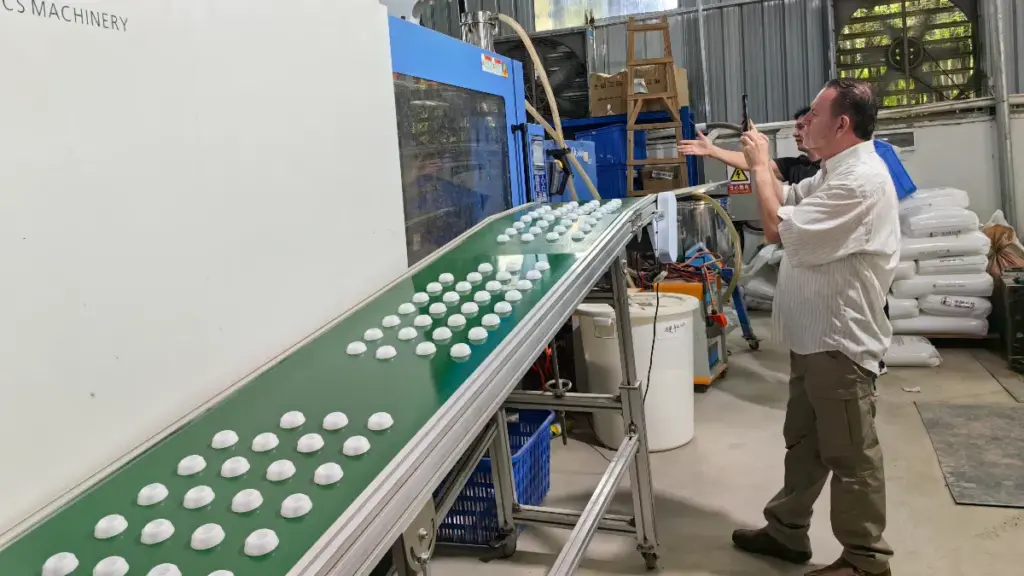
Leakage is one of the most common and costly problems in oil tin can packaging. Even a minor leak can lead to product loss, contamination, safety hazards, customer complaints, and brand damage—especially in industries such as lubricants, رعاية السيارات, industrial fluids, and edible oils. Oil tin can spout caps play a critical role in sealing performance. Their design, مواد, compatibility with the tin can neck, and application process all directly affect whether leakage occurs.
This technical guide provides a standard operating procedure for securing your oil packaging. We will break down the common failure points, from thread mismatch and inadequate sealing design to material deformation and improper application torque. You will get clear, actionable steps to evaluate cap structure, implement correct handling protocols, and work with spout caps manufacturers to eliminate leaks before they ever leave your facility.
The Structure of Spout Caps
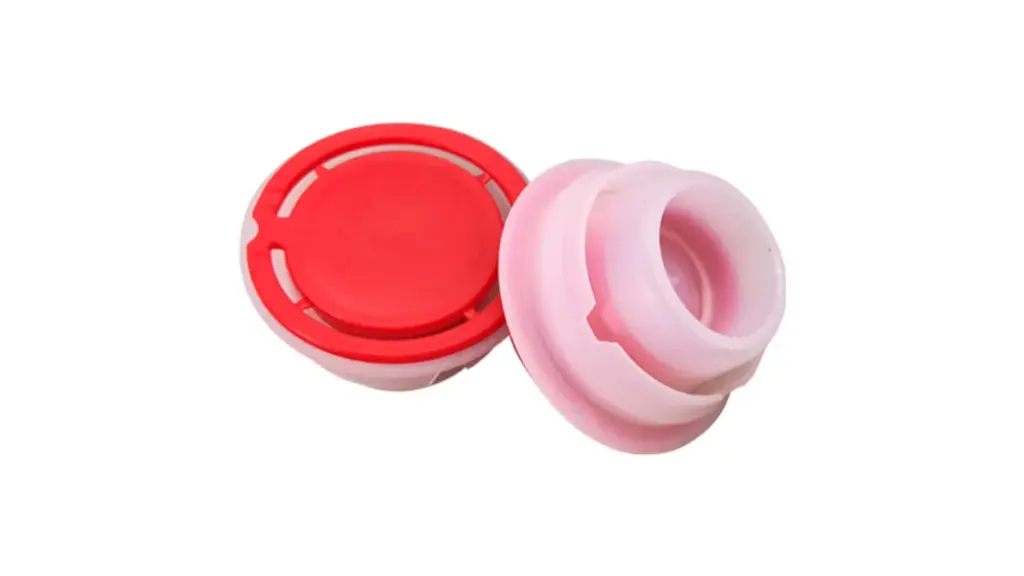
Before identifying the causes of leakage, it’s important to understand the structure of spout caps. A standard oil tin can spout cap typically includes:
Cap Body and Pouring Spout
The main body of a spout cap provides the structural foundation and is typically made from durable materials like البولي ايثيلين عالي الكثافة (البولي إثيلين عالي الكثافة) or Polypropylene (ص). Its design integrates a precision-pour spout engineered to control liquid flow and prevent drips, which is essential for both industrial and consumer applications. The material choice and spout geometry are primary factors in performance.
- In 2026, the 42mm neck size remains a dominant standard for industrial oil tins, ensuring broad compatibility across filling lines and containers.
- The choice of HDPE and PP materials offers excellent chemical resistance, preventing corrosion from direct contact with oils and solvents.
- The spout is shaped to deliver a consistent, splash-free stream, improving user safety and reducing product waste during dispensing.
Integrated Sealing Mechanisms
A critical function of the spout cap is to create a perfect seal that prevents leaks. Modern caps achieve this with multi-component designs, often incorporating a separate gasket or a co-molded liner. These liners are made from specialized materials like EPDM rubber that compress to form a reliable barrier.
- An EPDM rubber gasket or liner inside the cap compresses against the tin can’s neck, forming an airtight and liquid-tight seal.
- Some advanced designs feature self-venting capabilities that equalize pressure during pouring, enabling smooth dispensing without glugging or surging.
- The precision of the cap threads ensures even pressure distribution around the neck finish, which is key for a secure and lasting fit.
Tamper-Evident and Safety Features
To guarantee product integrity from the factory to the end-user, spout caps incorporate security features. These elements provide a clear, irreversible visual indication if the container has been opened or tampered with, which is a requirement in many regulated markets.
- A common feature is a breakaway plastic ring at the base of the cap that detaches permanently after the first opening.
- Many designs also include a pull-up ring or a tear-off membrane that must be removed before the contents can be poured.
- These features are vital for maintaining consumer trust and meeting regulatory standards for both food-grade and industrial products.
Common Causes of Leakage in Oil Tin Can Spout Caps
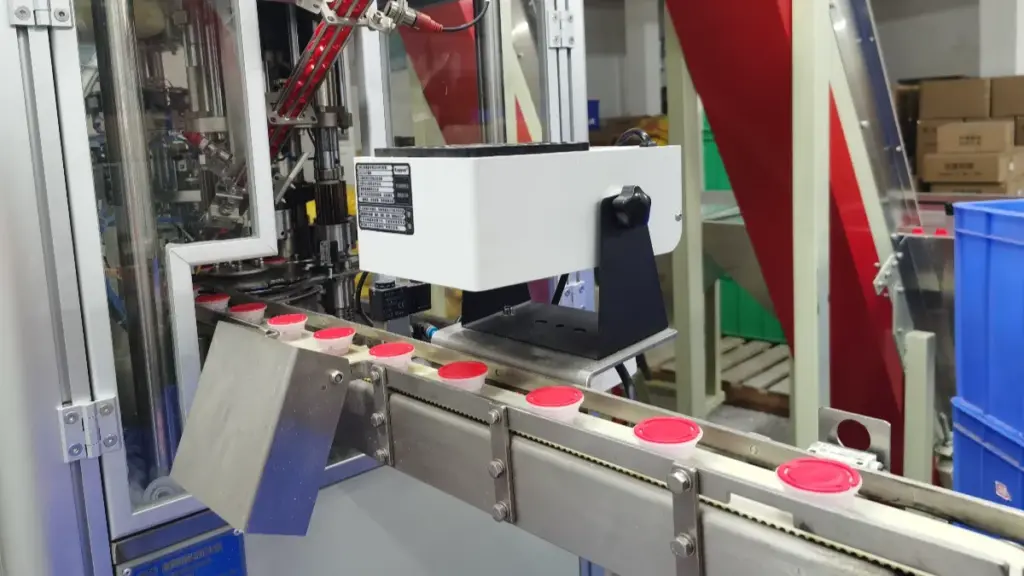
Leakage in oil tin can spouts is almost always a mechanical failure, stemming from incompatible parts, degraded materials, or improper application force rather than random defects.
Identifying the root cause of a leak is the first step in preventing product loss and maintaining package integrity. Most failures in oil tin spout caps fall into five distinct categories, ranging from initial design choices to post-production handling. Understanding these vulnerabilities allows for targeted improvements in specification, حَشد, والخدمات اللوجستية.
Thread Mismatch and Poor Neck Compatibility
One of the most frequent causes of leakage comes from thread mismatch between the spout and the cap. The thread design must perfectly align in pitch, diameter, and depth. When a manufacturer uses non-compatible parts—such as combining caps and spouts from different suppliers—gaps or cross-threading may appear.
This mismatch can prevent the cap from tightening fully or create microscopic paths where oil can escape under pressure. Even a small difference in thread angle can drastically reduce the sealing capability.
Example: If a 38 mm spout cap designed for a fine-thread neck is applied to a coarse-thread spout, the torque distribution becomes uneven, leading to an incomplete seal and oil seepage during transport.
Inadequate Sealing Design
A spout cap’s seal geometry is critical. If the sealing surface is too narrow or the gasket placement is misaligned, internal pressure from temperature changes or handling can force small amounts of oil through weak points. There are several sealing systems used in oil tin cans:
- Liner seal: Uses an inserted PE or EVA liner to form a seal.
- Compression seal: Relies on tight fit between the cap’s inner wall and the spout neck.
- Induction seal: Uses a heat-sealed foil to bond permanently to the can neck.
Choosing an inappropriate sealing type or failing to design proper contact pressure can easily lead to leaks. Spout cap manufacturer like FUTEN Cap uses 3D modeling and pressure simulation to validate the sealing performance before mass production.sure.
Material Deformation and Aging
Plastic deformation and aging occur due to environmental conditions such as heat, UV exposure, or chemical attack from oil additives. Over time, polypropylene or polyethylene may shrink slightly, lose elasticity, or become brittle.
As a result, the cap can no longer maintain the same sealing pressure. This issue is particularly noticeable for long shelf-life products or oil cans stored outdoors in hot regions.
Using high-grade resins, UV-stabilized materials, and proper wall thickness helps minimize these risks. Futen Cap uses virgin HDPE with enhanced stress-crack resistance to ensure long-term sealing stability.
Improper Application Torque
Even the best-designed spout cap can fail if it’s not tightened at the correct torque level. Over-tightening may distort the threads and crush the gasket, while under-tightening leaves room for gaps and air paths.
Automated capping machines must be calibrated precisely according to the torque specifications recommended by the cap manufacturer. على سبيل المثال, a 38 mm spout cap may require a torque range of 7–9 N·m for an optimal seal.
During manual assembly, workers should use torque-controlled tools or preset clamping equipment to maintain consistency across production batches.
| Failure Mode | Primary Cause | Resulting Leak Mechanism |
|---|---|---|
| Under-Torquing | Insufficient rotational force applied during capping. | The gasket is not compressed enough to form a seal and the cap can loosen from vibration during transit. |
| Over-Torquing | Excessive rotational force applied during capping. | Cap material develops stress cracks, the seal liner is damaged, or the can’s neck finish is deformed. |
Damage During Storage and Transportation
A perfectly sealed container can still fail if it is handled improperly. During shipping and storage, containers are exposed to a range of hazards. Temperature fluctuations can cause pressure changes inside the can, putting significant strain on the cap’s seal. Physical impacts from drops, bumps, or improper stacking can directly damage critical components like the cap’s spring mechanism or the seal itself. Regular inspection for wear and damage is necessary to ensure the seal remains intact throughout the supply chain.
Eliminate Leakage Risks with Precision Industrial Caps
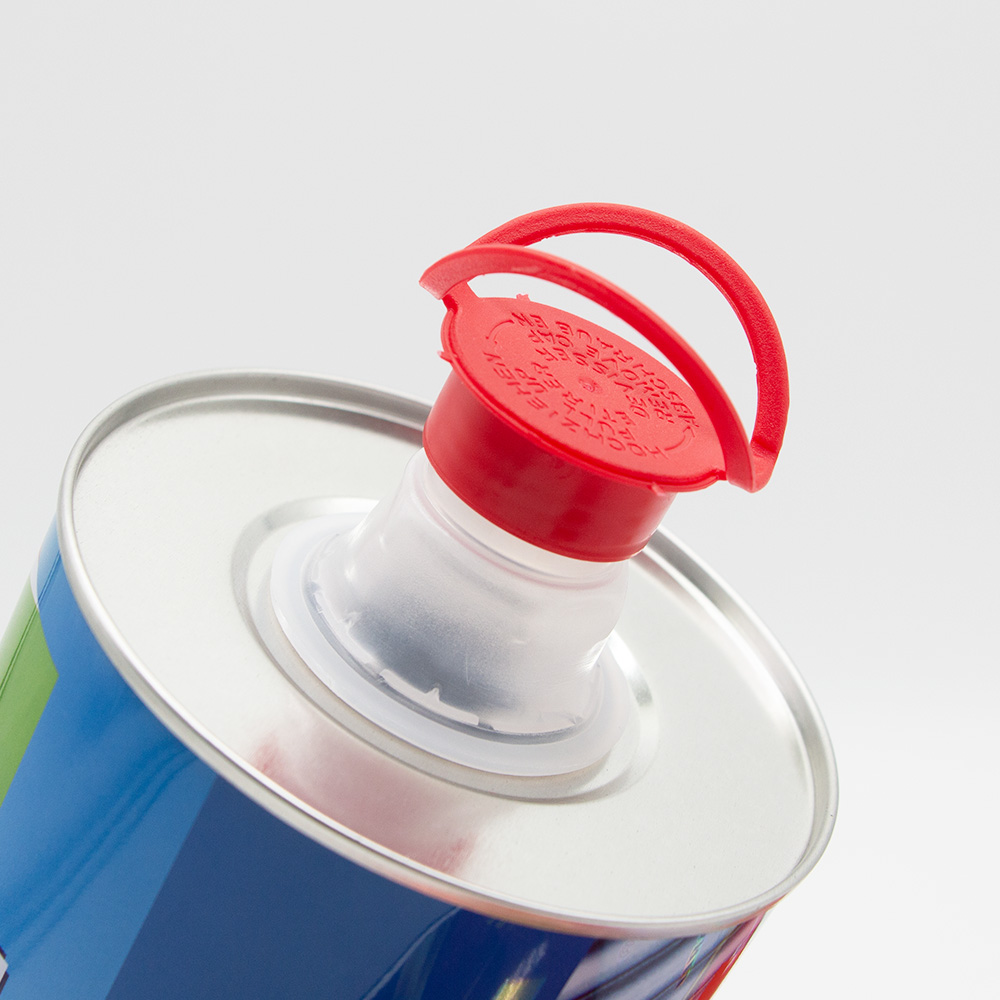
How to Prevent Leak in Oil Tin Can Spout Caps
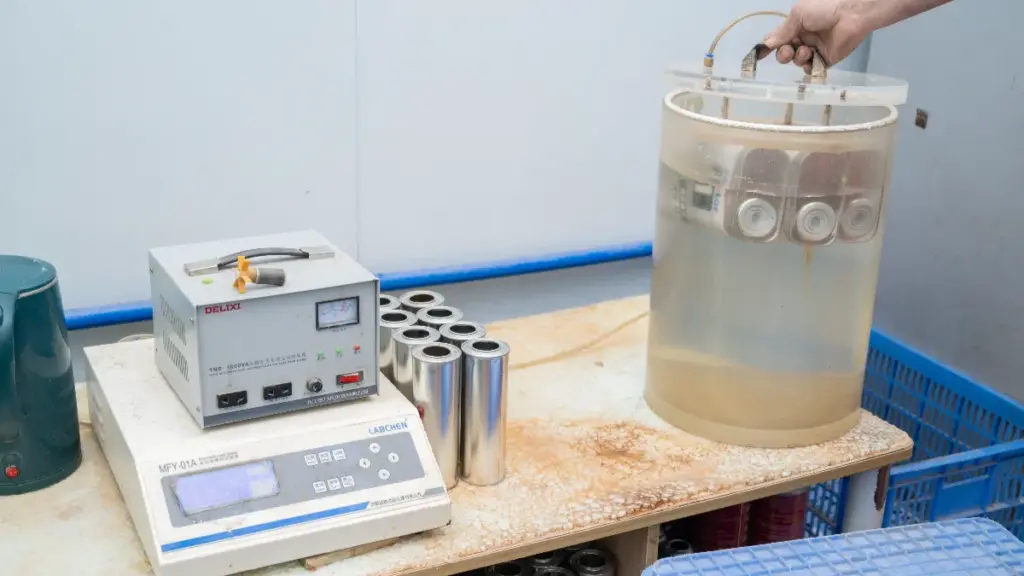
Preventing spout cap leaks depends on a three-part system: advanced internal sealing mechanisms, crack-resistant materials like HDPE, and strict adherence to precise application torque standards.
Now that we understand the typical causes, let’s explore practical approaches to ensure every oil tin can remains leak-free from factory to final use.
| ميزة | Standard Spout Cap | High-Performance Spout Cap |
|---|---|---|
| Sealing Mechanism | Single-layer press-fit plug | Multi-layered gasket with precision threads |
| Material Composition | Basic or recycled PE/PP blends | 100% virgin HDPE with UV inhibitors |
| Application Method | Manual application with variable torque | Automated capping with calibrated torque |
- Use precision-matched sets of spouts and caps.
The spout and cap should come from the same manufacturer or be verified as compatible with the same design standard. A perfect thread fit ensures uniform compression and reliable sealing. - Select suitable materials for your product type.
Different oil types contain additives that may react with certain plastics. على سبيل المثال, hydraulic oils may require PP caps, while food-grade oils often use PE materials. Material compatibility testing is essential. - Adopt an optimized sealing structure.
Choose the right sealing method—liner, compression, or induction—based on packaging requirements, transport conditions, and oil viscosity. Engineers can simulate internal pressure and cap deformation to refine the design. - Establish controlled capping torque procedures.
Maintain consistent torque by using calibrated capping equipment. Record torque values during production for traceability and quality assurance. - Monitor storage and logistic conditions.
Keep caps and cans away from heat, sunlight, and moisture. Use shock-resistant packaging during export shipment, especially for long-distance container transport. - Perform leak tests during quality inspection.
Plastic cap manufacturers should adopt air-pressure or vacuum-based leak tests. Futen Cap’s quality control includes random sampling and 100% pressure testing to ensure zero leakage before delivery. - Implement regular maintenance and cap inspection.
Check molding equipment, thread dimensions, and gasket placement periodically. Even minor wear on molds can cause dimensional inconsistencies that lead to leaks.
By following these steps and applying engineering rigor throughout production, companies can build a strong reputation for reliable oil packaging.
Work with an Experienced Spout Cap Manufacturer to Prevent Leaks

Partnering with a manufacturer who specializes in tin can spout cap systems can save significant engineering effort and reduce expensive product losses.
FUTEN Cap has more than a decade of expertise in designing and producing plastic spout caps for tin cans, focusing on lubricant, كيميائية, and industrial packaging. Our advantages include:
- Custom-fit design solutions: Every FUTEN cap is designed to match specific can neck geometries and sealing requirements.
- Premium-grade materials: We use top-quality PE resins with anti-crack, anti-aging, and chemical-resistant formulations.
- Strict leak-proof testing: Every batch goes through rigorous pressure and torque tests.
- OEM and ODM capabilities: Futen helps clients create unique spout cap models optimized for branding and functional performance.
- Sustainability and compliance: The materials meet environmental standards (RoHS, REACH) and food-grade requirements when applicable.
Conclusion
Preventing leaks in oil tin can spout caps is essential for protecting your product integrity and brand reputation. By addressing key factors like material choice, sealing design, and application torque, you can significantly reduce product loss and avoid costly customer claims. A systematic approach to selecting and applying spout caps ensures your shipments arrive safely and without damage.
If you’re looking to improve your packaging performance, review your current sealing procedures and cap specifications. Contact our team to discuss your application and find a reliable spout cap solution that protects your product during shipping.
Frequently Asked Questions
Why do oil tin cans sometimes leak even with new caps?
New caps may leak due to mismatched threads, over-tightening, or minor molding defects. Always ensure the cap and spout system come from a tested, compatible pair.
How can I test whether a spout cap is leak-proof?
Use air pressure or vacuum leak testers. Futen performs pressure tests where the sealed can is pressurized and monitored for pressure drops over a fixed time.
How should I store plastic caps to prevent deformation?
Keep caps in a clean, cool, shaded environment. Avoid stacking beyond the recommended height to prevent compression deformation.
Can I use one cap design for different oil types?
It depends on the viscosity and chemical composition of the oils. Some oils require specific gasket materials or torque settings, so consult your cap supplier before reusing designs.
How long does it take to develop a custom leak-proof spout cap?
With an experienced manufacturer, mold development and validation typically take around 3–4 months, with samples provided earlier for testing.
Do oil tin cans always need spout cap liners?
Not necessarily. Some designs rely on plug seals instead of liners. The choice depends on the oil type, can design, and sealing requirements.