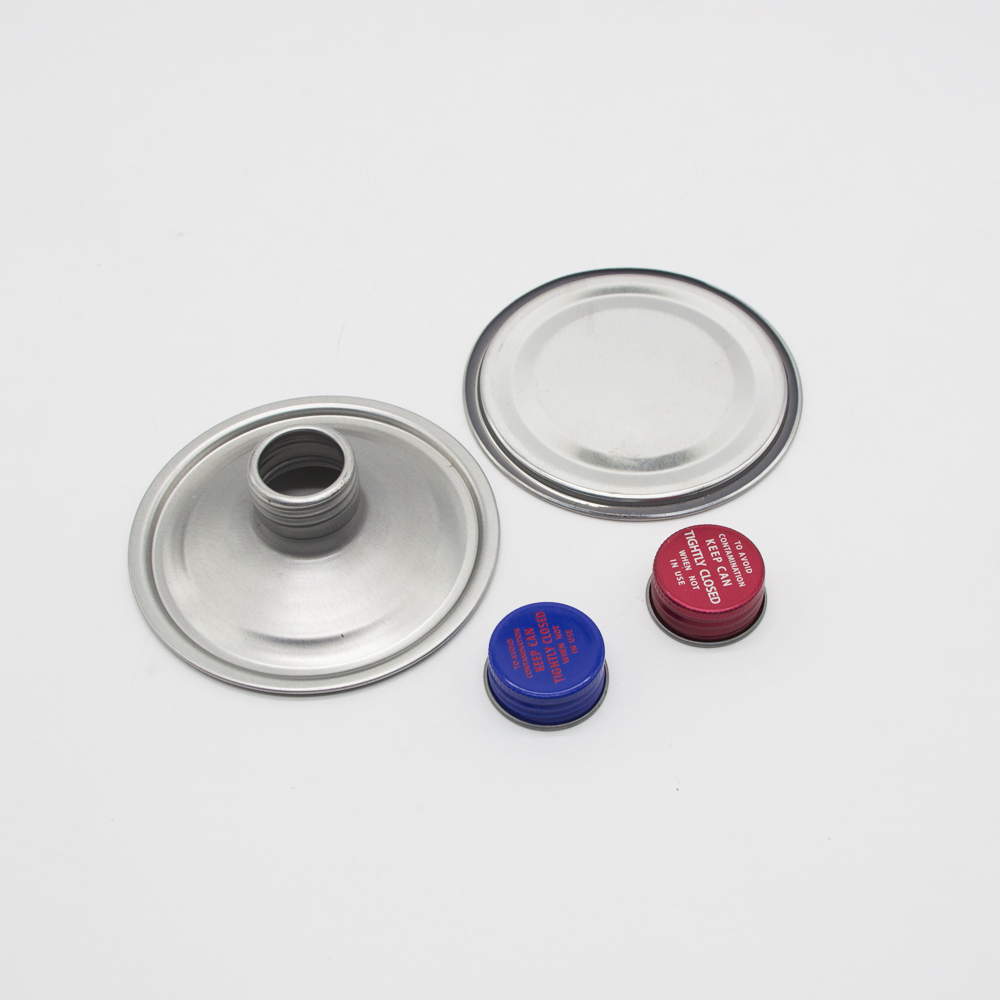
Selecting the correct closure for a 4L motor oil jerry can is a critical technical decision that impacts product shelf life, transport safety, and end-user satisfaction. In the lubricant industry, the “4ل” volume is a global standard, but the neck finishes used to seal these containers vary significantly across different regions and packaging materials.
For procurement managers at lubricant plants or tin can factories, a mismatch of even a few millimeters can result in oxygen ingress, oil seepage, or the failure of tamper-evident features. This guide provides a technical breakdown of common industry sizes, measurement protocols, and material considerations for high-performance oil closures.
Why Sealing Integrity Matters for Motor Oil Export
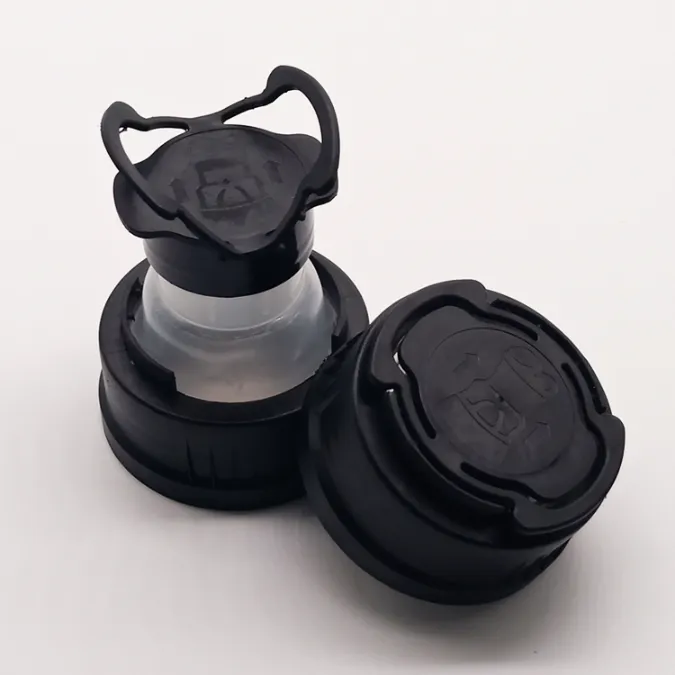
In international trade, motor oil containers are subjected to mechanical stresses that domestic products rarely encounter. When shipping 4L jerry cans in 20ft or 40ft containers, the environmental variables—specifically temperature fluctuations and vertical stacking pressure—test the limits of the screw cap’s seal.
Thermal Expansion and Pressure Differential
Motor oil has a high coefficient of thermal expansion. In transit through tropical climates or across high-altitude routes, the oil and the air headspace inside the 4L can expand. If the screw cap is manufactured from low-grade or recycled resin, it may lack the hoop strength required to maintain thread engagement under internal pressure. This leads to “sweating” at the neck or, in extreme cases, a complete seal failure.
Chemical Compatibility and Stress Cracking
Modern synthetic lubricants contain complex additive packages. These chemicals can interact with certain plastics over long periods. Closures must be molded from virgin High-Density Polyethylene (البولي إثيلين عالي الكثافة) or Polypropylene (ص) to resist Environmental Stress Cracking (ESC). Using 100% virgin materials ensures that the cap remains ductile enough to absorb impacts during handling without snapping or loosening.
Common 4L Jerry Can Screw Cap Sizes and Standards
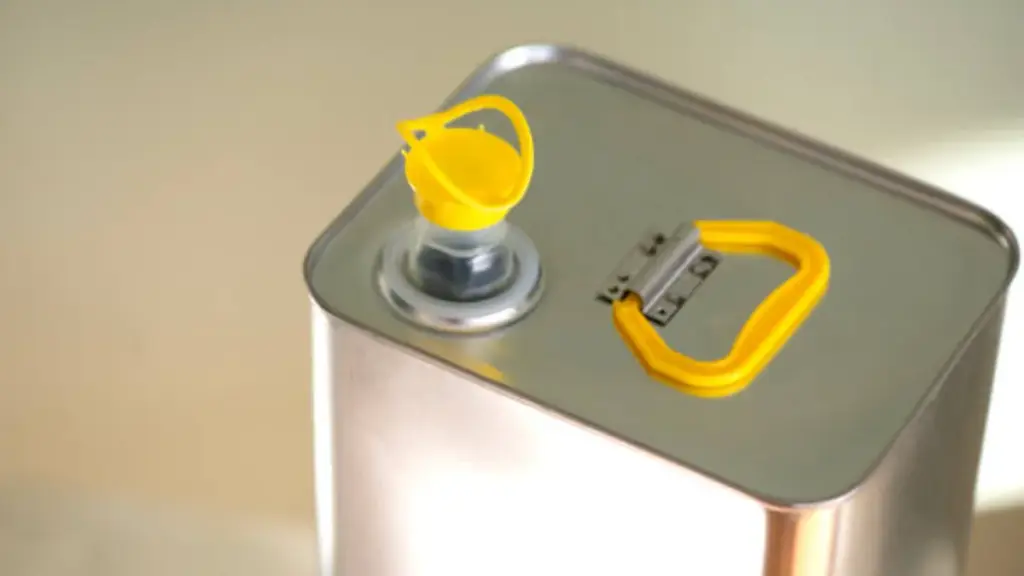
The global market for lubricant packaging generally adheres to three primary neck finish standards. Identifying which one your container uses is the first step in procurement.
1. 32mm DIN (The Telescopic Pull-Spout)
The 32mm DIN standard is the most widely utilized closure for 4L motor oil jerry cans, particularly for metal F-style cans and professional-grade plastic HDPE containers.
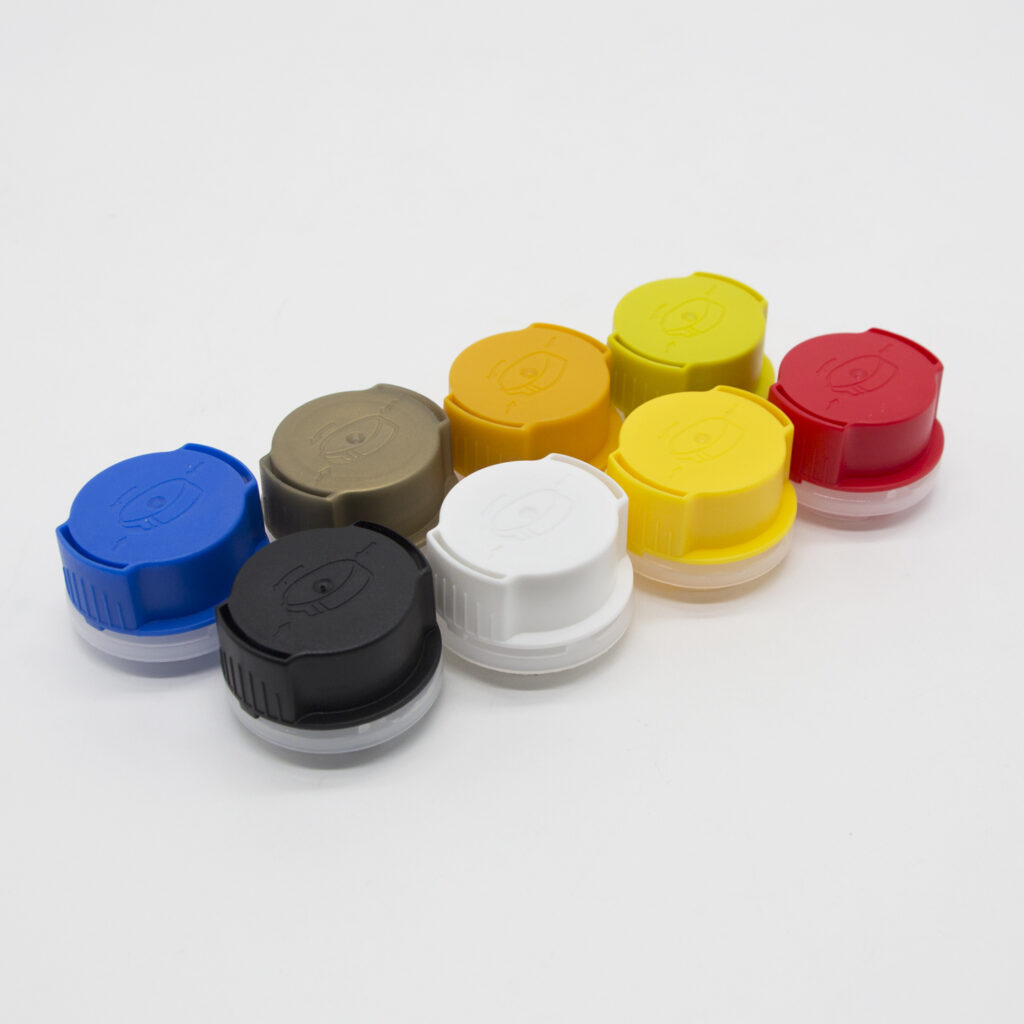
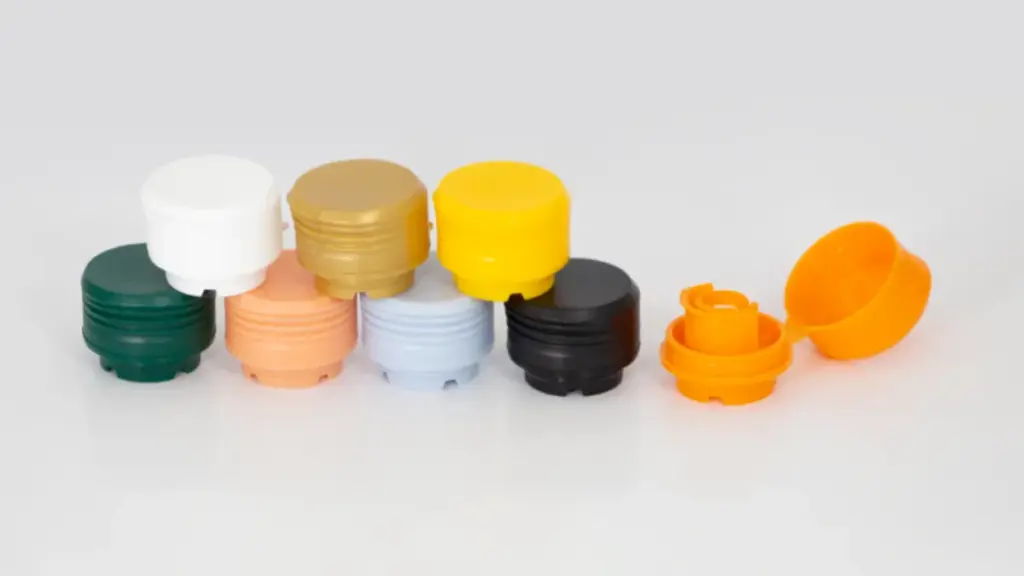
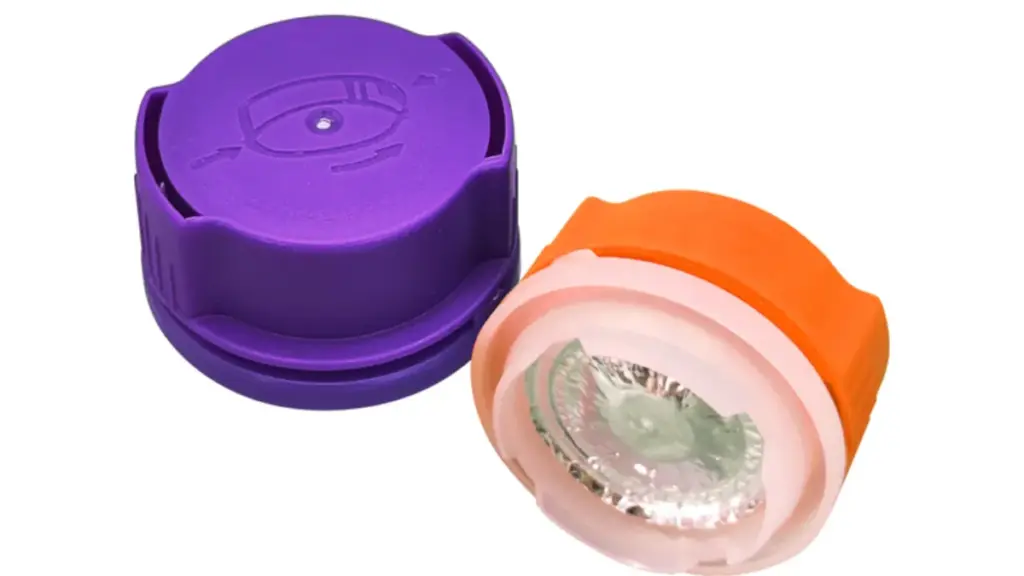
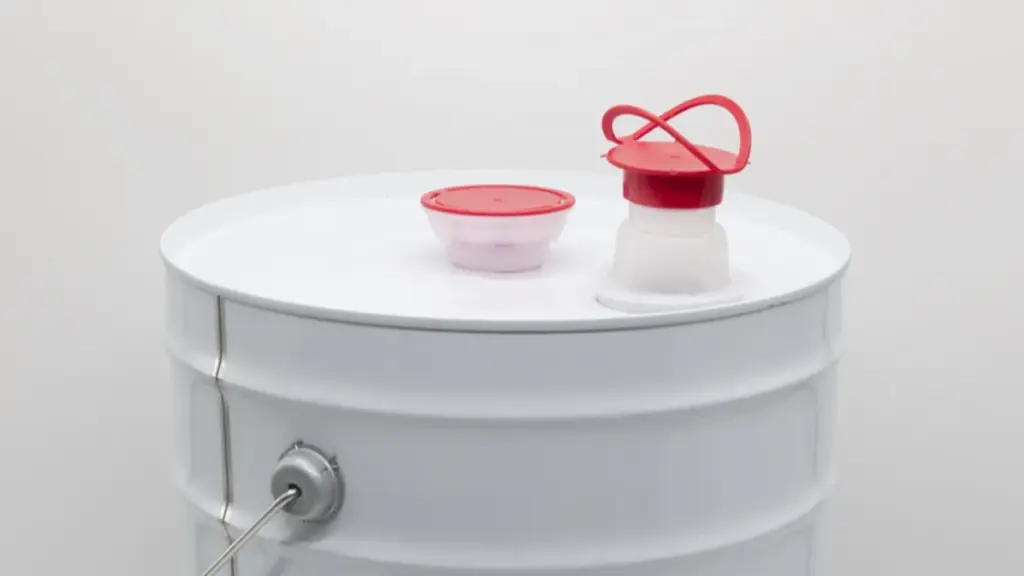
- Design: These are typically multi-component “pull-up” spouts that allow the user to extend a nozzle for precise pouring.
- طلب: Standardized under German DIN (Deutsches Institut für Normung) specifications, ensuring compatibility across different European and Asian can manufacturers.
2. 38/400 و 38/410 Continuous Thread (CT)
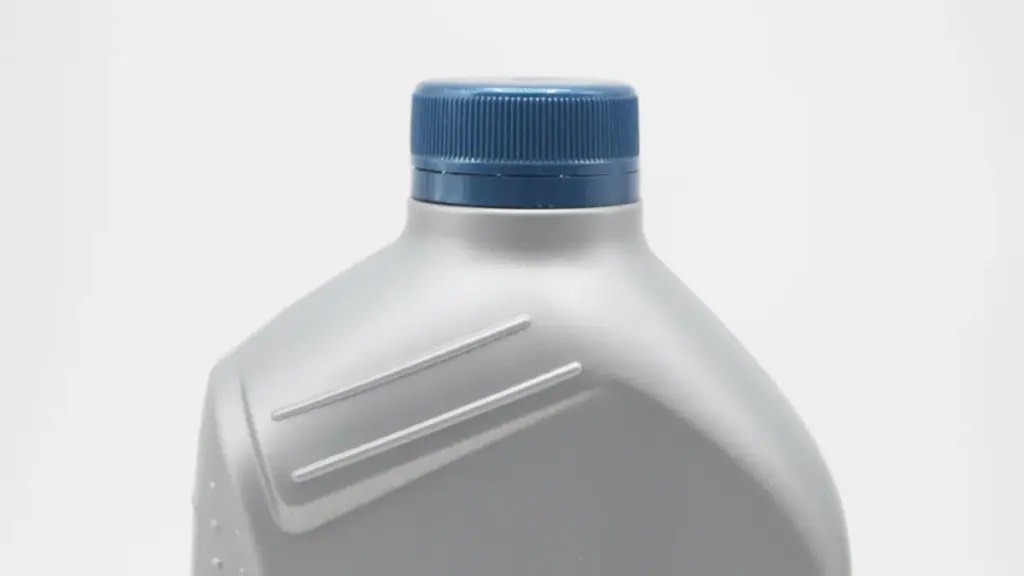
These are standard screw-on closures often seen on retail-style plastic 4L jugs.
- 38/400: Features a single thread turn.
- 38/410: Features one and a half thread turns, providing a deeper grip for the cap.
- Sealing: These usually rely on an induction heat seal (IHS) liner or a foam liner to prevent leaks.
3. 42mm and 45mm High-Flow Closures
Large-diameter necks are increasingly popular for 4L and 5L containers used in commercial vehicle workshops. The wider opening allows for a “glug-free” pour, reducing the time required for oil changes in heavy-duty engines. These caps often include a robust tamper-evident band that drops down upon the first opening.
How to Measure Jerry Can Neck Finish Accurately
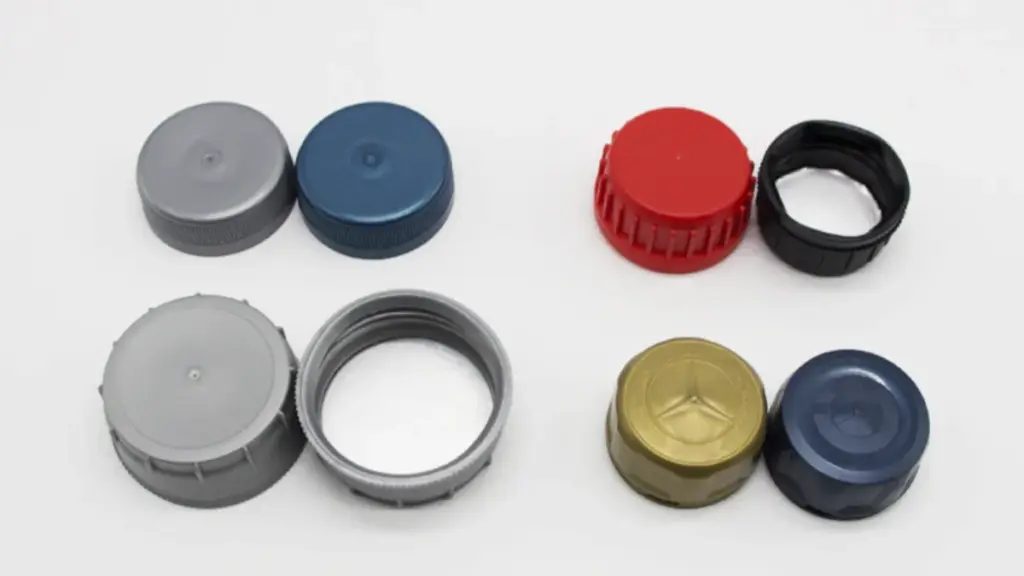
To ensure a perfect fit between the can and the closure, precise technical measurements are required. Standard terminology for these measurements includes the T, ه, I, and H dimensions.
The Technical Dimension Profile:
- T Dimension: The outside diameter of the thread. This is the most common way to identify a cap size (على سبيل المثال, a “32mm cap”).
- E Dimension: The outside diameter of the finish shaft, excluding the threads. The difference between T and E determines the thread depth.
- I Dimension: The inner diameter of the neck. This measurement is vital for ensuring that your filling line’s nozzles can enter the container at high speed without damage.
- H Dimension: The height from the top of the finish to the point where it intersects the shoulder of the can. If the H dimension is too short, the cap will “bottom out” before the liner makes contact with the rim.
Step 1: Measure the Outer Neck Diameter
Use a caliper to measure the outer diameter of the container neck (not the opening). This dimension usually corresponds to the nominal cap size, مثل 38 mm or 50 مم.
Step 2: Check the Thread Profile
Observe the thread shape and count:
- Is it coarse or fine thread?
- Single-start or multi-start?
Two caps with the same diameter can still be incompatible if the thread pitch differs.
Step 3: Confirm with a Sample
Whenever possible, test-fit a physical cap sample on the container. This is especially important when sourcing from a new plastic screw cap supplier or switching manufacturers. Accurate measurement reduces trial-and-error costs and prevents bulk order mistakes.
[Technical Tip: Always use a calibrated digital caliper for these measurements. A deviation of 0.5mm can be the difference between a hermetic seal and a constant leak.]
| Neck Finish Size | Common Applications | Key Characteristics |
|---|---|---|
| 50مم | Motor oils, industrial fluids, premium sealed products | Wide mouth; compatible with induction seal liners |
| 38مم | General-purpose jerry cans, coolants, المواد الكيميائية | Deep-thread design for robust sealing; widely available |
| Other (على سبيل المثال, 32مم, 55مم) | Specialized or heavy-duty containers | Less common; specific to unique container designs |
Secure Your Supply Chain with Zero-Leakage Caps
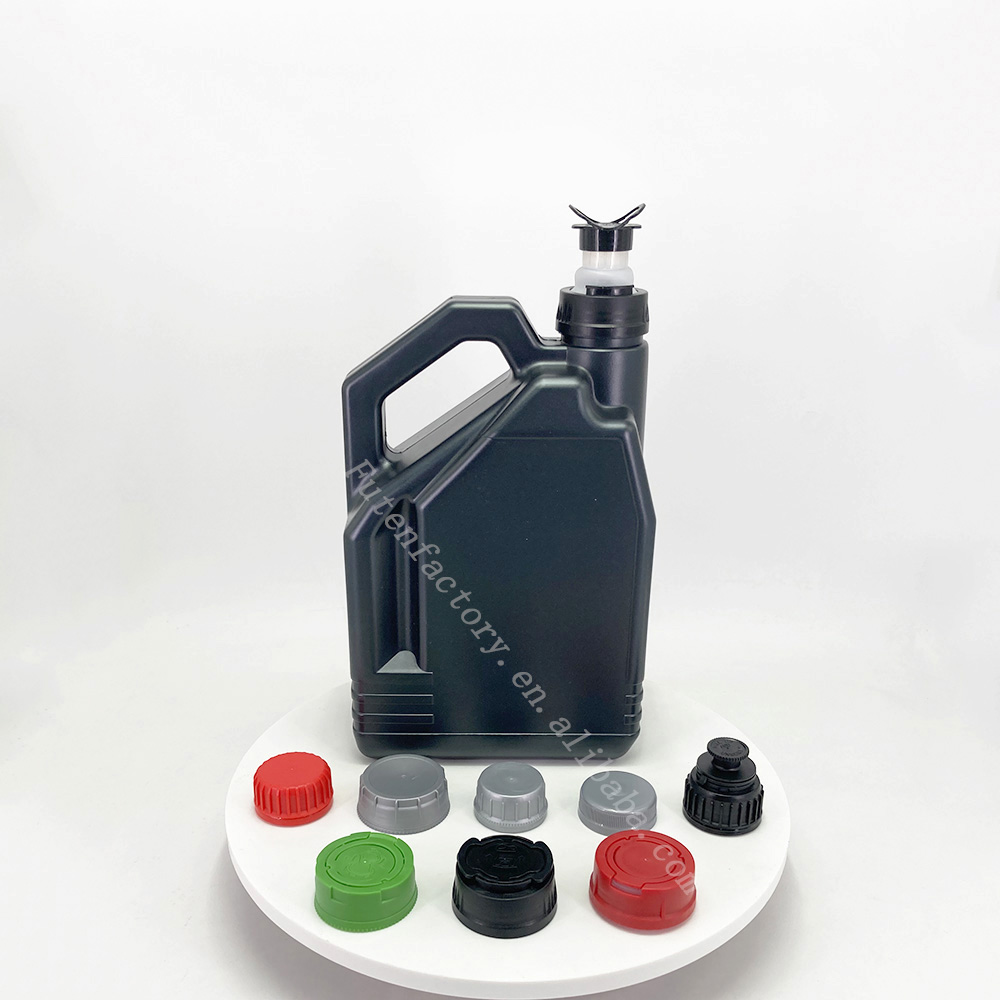
Differences Between Plastic and Metal Jerry Can Closures
The material of the 4L container dictates the mechanical design of the cap. Metal and plastic have different tolerances and contraction rates.
Closures for Metal Tinplate Cans
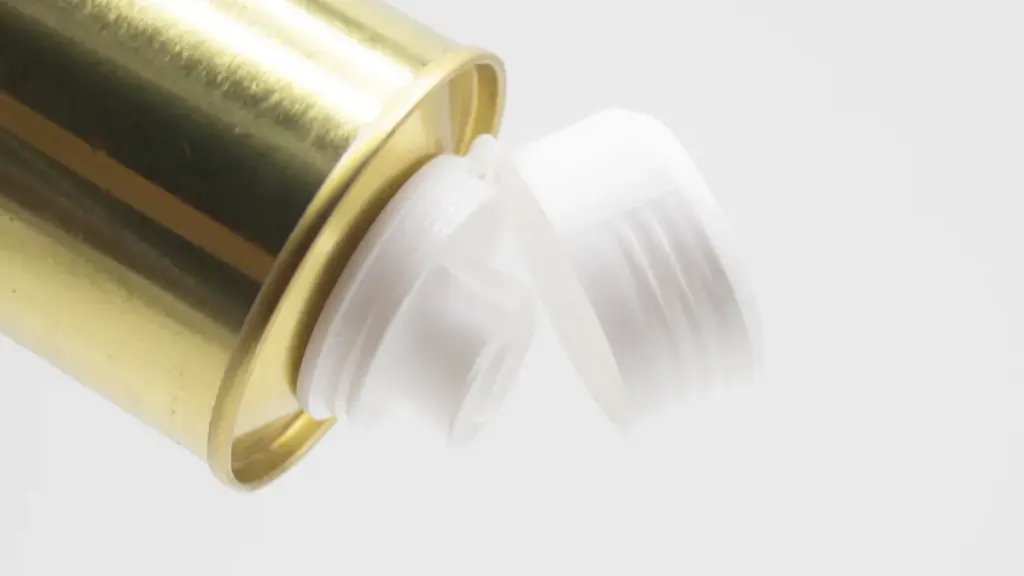
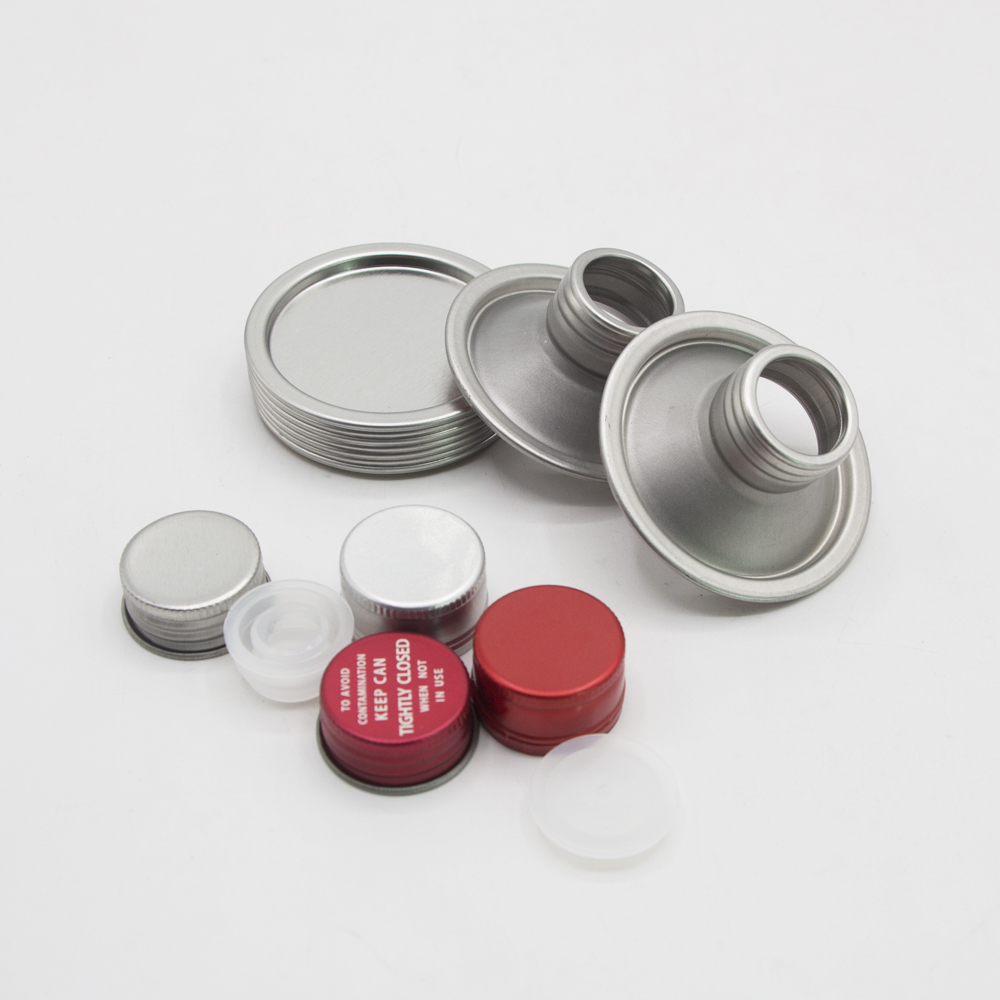
Metal cans, often used for premium synthetic oils or chemical additives, usually feature a 32mm REL or DIN neck. Because the metal rim is thin and sharp, the cap must incorporate a specific “sealing flange” or a soft plastic plug that inserts into the neck to create a secondary barrier.
Closures for HDPE and PET Plastic Cans
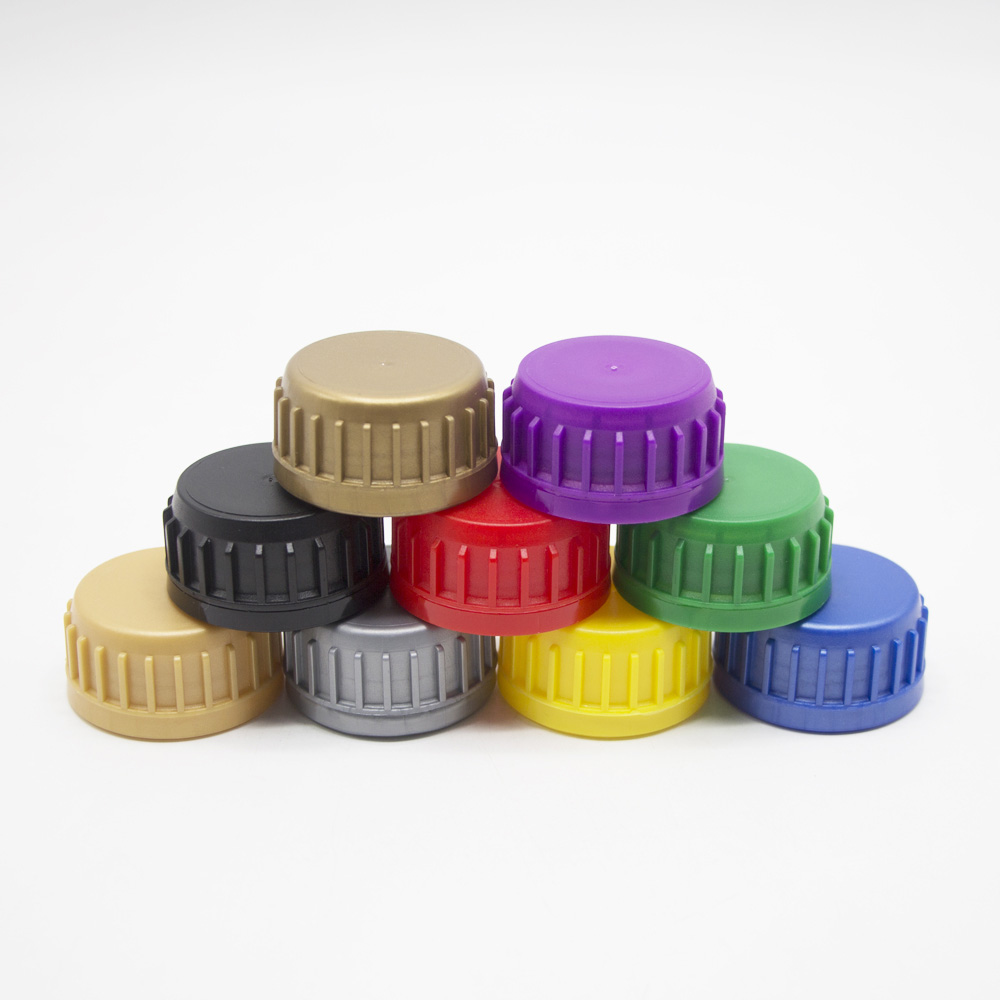
Plastic containers are subject to “creep”—the tendency of solid material to move slowly or deform under mechanical stress. Caps for plastic 4L cans must have deep, well-defined threads to maintain tension over time. بالإضافة إلى ذلك, because plastic-on-plastic friction is lower than metal, these caps often feature “ribbed” sides to allow for easier application by automated capping machines.
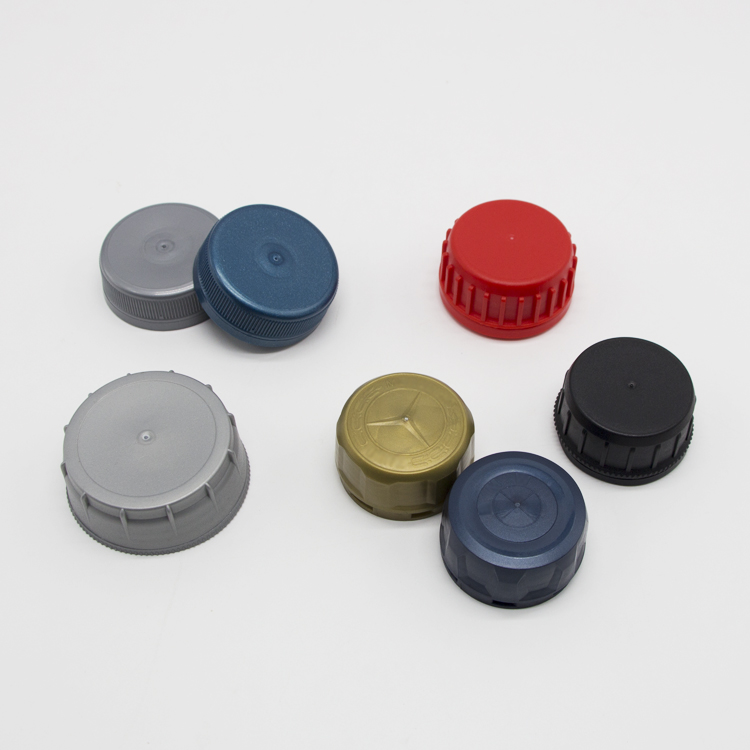
If you are looking for a reliable, factory-tested solution for your 4L production line, our standard pull-up spout caps are the preferred choice for major lubricant brands worldwide. Check the specifications below or request a sample to test the fit on your containers.
 In Stock
1ل / 4L Engine Oil Can Screw Caps
Plastic Screw Caps
- Compatibility: Fits 1L – 4L Motor Oil Jerry Cans
- الميزات الرئيسية: Non-spill, Pull-out Spout, Anti-leakage
- مادة: 100% Virgin PE/PP (SGS Certified)
- موك: 2,000 جهاز كمبيوتر شخصى (Small Batch Support)
- Lead Time: Fast Shipping (5-7 Days)
Choosing Between Pull-Spout Caps and Tamper-Evident Seals
The choice of closure also impacts the end-user’s perception of your brand. In the B2B sector, functionality is the priority.
- Pull-Out Spouts: These offer the best user experience. They eliminate the need for a funnel and provide a clear visual indicator if the product has been opened.
- Tamper-Evident Screw Caps: These are the industry standard for high-volume, low-cost production. ال “click” of the tamper-evident ring breaking provides consumer confidence in product authenticity.
- إغلاق مقاوم للأطفال (CRC): While less common for motor oil, some 4L containers for household chemicals or brake fluids require CRC functionality to meet safety regulations.
Ensuring leak-free sealing is one of the most critical requirements in motor oil packaging, especially for 4L jerry cans that are frequently transported, stacked, and stored for long periods. Even when the screw cap size appears correct, leakage can still occur if other sealing factors are overlooked.
Match Cap Size and Thread Design Precisely
The first step toward leak-free sealing is precise compatibility between the cap and the container neck. The cap diameter, thread pitch, and thread depth must align exactly with the neck finish. A visually “similar” fit is often not enough—small deviations can prevent full thread engagement and compromise sealing pressure.
Select the Right Sealing Method
Most 4L motor oil screw caps rely on one of the following sealing approaches:
- Foam or PE liners, which compress against the neck opening
- Induction seals, which create a tamper-evident and leak-resistant barrier
- Integrated gasket designs, used in certain industrial applications
The sealing method must be compatible with both the cap design and the oil formulation to ensure long-term performance.
Control Application Torque During Capping
Over-tightening or under-tightening screw caps can both lead to leakage. Consistent torque application is especially important on automated filling lines. Caps designed with stable thread geometry and material consistency help maintain reliable torque control and reduce variation between units.
Test Under Real Transport Conditions
Leak-free sealing cannot be confirmed by visual inspection alone. Sample testing should include:
- Inverted storage tests
- Vibration or drop simulations
- Temperature variation exposure
اقرأ المزيد: How to Prevent Screw Cap Leakage for Engine Oil and Fuel Additives in Transport
Why Work with FUTEN for 4L Motor Oil Can Screw Caps
For companies that require stable quality and flexible solutions, working with an experienced screw cap manufacturer is essential.
قدَّم is a specialized manufacturer of industrial plastic and metal caps, supplying customers in the lubricant, رعاية السيارات, and industrial packaging sectors. With a highly automated production environment and a wide range of molds, FUTEN supports multiple standard screw cap sizes commonly used for 4L motor oil jerry cans.
Beyond standard products, FUTEN offers:
- Fast response to customized neck designs
- Consistent quality through automated inspection and leak testing
- Use of virgin raw materials for reliable sealing performance
- Support for logo customization and branded packaging
With extensive export experience across the Middle East, Africa, Southeast Asia, and other international markets, FUTEN helps customers reduce packaging risk while maintaining cost efficiency and dependable delivery.
Conclusion
The most common screw cap size for 4L motor oil jerry cans is 50 مم, but it is not universal. Accurate measurement, thread compatibility, and sealing design all play critical roles in selecting the right cap.
By understanding standard sizes, avoiding common mistakes, and working with a capable manufacturer, buyers can ensure leak-free performance and consistent packaging quality. For businesses seeking reliable, customizable screw cap solutions for 4L motor oil jerry cans, partnering with an experienced supplier like FUTEN can make the difference between recurring issues and long-term success.
Frequently Asked Questions
What cap size is used on 4L motor oil containers?
The most common cap for 4L motor oil containers is a 50mm screw cap. Other available specifications include 32mm inner diameter/35mm outer diameter and 55mm inner diameter/70mm outer diameter variants, depending on the specific jerry can design.
Can I use the same cap on 4L and 5L jerry cans?
The provided research data focuses exclusively on 4L motor oil containers and does not contain information about 5L jerry can specifications. Therefore, cap compatibility between the two sizes cannot be confirmed from the available data.
Do 4L jerry cans need tamper-evident caps?
Tamper-evident (or tamper-proof) caps are available as an option for 4L jerry cans. Many designs also incorporate an aluminum foil induction seal liner, which provides a secure, leak-proof closure and serves as a tamper-evident layer.
What torque is recommended for 4L oil caps?
The research content does not specify a recommended numerical torque value for 4L oil caps. It notes that caps can be secured using an induction machine, which creates a strong seal for maximum protection during shipping and storage.
Why do my 4L jerry can caps leak in shipping?
Leaks during shipping may occur if the closure is not properly sealed. Research indicates that using an aluminum foil induction seal liner, applied with an induction machine, provides a robust, leak-proof closure designed for maximum protection during transportation.
How do I standardize caps across my 4L oil range?
To standardize caps across your 4L oil product line, you should work directly with your container supplier. Suppliers offer customization options, allowing you to select a single cap specification (على سبيل المثال, the 50mm screw cap) and custom colors to ensure a consistent fit and brand image.