Choosing the right plastic cap manufacturer is a critical but often underestimated step in lubricant and engine oil packaging. A poorly designed or low-quality cap can lead to leakage, contamination, customer complaints, and even brand damage. On the other hand, a reliable plastic cap supplier helps ensure product safety, stable filling performance, and long-term cost control.
This guide walks you through the full decision logic — from understanding why plastic caps are used, to evaluating materials, cap types, and finally selecting the right manufacturer for lubricant and engine oil applications.
Benefits of Plastic Caps in Lubricant and Engine Oil Packaging
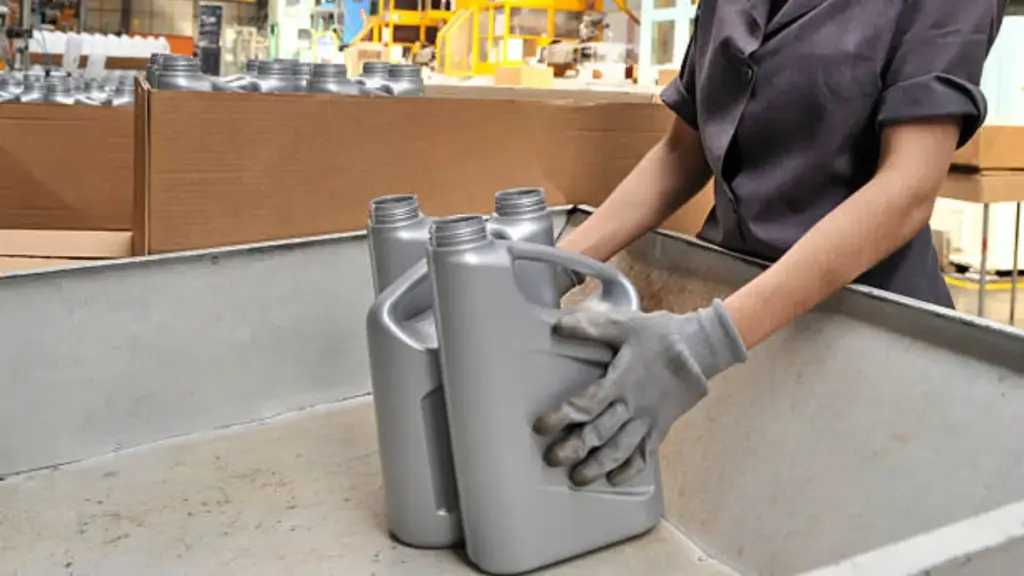
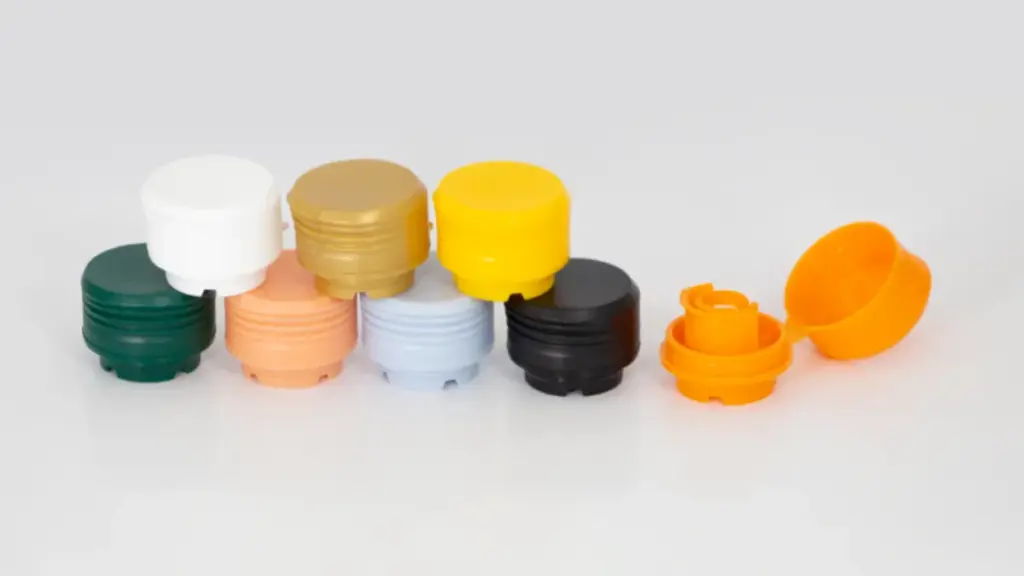
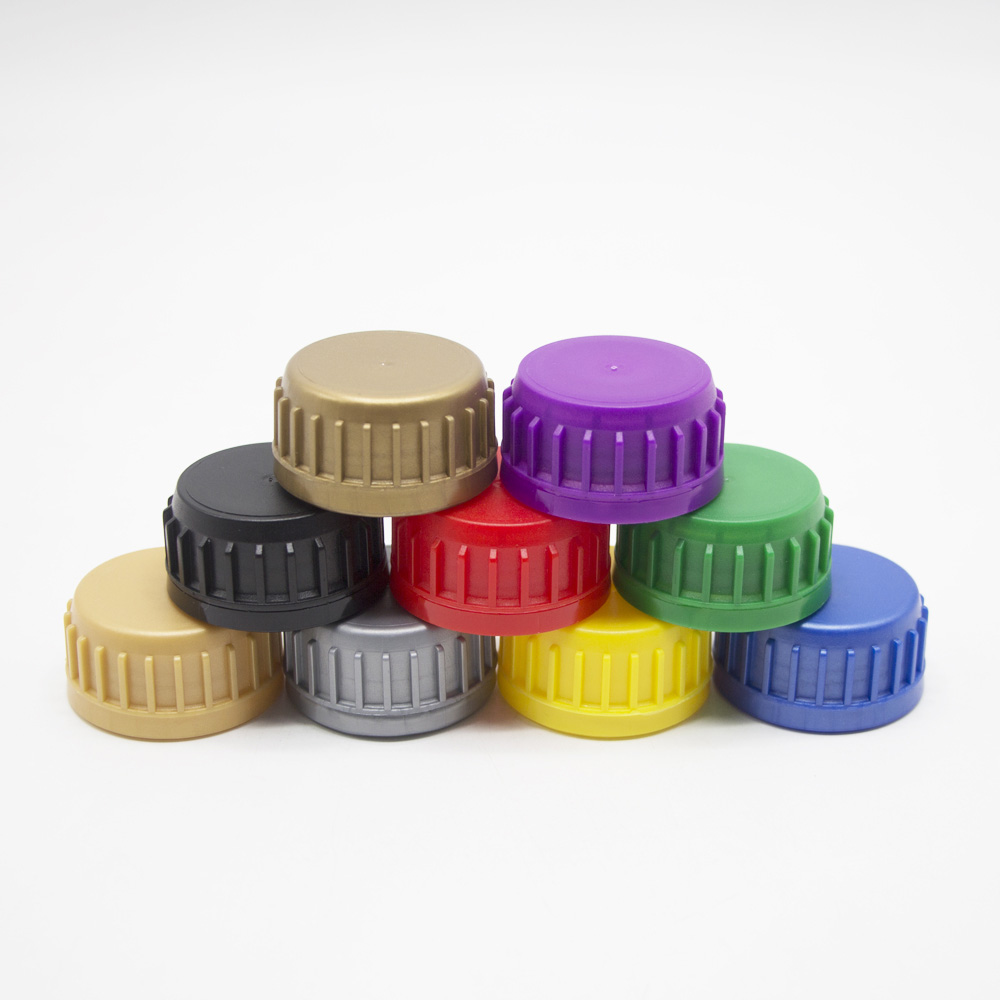
Tapas de plastico are widely used in lubricant and engine oil packaging for practical, economic, and functional reasons.
First, plastic caps offer excellent chemical resistance. Modern lubricants and engine oils often contain additives such as detergents, anti-wear agents, and corrosion inhibitors. Properly selected plastic materials can withstand long-term contact with these substances without deformation or degradation.
Second, plastic caps are lightweight and cost-efficient. Compared with metal closures, plastic caps reduce overall packaging weight, transportation costs, and handling risks. For high-volume lubricant brands, this translates into significant long-term savings.
Third, plastic caps allow for high design flexibility. Features such as tamper-evident rings, anti-drip spouts, child-resistant designs, and custom branding can be integrated directly into the cap structure. reminder or promotional inserts can also be incorporated.
Finally, plastic caps are compatible with high-speed automated filling lines. Consistent molding accuracy and torque performance help ensure smooth capping, reduced downtime, and fewer quality issues during mass production.
Key Material Requirements for Lubricant and Engine Oil Plastic Caps
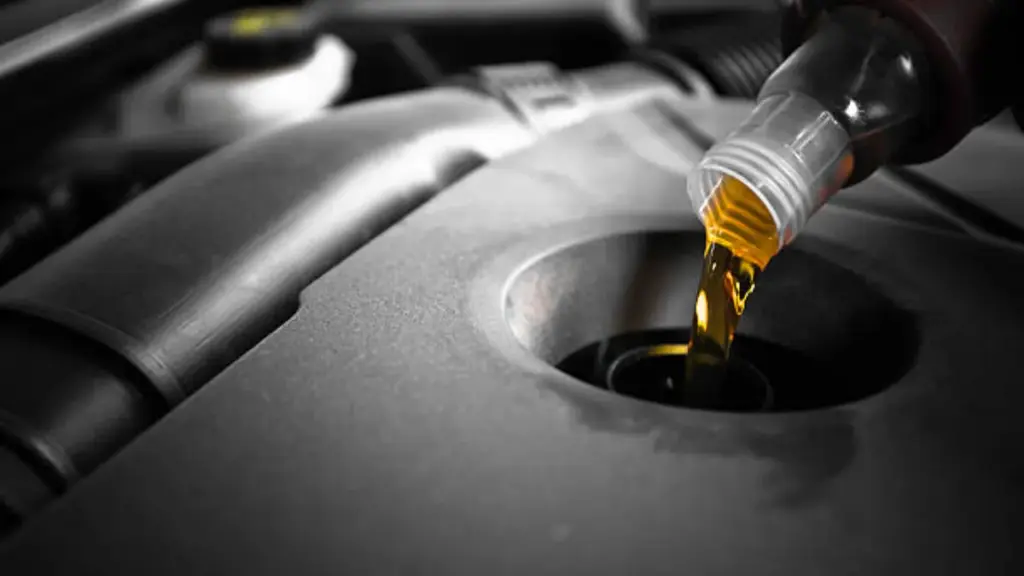
Before talking about cap types or manufacturers, it is essential to understand the material requirements that lubricant and engine oil caps must meet.
Common Materials Used
- PEAD (Polietileno de alta densidad): Excellent chemical resistance and toughness; widely used for lubricant caps
- PÁGINAS (polipropileno): Good stiffness and heat resistance; often used for flip-top or functional caps
| Material Property | Polietileno de alta densidad (PEAD) | polipropileno (PÁGINAS) |
|---|---|---|
| Chemical Resistance | Excellent resistance to petroleum, greases, aceites, and most acids. Ideal for direct contact with lubricants. | Strong resistance to a wide range of chemicals and solvents, though compatibility testing is recommended for specific additives. |
| Temperature Tolerance | Effective service temperature up to 120°C (248°F), making it suitable for hot engine compartment environments. | Higher melting point than HDPE, offering superior performance in high-heat applications, but can become brittle at low temperatures. |
| Mechanical Strength | High strength-to-density ratio provides excellent impact resistance and rigidity for secure closure mechanisms. | Stiff and durable, ideal for caps requiring structural integrity, such as those with living hinges or complex designs. |
Chemical Compatibility
Plastic caps must resist long-term exposure to mineral oils, synthetic oils, and various additive packages. Materials that absorb oil or react chemically can swell, crack, or lose sealing performance over time.
Temperature Resistance
Lubricants may be stored or transported in environments with significant temperature variation. Caps must maintain structural stability and sealing performance under both high and low temperatures.
Mechanical Strength
Caps need enough rigidity to withstand torque during application and removal, as well as stacking pressure during transportation. Brittle or inconsistent materials increase the risk of cracking or thread failure.
Sealing Performance
Material selection directly affects liner compatibility and sealing reliability. A cap material that deforms too easily may lead to uneven compression and leakage.
Common Types of Plastic Caps Used for Lubricant and Engine Oil Bottles
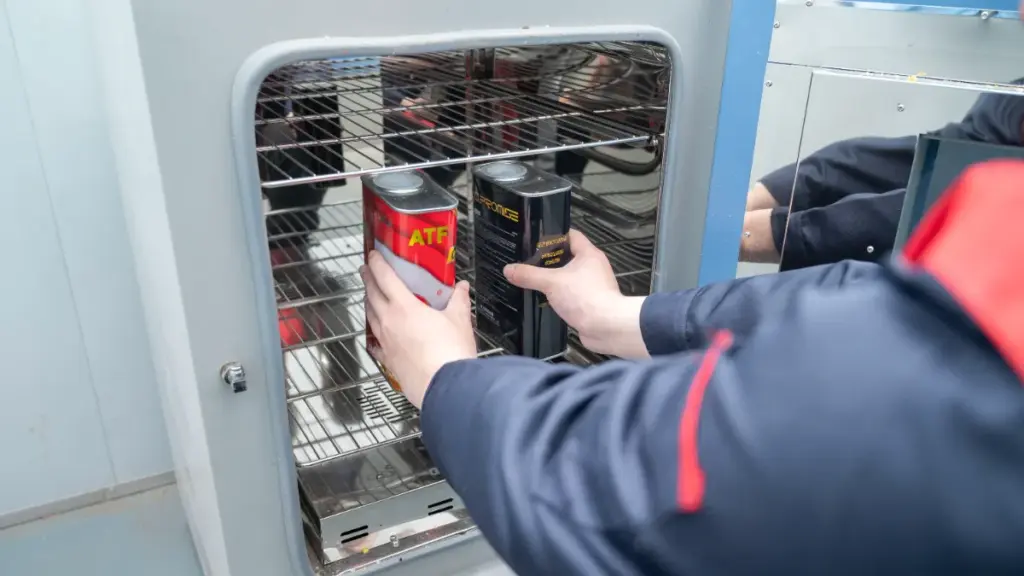
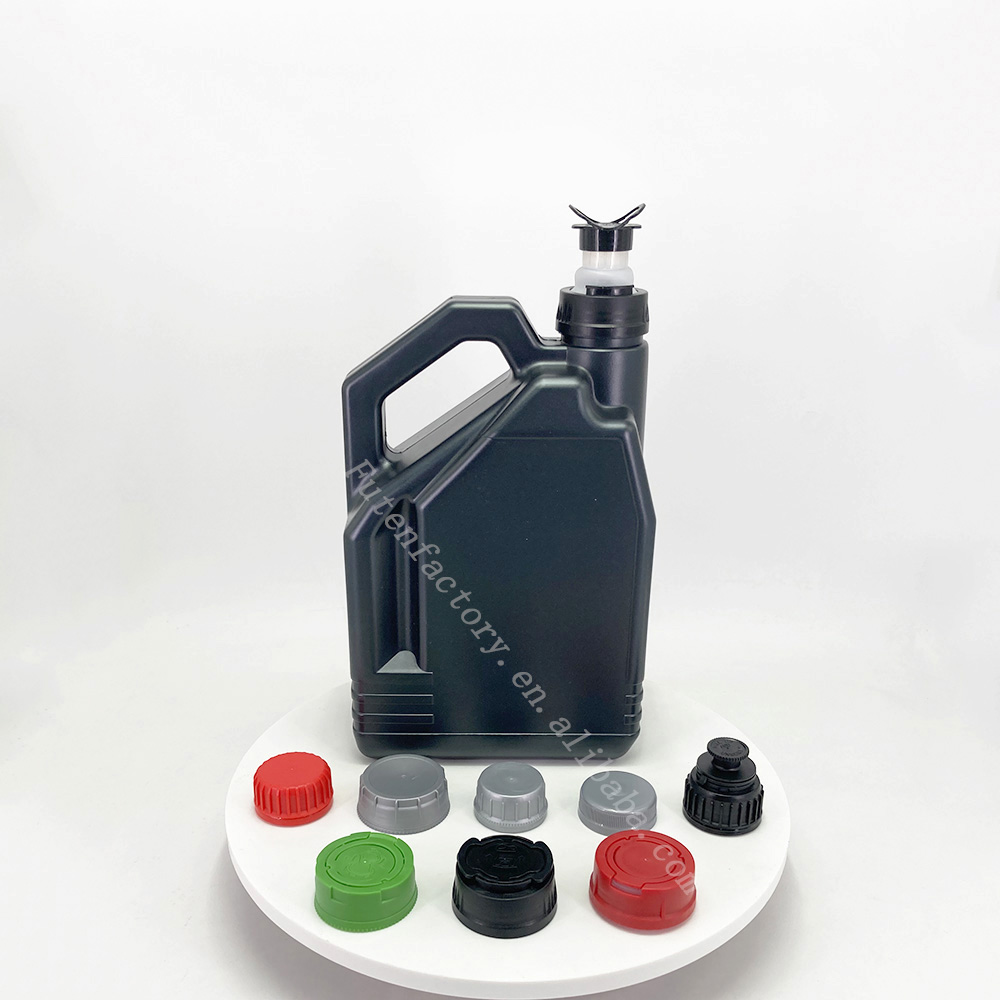
Based on the material requirements discussed above, different types of plastic caps are used in lubricant and engine oil packaging. Each cap type serves specific functional needs depending on container size, dispensing method, and end-use scenario.
Tornillo de tornillo
Screw caps are the most commonly used closures for lubricant and engine oil bottles. They are typically designed to match standard neck finishes such as 28 milímetros, 38 milímetros, or larger diameters for jerry cans. Their main advantages include simple structure, low cost, and excellent compatibility with automated filling lines. When paired with appropriate liners, screw caps provide stable sealing performance. They are widely used for automotive engine oil bottles, industrial lubricant containers, and bulk packaging where reliability and efficiency are priorities.
Tapas a prueba de manipulaciones
Tamper-evident caps feature a breakable ring or band that separates from the cap upon first opening. Commonly available in sizes like 28 milímetros, 38 milímetros, and customized diameters, they are designed to fit standard lubricant bottle necks. Their key characteristic is providing visible proof of first opening, helping prevent product tampering and unauthorized refilling. These caps are especially important for retail engine oil products and branded lubricants sold through consumer channels, where safety, trust, and brand protection are critical.
Spout Caps and Pouring Caps
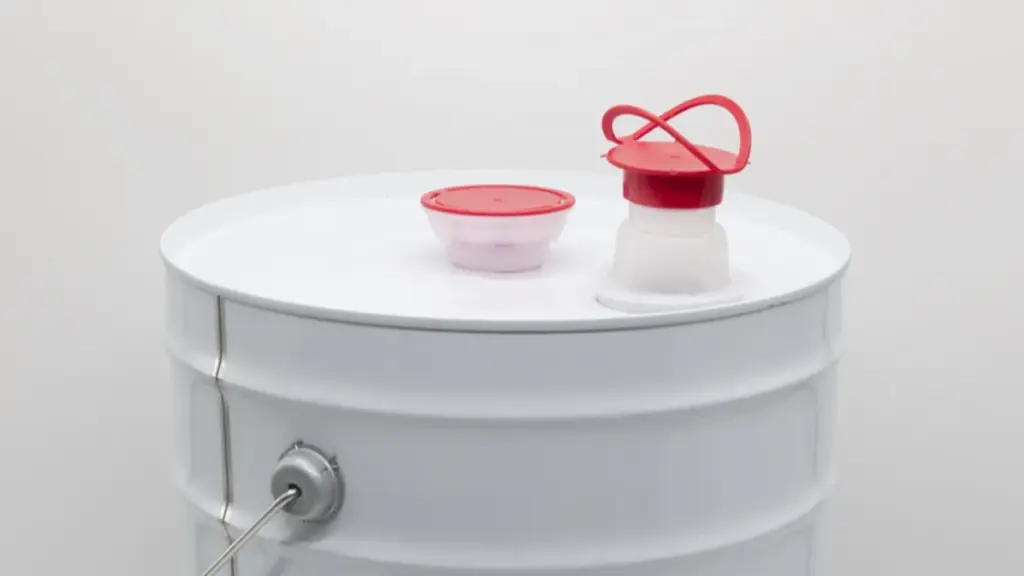
Spout caps and pouring caps are designed to control liquid flow and minimize spills during use. They are often integrated with inner spouts or pull-out nozzles and are commonly used with medium to large neck sizes such as 38 milímetros, 45 milímetros, or custom finishes. Their main advantage is improved user experience, allowing precise and clean pouring of viscous oils. These caps are widely applied in automotive engine oil packaging, industrial lubricants, and maintenance products that require controlled dispensing.
Flip-Top and Functional Caps
Flip-top and functional caps are closures that allow one-handed opening and closing through a hinged or press-to-open mechanism. They are usually produced in smaller sizes and used with bottles designed for controlled, repeated dispensing. These caps emphasize convenience and usability but require higher molding precision and consistent hinge performance. They are typically used for specialty lubricants, additives, or maintenance oils where ease of use and controlled dosing are more important than high-volume pouring.
Tapas a prueba de niños
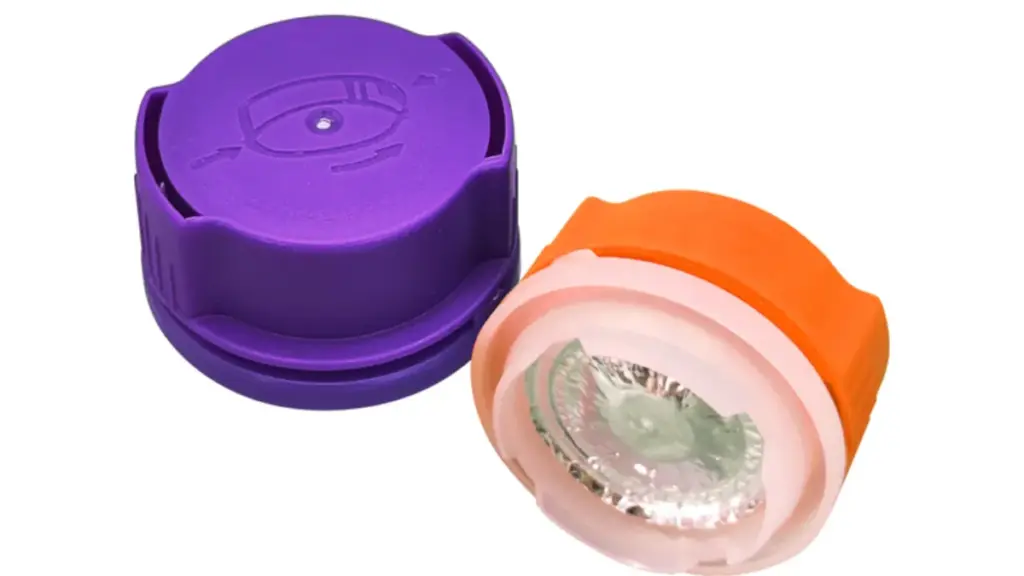
Child-resistant caps are specially engineered closures that require coordinated actions, such as push-and-turn, to open. They are available in selected sizes depending on regulatory and application requirements. The key feature of these caps is enhanced safety, preventing accidental access by children. While not universally required for lubricants, they are used in specific markets or products containing hazardous additives. These caps are commonly found in regions with stricter safety regulations or in industrial and chemical-related lubricant products.
Your Partner for Zero-Leakage Industrial Closures
Key Considerations When Choosing a Plastic Cap Manufacturer
Selecting the right plastic cap manufacturer requires a disciplined evaluation of their sealing technology, material expertise, production efficiency, and quality control systems to prevent costly failures in the field.
Choosing a supplier for lubricant and engine oil caps goes far beyond a simple price comparison. The decision directly impacts product integrity, seguridad, and brand reputation. A plastic cap manufacturer‘s technical capabilities determine whether your product remains secure from the factory to the end-user. This involves a detailed look at their processes, from raw material sourcing to final quality assurance.
Evaluating Sealing Integrity and Material Performance
The primary function of a cap is to create a perfect seal. You need to assess a manufacturer’s ability to produce airtight closures that prevent oil contamination and leakage. This starts with material science. Verify their expertise with High-Density Polyethylene (PEAD) and Polypropylene (PÁGINAS), which offer the required chemical resistance against aggressive lubricants. The manufacturer must also demonstrate robust sealing mechanisms, such as precision-threaded screw-on caps or designs with integrated gaskets that maintain integrity even in high-vibration and fluctuating temperature environments, like an engine compartment.
Assessing Design Customization and Branding Capabilities
A capable manufacturing partner provides more than just a functional closure; they offer a component that enhances your brand. Evaluate their flexibility in producing custom shapes, tamaños, and brand-specific colors that align with your packaging. The best suppliers have advanced capabilities for embedding high-resolution logos or graphics directly into the cap, creating a durable and premium finish. Don’t overlook functional design elements like non-slip textures for better grip or rounded edges that improve user safety during handling.
Analyzing Production Efficiency and Cost Structure
Cost is always a factor, but a low per-unit price can hide long-term expenses. Analyze the manufacturer’s production efficiency. Their use of high-volume moldeo por inyección should translate into a cost-effective solution. Also consider the benefits of lightweight cap designs, which reduce shipping costs and contribute to a lower total cost of ownership. The goal is to find a partner who delivers a durable, reliable product at a competitive price, not just the cheapest option that may fail under real-world conditions.
Verifying Tamper-Evident and Security Features
For lubricant and engine oil products, tamper-evident features are non-negotiable. They protect product integrity and assure the end-user of authenticity. Confirm the manufacturer’s capability to integrate features like tear-off strips or induction seals. These mechanisms must provide clear and irreversible evidence of tampering. A supplier that treats these security features as an afterthought is a significant risk to your brand.
Confirming Sustainability and Environmental Compliance
In 2026, sustainability is a core business requirement, not a bonus. A forward-thinking manufacturer should use recyclable materials like HDPE and PP. Audit their manufacturing processes for energy efficiency and reduced emissions. Choosing a supplier committed to sustainable practices not only aligns with corporate responsibility goals but also resonates with a market that increasingly values environmental stewardship.
Common Mistakes When Choosing a Plastic Cap Manufacturer for Lubricant Products
Selecting a cap supplier based on cost alone often leads to critical oversights in material compatibility, sealing performance, and production efficiency that can compromise the final product.
Choosing the right manufacturing partner is about more than just securing the lowest price per unit. Many companies make preventable errors during the selection process that result in product leaks, brand damage, and unexpected costs. These mistakes typically fall into three categories: technical performance, brand customization, and operational efficiency.
Ignoring Material Performance and Sealing Integrity
A primary failure is not verifying the cap material’s chemical resistance against a specific lubricant formulation. While materials like polyethylene (educación física) and polypropylene (PÁGINAS) are industry standards, their performance can vary with different oil and additive compositions. This oversight can lead to cap degradation, leakage, or product contamination over the product’s shelf life. Equally important is the sealing mechanism. Opting for a cheaper cap without an effective built-in gasket or a robust thread design can create micro-gaps, causing slow leaks during shipping and storage. You must also specify security requirements, as neglecting to include tamper-evident features like tear-off strips or induction seals compromises product integrity and consumer trust.
Underestimating the Value of Design Customization
Settling for a supplier with a limited catalog of generic caps is a missed branding opportunity. Customization allows for specific color matching and embedded logos, which are critical for brand differentiation on a crowded shelf. Beyond aesthetics, functional design is key. Many buyers disregard the importance of ergonomic features like textured, non-slip grips that improve user safety and handling. A capable manufacturer should also have the tooling expertise to produce caps for unique container shapes and sizes, ensuring a perfect fit for any packaging design, not just standard bottles.
Disregarding Production Efficiency and Sustainability
The physical properties and manufacturing process of a cap have direct financial and environmental consequences. Buyers often fail to analyze how cap weight impacts shipping costs and the overall carbon footprint of their supply chain. Sourcing caps made from recyclable and reusable plastics is no longer optional; it’s a core expectation in the market. Finally, overlooking the manufacturer’s production technology is a mistake. Efficient processes like high-cavity injection molding deliver significant cost advantages and consistency for high-volume orders, an economic benefit that low-tech suppliers cannot match.
Conclusion
Choosing the right plastic cap manufacturer is a critical decision that directly impacts your product’s integrity and your brand’s reputation. A reliable partner brings expertise in material science, quality assurance, and mold engineering to the table. This ensures every cap provides a secure seal, prevents leaks, and meets performance standards.
Use these guidelines to evaluate your current suppliers or to build a shortlist for your next project. If you need a partner with documented expertise in lubricant packaging, our team is ready to discuss your specific requirements.
Frequently Asked Questions
What material is best for plastic caps used with engine oil?
HDPE and PP are commonly used due to their strong chemical resistance, durabilidad, and stability when exposed to engine oil and additives.
How can I tell if a plastic cap will leak during transportation?
Leak performance should be verified through torque testing, inverted storage tests, and compatibility testing using the actual lubricant formulation.
Do lubricant and engine oil bottles need tamper-evident caps?
Tamper-evident caps are strongly recommended for retail products, as they protect brand integrity and provide visible proof of first opening.
What should I check before choosing a plastic cap supplier?
Key checks include thread accuracy, sealing solutions, testing capability, certifications, sample evaluation, and long-term supply stability.