Choosing the wrong plastic screw caps can do more than cause a minor leak; it can lead to catastrophic product contamination, failed UN shipping certifications, and costly operational downtime. While a 1L jerry can seems like a standard container, the neck finish specifications vary significantly between cap manufacturers. This turns what should be a simple sourcing task into a major engineering challenge where a mismatched cap can compromise your entire production line.
This guide provides a standard operating procedure for matching caps to 1L jerry cans. We will walk through the correct method for measuring a container’s neck finish, explain critical thread standards, and show how features like liner materials and cap height affect seal integrity. Use this technical reference to prevent common fitment problems, confirm compatibility with suppliers, and ensure your containers are sealed correctly every time.
Understanding Neck Finishes and Standard Cap Sizes for 1L Jerry Cans
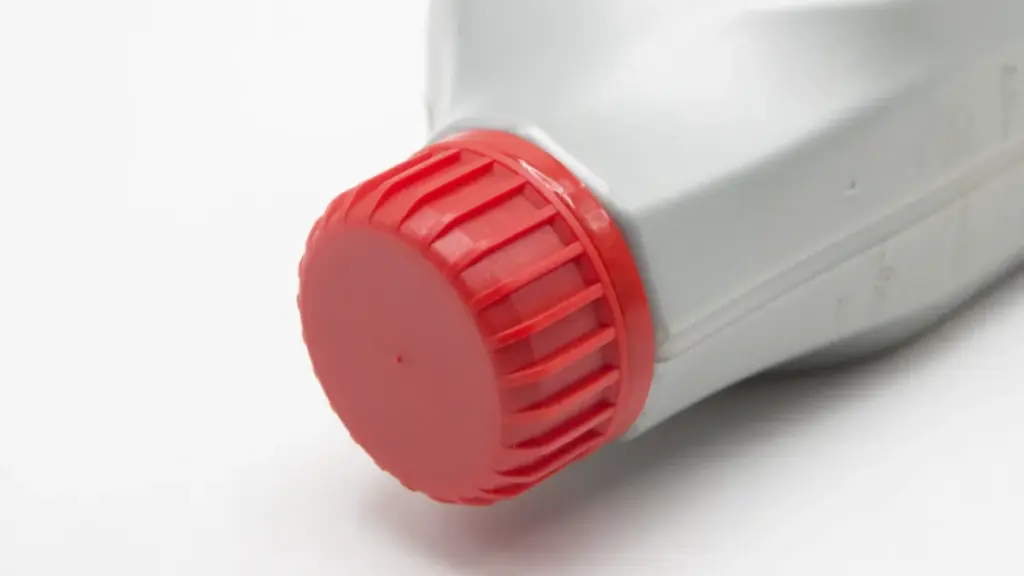
Successfully sealing a 1L jerry can depends entirely on matching the cap’s specifications to the container’s neck finish, a standardized system defined by five critical dimensions and a two-number code like 38/400.
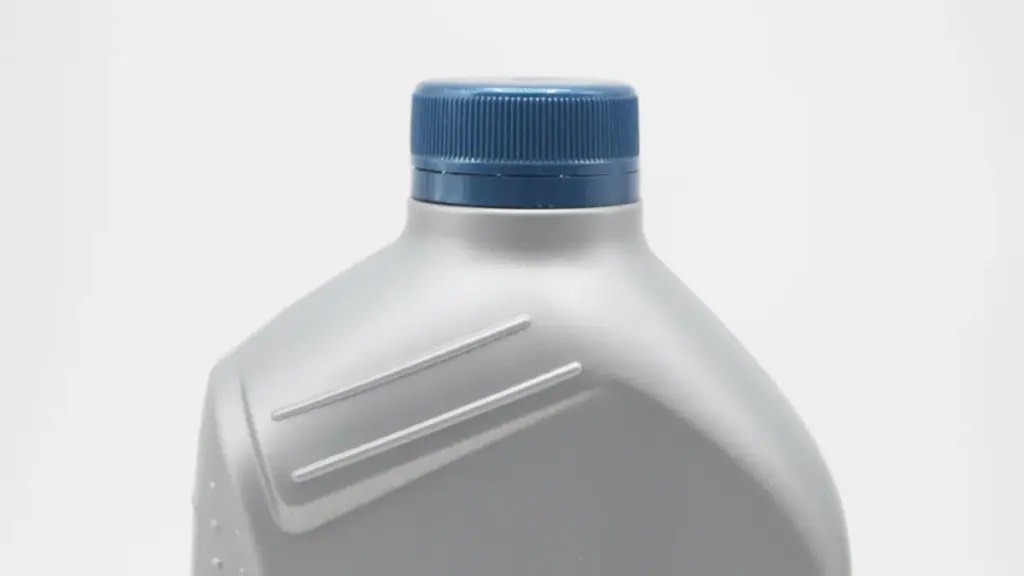
Neck finish refers to the threaded opening of the container where a cap is screwed on to form a seal. Getting this wrong leads to leaks, product contamination, and operational failures. For 1L jerry cans, the industry typically standardizes around 38mm and 42mm neck finishes.
Defining the 5 Key Neck Finish Dimensions
- T-Dimension: The outside diameter of the threads, measured in millimeters. This is the most common measurement used for initial size identification.
- E-Dimension: The outside diameter of the neck itself, excluding the threads.
- I-Dimension: The inner diameter of the neck. This measurement is critical for ensuring automated filling tubes have proper clearance without causing spills.
- S-Dimension: Measures the distance from the top sealing surface of the finish down to the top of the first thread. It dictates how far the cap threads onto the neck.
- H-Dimension: The total height of the neck finish, from the top sealing surface down to the point where the neck meets the can’s shoulder.
| Dimension Code | Measurement Name | Technical Purpose |
|---|---|---|
| T | Outer Thread Diameter | Defines the primary neck size (जैसे, 38मिमी). Must match the cap’s nominal size. |
| I | Inner Neck Diameter | Ensures clearance for filling tubes and dispensing equipment without obstruction. |
| H | Total Neck Height | Prevents the cap skirt from bottoming out on the container shoulder before a seal is made. |
| S | Top of Finish to First Thread | Determines the thread engagement between the cap and container for a secure lock. |
In practice, neck finishes are identified using a two-number code, like 38/400 or 42/410. The first number is the T-Dimension (the thread’s outer diameter) in millimeters. The second number specifies the thread style, indicating the number of thread turns and overall profile. ए “400” finish, for example, typically represents one full turn of the thread.
How to Measure a 1L Jerry Can Neck Finish Correctly
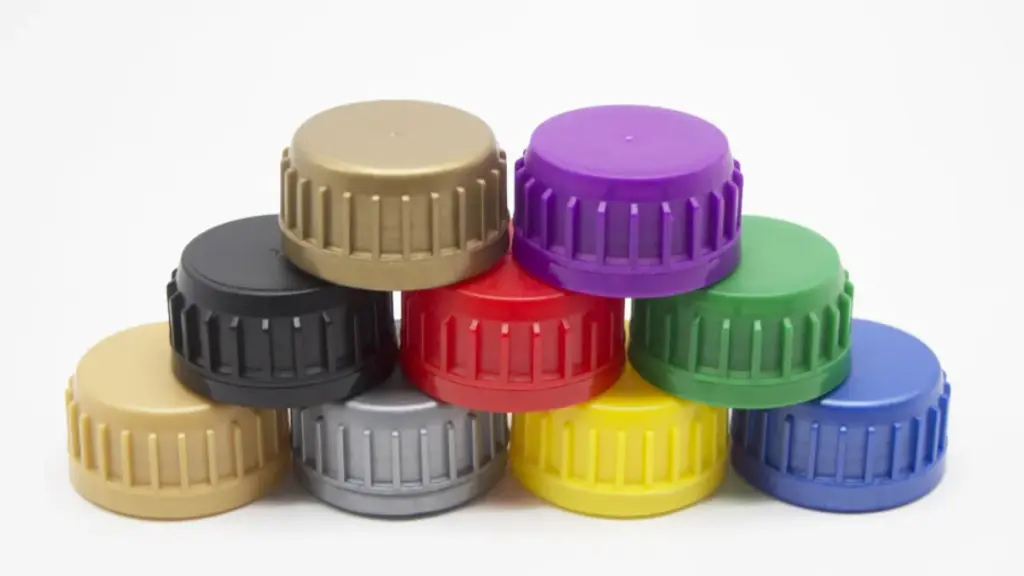
Accurate neck finish measurement goes beyond simple diameter; it requires capturing the T, I, H, and S dimensions to guarantee a functional, leak-proof seal with the corresponding cap.
Mistakes in measuring a jerry can’s neck finish lead directly to sourcing the wrong screw caps, causing leaks, product loss, and operational delays. A correct measurement isn’t just about finding the diameter; it’s a technical process of capturing several key dimensions that dictate how a screw cap will seat, seal, and perform under real-world conditions.
Gathering Essential Measurement Tools
Before you begin, thoroughly clean the neck finish, removing any product residue or debris that could skew the measurements.
Measuring the ‘T’ Dimension (Outer Thread Diameter)
The ‘T’ dimension is the first and most critical measurement. Position the caliper jaws on the outermost edges of the threads, spanning the widest point of the neck’s diameter. Record this measurement in millimeters. This number is the primary neck size and corresponds to the first number in a standard neck finish code, such as 38mm or 42mm for typical 1L jerry cans.
Evaluating Secondary Dimensions for Fit (I, H, S)
While the ‘T’ dimension identifies the basic size, the secondary dimensions determine the functional fit. A cap with the right diameter but wrong height or thread engagement will fail. These measurements ensure the cap not only fits but also seals correctly and works with your filling equipment.
Matching the Measurement to a Standard Plastic Screw Cap Size
With the measurements recorded, you can define the complete neck finish. Combine the ‘T’ dimension with the thread style (जैसे, 400, 410), which is determined by counting the thread turns. For example, a 38mm ‘T’ dimension with 1.5 thread turns results in a ’38/410′ neck finish. When sourcing closures, select a screw cap where both the diameter and thread style numbers exactly match your container’s specifications. This is the only way to guarantee a secure, reliable seal.
Eliminate Leakage Risk with Precision Caps
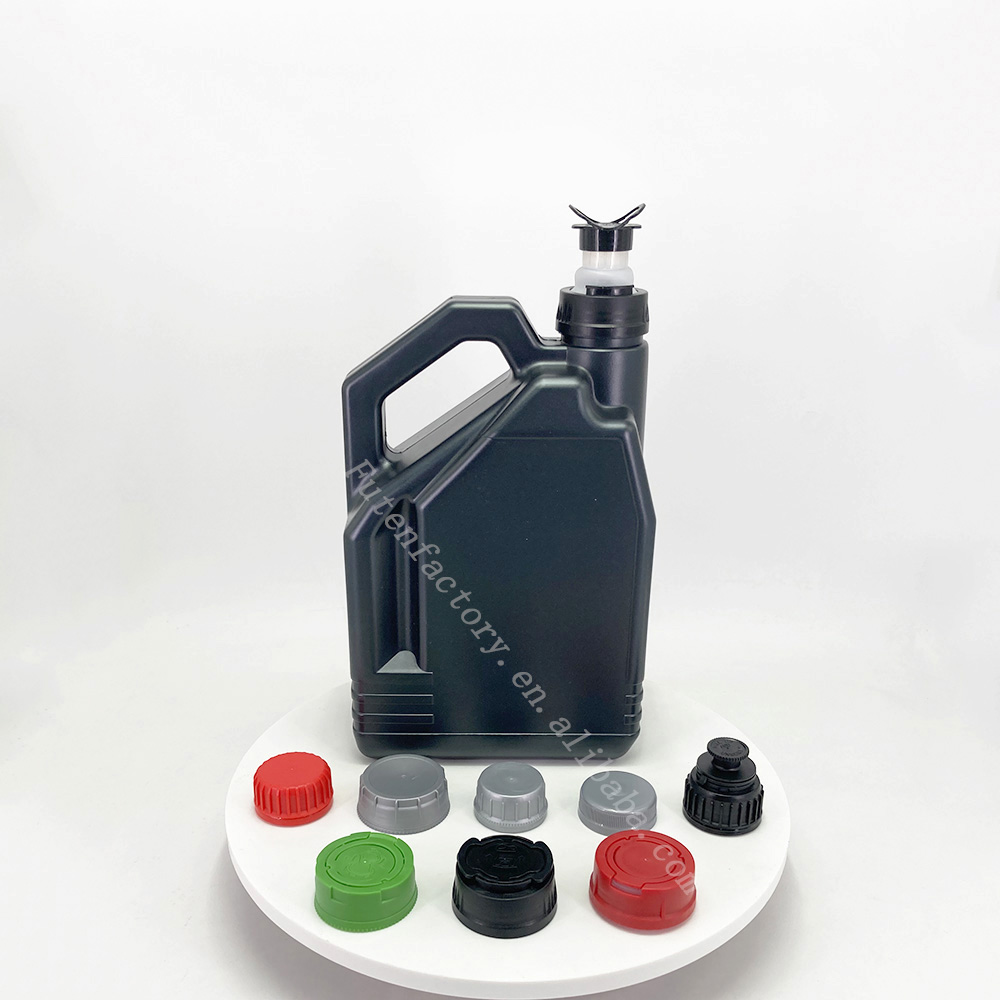
How to Avoid Common Fit Problems (Like Cross-Threading)
Most fitment failures, including cross-threading and poor seals, originate from a mismatch between the container’s neck finish code and the cap’s specifications.
Cross-threading happens when a cap’s threads fail to align with the container’s threads, causing it to screw on at an angle and potentially stripping the plastic. This permanently damages the seal and renders the components useless. Preventing this requires strict adherence to technical specifications before a single cap is applied.
Confirm Neck Finish Codes Before Pairing
Every container neck and cap follows a standard finish code, usually two numbers like 38-410. The first number, the ‘T’ Dimension, is the outside diameter of the threads in millimeters. The second number defines the thread style and the number of turns. For a secure, leak-proof fit, the neck finish code on the jerry can must be identical to the code on the cap. Any deviation will lead to fitment problems.
Measure Key Dimensions for Verification
While codes are reliable, physical measurement provides final verification. Use calipers to measure the container’s outer thread diameter to confirm the ‘T’ Dimension; standard 1L jerry cans typically use 38mm or 42mm. Also check the ‘S’ Dimension—the distance from the top of the neck to the first thread—as it dictates how the threads engage. Finally, ensure the ‘I’ Dimension, or inner diameter, is wide enough for your filling equipment nozzles to prevent production bottlenecks.
Select Plastic Closures with Matching Specifications
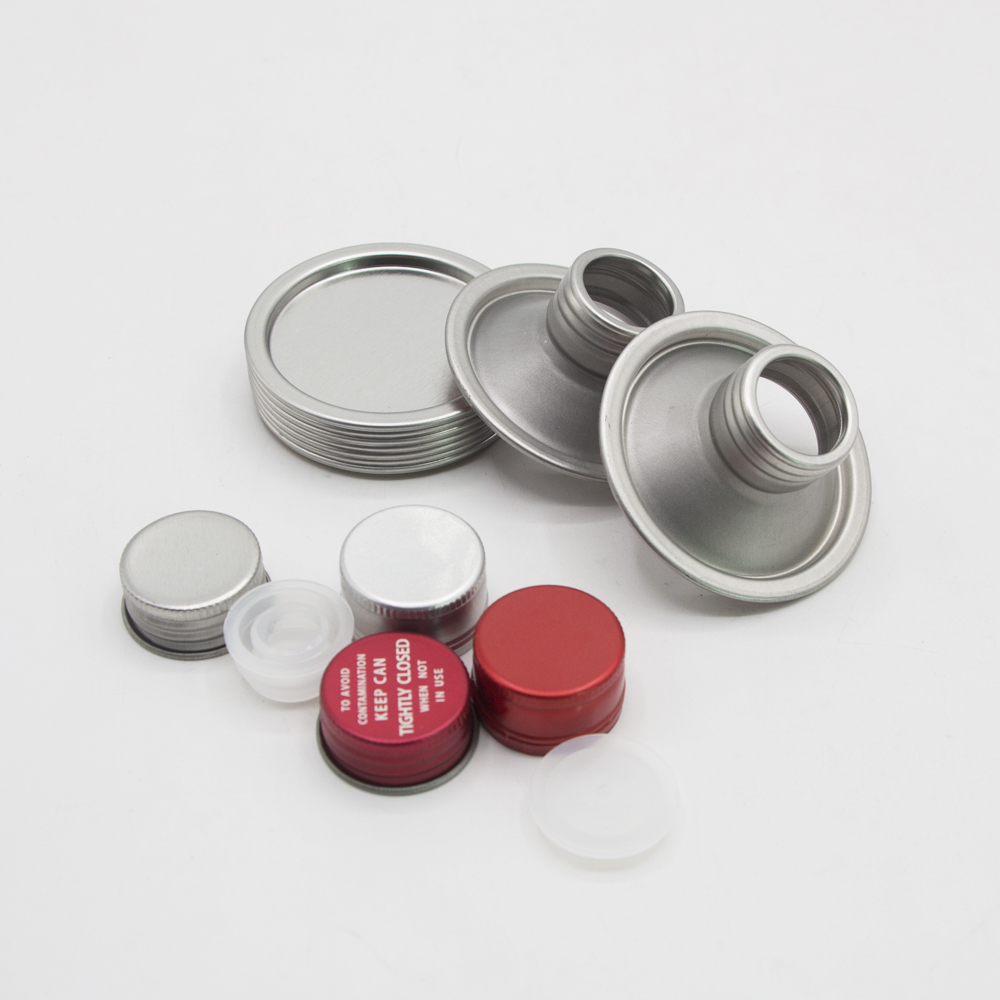
Compatibility is not flexible. ए 38/400 cap will only fit a 38/400 bottle neck, and attempting to force a fit will cause failures. Correctly matching standard neck finishes like 38mm or 42mm ensures a precise seal and allows you to source a wide range of compatible closures. This includes standard industrial caps, tamper-evident closures, dosing caps, and pourer spouts, all without risking leaks or product contamination.
The Final Check: Working with Suppliers to Confirm Compatibility
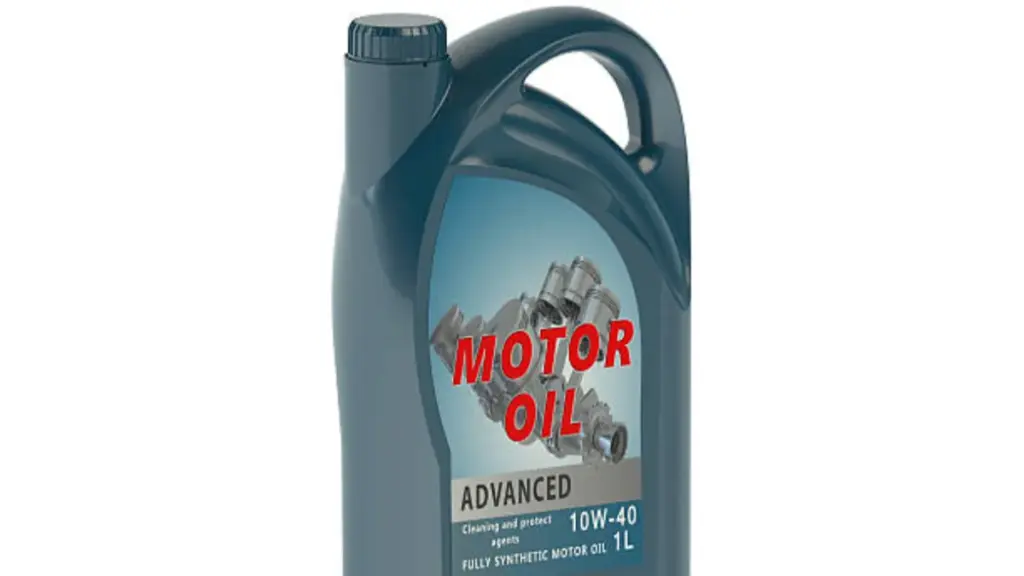
Assume nothing; you are responsible for validating that a supplier’s closure works with your container, as even components manufactured within specification can fail due to tolerance stacking.
Before committing to a production run, you must verify that a supplier’s closures are compatible with your jerry cans. An incorrect match leads to leaks, product spoilage, and operational failures. This final check prevents costly errors by confirming every technical detail aligns with your container’s design and your product’s chemical properties.
Providing Critical Neck Finish Dimensions
Your supplier needs precise dimensional data to confirm a fit. Provide them with the complete neck finish drawings or, at a minimum, the key measurements. Start with the ‘T’ dimension, the outer thread diameter, which is typically 38mm or 42mm for 1L jerry cans. Also specify the ‘I’ dimension (inner neck diameter) to ensure your filling equipment has proper clearance, and the ‘H’ dimension (neck finish height) to guarantee the cap engages correctly with the container’s shoulder for a tight seal.
Confirming Thread Style for Secure Sealing
A matching diameter is not enough. You must also confirm the thread style. Provide the supplier with the complete neck finish code, like “38/400,” where the second number defines the thread turns and pitch. A cap with a 38/400 thread will not seal correctly on a 38/415 neck, even though the diameter is the same. Ensure the supplier explicitly confirms their closure matches your specific thread style to prevent leaks and sealing failures.
Specifying Required Closure Types and Features
Clearly define the type of closure you need and request samples for testing. Whether you require standard industrial caps, dosing caps, or pourer spouts, physical samples are non-negotiable for validation. If you need dispensing capabilities, confirm the availability of compatible lotion pumps or sprayers. For regulated or sensitive products, verify that the proposed closures include the necessary tamper-evident features to meet compliance and ensure product integrity.
Conclusion
Correctly measuring the neck finish is the first step to finding a compatible cap for your 1L jerry can. This process ensures a secure seal, protects product integrity, and prevents costly procurement errors. Verifying all specifications upfront streamlines your sourcing and avoids production delays.
Use this guide to validate your current container specifications or to prepare for your next project. If you need to confirm a precise fit, contact our team to request technical drawings or physical samples.
Frequently Asked Questions
What size cap do I need for my 1L jerry can?
Standard 1L jerry cans typically use a 38mm or 42mm neck finish. It is essential to choose a cap that exactly matches your container’s specific neck measurement to ensure a proper seal.
How do I measure the neck of a 1L container for caps?
To find the correct cap size, measure the outside diameter of the container’s threads in millimeters. This measurement is the “T” Dimension, which is the first number in a neck finish specification (जैसे, 38 in a 38/400 finish).
Can I use a 28 mm cap on my 1L can?
It is highly unlikely. Standard 1L jerry cans use larger 38mm or 42mm neck finishes. A 28mm cap would be too small to fit. A cap’s diameter must exactly match the container’s neck finish diameter.
Why do my 1L caps cross-thread or not seal?
Cross-threading or poor sealing occurs when the cap and neck finish are mismatched. This can be a mismatch in diameter (जैसे, 38मिमी) or, more commonly, the thread style (जैसे, using a 400-style cap on a 410-style neck). Both the diameter and thread style must match perfectly for proper thread engagement.
Do all 1L jerry cans use the same neck size?
No. While 38mm and 42mm are common industry standards for 1L jerry cans, neck sizes can vary between manufacturers. You should always verify the specific neck finish of your container instead of assuming a universal size.
Should I ask my supplier for neck finish drawings?
हाँ, this is the most reliable way to guarantee compatibility. A technical drawing will specify all critical neck dimensions, such as the “T” (diameter), “S” (thread start), और “H” (height), which eliminates guesswork and prevents costly sealing failures.