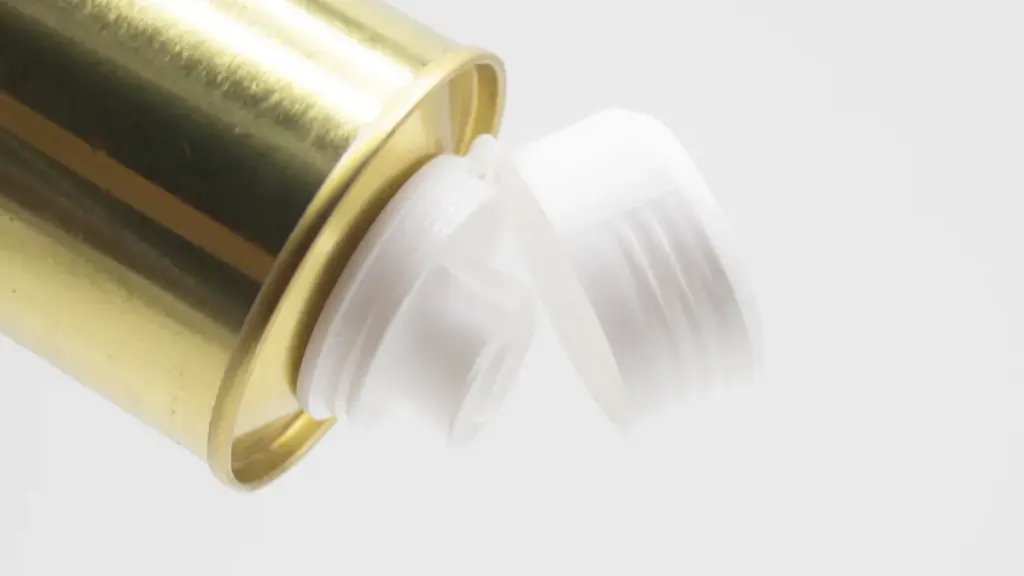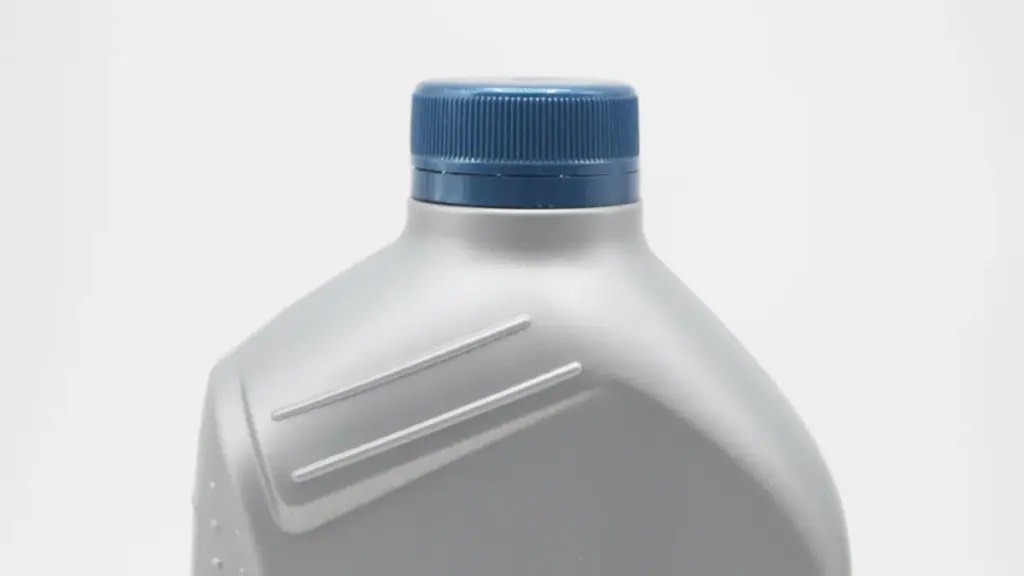
Knowing how to choose a plastic screw cap manufacturer is the critical engineering decision that stands between a secure chemical seal and a costly product recall. For lubricant and chemical packaging, a cap that fails is not just a defective part; it is a point of failure for your entire containment system. Chemical incompatibility can lead to material degradation and leaks, while an improper seal compromises product integrity and creates serious safety hazards during transport and storage.
This guide provides a standard operating procedure for evaluating potential suppliers. We will cover the essential technical capabilities a manufacturer must offer, from injection molding precision to liner material expertise. You will learn how to correctly match cap materials and neck finishes with specific bottle chemistries, what to demand in quality control and leak testing protocols, and how to assess a partner’s supply chain reliability and project support services.
Why Screw Cap Choice Matters for Lubricant and Chemical Bottles
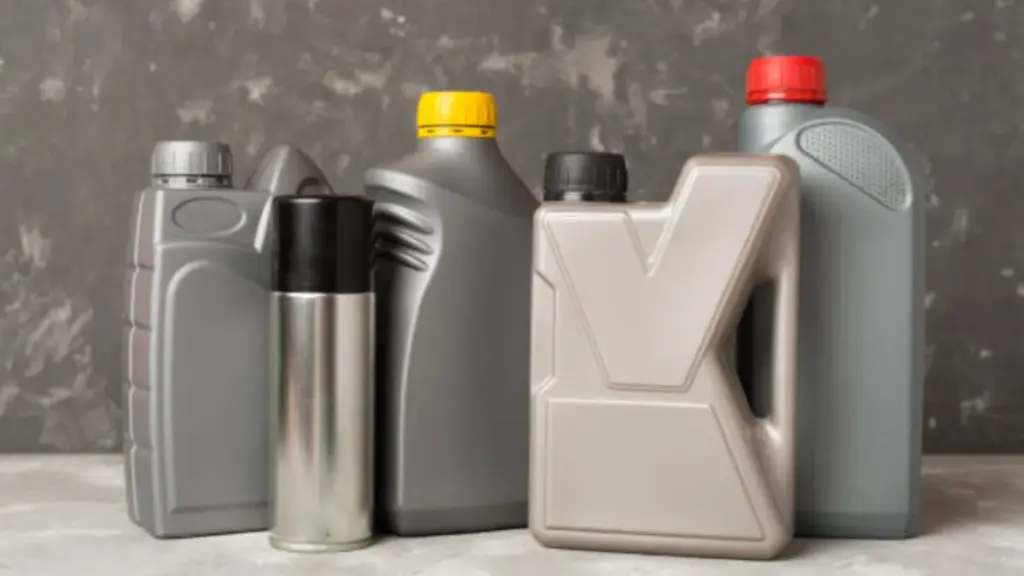
Selecting the right screw cap is not a commodity decision; it directly dictates product integrity, operational costs, and regulatory compliance for chemical and lubricant packaging.
Ensuring Product Integrity Through Material Compatibility
The primary function of a screw cap in industrial applications is to maintain a perfect seal and prevent chemical reactions between the container and its contents. Mismatched materials lead to liner degradation, product contamination, and costly leaks. Continuous thread caps are engineered to create an airtight seal, which is critical for preventing evaporation, oxidation, and moisture from compromising the product. The liner material is the first line of defense.
- Liner and Chemical Matching: Polyethylene (PE) liners are standard for acids and bases. Polypropylene (PP) liners provide the durability and heat tolerance needed for oils and corrosive chemicals. For hydrocarbons and solvents, metal-faced liners are effective, but they will fail if exposed to strong acids or alkalis.
- Dual-Function Seals: Foam or solid PE liners offer a practical solution, providing a reliable compression seal while maintaining broad chemical resistance against a variety of non-aggressive substances.
Improving Operational Efficiency and Reducing Costs
Cap selection has a direct impact on operational budgets and workflow. Choosing a durable cap material prevents premature cracking or thread wear, reducing the frequency of container replacement and minimizing waste. For industrial settings where containers are opened and closed often, lubricating the cap threads extends their service life and prevents seizure. Adopting standard cap sizes, like 32mm and 42mm, also streamlines procurement by ensuring interchangeability across different bottle types and simplifying inventory management.
Meeting Regulatory and Safety Mandates
In regulated industries, the cap is as important as the container itself for ensuring safety and compliance. Many chemical storage regulations mandate specific closure types to prevent accidental exposure and verify product authenticity. Using the wrong closure can result in non-compliance, safety hazards, and liability.
- Secure Closures: Child-resistant caps are non-negotiable for many regulated substances, preventing unauthorized access in both industrial and consumer environments.
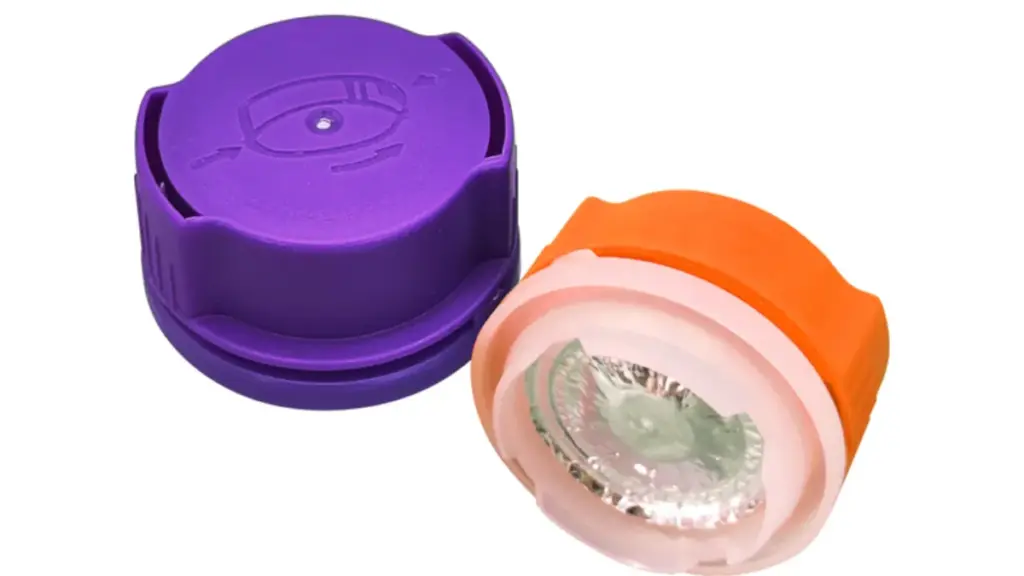
- Tamper Evidence: Pressure-sensitive (PS22) liners provide a simple peel-and-stick seal that shows clear evidence of tampering. For a more robust barrier, heat-induction liners (HS035) create a hermetic, factory-sealed barrier that enhances user confidence and product security.
Technical Capabilities a Screw Cap Manufacturer Must Offer
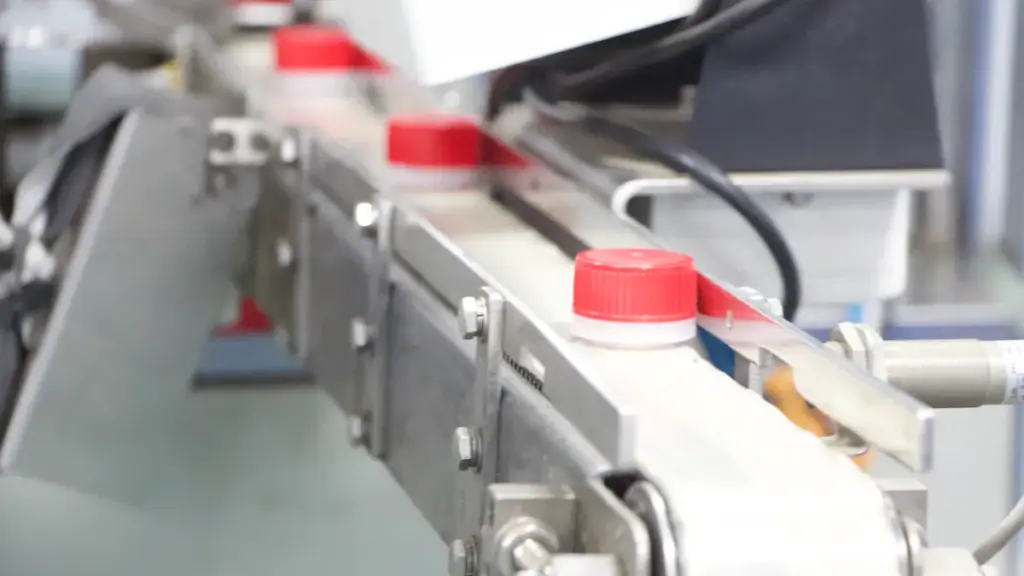
A qualified screw cap manufacturer must combine deep material science knowledge with precision thread engineering and advanced closure technologies to guarantee product integrity, security, and regulatory compliance.
A qualified plastic cap manufacturer should demonstrate more than basic injection molding capability. For lubricant and chemical packaging, technical depth and process control are essential.
Advanced Injection Molding Expertise
High-quality screw caps require precise control of melt flow, cooling rate, shrinkage compensation, and dimensional tolerance. Variations of even a few hundredths of a millimeter in thread profile can affect torque performance.
Look for manufacturers using modern injection molding machines (for example, high-precision servo-driven systems) and automated handling to reduce human error. Multi-cavity molds must maintain consistent cavity balance to ensure uniform wall thickness and thread geometry.
In-House Mold Design and Development
A manufacturer that relies entirely on outsourced molds limits your customization flexibility. In-house mold design teams can adjust thread pitch, tamper band structure, or liner compatibility more efficiently.
For chemical and lubricant bottles, common neck standards include 28/410, 38/400, and specialized oil bottle finishes. A capable manufacturer should be able to adapt or develop custom molds according to your bottle neck specification and torque requirements.
Liner and Sealing Solutions
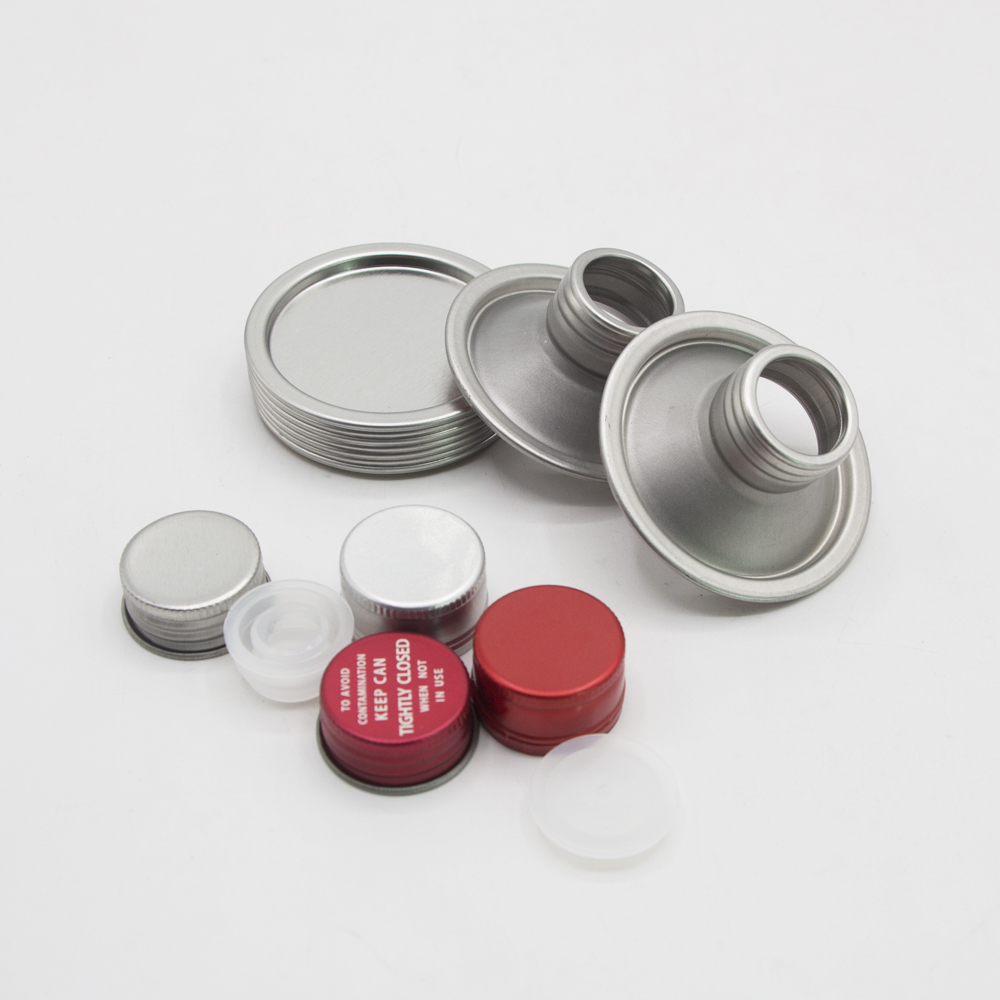
Many chemical applications require induction sealing liners, EPE foam liners, or pressure-sensitive liners to enhance leak resistance and provide tamper evidence. The cap supplier should understand liner material selection based on chemical exposure, temperature range, and shelf-life expectations.
Secondary Processes
Printing, embossing, hot stamping, and color masterbatch control are also important for brand identity. If your lubricant line requires anti-counterfeiting features or embossed logos, confirm that the manufacturer can integrate these processes without compromising dimensional accuracy.
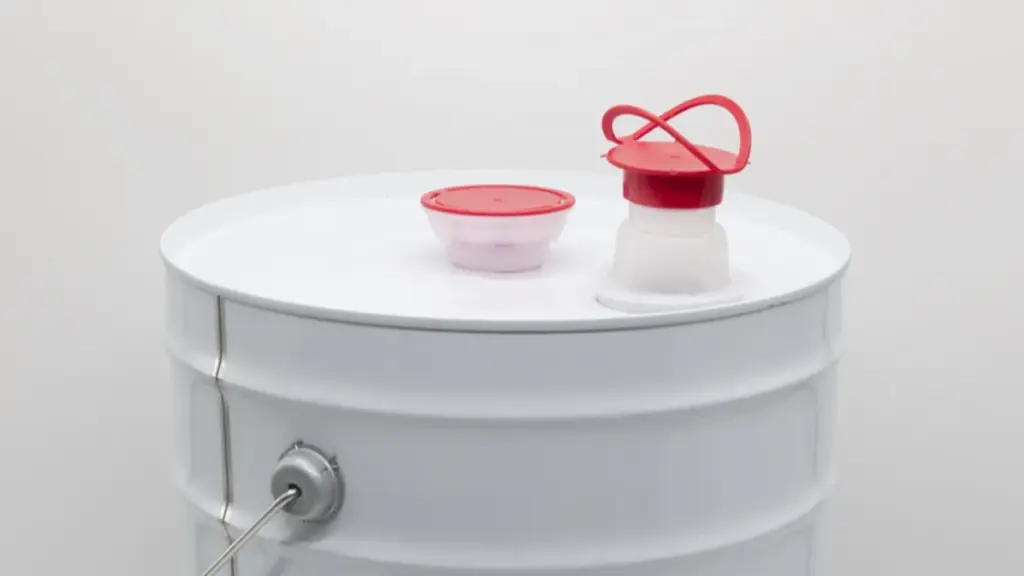
Eliminate Leakage with Precision-Engineered Plastic Screw Caps
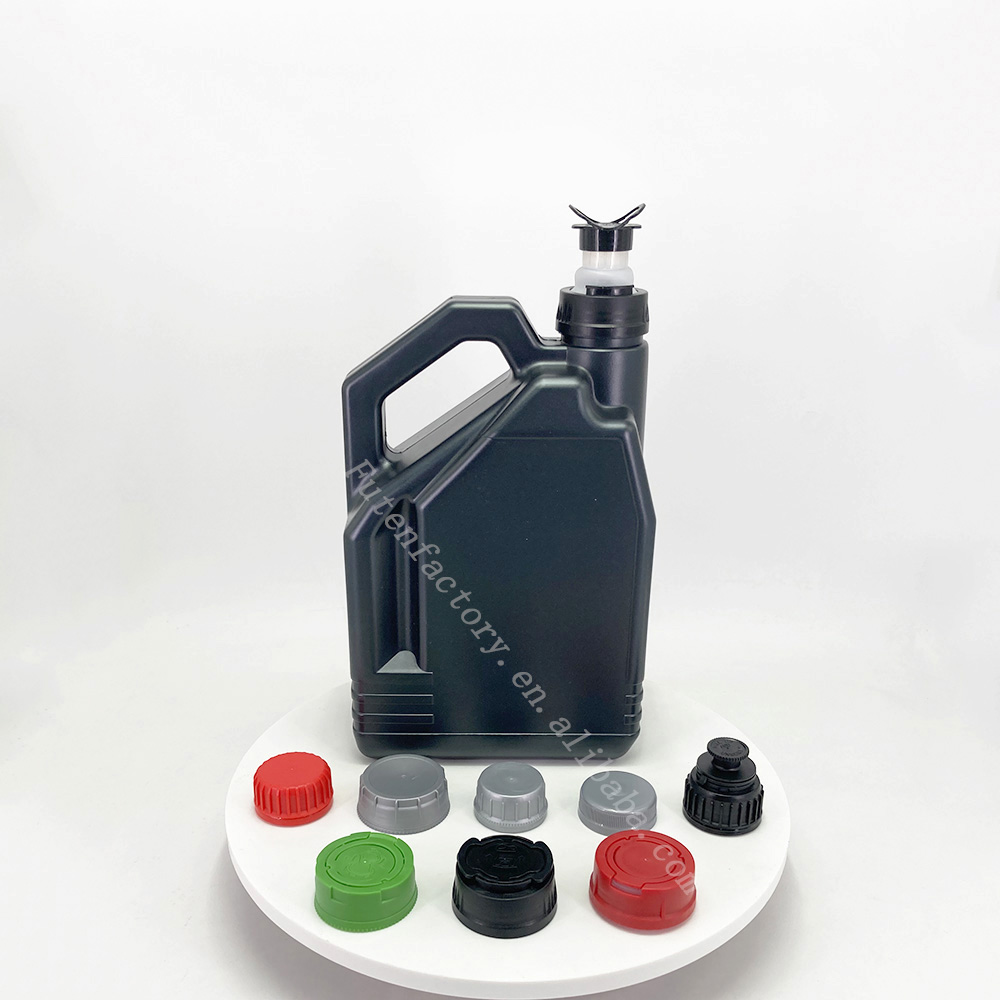
Matching Neck Finishes, Materials and Chemistries Correctly
Product integrity depends on a dual-lock system: the mechanical precision of the neck finish and the chemical compatibility of the cap and liner materials with the stored substance.
Assess Chemical Compatibility for Liner Material Selection
The liner is the primary barrier between the product and the closure, making material selection a critical first step. The chemical makeup of the stored substance dictates the correct liner. Polyethylene (PE) liners are effective for acids, bases, and alcohols. For oils and more aggressive corrosive chemicals, the superior heat tolerance and non-reactive properties of Polypropylene (PP) are required. Metal-faced foil liners (aluminum or tin) are specified for hydrocarbons and solvents but will fail when exposed to strong acids or alkalis. For applications needing FDA approval and low gas transmission, such as pharmaceuticals, rubber liners provide a reliable seal.
Select Liner Type Based on Sealing and Security Requirements
Beyond chemical resistance, the liner’s construction determines the type of seal and level of security. Foam or solid PE liners create a simple, effective compression seal that also provides chemical resistance. When tamper-evidence is a regulatory or commercial requirement, pressure-sensitive (PS22) liners are used; they adhere to the bottle rim and leave a residue or tear upon opening. For a completely airtight, hermetic seal that prevents leakage and verifies product integrity for the end-user, heat-induction liners (HS035) are bonded to the container using specialized equipment.
| Liner Material/Type | Primary Application | Key Performance Characteristic |
|---|---|---|
| PE/PP Liners | General chemical, oil, and non-solvent storage | Broad chemical resistance and heat tolerance (PP) |
| Metal-Faced Foil Liners | Hydrocarbons, solvents, petroleum products | Excellent barrier for non-corrosive organic compounds |
| Pressure-Sensitive (PS22) | Regulated chemical & pharmaceutical products | Provides clear visual tamper-evidence upon opening |
| Heat-Induction (HS035) | High-value chemicals, lubricants, consumer goods | Creates a hermetic, airtight seal that prevents leaks |
Specify Cap and Thread Design for Leak Prevention
A proper seal is impossible if the cap and bottle neck are mismatched. Continuous thread caps must exactly match the bottle’s neck finish designation (e.g., a 24/400 bottle requires a 24/400 cap). Any deviation compromises the seal. For enhanced safety or controlled access, specialized closures like child-resistant caps (CRC) or septa-equipped caps for sampling are integrated into the design. Standardizing on common neck diameters like 32mm or 42mm streamlines the supply chain, enabling bulk purchasing of caps and ensuring interchangeability across different container types.
Verify Material Durability for Operational Lifespan
The cap material must endure its expected operational environment and lifespan. For containers that are opened and closed frequently, cap threads can wear down, leading to a poor seal. Applying a thin layer of food-grade lubricant to the threads can reduce this wear and extend the cap’s usable life. The chosen cap and liner combination must also prevent product loss from evaporation and protect against moisture ingress or oxidative degradation during long-term storage. For applications involving elevated temperatures, such as storing hot-filled liquids or certain corrosive chemicals, specifying PP caps is necessary due to their higher heat tolerance compared to PE.
Quality, Leak Testing and Regulatory Compliance for Caps
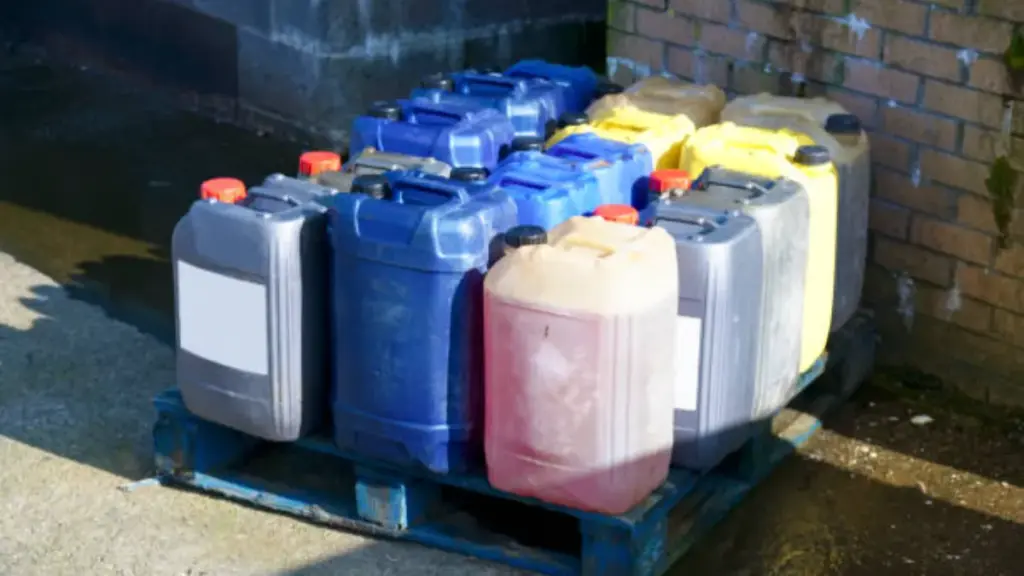
Effective quality control combines precise material selection and rigorous testing protocols to meet stringent regulatory standards, ensuring every cap provides a reliable, leak-proof seal.
Matching Liner Material to Chemical Class for Compliance
The first line of defense against leaks and contamination is the liner. Its material must be chemically compatible with the bottle’s contents to prevent degradation and maintain product integrity. For acids, alcohols, and bases, Polyethylene (PE) liners offer reliable resistance. Polypropylene (PP) is better suited for oils and more corrosive chemicals because of its non-reactive properties. For hydrocarbons, solvents, and certain oils, metal-faced liners made from aluminum or tin foil create a strong barrier, though they are unsuitable for strong acids or alkalis. Incorrectly matching the liner material leads directly to seal failure and non-compliance.
Verifying Seal Integrity with Continuous Thread Designs
A cap’s mechanical design is just as critical as its material composition. Continuous thread caps are engineered to match the bottle’s neck threads precisely, forming an airtight barrier. This tight engagement is essential for preventing product evaporation, oxidative degradation, and moisture ingress, all of which compromise the shelf life and efficacy of chemicals and lubricants. To enhance this primary seal, many designs incorporate foam or solid PE liners. These components act as a secondary gasket, compressing into the bottle’s land area to provide an extra layer of protection and chemical resistance.
| Liner Material | Recommended Use Case | Key Performance Attribute |
|---|---|---|
| Polyethylene (PE) | Acids, alcohols, bases, non-oil products | Prevents liner breakdown from chemical interaction. |
| Polypropylene (PP) | Oils, soaps, corrosive chemicals | High heat tolerance and non-reactive properties extend shelf life. |
| Metal-Faced (Aluminum/Tin) | Hydrocarbons, solvents, oils | Creates a strong barrier for petroleum-based products. |
| Pressure-Sensitive (PS22) | Regulated chemical & pharma markets | Provides tamper-evidence for product integrity upon first opening. |
Assessing Thread Durability for High-Frequency Use
In industrial settings where containers are opened and closed frequently, thread wear becomes a significant point of failure. Repeated friction can degrade the threads on both the cap and the bottle neck, eventually compromising the seal. High-quality manufacturers design caps to withstand these cycles, but operational practices can also extend lifespan. Applying a food-grade lubricant to threads can reduce wear and ensure a reliable closure every time. Investing in durable caps reduces the need for premature container replacement, cutting down on operational waste and procurement costs.
Implementing Tamper-Evident and Secure Sealing Mechanisms
For regulated or hazardous substances, a simple seal is not enough. Tamper-evident and secure closures are often mandated by regulatory bodies to ensure product safety and integrity. Pressure-sensitive (PS22) liners adhere to the bottle rim when the cap is applied, leaving a residue or printed message when removed to show the container has been opened. Heat-induction (HS035) liners create an even stronger hermetic seal, providing clear evidence of tampering if the foil is broken. For specific applications, caps can also be integrated with child-resistant closures or septa for controlled substance access.
Standardizing Cap Dimensions for Production Consistency
Adopting standard cap diameters, such as 32mm and 42mm, provides significant operational advantages. Standardization streamlines the supply chain by allowing for component interchangeability across different product lines and container types. It eliminates the high costs and long lead times associated with custom tooling and ensures that sealing performance is consistent from one production batch to the next. For large-scale operations, standardizing components simplifies procurement, inventory management, and maintenance schedules.
Supply Chain, Lead Times and Project Support Services
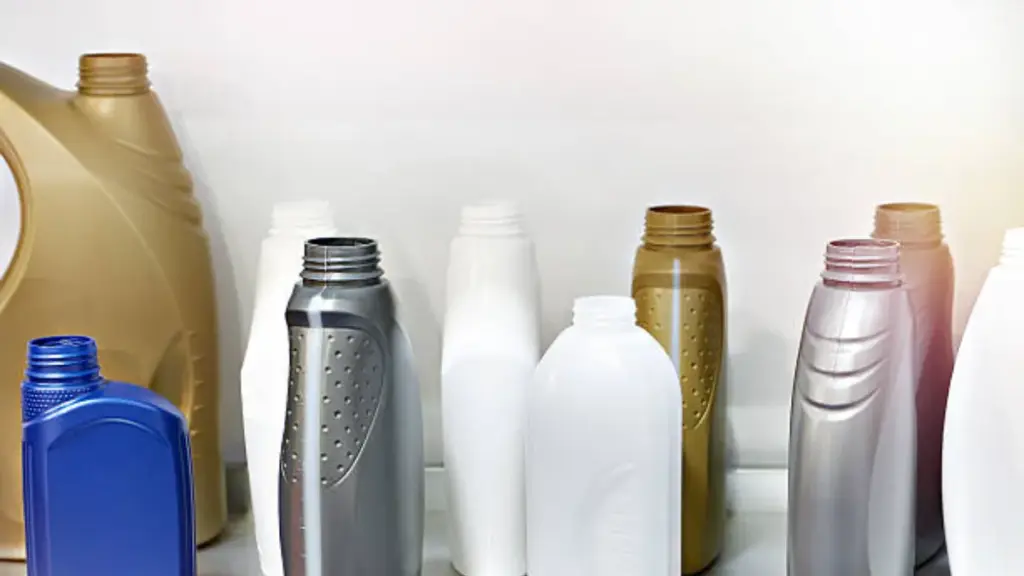
A manufacturer’s value is defined by a stable supply chain built on standardized components, precise material guidance, and integrated regulatory support.
Standardized Sizing for Supply Chain Stability
A reliable supply chain depends on operational efficiency, not just production speed. Manufacturers who utilize standard component diameters, such as 32mm and 42mm, provide greater stability. This approach allows for component interchangeability across different container types, mitigating risks associated with custom parts. It also enables bulk purchasing of raw materials and liners, which shortens lead times and avoids the high costs and delays of creating custom tooling for non-standard neck finishes.
Material Selection and Chemical Compatibility Guidance
Effective project support extends beyond manufacturing to include technical guidance on material science. A knowledgeable partner specifies the correct liner material based on the chemical application to ensure product integrity. For example, polyethylene (PE) liners are specified for acids and alcohols, while polypropylene (PP) is used for its tolerance to oils and corrosive chemicals. Foil-faced liners are reserved for solvents and hydrocarbons. This precise matching prevents liner degradation, product contamination, and costly leaks.
Regulatory Compliance and Tamper-Evident Closures
Navigating regulatory requirements is a critical support service. Cap manufacturers must offer a range of solutions that meet specific safety and market mandates. This includes providing tamper-evident closures using pressure-sensitive (PS22) or heat-induction (HS035) liners to ensure product authenticity. For regulated chemicals or pharmaceuticals, they should also supply closures equipped with child-resistant or septa features, confirming that the final packaged product is fully compliant with industry standards.
Red Flags and Common Mistakes When Choosing Screw Cap Makers
Choosing a screw cap maker based only on price without verifying material compatibility, thread standardization, and regulatory compliance is a common mistake that leads to leaks, product contamination, and operational failures.
Ignoring Material and Liner Chemical Incompatibility
A primary failure point is neglecting to confirm that the cap and liner materials are chemically compatible with your product. Certain chemicals corrode metals, while aggressive solvents can degrade plastics like polyethylene (PE) or polypropylene (PP). This oversight leads directly to liner degradation, product contamination, and leaks. A major red flag is a potential supplier with a limited material portfolio, as they cannot provide an optimal match for specific substances like acids, oils, or industrial solvents. Proper material verification isn’t optional; it’s essential for product integrity.
Disregarding Seal Integrity and Thread Standardization
The mechanical fit between a cap and a bottle determines the quality of the seal. Selecting a manufacturer that produces caps with poor thread engagement results in an ineffective seal, causing product evaporation and leaks. You must confirm that a potential supplier’s caps are compatible with industry-standard bottle neck finishes, such as 32mm or 42mm. A mismatch between the cap’s thread pattern and the container’s neck finish creates inconsistent sealing, disrupting filling operations and compromising containment during shipping and storage.
Overlooking Application-Specific Security and Compliance
Failing to specify required safety and security features for your market is a significant risk. For regulated products, tamper-evident liners like pressure-sensitive (PS22) or heat-induction (HS035) seals are often mandatory. For industrial chemicals, child-resistant closures (CRCs) are a critical safety requirement. Partnering with a manufacturer who lacks a proven range of these specialized closures exposes your business to serious compliance issues and safety liabilities. Any potential supplier should be able to provide documentation certifying their products meet relevant standards.
Checklist for Comparing Screw Cap Manufacturers
A systematic evaluation of a plastic screw cap manufacturer’s material science, sealing design, and regulatory capabilities is the only way to ensure reliable, leak-proof performance for industrial chemicals and lubricants.
When conducting supplier audits, consider the following evaluation framework:
- Technical Capability – Injection molding precision, mold design expertise, liner solutions.
- Material Knowledge – Resin selection guidance and chemical compatibility understanding.
- Quality Control System – Testing equipment, documented procedures, traceability.
- Regulatory Compliance – Certification availability and documentation readiness.
- Production Capacity – Scalability and delivery stability.
- Engineering Support – Ability to assist during product development and troubleshooting.
- Communication and Transparency – Responsiveness and project management structure.
Using a structured checklist reduces subjectivity and ensures alignment with long-term business goals.
Conclusion
Selecting a screw cap manufacturer involves more than just price and fit. The right partner provides deep technical expertise in material science and mold design to ensure a perfect, leak-proof seal for your specific chemical product. This decision directly impacts product integrity, end-user safety, and your brand’s reputation.
Review your current packaging components against the technical benchmarks discussed here. If you’re ready to explore a partnership focused on engineering and quality assurance, our team is available to review your product’s chemical compatibility requirements.
Frequently Asked Questions
What is the best material for lubricant bottle screw caps?
HDPE and polypropylene are the most commonly used materials due to their chemical resistance and mechanical strength. The final choice depends on the lubricant formulation and temperature exposure conditions.
How do I prevent leakage in lubricant bottles?
Ensure correct neck finish matching, proper liner selection, validated torque settings, and pressure testing before mass production.
Can I customize caps with branding features?
Yes. Color matching, embossing, hot stamping, and anti-counterfeit features are available through experienced plastic screw cap manufacturers.
How long does mold development take?
Depending on complexity, custom mold development typically takes several weeks. An experienced plastic screw cap manufacturer like FUTEN can provide clear timelines and structured sampling stages.
What is the typical MOQ for industrial plastic screw caps?
MOQ varies depending on cap size, mold availability, and customization level. For standard existing molds, Futen typically supports flexible minimum order quantities suitable for mid-sized lubricant and chemical brands. Custom mold projects will generally require higher initial volumes due to tooling investment, but these can be discussed based on long-term cooperation plans.
What is the typical production lead time?
Lead time depends on whether the order is based on an existing mold or a new development. For repeat orders using existing molds, Futen can often complete production in as fast as 15 days under stable scheduling conditions. Custom mold development typically requires several weeks for design, tooling, sampling, and validation before mass production begins.
Do you provide documentation and compliance support for export markets?
Yes. For lubricant and chemical brands exporting internationally, documentation such as ISO certification, SGS reports, and material traceability records can be provided to support regulatory and customs requirements.