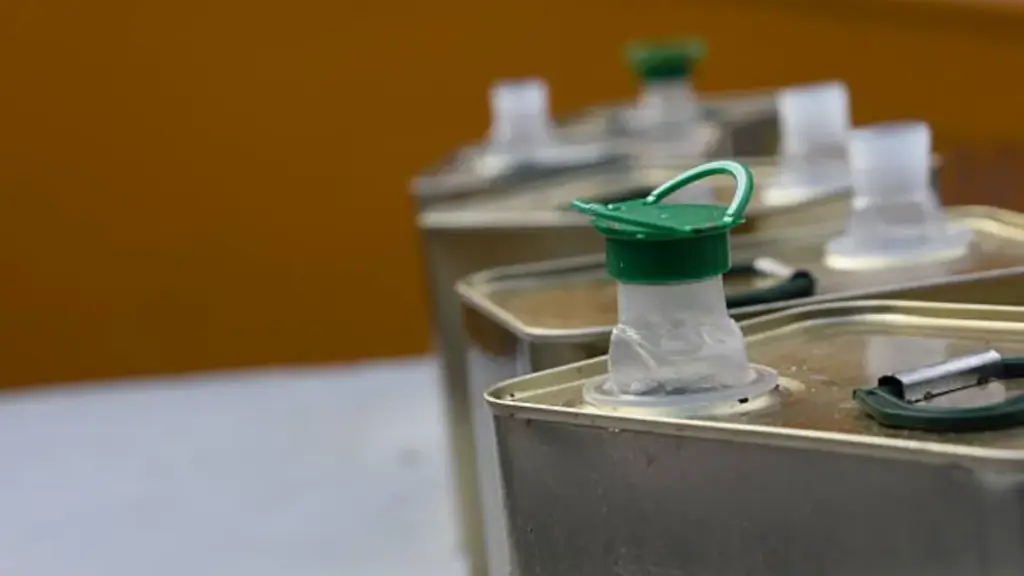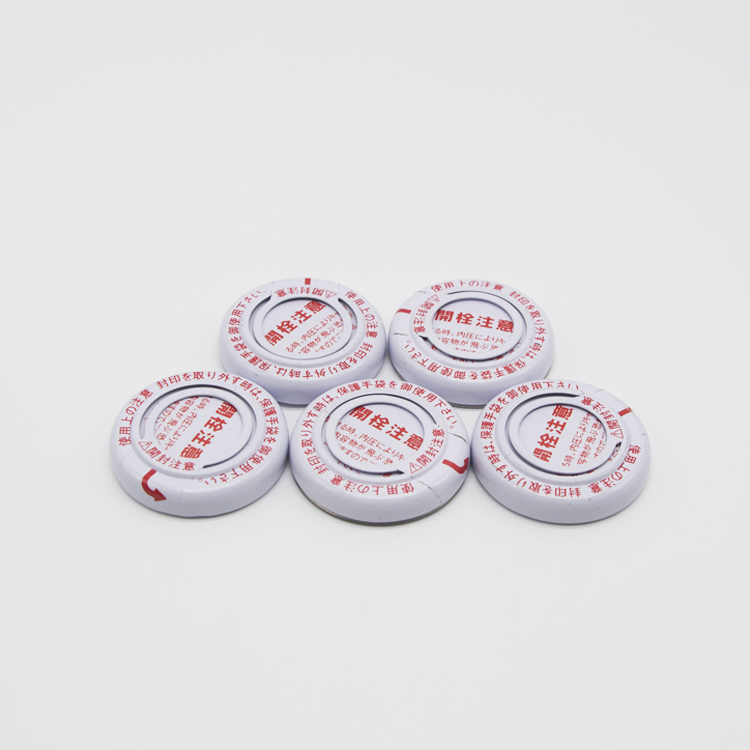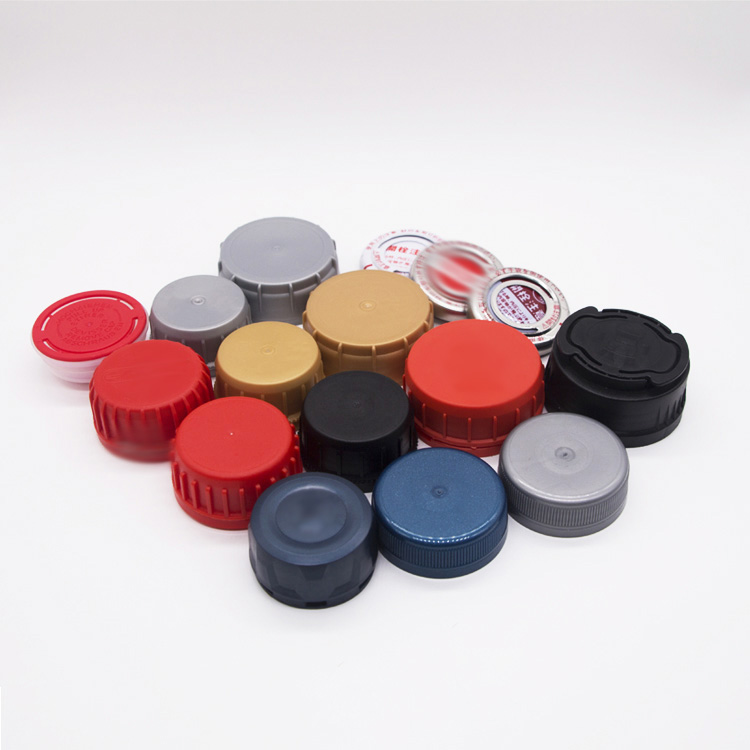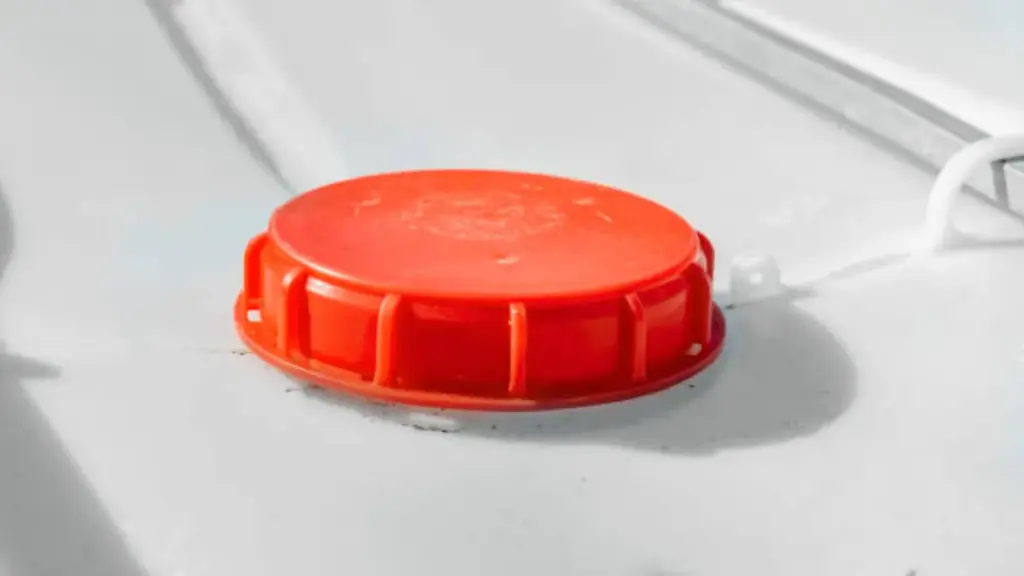
A properly installed oil tin can spout cap is essential to keep engine oil, edible oils, lubricants, paints, and chemicals safely contained from filling line to end user. When a spout cap fails, even a small leak can contaminate pallets, trigger customer complaints, and increase the risk of accidents and regulatory non‑compliance.
This guide explains why oil tin can spout caps fail, which tools you need to remove and replace them, how to choose the correct size and design, and how to verify the seal after installation. It also shows how precision‑engineered FUTEN oil tin spout caps help manufacturers eliminate leakage risks in demanding industrial supply chains.
Common Reasons Oil Tin Can Spout Caps Fail
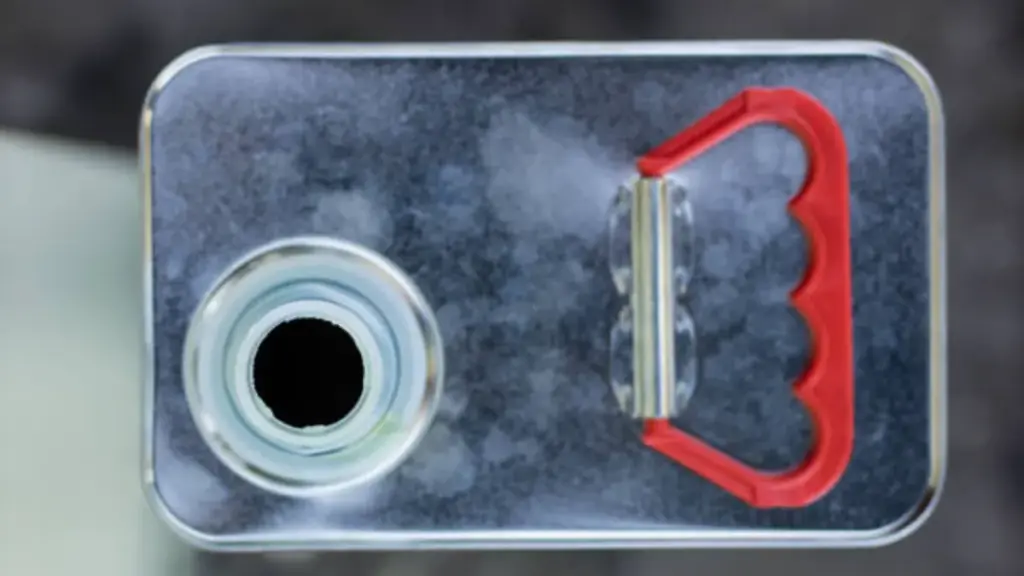
Oil tin can spout caps operate under challenging conditions: long‑distance transport, stacking loads, temperature changes, and constant contact with oils and solvents. Most failures can be traced back to three core issues: mechanical stress, material degradation, and inadequate sealing design.
1. Mechanical Stress During Handling and Transport
During filling, capping, palletizing, and shipping, tins are repeatedly lifted, stacked, and sometimes impacted. The spout cap area often bears load when cartons are stacked or when tins tilt against each other, placing stress on the pull‑out spout and cap body. Over time, this can cause micro‑cracks around the hinge, pull ring, or neck area, eventually leading to visible fractures and leaks.
2. Material Fatigue and Chemical Exposure
Oil tin can spout caps are typically made from HDPE or PP, in constant contact with engine oil, edible oil, lubricants, or solvents. Additives, high temperatures in containers, and long storage times can accelerate polymer aging, making low‑grade caps brittle. When the material loses flexibility, simple actions like pulling out the spout or tightening the cap can cause cracking.
3. Inadequate Sealing Geometry or Gasket Design
Even if the plastic itself is strong, a poor sealing design will still leak. Common issues include:
- Narrow sealing surfaces that cannot maintain compression under vibration
- Misaligned or low‑quality gaskets that do not fully contact the tin neck
- Thread or plug tolerances that are too loose, creating micro‑gaps under pressure changes
These design weaknesses become more obvious during long‑distance transport, high‑temperature storage, or when tins are laid on their sides.
Tools You Need for Quick, Clean Oil Tin Spout Cap Replacement
Replacing an oil tin can spout cap is usually simple, but having basic tools ready makes the process faster and reduces the risk of damaging the tin opening.
Safety and Protection
- Chemical‑resistant gloves: Protect hands from engine oil, lubricants, or solvents.
- Safety goggles: Prevent splashes during removal, especially if some internal pressure is present.
Removal and Cleaning Tools
- Flat‑head screwdriver or pry tool: Helps gently lift old pull‑out spouts or snap‑in caps without deforming the tin neck.
- Needle‑nose pliers: Useful for removing broken plastic pieces or old gasket fragments from the tin opening.
- Lint‑free cloths: Wipe oil residue from the neck area so you can inspect metal and sealing surfaces clearly.
Leak Containment
- Absorbent pads or rags: Immediately catch drips during removal and avoid slippery floors.
- Approved collection tray or pan: For industrial lines, use a drip tray under the working area to protect conveyors or floors.
Step‑by‑Step: How to Replace an Oil Tin Can Spout Cap
Step 1. Preparation and Safety Check
- Place the oil tin on a stable surface and wipe off external oil around the spout area.
- If the tin is badly deformed or leaking heavily, transfer the remaining contents into a safe, compatible container first.
- Confirm that your replacement oil tin can spout cap is the correct diameter and design (for example, 42 mm pull‑out spout cap with matching plug and gasket).
Step 2. Removing the Old Spout Cap Assembly
- Use a flat‑head screwdriver to gently lift any tamper‑evident ring or snap‑fit components, being careful not to deform the metal neck.
- If it is a push‑in/flex spout type, carefully pry around the circumference to release it evenly from the tin opening.
- Remove the old spout and cap assembly, then inspect the neck for residual plastic, dried oil, or damaged gasket pieces.
- Use needle‑nose pliers to pick out any fragments still lodged in the neck area.
Step 3. Cleaning and Inspecting the Tin Neck
- Wipe the neck and surrounding metal surface with a lint‑free cloth to remove oil and debris.
- Inspect for:
- Dents or warping on the neck edge
- Sharp burrs that could cut the gasket
- Corrosion or contamination that may interfere with sealing
- If the neck is heavily deformed, the tin itself may be unfit for safe refling and transport; consider replacing the container.
Step 4. Installing the New Oil Tin Spout and Cap
The exact process depends on spout style (push‑in, crimp‑on, or screw‑threaded), but typical steps are:
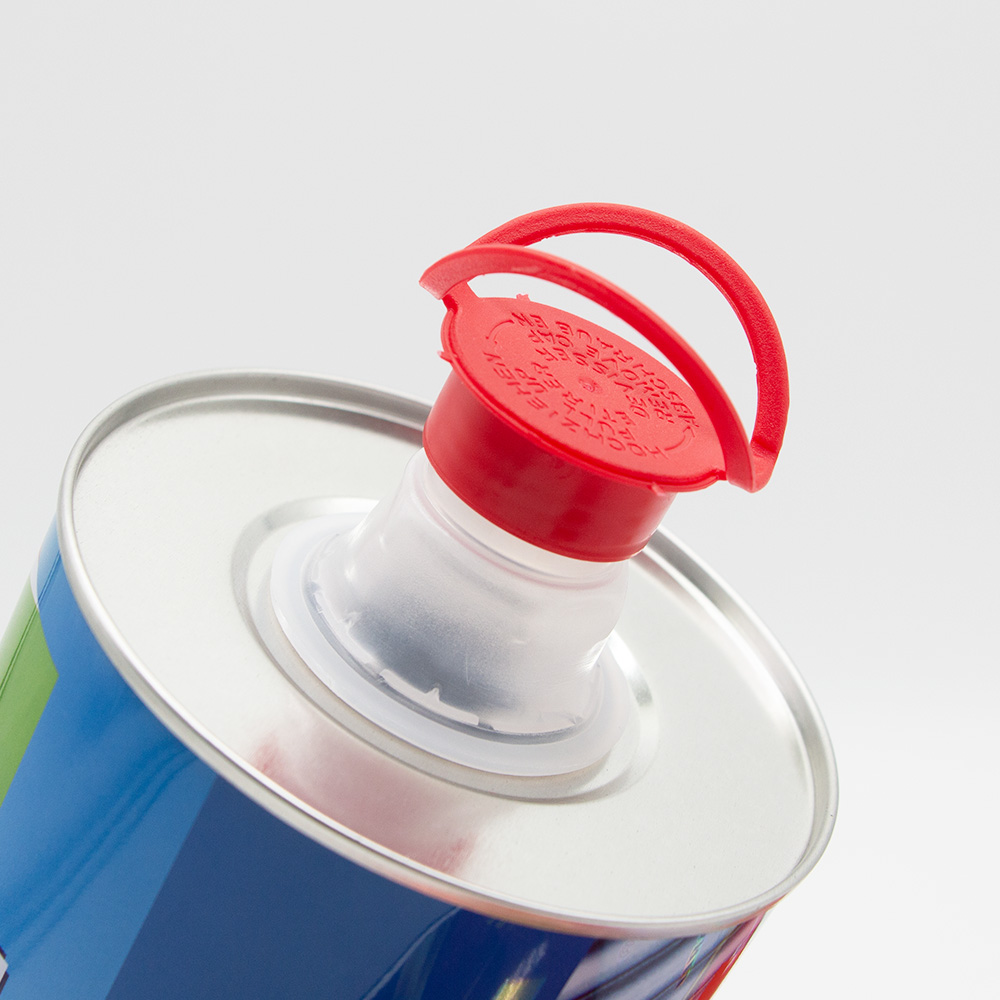
- Seat the spout: Align the new spout with the opening and press or crimp it into the tin neck according to the manufacturer’s instructions. It should sit evenly all around the rim.
- Check gasket alignment: Ensure that the gasket or liner inside the cap is properly centered and undamaged before closing.
- Apply the cap: Snap, screw, or press the cap onto the spout using controlled force. On automated lines, use calibrated torque settings to avoid under‑ or over‑tightening.
Common Installation Issues and Fixes
| Issue | Root Cause | Corrective Action |
|---|---|---|
| Oil seeps around the neck after transport | Neck deformed, gasket not fully compressed | Inspect neck, replace deformed tins, use a cap with better compression sealing |
| Cap difficult to close or re‑close | Wrong diameter or incompatible design | Verify neck size (e.g., 42 mm or 57 mm) and choose a matching oil tin spout cap |
| Drips during pouring | Poor spout geometry or missing vent | Use a pull‑out spout design with smooth flow control and appropriate venting features |
Upgrade to Leak‑Proof Oil Tin Spout Caps
How to Choose the Right Oil Tin Can Spout Cap Size and Design
Choosing the correct oil tin can spout cap is the most important step for leak‑free packaging. Three factors matter most: neck size, material compatibility, and sealing system.
1. Confirm Neck Size and Standard
- Common neck sizes for oil tins and engine oil packaging include 32 mm, 42 mm, 50 mm, and 57 mm.
- Check your tin specifications or measure the opening diameter with calipers.
- Use caps and spouts that are designed for the same standard to ensure proper fit and compression.
2. Match Material to Oil Type
- Food‑grade edible oils: Prefer food‑grade PE/PP materials that comply with relevant food contact regulations.
- Engine oil and lubricants: Use caps formulated for resistance to additives, high viscosity, and possible high temperatures in storage and transport.
- Solvents and chemicals: Verify compatibility between the cap resin and the chemical; some aggressive solvents require specific polymers and gaskets.

3. Select an Appropriate Sealing System
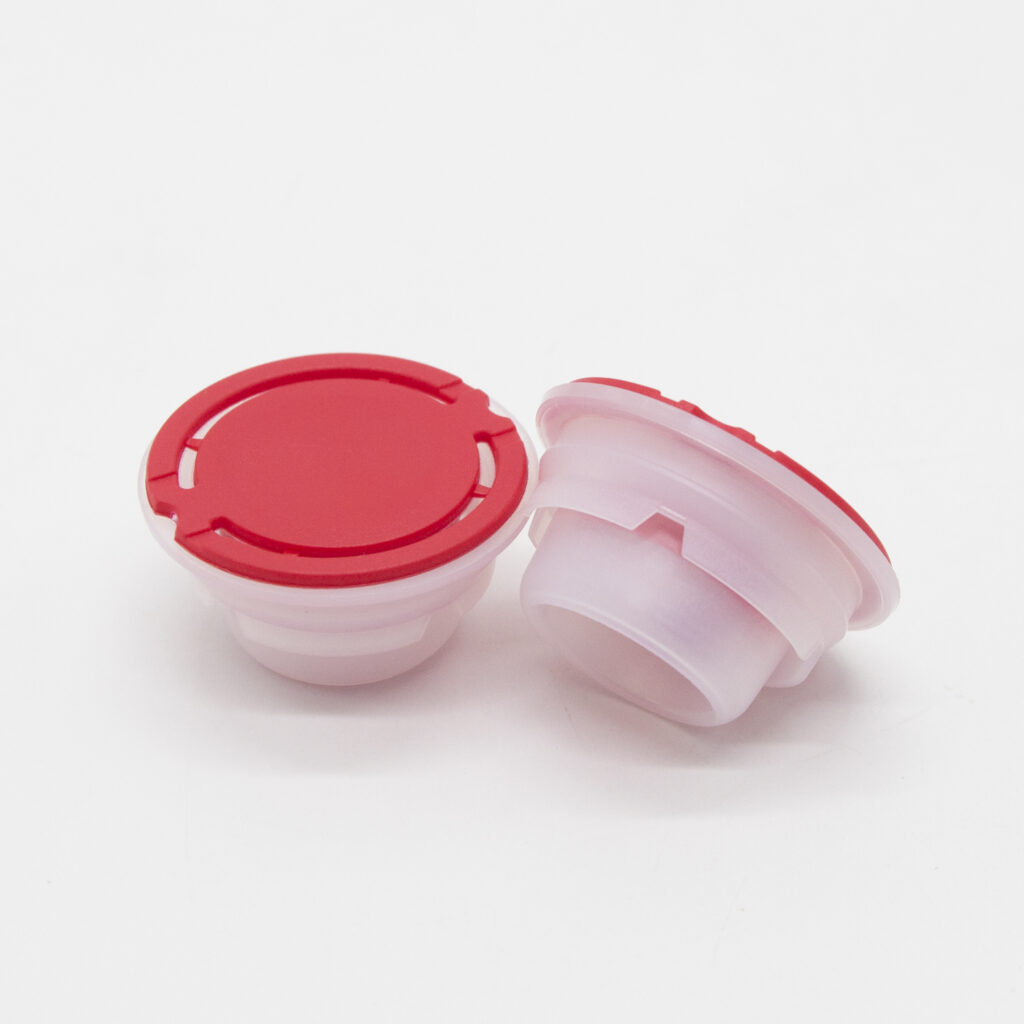
There are three main sealing approaches for oil tins:
- Liner seal: Uses a PE or EVA liner inside the cap to form a seal against the neck.
- Compression seal: Relies on a tight fit between the cap’s inner wall and the spout neck, providing mechanical compression.
- Induction seal: Uses a foil bonded to the neck by heat; ideal for long‑distance transport and tamper evidence.
Choose the sealing system based on your product’s transport distance, stacking height, and leak‑tolerance level.
4. Ensure Controlled Capping Torque
On production lines, inconsistent torque is a common reason for small but chronic leaks. Using calibrated capping equipment and recording torque values helps maintain consistent sealing performance and traceability for quality audits.
How FUTEN Oil Tin Can Spout Caps Prevent Leaks
As a reliable plastic spout cap manufacturer in China, FUTEN specializes in plastic spout caps for oil tins and engine oil bottles, offering a wide range of diameters such as 32 mm, 42 mm, 50 mm, and 57 mm for metal cans and bottles.
Futen’s leak‑prevention advantages include:
- Custom‑fit designs: Caps and spouts are engineered to match specific can neck geometries and filling line requirements.
- Premium raw materials only: Futen uses high‑quality new PE/PP, avoiding recycled materials that can introduce variability and cracking.
- Automated assembly and 100% leak inspection: Fully automatic assembly lines and batch pressure testing help ensure consistent air‑ and oil‑tight performance for every cap.
- OEM/ODM support: Futen assists customers with customized spout shapes, colors, and branding to optimize both function and shelf appeal.
Conclusion
Replacing your gas can spout cap is a straightforward fix that prevents messy fuel spills and waste. Following the correct steps to find the right size and install it properly ensures a secure, reliable seal. This simple maintenance extends the life of your fuel cans and keeps your work area safe.
Inspect the caps on your current fuel containers for signs of cracking or wear. If you need a durable replacement, browse our catalog of FUTEN spout caps to find the correct fit for your equipment.
Frequently Asked Questions
Can I use a generic spout cap on any oil tin?
Not safely. Different tins use different neck sizes, wall thicknesses, and sealing geometries. A generic cap may fit loosely or compress the gasket unevenly, leading to leaks under vibration or temperature changes. Always match the cap to the specified neck standard.
Why do my oil tins leak during shipping?
Common causes include deformed necks, under‑torqued caps, low‑quality gaskets, and caps not designed for long‑distance transport conditions. Switching to high‑performance oil tin can spout caps, combined with controlled capping torque, usually solves these issues.
Can I replace only the gasket instead of the whole cap?
In some cases, replacing only the gasket is possible, but the safest approach for critical products is to use a complete, tested cap‑and‑spout system from the same manufacturer. This ensures the geometry, compression, and material compatibility are all correct.
Are FUTEN oil tin spout caps suitable for edible oil?
FUTEN offers food‑grade materials and designs suitable for edible oil tins, as well as formulations for engine oil, lubricants, paints, and chemicals. Always confirm the target application and regulatory requirements when selecting models.
How can I find a reliable plastic spout cap manufacturer?
When you choose a plastic spout cap manufacturer, look for proven experience, stable production capacity, and strict leak‑testing on every batch. FUTEN specializes in plastic spout caps and closures, offering OEM/ODM support and 100% quality inspection to help brands reduce leakage complaints and packaging failures.