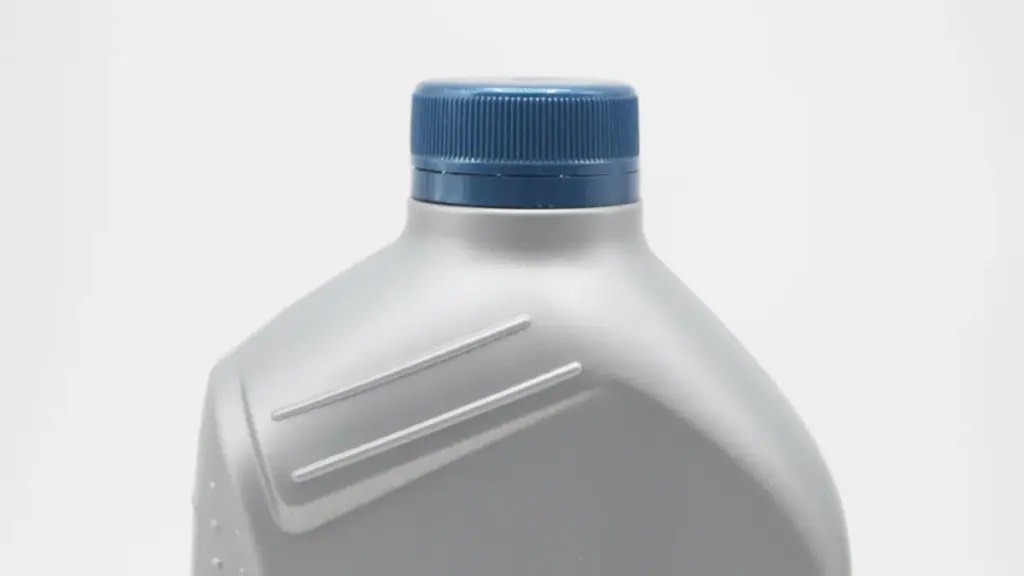
Choosing the right spout cap manufacturer can significantly impact the safety, functionality, and visual appeal of your packaging. Whether you’re in the food, bevanda, cosmetic, or chemical industry, the right partner ensures your product is securely sealed, consumer-friendly, and compliant with international quality standards.
This guide covers the essential factors to consider when evaluating a spout cap manufacturer, helping you make an informed decision for long-term success.
Industry Experience and Application Expertise
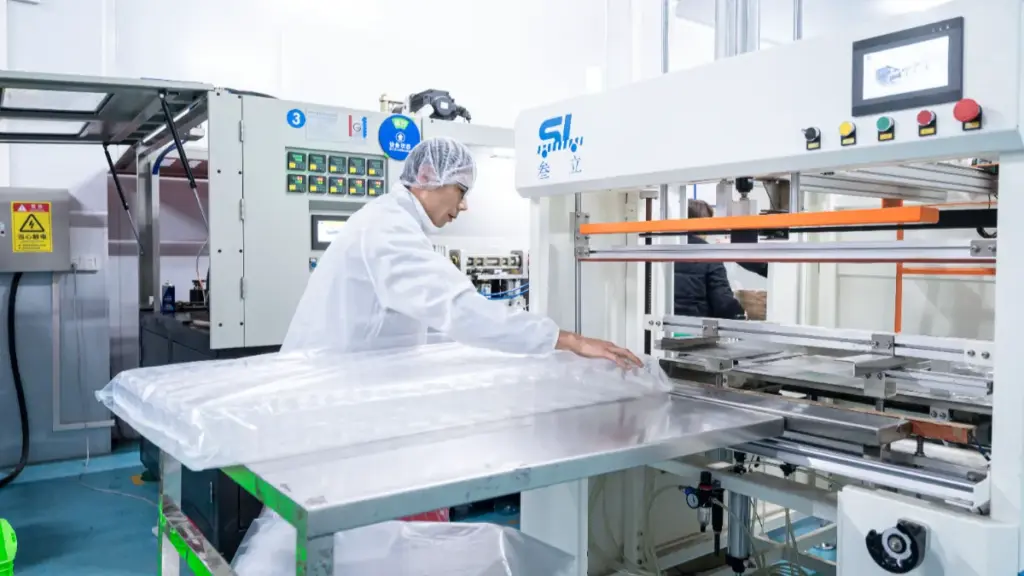
A manufacturer’s experience in the packaging industry is the foundation of their reliability. Companies with decades of know-how understand the nuances of different applications — from viscous liquids and edible oils to detergents, lubrificanti, and baby food.
An experienced manufacturer can:
- Provide design recommendations tailored to your product’s viscosity, filling process, and dispensing needs.
- Prevent performance issues such as leakage, poor sealing, or customer usability complaints.
- Offer solutions learned from years of collaboration with global brands and packaging converters.
Per esempio, a spout cap manufacturer for baby food will know the strict hygiene and safety specifications required for that segment, ensuring your packaging meets consumer safety and convenience expectations.
Material Selection and Safety Compliance
High-quality spout caps start with superior and compliant raw materials. Look for manufacturers using food-grade, BPA-free, and recyclable plastics such as HDPE, LDPE, o PP, depending on your packaging requirements.
Key considerations include:
- Regulatory compliance: Materials should meet global standards such as FDA, Unione Europea, and REACH certifications.
- Chemical compatibility: The plastic should withstand the contents without reacting or degrading.
- Sostenibilità: Preference for recyclable or bio-based materials supports your brand’s environmental goals.
A reliable spout cap manufacturer will also provide documentation, such as Material Safety Data Sheets (MSDS) and certificates of compliance, for full supply chain transparency.
Protect Your Product with Zero-Leakage Closures
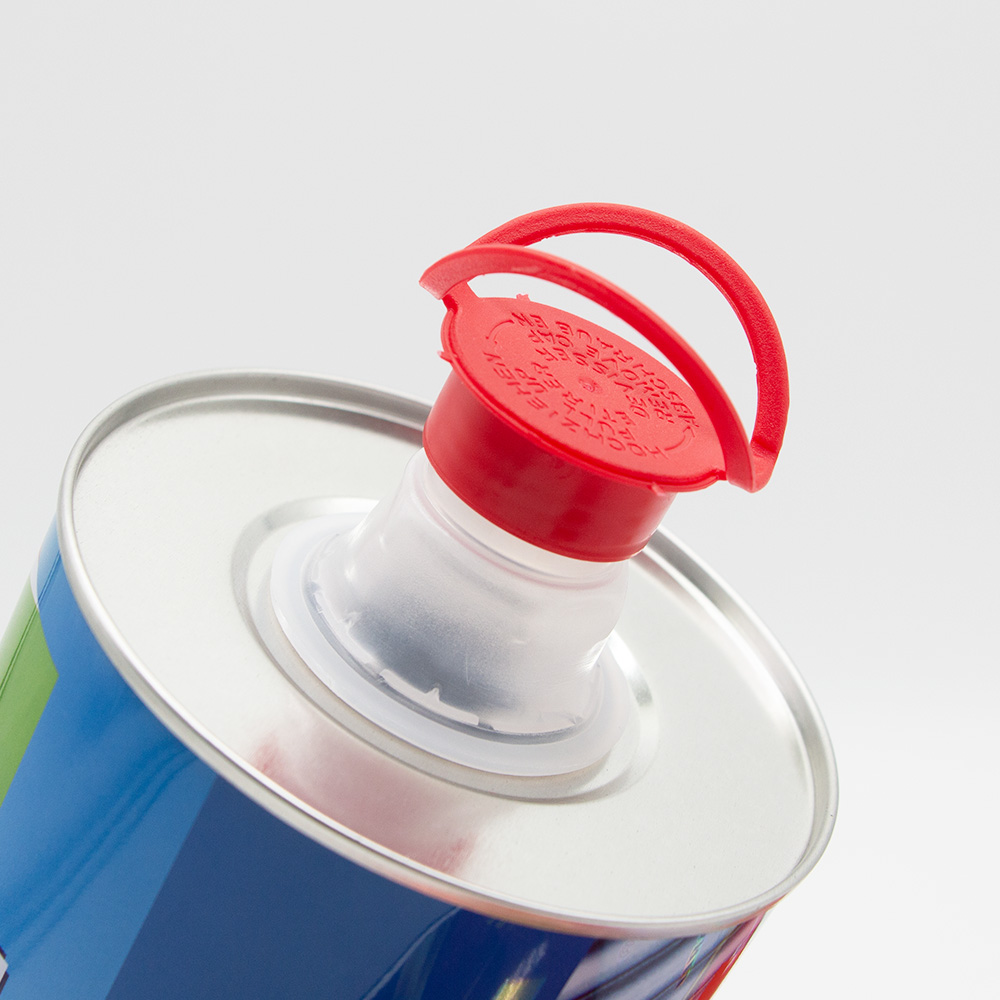
Spout Cap Design and Sealing Performance
The design and sealing performance directly influence user experience and product protection. An innovative spout design ensures easy dispensing while maintaining leak-proof integrity during storage and transport.
Evaluate the cap manufacturer’s expertise in:
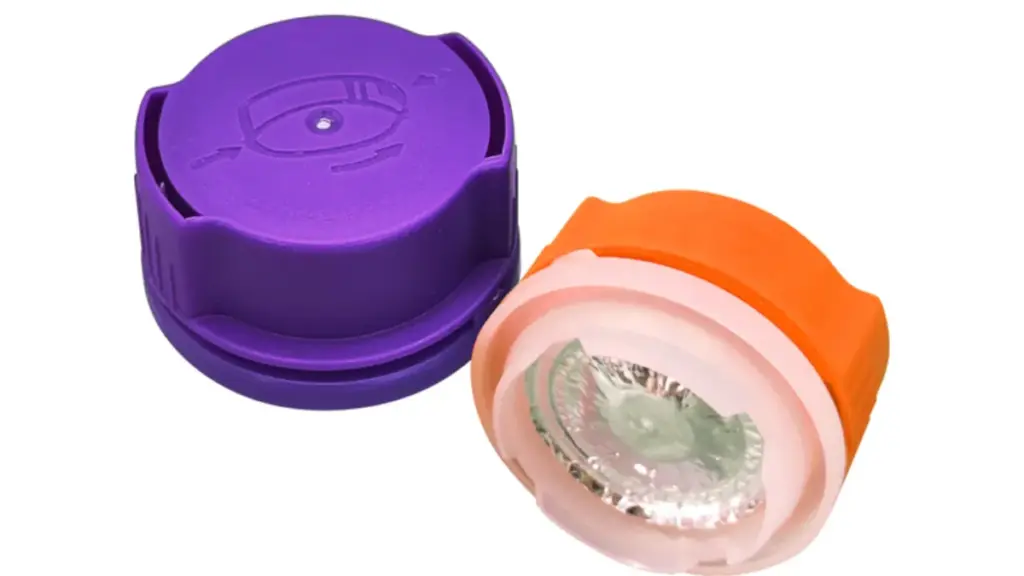
- Tamper-evident features: Ensures product safety for end consumers.
- Precision sealing mechanisms: Tight tolerance and consistent molding prevent leaks.
- Ergonomic design: Comfortable grip and effortless pouring improve customer satisfaction.
- Compatibility: Spouts must fit seamlessly with different pouch or bottle types.
Top-performing manufacturers use 3D modeling and engineering simulations to test opening torque, flow control, and air-tightness before mass production.
| Sealing Component | Mechanism of Action | Applicazione primaria |
|---|---|---|
| Induction Liner | An aluminum foil layer is bonded to the container land area using electromagnetic heat, creating a permanent, hermetic seal. | Prodotti farmaceutici, aggressive chemicals, and food products requiring a tamper-evident barrier and extended shelf life. |
| Foam Liner (per esempio., F217) | A compressible polyethylene foam disc is compressed against the container rim by torque, filling minor imperfections to prevent leaks. | General-purpose sealing for non-aggressive liquids, salse, personal care products, and dry goods where cost is a factor. |
| Precision Valve (Silicone) | A flexible, cross-slit silicone valve opens only when squeeze pressure is applied and seals instantly when released, providing a clean cutoff. | High-viscosity condiments (ketchup, salse), Miele, lozioni, and any application requiring controlled, no-drip dispensing. |
Customization and Mold Development Capability
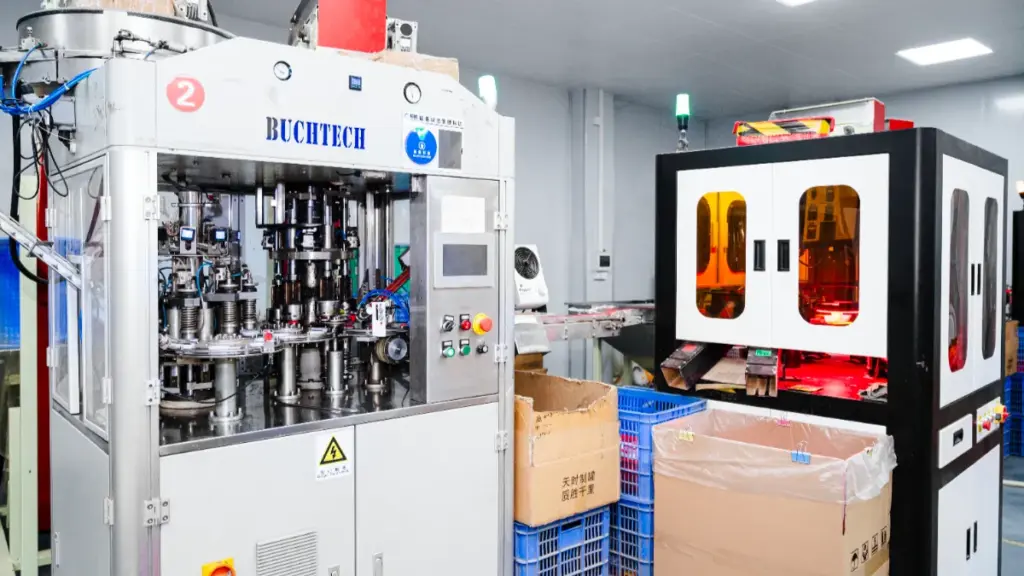
Every product has unique packaging needs. Manufacturers with in-house mold-making and product engineering capabilities can tailor designs, dimensioni, and colors to your brand requirements.
Material-Specific Mold Engineering
Effective mold engineering starts with the polymer. Tooling designed for high-density polyethylene (HDPE) must account for different shrinkage rates and flow characteristics than molds for polypropylene (PP) or polyethylene terephthalate (ANIMALE DOMESTICO). Competent manufacturers engineer molds optimized for the specific material system to guarantee dimensional stability and part consistency. This expertise now extends to sustainable materials, where tooling must be engineered to handle the unique processing demands of materials like polylactic acid (PLA) or post-consumer recycled (PCR) resins.
Application-Driven Mold Design
A spout cap’s final application dictates its design. Molds for the food and beverage industry are engineered for high-speed application and reliable sealing, while those for pharmaceuticals require far more complexity. A manufacturer with deep mold-making experience can design and produce specialized closures with integrated, non-negotiable safety features. This includes tooling for tamper-evident bands that provide a hermetic seal and visual proof of integrity, as well as complex multi-part molds for certified child-resistant (CR) mechanisms.
High-Cavitation Tooling for Scaled Production
Moving from prototype to mass production requires high-cavitation tooling. Expert mold makers engineer multi-cavity molds that enable high-volume precision injection molding, ensuring millions of caps are produced with minimal deviation. This process includes integrating custom color matching directly into the mold development phase. By using Pantone-matched colorants, manufacturers can produce caps that meet exact brand specifications without secondary processing, ensuring consistency across large production runs.
Manufacturing Capacity and Production Consistency
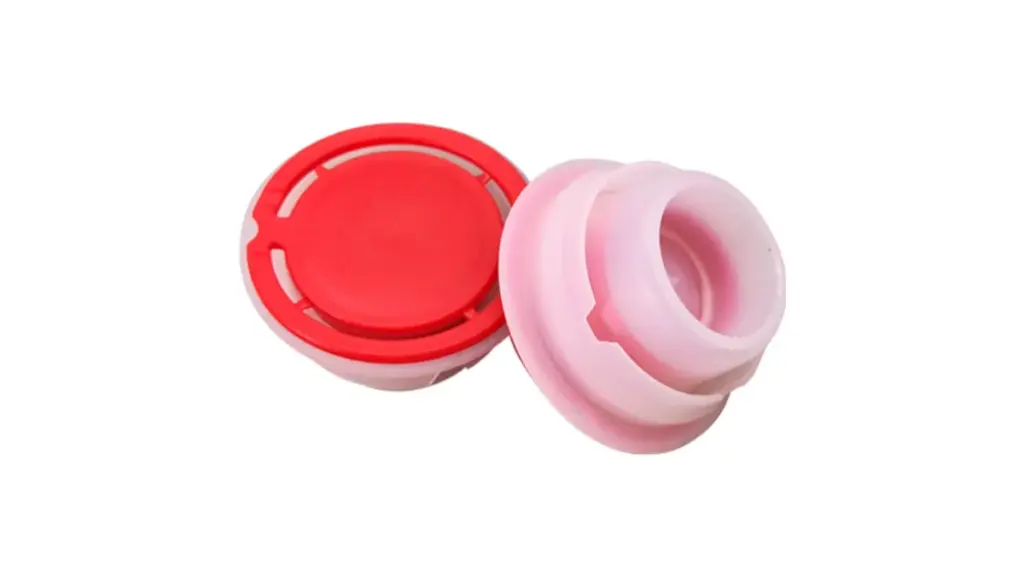
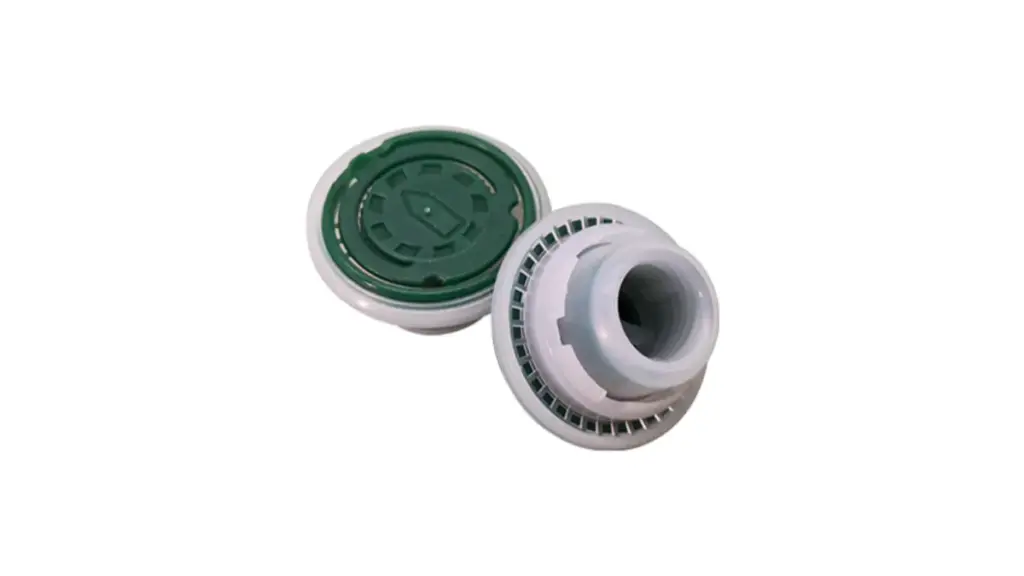
A spout cap manufacturer’s production scale and consistency determine how well they can support your business growth. From pilot runs to large-scale mass production, capacity and efficiency are crucial.
High-Volume Production Infrastructure
Leading manufacturers operate facilities engineered for high-volume output, often producing several million units annually to serve a global market. This scale is not just about machinery; it reflects a mature and resilient supply chain with established infrastructure across key regions like North America, Europa, and the Asia-Pacific. With the spout cap market growing steadily, ongoing investment in expanding manufacturing capacity is a clear indicator of a supplier’s stability and commitment to meeting future demand without compromising quality.
Material and Process Specialization
Consistent output depends on deep expertise in core manufacturing processes and materials. Top-tier suppliers demonstrate proficiency in precision injection molding using a range of polymers, including HDPE, PP, ANIMALE DOMESTICO, and polycarbonate. They leverage automation to maintain tight dimensional tolerances, which is critical for ensuring reliable dispensing and sealing performance. This specialization also extends to complex designs, such as tamper-evident bands and child-resistant closures, which require specialized molds and processes to meet strict regulatory standards in safety-critical markets.
Expertise Across Diversified End-Markets
A manufacturer’s capabilities are proven by their ability to serve multiple industries with unique requirements. The food and beverage sector, which accounts for the largest market share, demands cost-effective, high-volume production. Al contrario, the pharmaceutical and medical sectors require adherence to stringent safety and cleanliness protocols for packaging. A versatile manufacturer also supports the personal care and household chemical sectors, demonstrating the ability to produce caps compatible with a wide array of liquid and semi-liquid formulations, ensuring product integrity from the filling line to the end consumer.
Quality Control and Testing Standards
Strict quality control is non-negotiable. The best spout cap manufacturers follow comprehensive QC processes throughout production — from raw material inspection to final packaging.
Common quality control measures include:
- Dimensional testing: Ensures uniformity and fit.
- Seal integrity checks: Tests for leaks and pressure resistance.
- Torque and tensile tests: Ensures caps open securely but easily.
- Visual inspection: Detects cosmetic defects or burrs on molded parts.
Look for spout cap manufacturers certified under ISO 9001 or similar quality management systems, as these reflect continuous improvement and traceability standards.
| Testing Category | Primary Objective | Key Metrics & Standards |
|---|---|---|
| Dimensional & Visual | Ensure caps meet exact geometric specifications for a secure fit and function. | Thread tolerance, orifice diameter, part weight, color consistency. (Automated optical inspection) |
| Mechanical & Durabilità | Verify the cap’s structural integrity and long-term performance under stress. | Drop testing, cycle testing (hinge life), compression strength, pressure resistance. |
| Functional & Seal Integrity | Confirm the cap prevents leaks and dispenses product correctly. | Vacuum leak testing, liquid viscosity compatibility, torque application/removal force. |
| Safety & Conformità | Validate features required for specific markets, like pharmaceuticals or household chemicals. | Child-resistant mechanism validation (CPSC standards), tamper-evident band integrity. |
Lead Time, Moq, and Supply Chain Reliability
Timely delivery and scalable supply are critical. When choosing a partner, balance their minimum order quantity (Moq) requirements with your production schedule.
Ask the manufacturer about:
- Average lead time: Can they meet your launch or replenishment timelines?
- Stocking options: Do they offer buffer inventory for repeat clients?
- Geographical logistics: Proximity to major ports or efficient freight solutions reduces shipping costs and transit risks.
A reliable supply chain partner maintains on-time delivery even during peak seasons or unexpected disruptions — a sign of mature operational management.
Comunicazione, Technical Support, and After-Sales Service
Efficient communication bridges the gap between technical design and commercial execution. A high-quality manufacturer should provide responsive, multilingual support and professional guidance throughout your project.
Evaluate their service through:
- Dedicated account managers: For smooth coordination and updates.
- Technical assistance: Support with filling equipment compatibility or product trials.
- After-sales service: Quick response for defect claims, replacements, or design adjustments.
Strong customer support fosters long-term partnerships and ensures your packaging runs seamlessly across supply chain stages.
Sustainability and Future-Ready Packaging Solutions
With the global push toward eco-friendly packaging, sustainability is no longer optional. Leading spout cap manufacturers are adopting greener materials, renewable energy in production, and recyclable packaging designs.
Seek manufacturers involved in:
- Lightweighting initiatives: Reducing material usage without compromising strength.
- Bio-based plastics: Introducing biodegradable or compostable alternatives.
- Closed-loop recycling systems: Repurposing production scrap into reusable material.
A future-ready manufacturer invests in R&D to anticipate market trends — helping your brand stay compliant and competitive as sustainability regulations evolve worldwide.
Conclusione
Choosing the right spout cap manufacturer goes far beyond comparing unit prices. A supplier’s expertise in sealing design, material science, and quality control directly impacts your product integrity, consumer safety, and brand reputation. A technically proficient partner ensures consistent performance and a reliable supply chain, protecting your business long-term.
Use these standards to assess your current packaging partners and identify any potential gaps. If you’re looking for a supplier that meets these technical and operational criteria, contact our team to discuss your application needs or request samples for testing.
Domande frequenti
What materials are commonly used for spout caps?
Most spout caps are made from polypropylene (PP) or high-density polyethylene (HDPE), known for their chemical resistance and food safety.
Can spout caps be custom-colored or printed?
SÌ. Manufacturers can match your brand colors and even add embossing or debossing for logos and unique designs.
How do I ensure compatibility with my pouch or container?
Your manufacturer should provide samples and technical drawings for testing sealing fit, torque performance, and filling line compatibility.
What certifications should I look for?
Reputable manufacturers often hold ISO 9001, BRC Packaging, FDA, or EU food-contact certifications.
What’s the average lead time for custom molds?
Lead time varies from 4 A 8 weeks depending on design complexity, mold fabrication, and sample approval cycles.