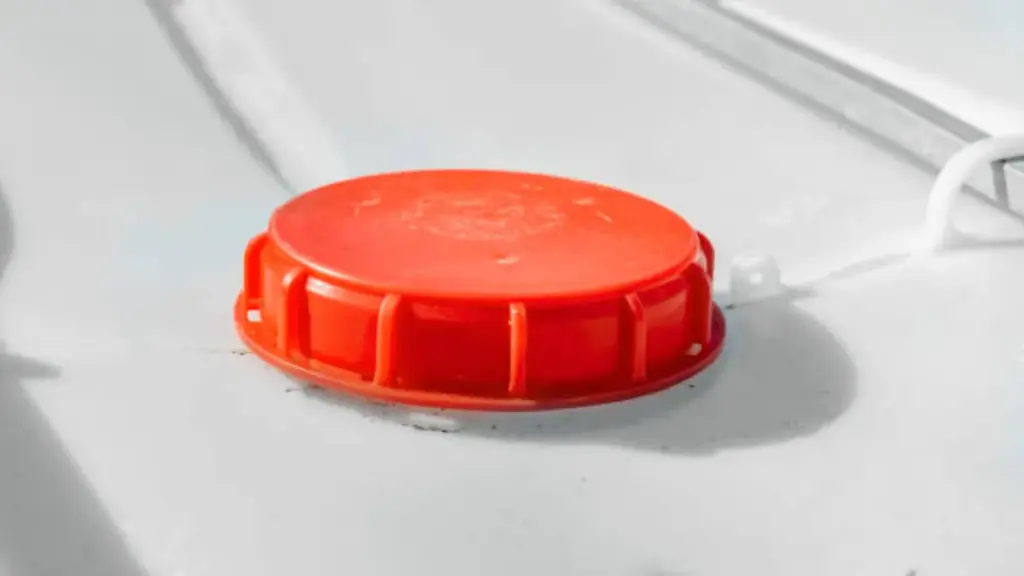
In the plastics manufacturing industry, ブロー成形 そして 射出成形 are two of the most widely used and mature production processes. Both involve heating, melting, and shaping plastic materials, but their applications, mold structures, production efficiency, and cost frameworks differ significantly.
For beginners working in packaging, industrial supplies, 自動車のケア, 家庭用品, and food-related containers, it is crucial to develop a good understanding of the differences between these two molding processes when selecting the right manufacturing method. This knowledge also helps you make informed decisions about product structure, mold investment, 材料, and supplier selection.
As a manufacturer specializing in 工業用, 家庭, エアロゾル, 自動車のケア, and food packaging caps, 含まれています (Guangzhou Futen Cap) has extensive experience in real-world production. The following guide explains both processes clearly and objectively, from the viewpoint of a professional factory.
ブロー成形 vs 射出成形: Key Differences at a Glance
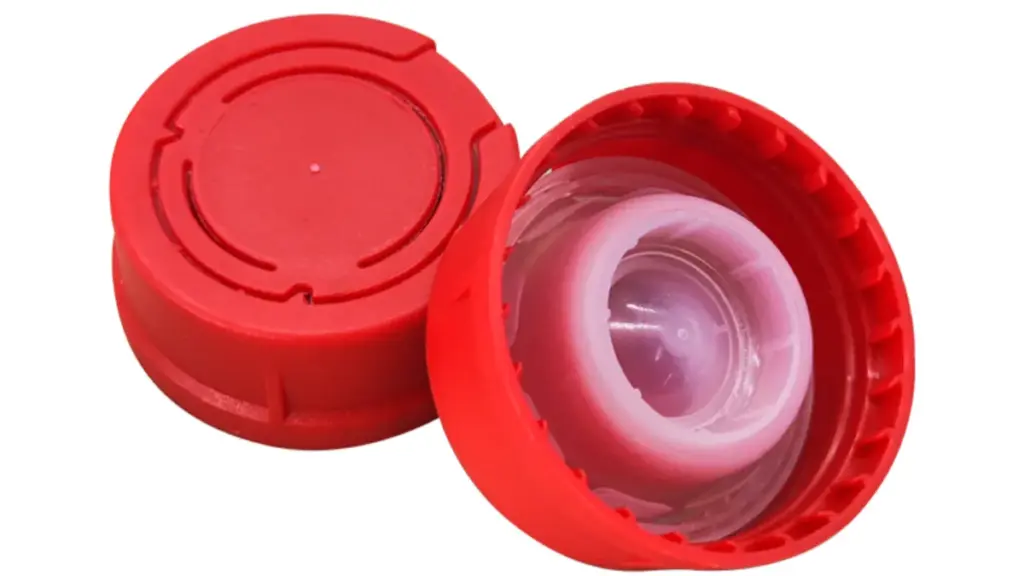
| カテゴリ | ブロー成形 | 射出成形 |
|---|---|---|
| 製品タイプ | Hollow items (ボトル, jerry cans, ドラム) | Solid components (caps, closures, parts, housings) |
| Mold Complexity | Relatively simple, usually 1–2 cavities | More complex, high precision, hot runners, multi-cavity |
| Wall Thickness | Harder to control evenly; typical variation ±5–15% | Very consistent; tolerance often ±0.05–0.15 mm |
| Production Speed | Fast for large thin-walled items | Extremely efficient for high-volume small parts (cycles often 3–7 sec) |
| Material Types | HDPE, LDPE, PP | PP, ABS, PC, Nylon, HDPE, POM, などなど |
| Typical Part Size | Medium to very large | Small to medium, highly precise |
| Surface Finish | Limited; secondary finishing often required | High-quality finish directly from mold |
| Mechanical Strength | Moderate; optimized for volume, 軽量 | High; suitable for threads, locking, sealing, structural integrity |
| Design Flexibility | Limited for intricate features | High; allows threads, logos, multi-component integration |
| 料金 | Lower mold cost; higher material usage for thick sections | Higher mold cost; lower unit cost at high volume |
| Applications | ボトル, tanks, ドラム, hollow industrial containers | キャップ, closures, technical parts, electronic housings, precision components |
| Typical Industry | 包装, 飲み物, 化学薬品, 自動車用液体 | Packaging closures, industrial parts, 家庭用品, 自動車, electronics |
What Is Blow Molding and How Does It Work?
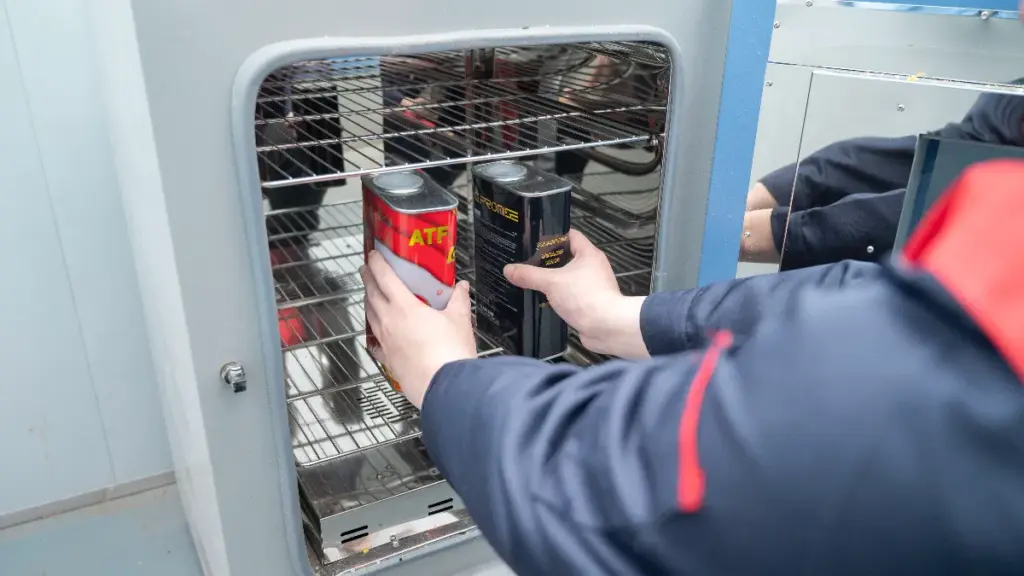
Blow molding is a manufacturing process used to create hollow plastic parts. It is conceptually similar to glass blowing: melted plastic is formed into a parison (a tube-like preform), which is then expanded with air inside a mold.
How the Process Works
- Raw plastic (usually HDPE, LDPE, or PP) is melted and formed into a parison.
- The parison is placed into a mold.
- Compressed air inflates the parison to match the mold cavity.
- The part cools and solidifies.
- Excess materials are trimmed, and the product is ejected.
Types of Blow Molding
- Extrusion Blow Molding (EBM)
- Injection Blow Molding (IBM)
- Stretch Blow Molding (SBM)
The process you choose depends on your product’s material, precision requirements, and production speed.
Advantages and Disadvantages of Blow Molding
利点
- Ideal for producing hollow shapes
- Lower mold cost than injection molding
- Efficient for lightweight, large-volume containers
- Suited for long production runs at high speeds
- Good for items requiring flexible material distribution
短所
- Wall thickness is harder to control uniformly
- Not suitable for detailed or complex solid parts
- Limited precision compared with injection molding
- Trimming and excess flash may increase processing time
For packaging industries such as oil, 飲み物, 化学薬品, and household liquids, blow molding is often the most economical choice.
Applications for Blow Molding Products
Blow molding is typically used to manufacture:
- Plastic bottles (water, juice, milk, 洗剤)
- Automotive fluid containers (coolant, brake fluid)
- Industrial jerry cans and chemical containers
- Large hollow parts (tanks, ドラム)
- Food packaging containers
- Household cleaning bottles
If a product is hollow, blow molding is usually the default manufacturing method.
What Is Injection Molding and How Does It Work?
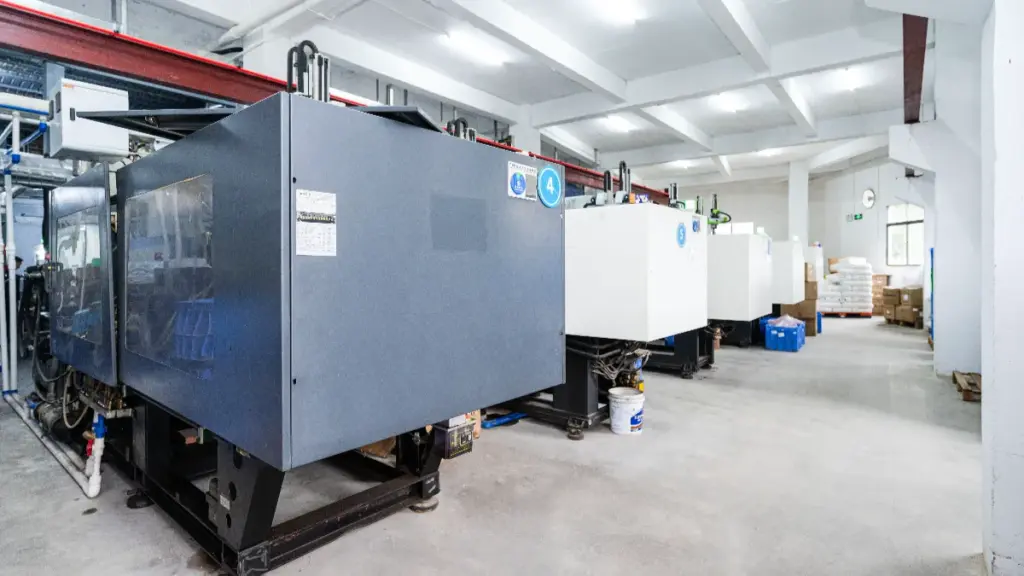
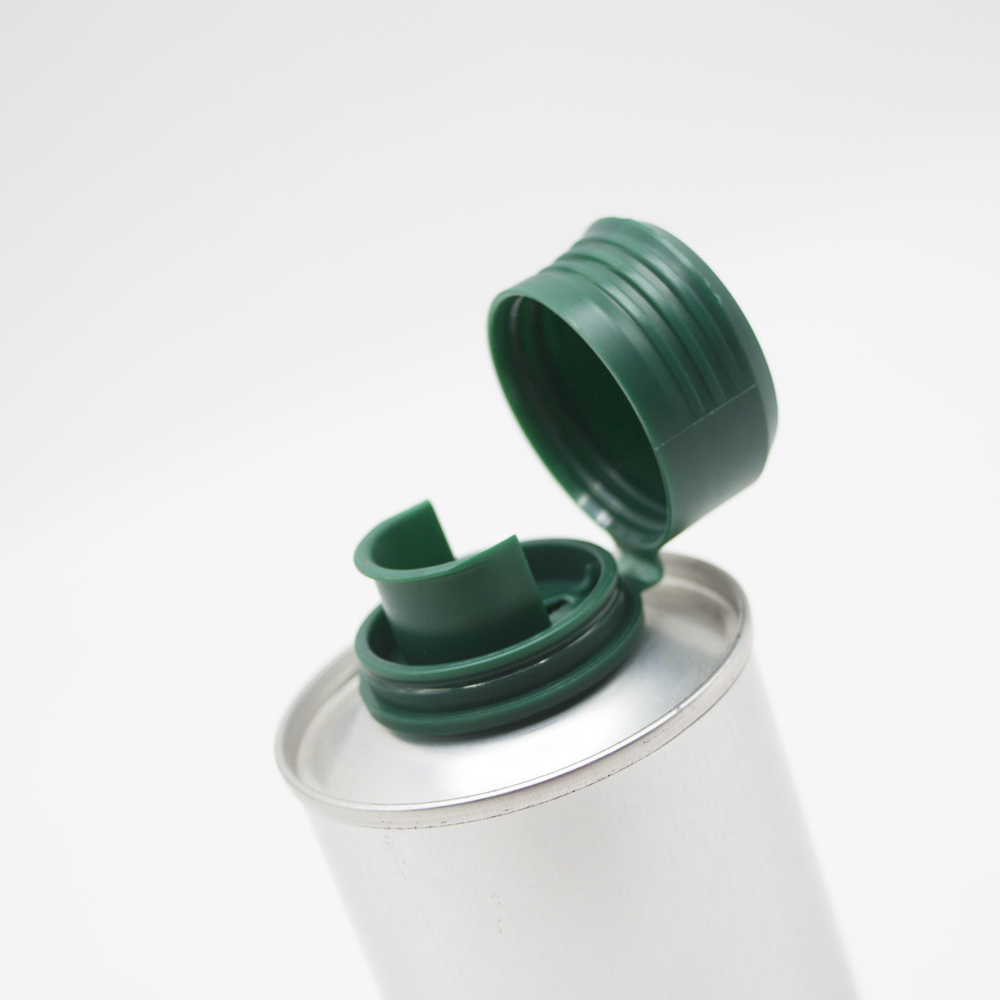
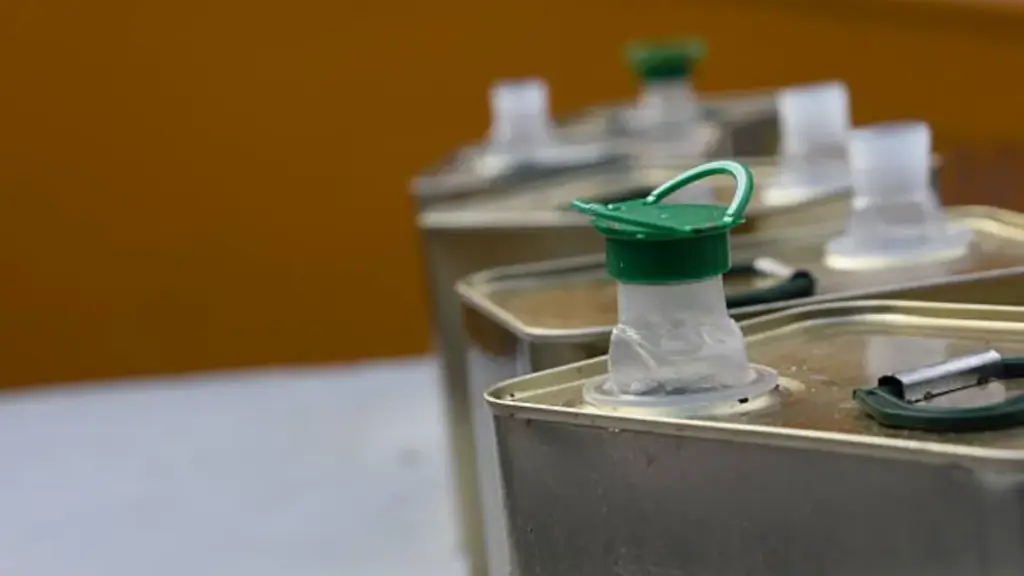
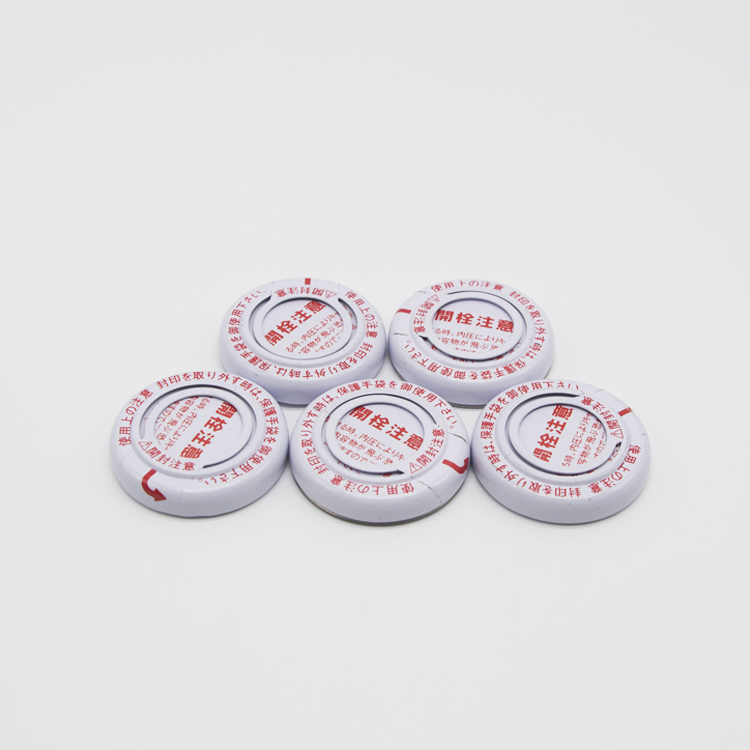
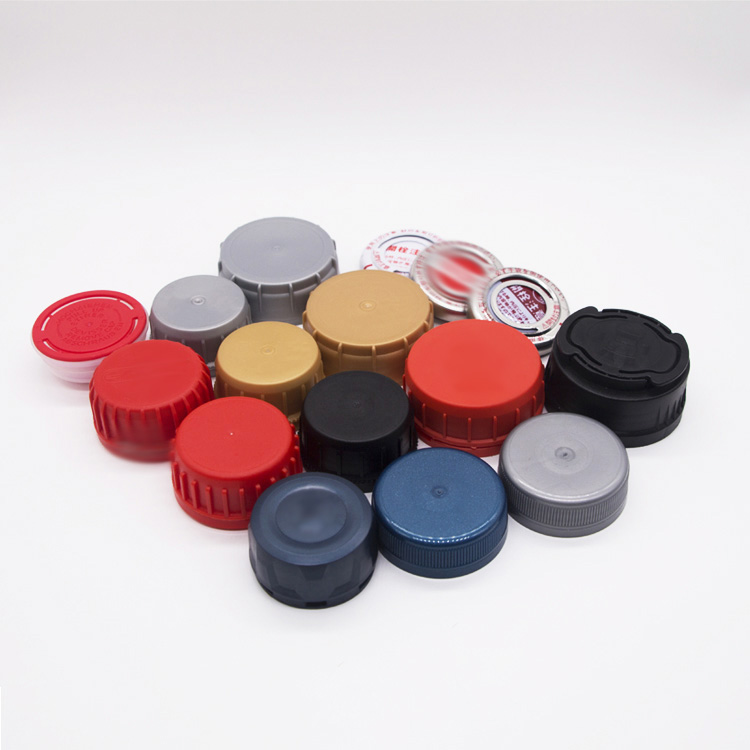
Injection molding is the dominant method for producing solid plastic components with high precision, consistent structure, and complex geometries. At Futen, almost all of our プラスチックキャップ—industrial caps, automotive care caps, household caps, aerosol components, and food packaging closures—are produced through injection molding.
How the Process Works
- Plastic pellets are fed into a heated barrel.
- They melt and are injected at high pressure into a steel mold.
- The material fills the cavity completely.
- The part cools, solidifies, and is ejected.
- The cycle repeats, usually within seconds.
Injection molding is ideal for mass production because the process is repeatable, stable, and extremely accurate.
Advantages and Disadvantages of Injection Molding
利点
- Excellent dimensional accuracy and surface finish
- Capable of producing very complex structures
- High production efficiency for large quantities
- Precise control over wall thickness
- Suitable for multi-component and threaded parts
- Wide material compatibility
短所
- Mold cost is significantly higher
- Longer development time (mold fabrication 60–120 days)
- Less suitable for large hollow items
- Small design changes require mold modifications
Despite these limitations, injection molding remains the best choice for billions of packaging and industrial components worldwide.
Applications for Injection Molding Products
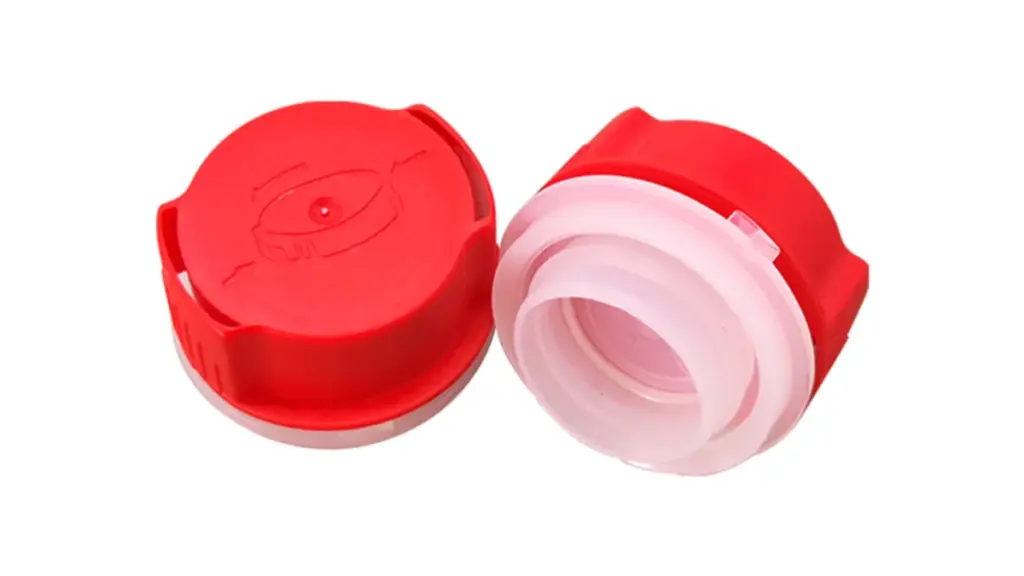
Injection molding is used across nearly every industry, including:
- Caps and closures (industrial caps, flip tops, 子供用の安全キャップ, aerosol caps)
- Automotive components
- Electronics housings
- Household product parts
- Food packaging caps
- Industrial and chemical container closures
- Mechanical parts requiring precision
Products that require strength, accuracy, threads, or locking functions are almost always injection molded.
Key Differences Between Blow Molding vs Injection Molding Explained
Although blow molding and injection molding both rely on melting thermoplastic materials, the way they control material flow, shaping, cooling, and precision differs dramatically—resulting in distinct performance outcomes and cost structures.
1. Material Distribution & Structural Integrity
In blow molding, the parison expands under air pressure, which naturally leads to uneven material distribution, especially in corners and handles. Injection molding, by contrast, fills a closed steel cavity under high pressure and offers much tighter dimensional control, making it suitable for threads, locking mechanisms, and sealing functions.
2. Mold Precision & Cavity Complexity
Blow molds typically have 1–2 cavities with simple steel blocks, while injection molds often include hot runners, sliders, lifters, multi-cavity layouts, and steel tolerances within microns. A standard cap mold may reach 8–32 cavities, dramatically increasing efficiency. At Futen, our cap production also relies on high-precision hot-runner multi-cavity molds paird with Haitian automated injection machines to ensure stable quality and high-volume output.
3. Cycle Time & Output Efficiency
Blow molding cycles are generally longer due to the inflation and cooling stages. Injection molding cycles for caps are typically several seconds, enabling high-volume production and making the process ideal for closures and technical components.
4. Mechanical Performance
Injection-molded parts offer higher tensile strength, better dimensional stability, and superior sealing reliability, while blow-molded products prioritize lightweight structure and volume capacity.
Which Molding Method Is Better for Your Projects?
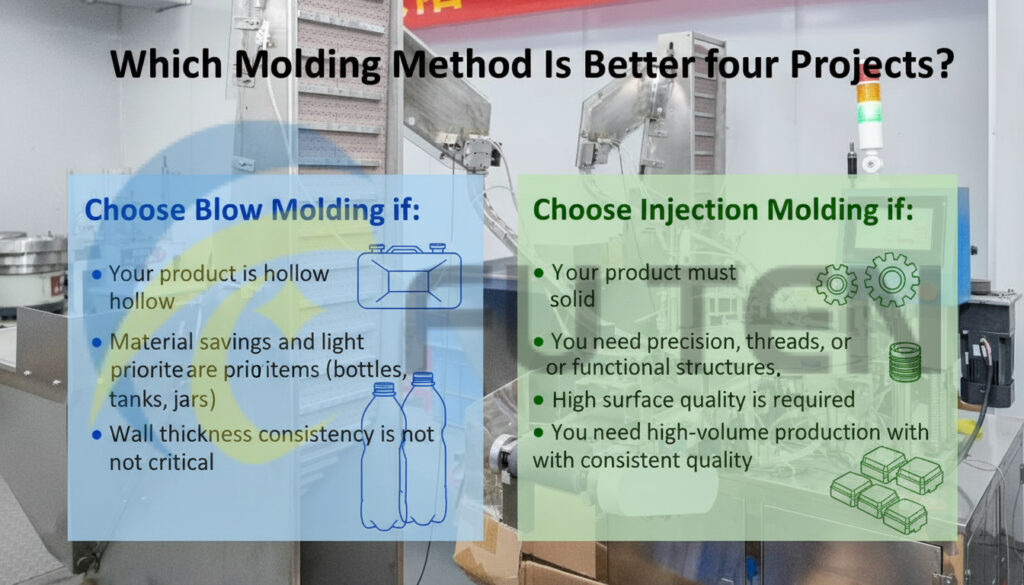
Your ideal process depends entirely on your product’s structure and performance requirements:
Choose Blow Molding if:
- Your product is hollow
- Material savings and light weight are priorities
- You need large items (ボトル, tanks, 瓶)
- Wall thickness consistency is not critical
Choose Injection Molding if:
- Your product must be solid
- You need 精度, threads, or functional structures
- High surface quality is required
- You need high-volume production with consistent quality
At Futen, we use high-speed Haitian injection molding machines and precision molds from industry-leading partners, enabling 1.5× faster mold development while offering over 1,000 mold options to consistently manufacture accurate, reliable caps and closures.
Final Thoughts
For packaging systems, these two processes often work together—bottles made by blow molding and caps made by injection molding. If you need help determining which process suits your product, or need technical guidance on cap design, mold development, or material selection, our engineering team is always ready to assist.