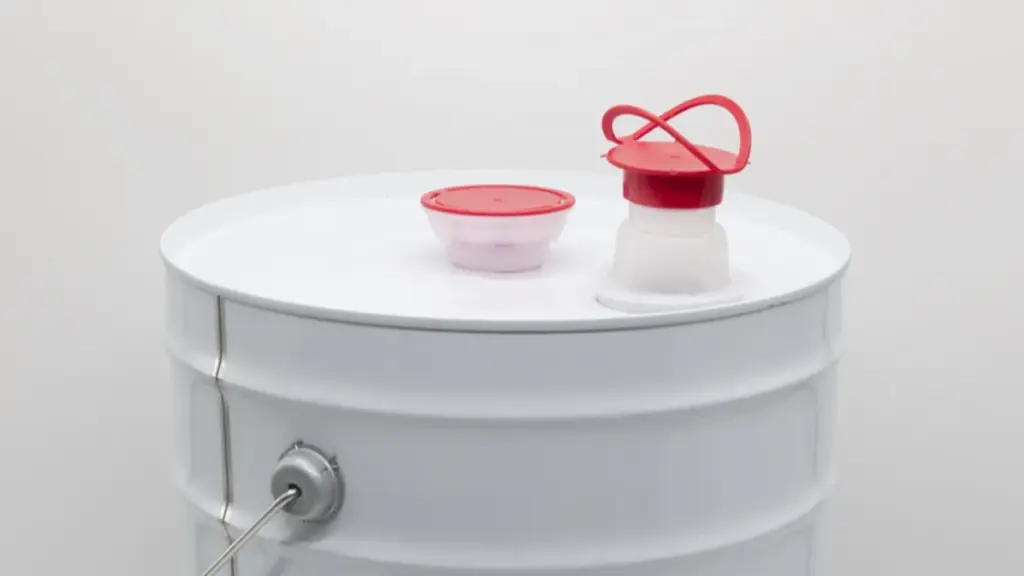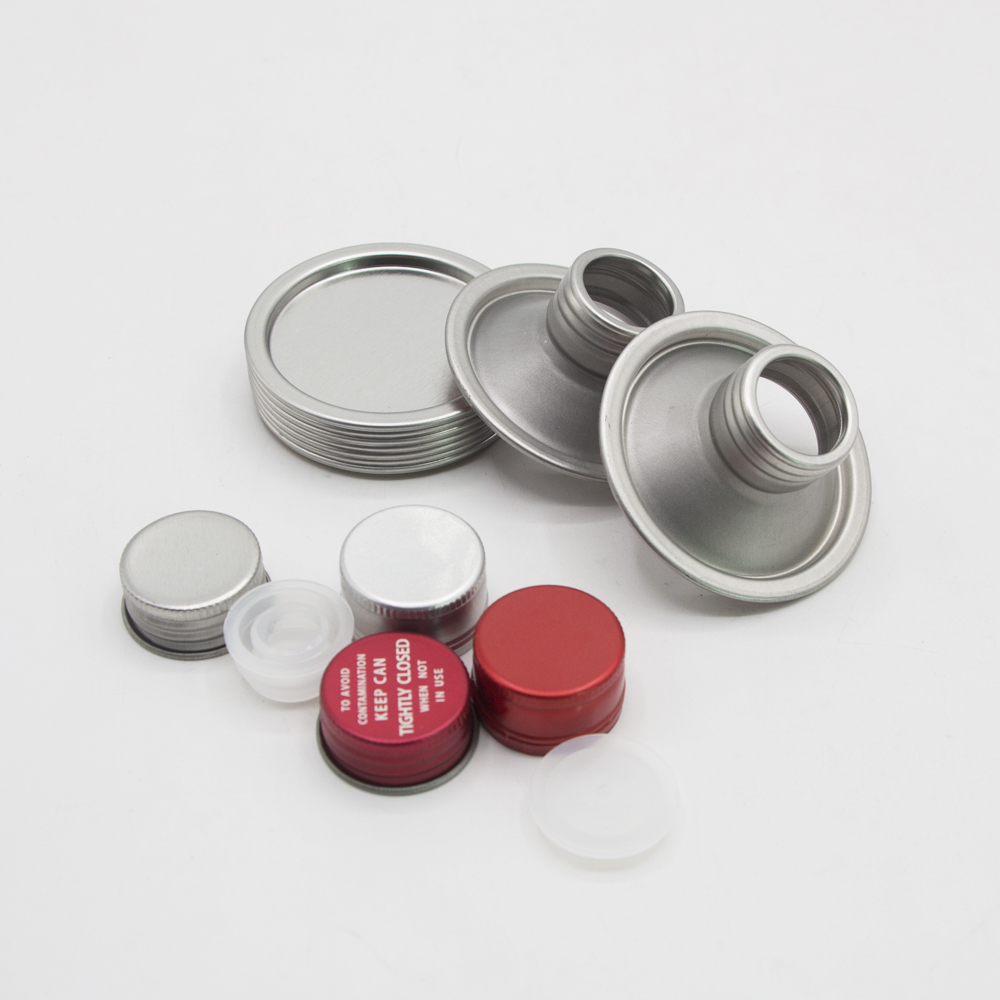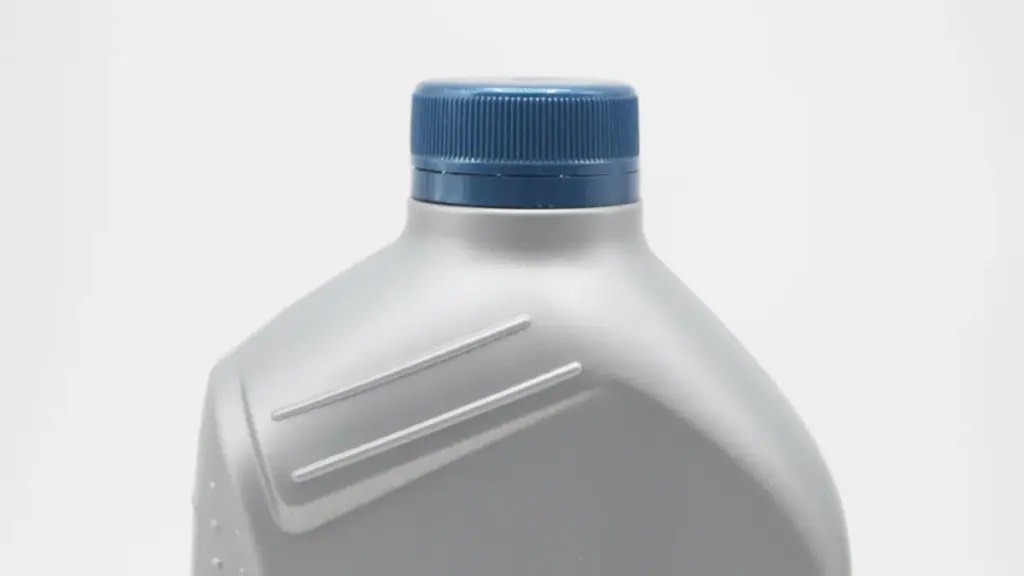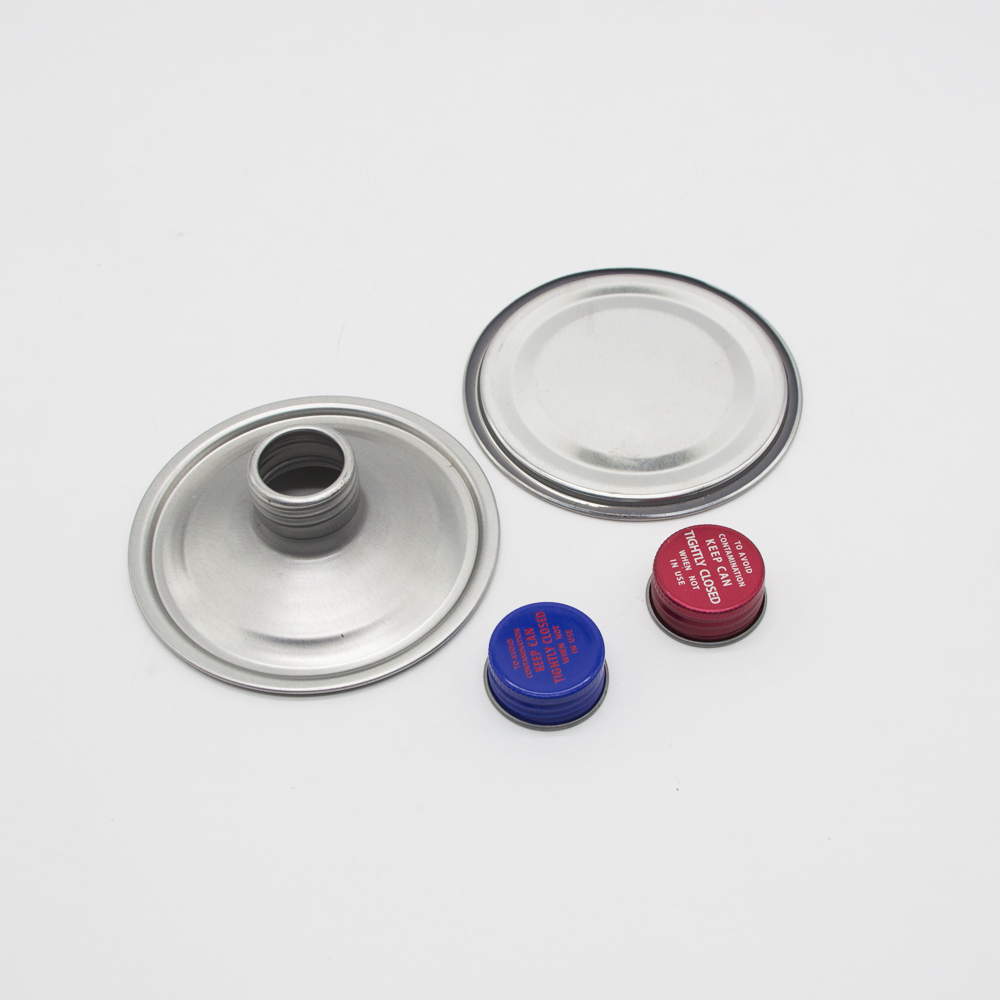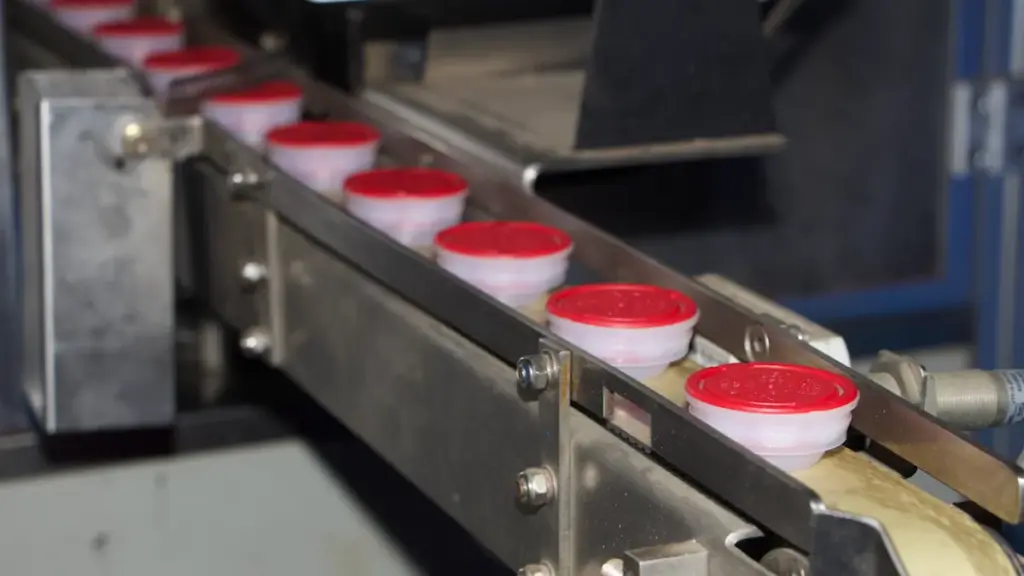
Choosing the right closures and cap liners for oil tin cans is crucial to ensure product integrity, prevent leaks, and maintain safety during storage and transportation. Oil and chemical products vary in viscosity, temperature tolerance, and chemical reactivity, making the selection of liners a key factor in packaging performance.
This guide provides a comprehensive overview of different cap liner types, their materials, and applications, helping manufacturers, distributors, and industrial users make informed decisions. Whether dealing with automotive lubricants, specialty chemicals, or food-grade oils, understanding the properties of liners ensures proper sealing, long-term stability, and customer satisfaction.
What Are Cap Liners?
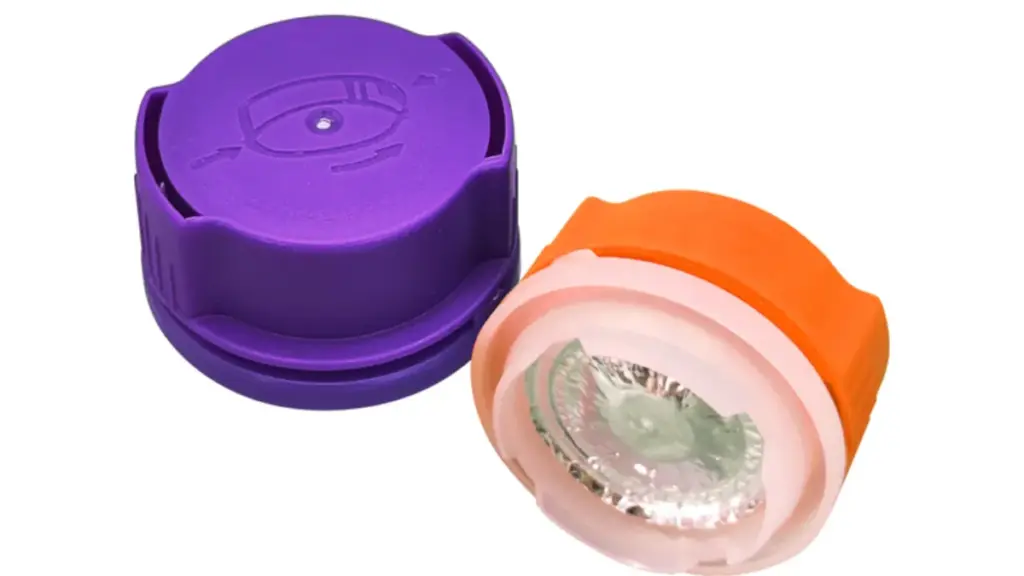
Cap liners are the inner sealing components placed between a screw cap or closure and the container rim. They form a barrier that prevents leakage, contamination, and oxidation. In the context of oil tin cans, liners are critical because they maintain product integrity during transportation, storage, and usage. A proper liner not only keeps the oil from seeping out but also preserves its chemical properties over time.
Advantages of the Right Closure and Liner System
A correctly specified closure and liner system does more than prevent leaks; it actively protects product value, ensures consumer safety, and reinforces brand integrity from the production line to the end user.
Preserving Product Integrity and Shelf Life
The primary function of a closure system is to create a robust physical barrier between the product and the external environment. While metal cans block 100% of light and oxygen, that protection is worthless without a perfect seal. A well-engineered liner prevents air, moisture, and contaminants from entering the can, which directly preserves the chemical stability and quality of the oil. This prevents spoilage and product degradation during transport and storage. Critically, the liner material must be chemically compatible with the oil and its additives to avoid reactions that could compromise the product’s integrity.
Providing Tamper Evidence for Consumer Safety
In both industrial and consumer markets, product authenticity is non-negotiable. Tamper-evident seals offer a clear, visual confirmation that a product has not been opened or compromised since leaving the factory. Technologies like induction sealing weld a foil laminate to the container rim, creating a seal that must be physically broken to access the contents. This feature is not just for safety; it builds significant brand trust and gives customers confidence that they are receiving an authentic, unaltered product.
Matching Sealing Technology to Application Requirements
There is no single sealing solution for every application. The technology must match the product’s properties and the operational environment. Induction seals create a completely hermetic bond, making them ideal for sensitive lubricants or oils that cannot tolerate any exposure to oxygen. Plastisol liners, which form an airtight seal as they cool, are well-suited for high-temperature or hot-fill processes. For other applications, cone liners provide an excellent resealable barrier that prevents evaporation, making them a practical choice for products that are used over time.
Eliminate Supply Chain Risks with Zero-Leakage Caps.
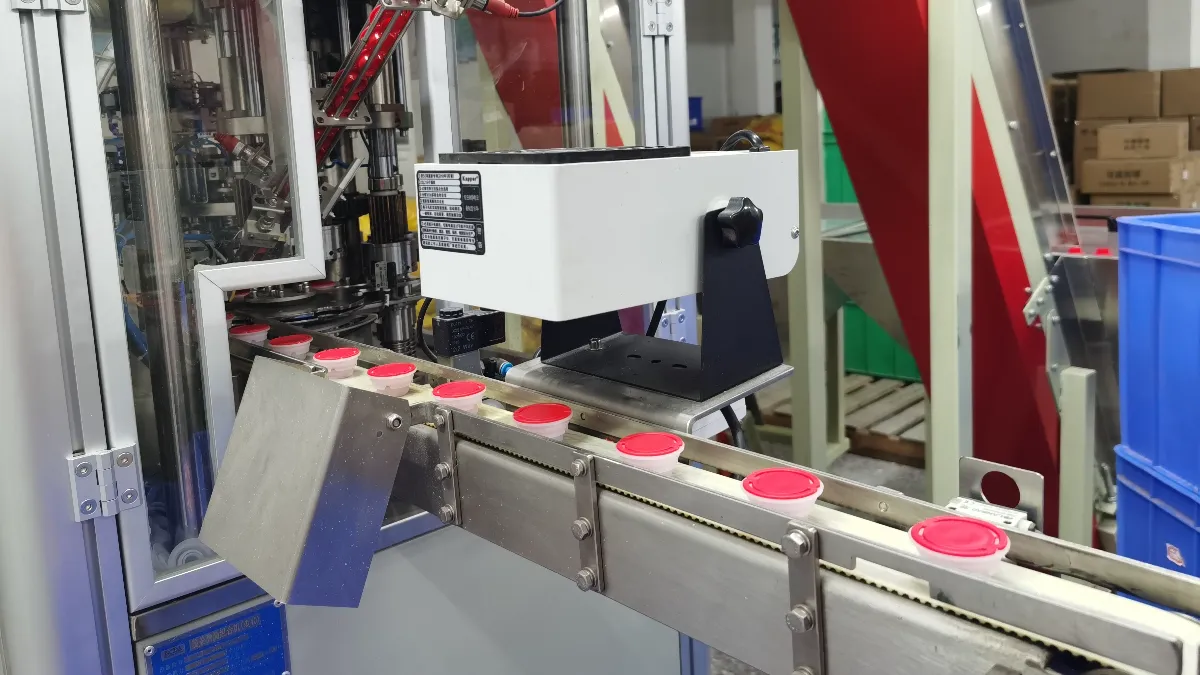
Common Closure Types for Oil Tin Cans
Selecting the right closure is a critical engineering decision that balances tamper evidence, chemical resistance, and the specific demands of the filling process.
Oil tin cans use several closure systems, each engineered for different operational needs and product types. The choice ranges from high-security hermetic seals to standard, chemically resistant screw caps. Understanding the functional differences is key to ensuring product integrity from the filling line to the end user.
Induction-Sealed Closures for Tamper Evidence
Induction-sealed closures use an electromagnetic field to weld a foil laminate directly onto the can’s rim. This process creates a true hermetic seal, which is the most effective barrier against oxidation and moisture contamination. Its primary benefit in the market is providing unambiguous, visual tamper evidence, assuring customers of product safety and authenticity.
Screw Caps with Pulp and Poly Liners for Chemical Resistance
The standard screw cap is often fitted with a pulp and poly liner. This design uses a polyvinyl film bonded to a pulpboard backing, where the film layer makes direct contact with the oil. It offers reliable chemical compatibility with a wide range of oils, alcohols, and mild solvents, making it a workhorse for general-purpose applications that require a dependable seal without the need for hermetic sealing.
Metal Caps with Integrated Plastisol Liners
For hot-fill applications, metal caps with integrated plastisol liners are the industry standard. The plastisol compound, a soft gasket inside the cap, forms a vacuum seal as it cools after the high-temperature filling process. Because the liner is permanently part of the metal cap, it simplifies inventory and assembly. This system is specifically engineered for processes involving high heat, like pasteurization, where creating a vacuum is essential for preservation.
Overview of Cap Liner Types for Oil and Chemical Cans
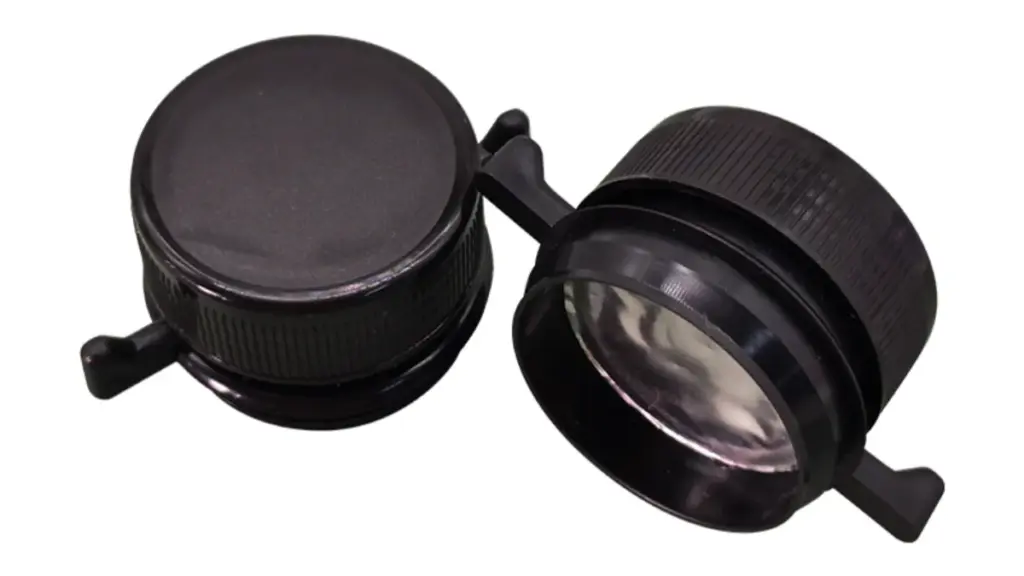
Cap liners come in several designs, tailored for different sealing requirements:
| Cap Liner Type | Material | Key Features | Chemical Resistance | Temperature Range | Typical Applications | Advantages |
|---|---|---|---|---|---|---|
| Foam Liner | PE Foam / PU Foam | Soft, compressible, conforms to container rim | Good for most oils, moderate chemical resistance | -20°C to 80°C | Engine oil, hydraulic oil, general lubricants | Excellent leak prevention, accommodates surface irregularities |
| Solid PE Liner | Polyethylene | Rigid, durable, easy to mold | Compatible with most mineral oils and additives | -40°C to 100°C | Automotive oils, industrial oils | Stable sealing, cost-effective, widely used |
| Solid PP Liner | Polypropylene | Stiff, heat resistant, supports tamper-evident rings | Resistant to mineral and synthetic oils | -20°C to 120°C | High-viscosity oils, tamper-evident caps | Precise molding, high-temperature tolerance, tamper-proof |
| PTFE / Teflon Liner | PTFE | Chemically inert, non-reactive | Excellent for aggressive chemicals, specialty oils | -60°C to 260°C | Specialty chemical oils, reactive fluids | Superior chemical resistance, long-term stability |
| Composite Foil Liner | Aluminum foil + polymer | Multi-layer barrier, compressible | High resistance to oxidation and moisture | -20°C to 150°C | Long-term storage oils, specialty lubricants | Excellent oxygen/moisture barrier, maintains freshness |
| Wadded / Pulp Liner | Compressed paper / pulp with PE coating | Semi-rigid, eco-friendly | Moderate chemical resistance | 0°C to 80°C | Food-grade oils, light lubricants | Environmentally friendly, recyclable, sufficient sealing for low-risk oils |
Common Types of Liner Materials for Oil Tin Cans
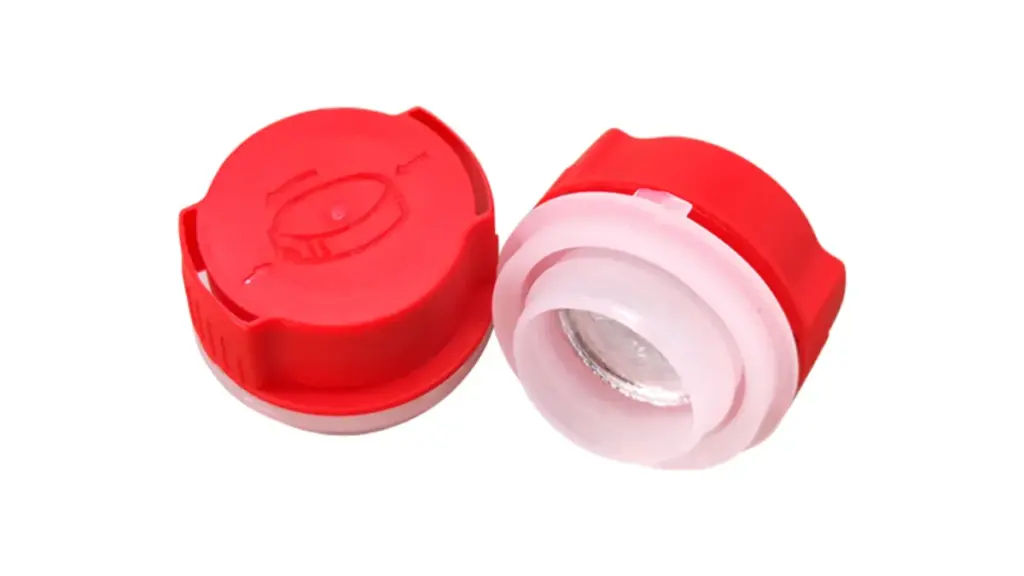
Material selection is one of the most important aspects of liner performance. Common liner materials for oil tin cans include:
- Polyethylene (PE): Offers chemical resistance, flexibility, and ease of molding. Native PE provides consistent quality and is widely used in automotive and industrial oils.
- Polypropylene (PP): Stiffer than PE, PP allows precise manufacturing of tamper-evident features and supports higher temperature resistance. It is often used in screw caps with built-in tamper rings.
- Foam Materials: Polyurethane or PE foam liners offer compressibility and excellent sealing for irregular container openings.
- PTFE: Best for highly reactive or specialty chemical oils. PTFE liners are non-reactive, heat-resistant, and provide a superior barrier.
- Composite Foil: Aluminum or metallized films laminated with foam or polymer layers create strong barriers against oxygen and moisture, ideal for long-term storage oils.
Matching Liners to Product: Oil Type, Viscosity, and Fill Temperature
Successful sealing depends on matching the liner’s polymer chemistry to the product’s chemical makeup, viscosity, and fill temperature to prevent material degradation and ensure a reliable barrier.
Selecting the right liner isn’t a one-size-fits-all process. The interaction between your product and the liner material dictates the performance of your packaging. An oil-based product requires a completely different sealing strategy than a water-based one, and factors like viscosity and processing temperature add further layers of complexity. Getting this match right is the difference between a secure seal and a costly failure.
Liner Selection for Oil-Based and Hydrocarbon Products
For common oils, fuels, and mild acids, Pulp and Poly liners offer reliable chemical resistance. Their polyvinyl film creates a barrier that holds up well against these substances. You must avoid Pressure-Sensitive (PS-22) liners for any oil-based content; their adhesive fails to create a durable seal when it comes into contact with oils, leading to inevitable leaks. When considering induction seals for aggressive formulations, you need to verify the compatibility of the sealing layer. Active hydrocarbons can cause delamination between the foil and polymer layers, compromising the hermetic seal.
| Liner Material | Recommended Use Case | Limitations & Key Considerations |
|---|---|---|
| Pulp and Poly | Oils, alcohols, mild acids, and general hydrocarbon products. | Performs poorly with bleach or highly active hydrocarbons. Not hermetic. |
| Induction Seal (Foil) | Aggressive chemicals, lubricants, and any product needing a tamper-evident, hermetic seal. | Requires compatibility testing with container material (PET, HDPE, etc.) and specific oil formulation. |
| Polyethylene Foam | General-purpose water-based products, household chemicals, and some oils (with testing). | Not a true hermetic seal. Insufficient for very thin, low-viscosity liquids or aggressive solvents. |
| Pressure-Sensitive (PS-22) | Dry powders, thick pastes, and high-viscosity creams. | Completely unsuitable for oil-based liquids; the adhesive bond will fail. Not tamper-evident. |
Sealing Based on Product Viscosity
Product viscosity directly impacts the type of seal required. High-viscosity products, like thick greases or pastes, are less prone to leaking and can sometimes be sealed sufficiently with a simple Pressure-Sensitive liner. Low-viscosity liquids, however, will exploit any weakness in a seal. Thin oils, solvents, and water-based formulas require a more robust solution like an induction seal or a cone liner to create a tight barrier that prevents both leaks and evaporation. A general-purpose foam liner, while economical, often fails to provide an adequate seal for very thin products that can easily find a path through the compressible material.
Managing High-Temperature and Hot-Fill Processes
Hot-fill processes place extreme demands on a liner. Plastisol liners, which are integrated directly into metal caps, are the industry standard for these applications. The material softens when heated during the filling process and forms a rigid, hermetic seal as the product cools. You must confirm that the liner’s specified heat tolerance is compatible with your product’s fill temperature. Failure to do so will result in a weak or incomplete seal. Similarly, the heat generated during the induction sealing process needs to be managed. Ensure the brief, intense heat from the electromagnetic field doesn’t degrade or alter the properties of your product near the container opening.
Choosing Liners for Water-Based or Evaporative Liquids
For water-based liquids or products prone to evaporation, the goal is a tight, reliable seal. Polyethylene Cone liners excel here, particularly with glass bottles. Their wedge shape presses firmly into the container lip, creating a secure plug that minimizes vapor loss. For standard household products where basic leak prevention is the main concern, cost-effective Foam liners are often sufficient. They provide a good compressible seal against leaks but are not designed to be hermetic or tamper-evident, making them unsuitable for products requiring a higher level of protection.
Confirming Liner and Container Material Compatibility
A liner is only as good as its bond to the container. The liner’s polymer coating must be specifically engineered to adhere to the container material, whether it’s PET, HDPE, PP, or glass. For example, an induction seal designed for PET will not create a proper weld on a glass container. Always test the adhesion of your chosen liner on the target container to guarantee a clean, strong seal. A mismatch between the liner and container material is a common source of failure, resulting in everything from slow leaks to complete seal delamination and product contamination.
How to Specify Closures and Liners
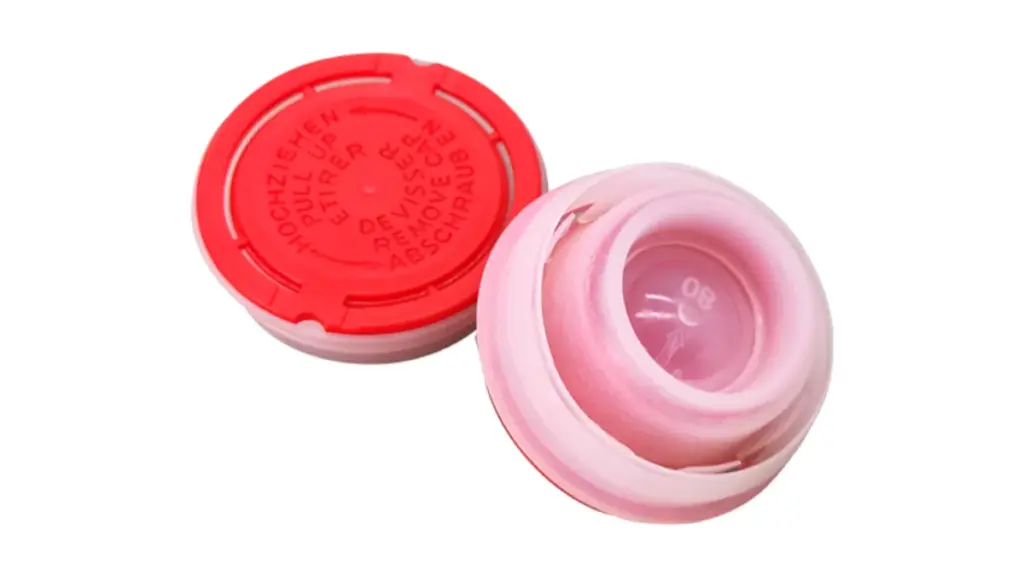
Specifying the right closure and liner system requires a systematic approach, starting with your sealing needs, then matching materials to the product, and finally verifying chemical and physical compatibility with the container.
Assess Sealing and Tamper-Evidence Needs
The first step is to define the level of protection your product requires. If preserving product integrity and extending shelf life are critical, a hermetic seal is necessary. For applications demanding consumer trust and brand protection, specifying an induction seal provides clear, FDA-recognized tamper evidence. In cases where the product is less sensitive and the primary goal is simple leak prevention during shipping, a basic liner might be sufficient.
Match Liner Type to Product and Application
The liner material must align with the product’s physical state and the filling process. Pressure-sensitive (PS) liners are a practical choice for dry goods or thick liquids where tamper evidence isn’t a primary concern. For high-temperature, hot-fill processes like canning, plastisol liners form a necessary airtight seal as they cool. Polyethylene cone liners are engineered for liquids in glass bottles, effectively preventing evaporation. For products requiring good chemical resistance, such as oils or mild acids, pulp and poly liners offer a reliable barrier.
Verify Material Compatibility with Container and Contents
Final verification involves ensuring the entire packaging system works together. The liner’s coating must bond effectively to the specific container material, whether it’s PET, HDPE, or glass. The liner material itself must be chemically inert when in contact with your product to prevent degradation, swelling, or contamination. You must also account for the product’s entire lifecycle, including storage conditions and the temperature ranges it will experience, as these factors directly impact liner performance and seal integrity.
Conclusion
This guide provides a comprehensive overview of oil tin can closures and liners, offering practical insights for selecting, testing, and applying these components. Manufacturers looking for reliable cap and liner solutions can ensure product integrity, reduce operational risks, and enhance user satisfaction by choosing the right combinations. FUTEN offers a wide range of high-quality closures and liners suitable for various oils and industrial applications, with customization options to meet specific packaging requirements.
Use this guide to audit your current packaging or to specify components for a new product line. If you need help matching a liner to a specific chemical or want to test a closure solution, contact our team to request a consultation or sample.
Frequently Asked Questions
Can one liner type work for all oil types?
No, compatibility depends on oil chemistry, viscosity, and fill temperature. PE and PP cover a broad range, but specialty oils may require PTFE or composite liners.
How can I prevent leaks during transportation?
Using a properly compressed liner with the correct closure type, combined with standardized torque during capping, is essential. Tamper-evident or foam liners further reduce leakage risk.
Are tamper-evident caps necessary for all oils?
While not always mandatory, tamper-evident caps provide additional security and are recommended for automotive, industrial, or specialty oils where integrity is critical.
Can liners withstand high filling temperatures?
Certain materials, like PP or PTFE, are designed for hot-fill conditions. It is important to check the material’s temperature tolerance against your filling process.
Can I use the same cap liner for oil and food products?
It is not recommended to use the same liner for all oil and food products, as different products have unique requirements. For example, Plastisol liners are specifically designed for high-temperature, hot-fill food applications like sauces. In contrast, Pulp and Poly liners are formulated for their chemical resistance to oils. Liner selection must be tailored to the product’s specific contents and storage conditions.
How do I troubleshoot leaks in oil tin can closures?
Leaks in oil tin can closures often stem from an improper liner selection. The first step in troubleshooting is to confirm the liner’s chemical compatibility with the oil. For instance, using a pressure-sensitive liner, which is unsuitable for oils, or a foam liner, which does not create a true seal, could be the cause. Ensuring you are using a liner designed specifically for oils, like Pulp and Poly, is critical to prevent leaks.