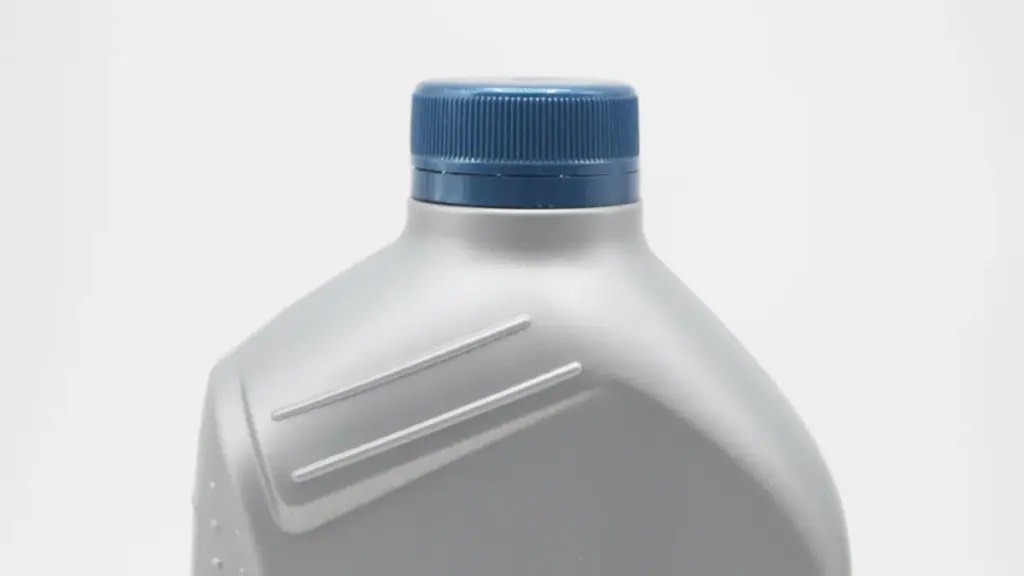
It doesn’t matter how high-quality your lubricant is if the bottle leaks during transport. A single seal failure can ruin an entire pallet and damage your brand’s reputation instantly.
The problem is rarely the bottle itself—it’s the cap. Whether it’s a mismatched thread or the wrong plastic material, small oversight leads to big messes. This guide cuts through the technical noise to help you match the perfect material (PEAD ou PP), thread standard (SPI), and cap type to your container, ensuring your product arrives exactly as it left the factory.
Quick Selection Table: Matching Screw Cap Types to Lubricant Applications
| Cap Type | Função Primária | Ideal Lubricant Application |
|---|---|---|
| Pressure Cap | Creates an airtight closure with easy opening for frequent access. | Petroleum-based mineral oils and water-miscible coolants requiring frequent reapplication. |
| Tampa de rosca | Provides secure fastening for high-vibration or heavy-duty machinery. | Sealed grease systems using lithium or lithium complex thickeners. |
| Protection Cap | Shields greasing nozzles from environmental contaminants like dust and debris. | High-purity lubricants (medical, semiconductor, aerospace) where contamination control is critical. |
Common Types of Plastic Screw Caps for Lubricants
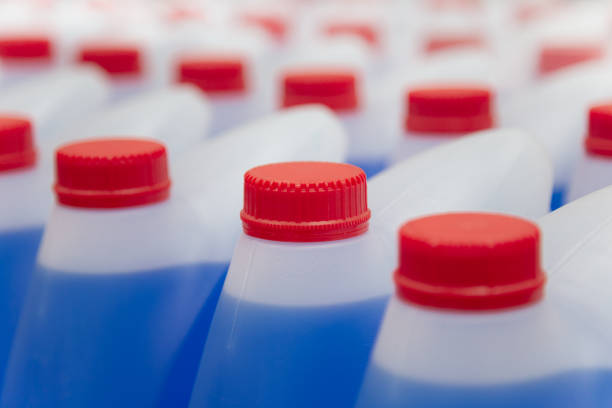
Pressure Caps for Liquid Lubricants and Coolants
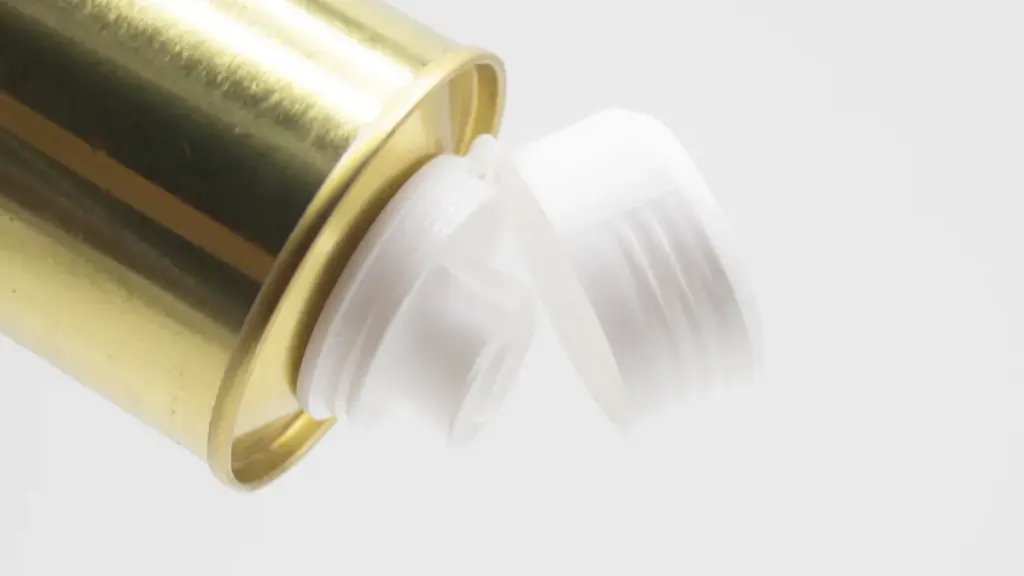
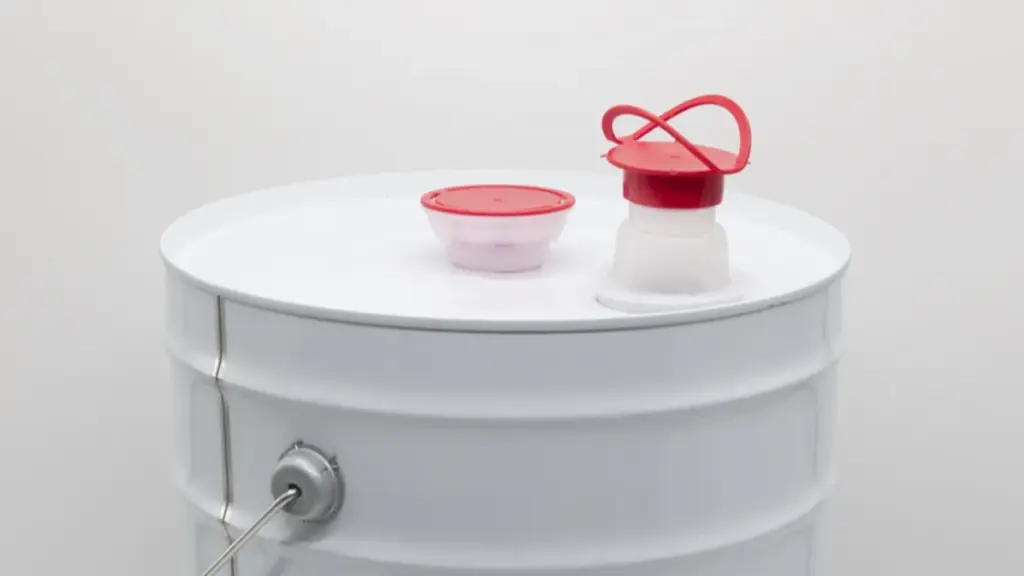
Pressure caps are engineered to create an airtight seal that is still easy to open, making them ideal for situations requiring frequent lubricant access. This design is highly practical for reapplying petroleum-based mineral oils or topping off tap lubrication systems with water-miscible coolants. Because they can be removed and reapplied without tools, they streamline routine maintenance tasks where speed and convenience are essential.
Screw Caps for High-Vibration and Sealed Grease Systems
For heavy-duty machinery or equipment prone to constant vibration, a standard pressure cap is insufficient. Screw caps provide a more secure and robust fastening, ensuring the closure remains tight under demanding operational conditions. They are particularly well-suited for sealed grease fittings that use stable lithium or lithium complex thickeners, where maintaining a reliable, long-term seal is critical to preventing lubricant leakage and system contamination.
Protection Caps for Contamination-Sensitive Applications
In environments where cleanliness is paramount, protection caps are essential. Their primary role is to shield greasing nozzles from dust, debris, and other environmental contaminants that could compromise the lubricant. This is especially critical for high-performance formulations, such as medical-grade, semiconductor, or aerospace-grade greases, where even minor impurities can lead to equipment failure or product defects.
Technical Classification and Applications
Classifying Cap Types by Primary Function
For maintenance and grease fittings, plastic screw caps fall into three functional categories. Each is engineered to address a different set of field requirements.
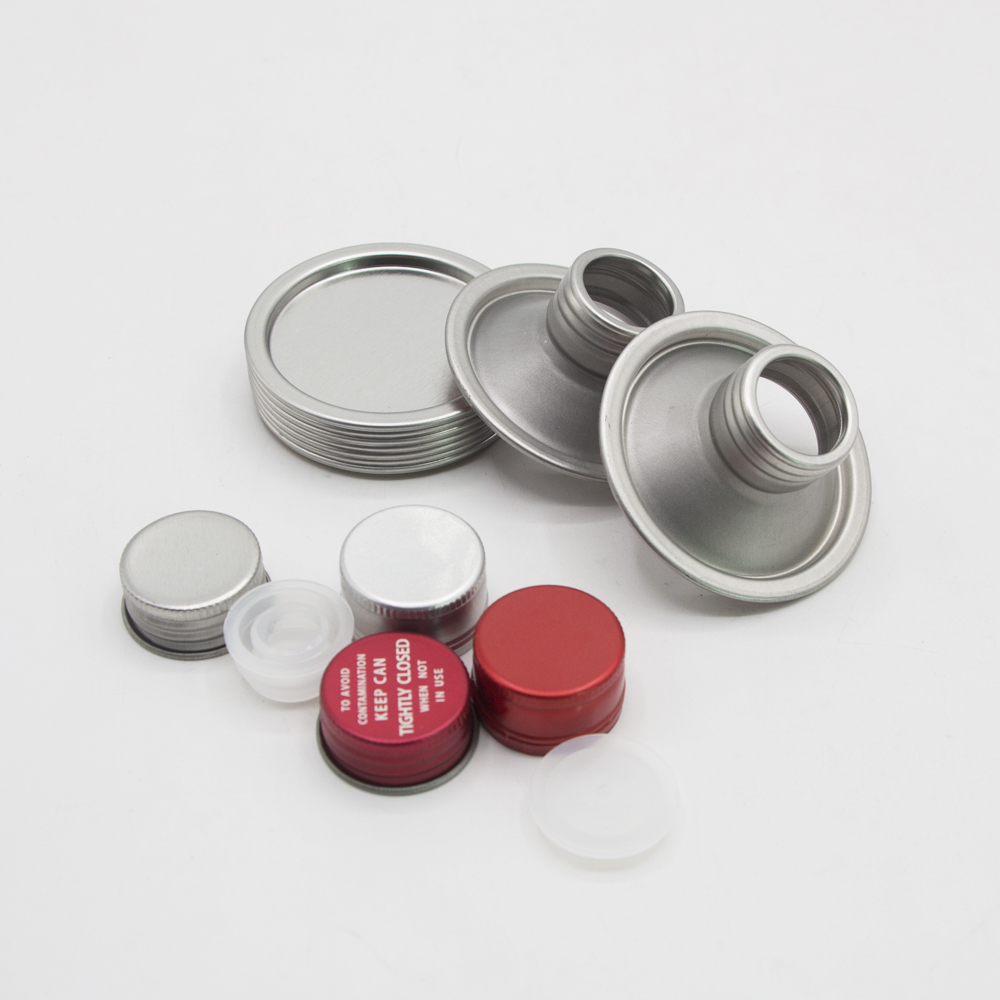
- Pressure caps: These caps create an airtight closure but are designed for easy opening and closing. They are the standard choice for routine maintenance tasks on grease fittings where quick access is a priority.
- Tampas de rosca: Built for secure fastening, screw caps provide a tight, reliable seal on equipment that experiences heavy vibration or requires long-term closure integrity.
- Protection caps: Their sole function is to shield greasing nozzles and fittings from environmental contaminants. These are essential in dusty, dirty, or high-purity applications to prevent debris from entering the lubrication system.
Matching Cap Type to Lubricant Class
The physical properties and application method of the lubricant dictate the best cap type. Aligning the cap to the lubricant ensures both product integrity and efficient application.
- Liquid Lubricants (Óleos): Pressure caps are the practical choice for petroleum-based mineral oils. They allow for frequent reapplication without needing tools, streamlining routine lubrication schedules.
- Grease Applications: For standard sealed grease fittings, screw caps offer the necessary secure closure. For high-purity or specialized greases, such as those used in aerospace or medical devices, a protection cap should be used over the fitting to prevent contamination.
- Cooling Lubricants: Machining operations often require frequent application of coolants. Pressure caps provide the quick access needed to maintain lubrication without interrupting workflow.
Evaluating Environmental and Operational Demands
The final selection comes down to a practical assessment of the working conditions. An ideal cap choice meets the demands of the specific application environment and maintenance schedule.
- Lubrication Frequency: High-frequency application schedules strongly favor pressure caps. Their quick-access design minimizes downtime during routine maintenance.
- Contamination Risk: Any environment with high levels of dust, dirt, or debris requires protection caps to shield sensitive grease nozzles and maintain lubricant purity.
- Operational Environment: For machinery subject to high vibration, a standard pressure cap may loosen over time. A securely fastened screw cap is necessary to ensure the closure remains in place.
Guaranteed Zero-Leakage Closures For Your Brand
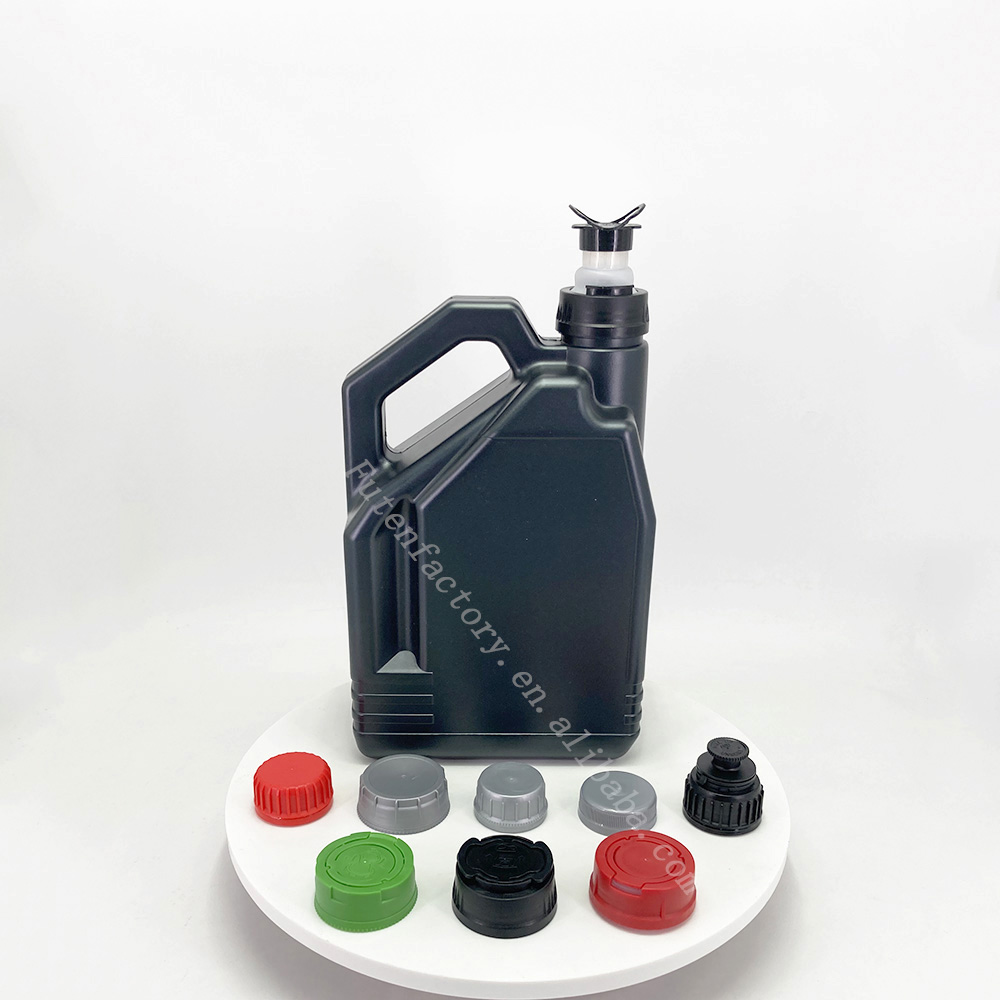
Common Materials Used in Plastic Screw Caps
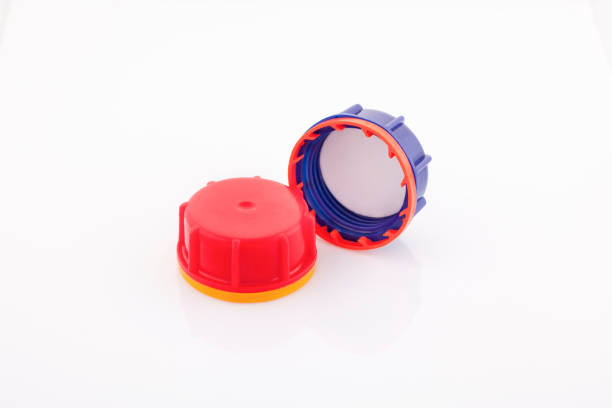
The lubricant industry relies heavily on Polipropileno (PP) and High-Density Polyethylene (PEAD). This focus on high-performance plastics reflects an industry-wide shift away from heavier, more expensive metal caps, prioritizing lightweight and cost-effective packaging without compromising sealing integrity during storage and transport.
Polipropileno (PP)
Polypropylene is the versatile all-rounder of the cap market. It is widely valued for offering excellent chemical resistance against a broad range of substances at a competitive price point.
- Key Advantage: It is easy to mold, allowing for significant flexibility in cap design, color options, and functionality.
- Best Use Case: PP is suitable for a wide array of general lubricant and chemical applications where reliable product compatibility and cost control are essential.
Polietileno de alta densidade (PEAD)
HDPE is the standard for applications demanding higher structural rigidity. When the packaging needs to survive rough handling or higher temperatures, HDPE provides superior durability compared to standard plastics.
- Key Advantage: It offers exceptional toughness and can withstand temperatures up to 100°C. This ensures the cap maintains its structural integrity and prevents leaks even under physical stress.
- Best Use Case: Ideal for industrial oils and heavy-duty lubricants stored in demanding environments.
Low-Density Polyethylene (LDPE)
While PP and HDPE are the workhorses, Low-Density Polyethylene (LDPE) serves a specialized role where flexibility is key.
- Key Advantage: Unlike rigid screw caps, LDPE is softer and more pliable, making it perfect for snap-on parts or tight-fitting covers. Formulations often include UV stabilizers to resist weathering.
- Best Use Case: Commonly used for protective caps, such as those covering bolt heads, greasing nozzles, or spout tips that require easy removal.
How Sizes and Thread Standards Affect Compatibility
Why Thread Standards Are Not Interchangeable
A successful pairing between a cap and a bottle requires that the external (bottle) and internal (cap) threads engage smoothly. This is only possible when a complete set of geometric dimensions match. The most critical factors include the thread profile (its shape), tom (the distance between threads), and the major and minor diameters. For lubricant packaging, the most prevalent system is the Society of the Plastics Industry (SPI) neck finish standard, which defines these dimensions with a simple code.
| Common SPI Thread Standard | Key Characteristics | Aplicação Primária |
|---|---|---|
| 400 Terminar | A single thread turn with a standard, short neck profile. | General-purpose screw caps for lubricants, produtos químicos, and industrial products. |
| 410 Terminar | Características 1.5 voltas de linha, creating a taller neck profile. | Caps that accommodate pumps, pouring spouts, or flip-top dispensers. |
| 430 Terminar | A buttress finish with thick threads and a top bead for a stronger seal. | Applications requiring higher application torque and enhanced sealing. |
Confirming Physical Compatibility
To ensure a proper fit, you must verify the container’s neck finish, typically expressed with a two-part code like “28-410.” The first number (28) is the outer diameter of the bottle neck in millimeters, measured across the thread peaks (o “T” dimension). The second number (410) identifies the thread style and height. Always select a cap with the identical code to ensure the diameter and thread profile match. When testing a fit, the cap should engage smoothly without force; resistance indicates a mismatch that should not be ignored.
Evaluating Operational Demands
Beyond the physical fit, consider the operational environment. Equipment subject to heavy vibration requires a cap with a robust thread engagement, like a 415 ou 430 finish, to prevent loosening. If the lubricant requires frequent application, a standard 400-finish cap offers quick access. For high-value or sensitive lubricants, a protection cap that completely shields the nozzle from environmental dust and debris is necessary. The choice always balances security against accessibility.
How to Choose the Right Type of Plastic Screw Caps?
Selecting the right plastic screw cap requires a systematic evaluation of your operational environment, lubricant properties, application frequency, and critical compatibility checks.
Etapa 1: Assess Operational Environment and Contamination Risk
Start by evaluating the conditions where the lubricant will be applied and stored. A machine operating in a dusty factory or outdoor environment is exposed to high levels of debris and moisture, requiring a cap that provides a robust shield.
Use this checklist to match your environment to the correct cap feature:
| Selection Factor | Recommended Cap Type | Technical Rationale |
|---|---|---|
| High Vibration / Heavy Machinery | Standard Screw Cap | Ensures a secure fastening that resists loosening, maintaining a long-term seal under demanding operational stress. |
| Frequent Dispensing / Top-Offs | Pouring / Tampa do bico | Provides controlled, directional pouring that minimizes spillage and allows for quick reapplication without full cap removal. |
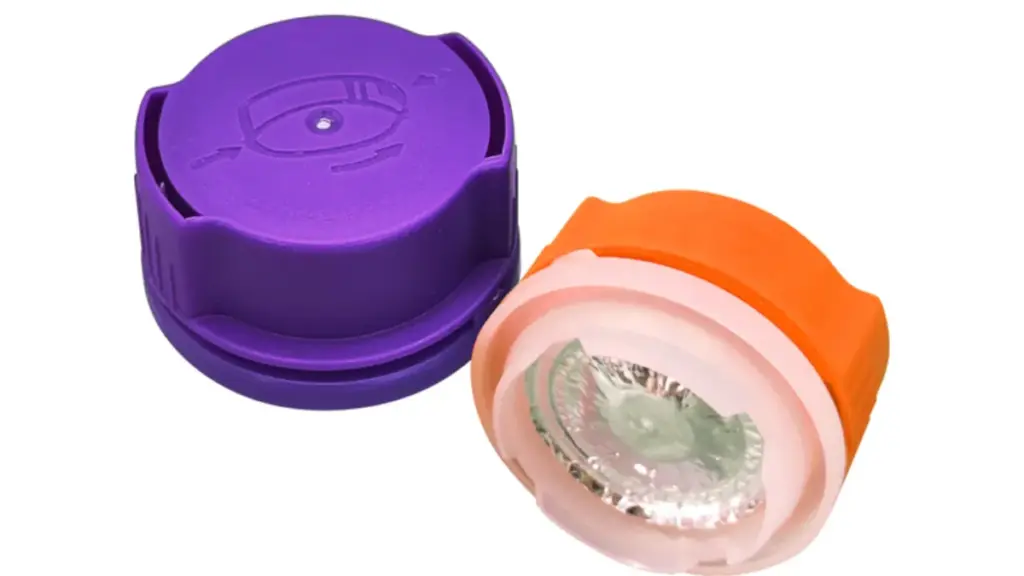
| Product Purity / Tamper Evidence | Induction Seal or Tamper-Evident Cap | Cria um hermético, airtight seal or a physical barrier that provides irreversible proof of first opening, guaranteeing product integrity. |
| Hazardous Contents / Child Safety | Child-Resistant Cap (CRC) | Requires a two-motion opening mechanism (por exemplo, push-and-turn) to prevent accidental access, meeting CPSC regulatory standards. |
Etapa 2: Match Cap Style to Application Frequency
The lubricant’s viscosity and how often it needs to be applied directly influence cap selection.
- Low-Viscosity Oils: For fluids that require frequent top-offs, a pressure cap or a spout cap provides the quick access needed for efficient maintenance.
- Sealed Grease Fittings: For systems using stable, long-lasting lithium complex thickeners, a secure screw cap is the better choice. It offers a robust, long-term closure that protects the grease point between infrequent service intervals.
Etapa 3: Specify Protection for High-Purity Applications
In applications where lubricant purity is non-negotiable, a standard cap is insufficient. Environments like semiconductor manufacturing or medical device assembly demand specialized protection caps to shield greasing nozzles from microscopic contaminants. These are essential for sensitive lubricants, such as medical-grade PTFE formulations or aerospace-grade compounds, where any foreign particle can lead to catastrophic failure.
Etapa 4: Verify Physical and Chemical Compatibility
Compatibility is the final and most critical check. This involves two distinct validations:
- Resistência Química: Ensure the cap material (typically HDPE or PP) is chemically compatible with the specific lubricant formula and any cleaning agents used. PEAD, por exemplo, offers excellent resistance to industrial oils and can withstand temperatures up to 100°C.
- Mechanical Fit: Confirm the cap’s thread size and pitch (por exemplo, 38-400) perfectly match the container’s neck finish. Mismatched threads will fail to seal properly and can cause jamming or stripping.
Considerações Finais
Selecting the appropriate plastic screw cap is essential for ensuring lubricant integrity and supply chain safety, going beyond basic containment. Whether you need the quick access of a pressure cap or the security of a screw cap, using the right material and thread standard is essential to prevent leaks and contamination.
No introduzido, we understand these technical demands. We specialize in manufacturing high-precision plastic closures designed to withstand industrial rigors while maintaining a perfect seal. Instead of guessing, let our team help you verify your specifications. Contate-nos hoje to discuss your packaging needs or request a sample.
Perguntas frequentes
Which Plastic Material Is Better for Lubricant Caps: PEAD ou PP?
It depends on the job! HDPE is the “tough guy”—rigid and heat-resistant (up to 100°C), making it perfect for rough industrial handling. PP is the flexible all-rounder, offering excellent chemical resistance and easier molding for complex cap shapes.
How Do I Ensure a Screw Cap Fits My Lubricant Bottle Neck?
It’s all about the SPI code (como 28-410). Simply match the cap’s code exactly to your bottle’s neck finish. If you have to force it, it’s the wrong fit—and a leak waiting to happen.
When Should I Choose a Pressure Cap Over a Standard Screw Cap?
Choose pressure caps for speed—they allow you to top off coolants or oils quickly without tools. Go with standard screw caps for security, especially if your machinery vibrates heavily or the bottle needs to survive long-distance transport.
What Is the Advantage of a 430 “Buttress” Thread Finish?
Think of it as extra grip strength. O 430 finish uses thicker threads designed to handle higher torque. It bites down harder than standard threads, ensuring the cap won’t “back off” during rough shipping or intense vibration.
Are Tamper-Evident Caps Necessary for Industrial Lubricants?
For building trust? Absolutely. A tamper-evident ring gives your customers instant visual proof that the product hasn’t been diluted or swapped before they open it. It’s a small feature that protects your brand’s reputation.