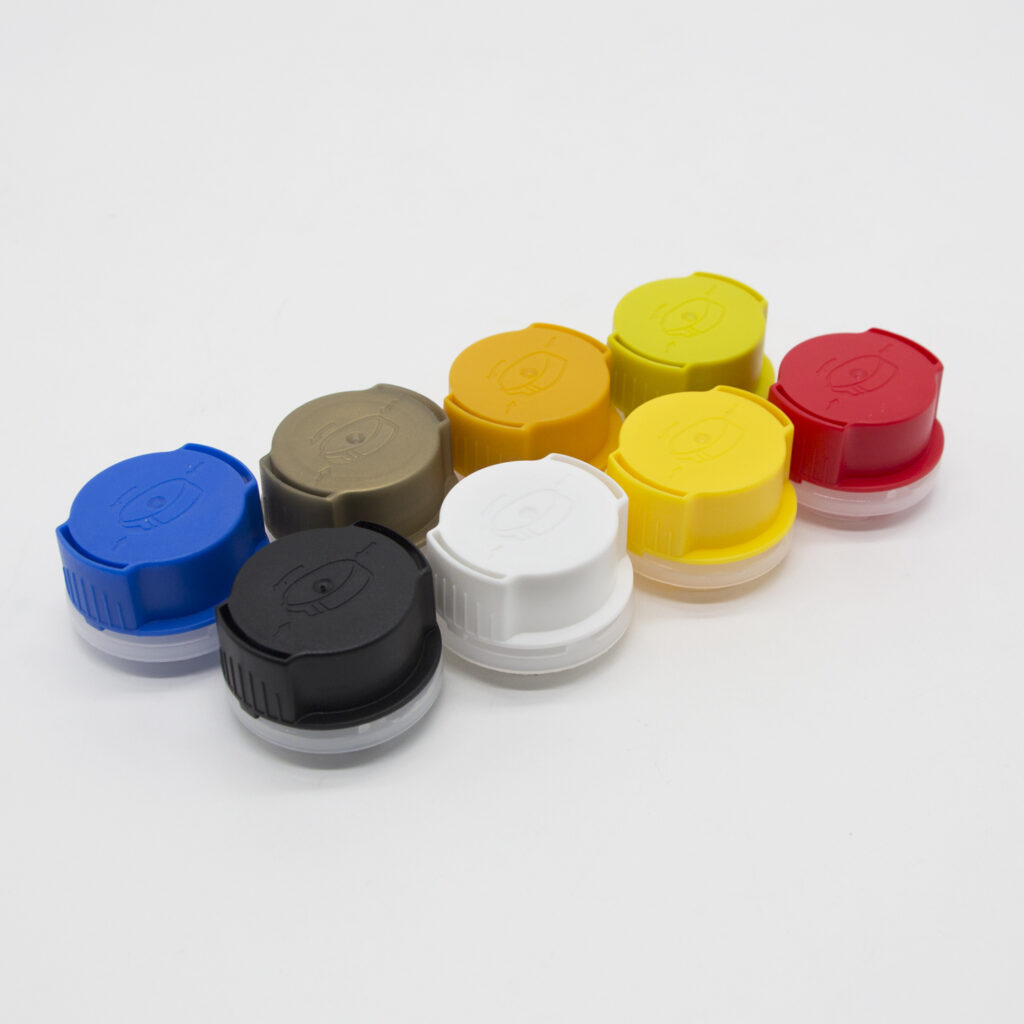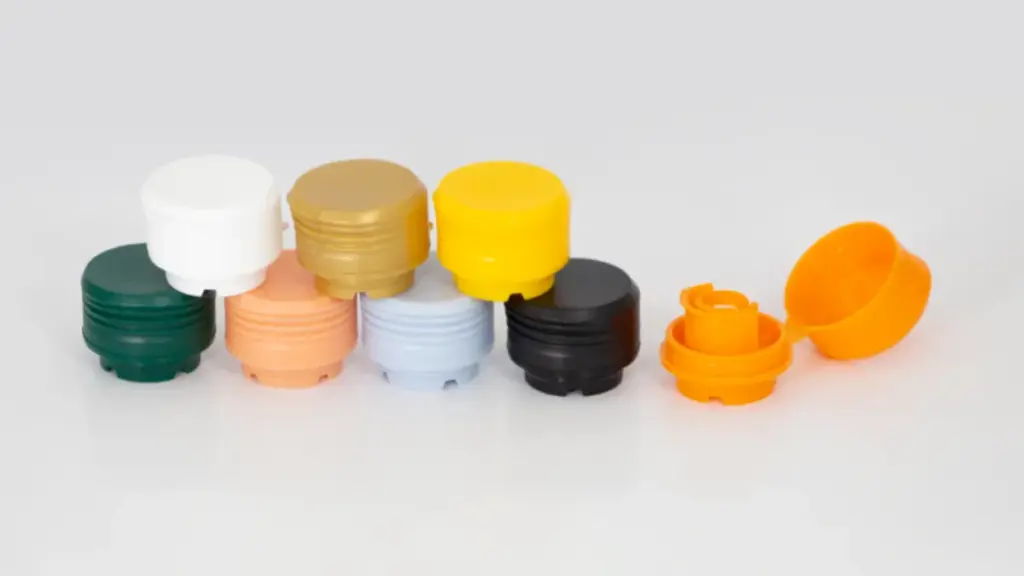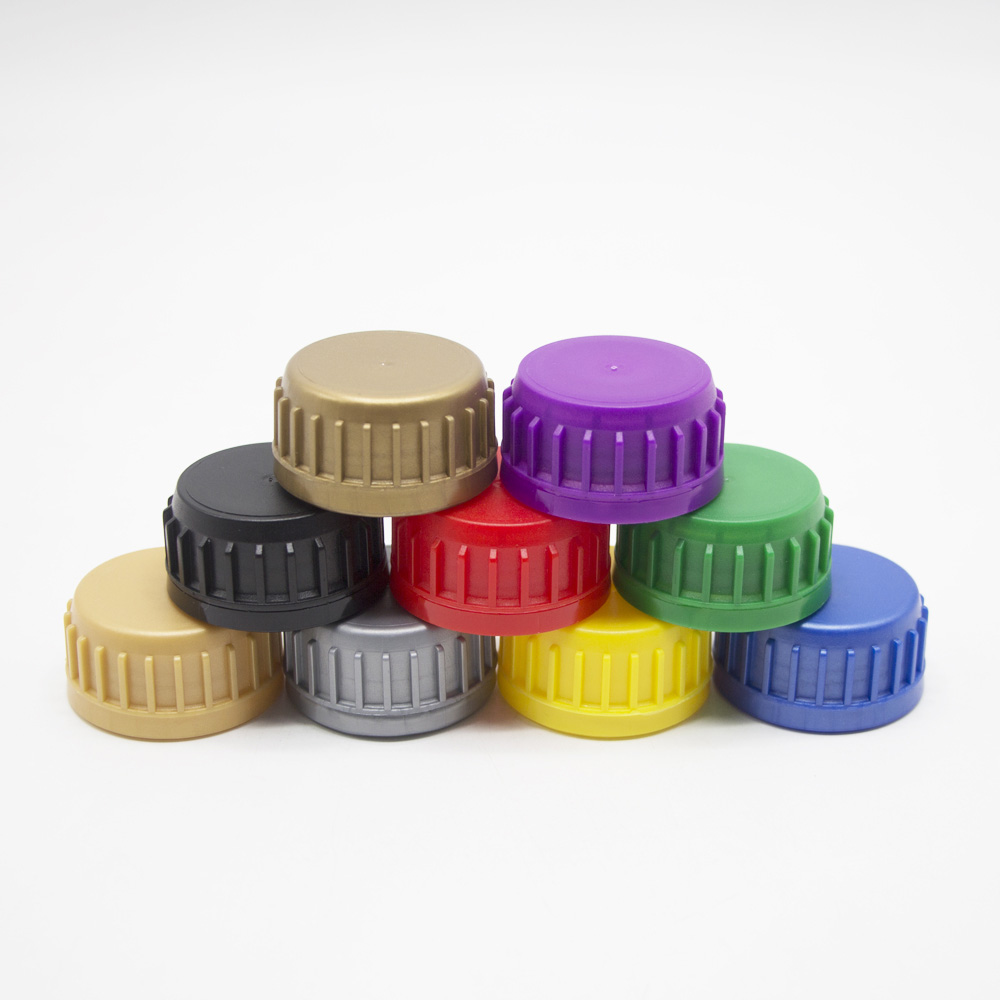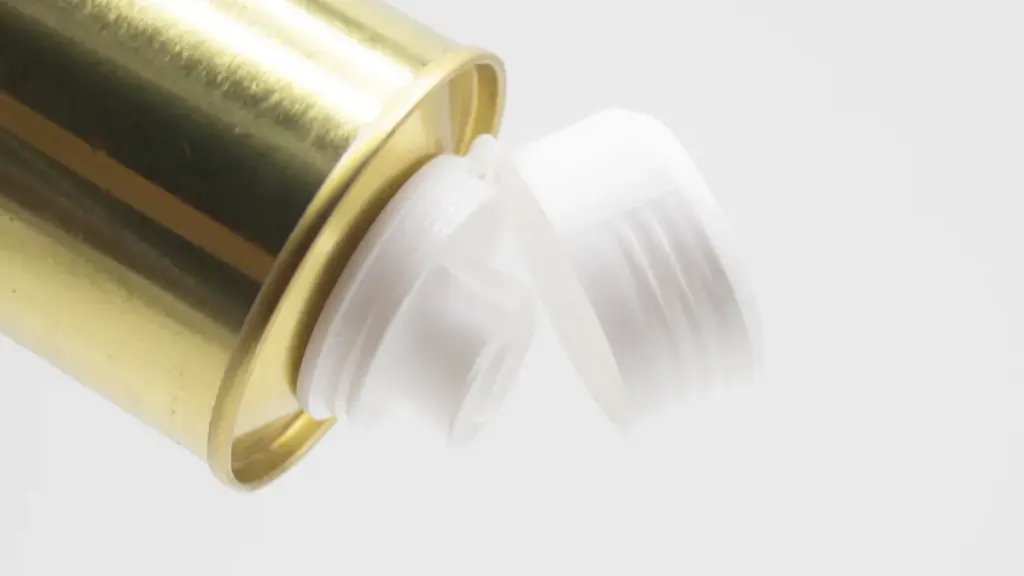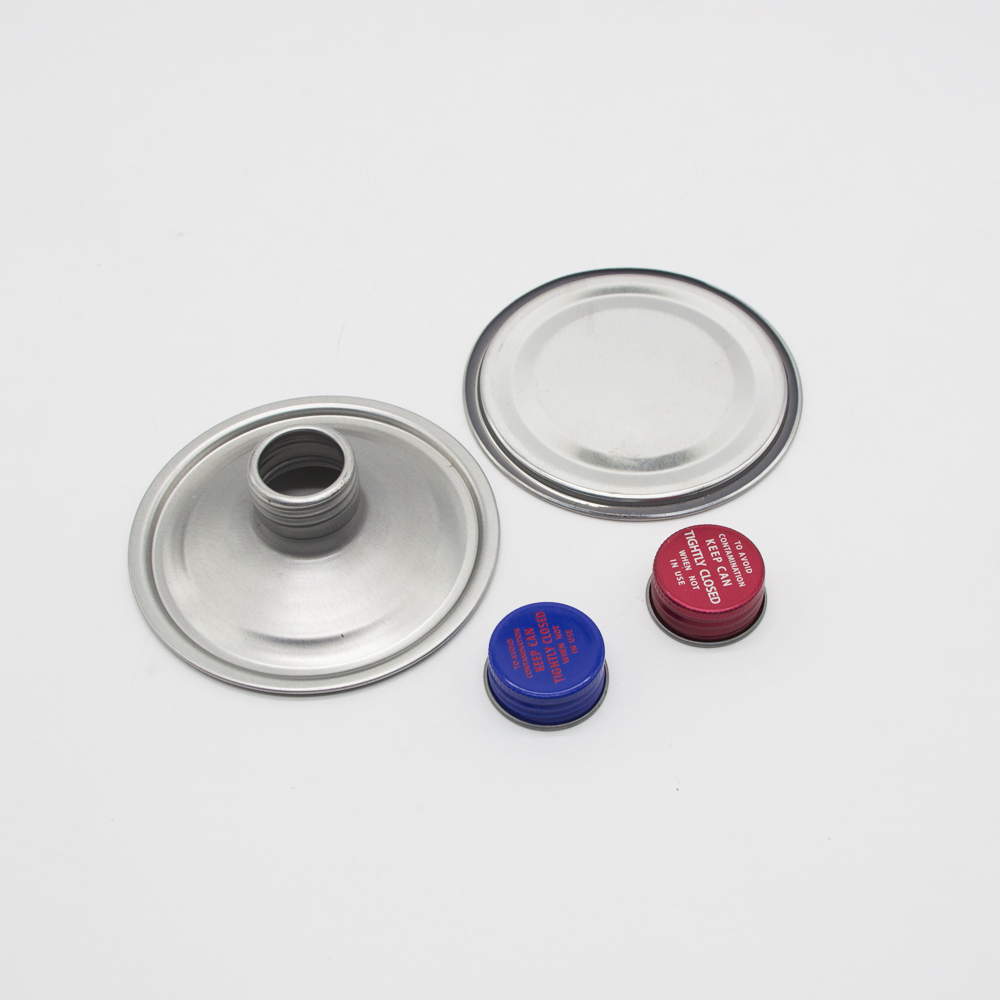
Крышки с защитой от детей играют решающую роль в современной упаковке., особенно для продуктов, которые могут представлять угрозу безопасности в случае случайного доступа детей. От химикатов и автомобильных жидкостей до фармацевтических препаратов и товаров для дома., эти крышки разработаны таким образом, чтобы значительно снизить вероятность непреднамеренного открытия, не жертвуя при этом удобством использования для взрослых..
Как профессиональный производитель, специализирующийся на пластиковые колпачки для жестяных банок, FUTEN тесно сотрудничает с мировыми брендами для разработки надежных, совместимый, и специальные решения для колпачков с защитой от детей. В этом руководстве, мы объясним, что такое детские колпачки, почему они имеют значение, как они работают, и когда вам следует рассмотреть возможность их использования в вашем упаковочном проекте.
Что такое детские шапки
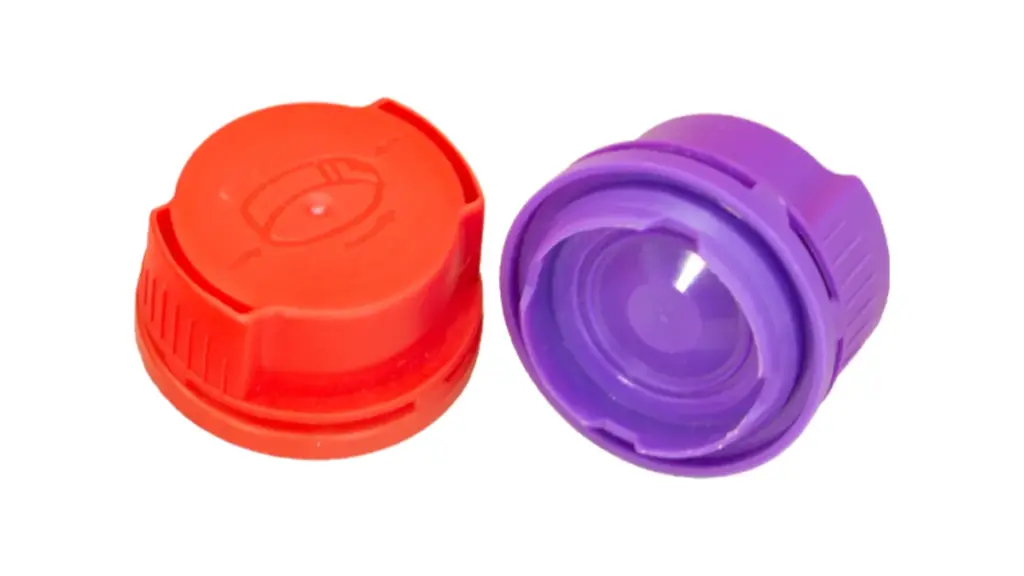
Колпачки с защитой от детей не защищены от детей; это разработанные механизмы задержки, разработанные в соответствии с федеральными стандартами безопасности, затрудняющие открытие контейнеров детям до пяти лет..
Основная функция и цель обеспечения безопасности
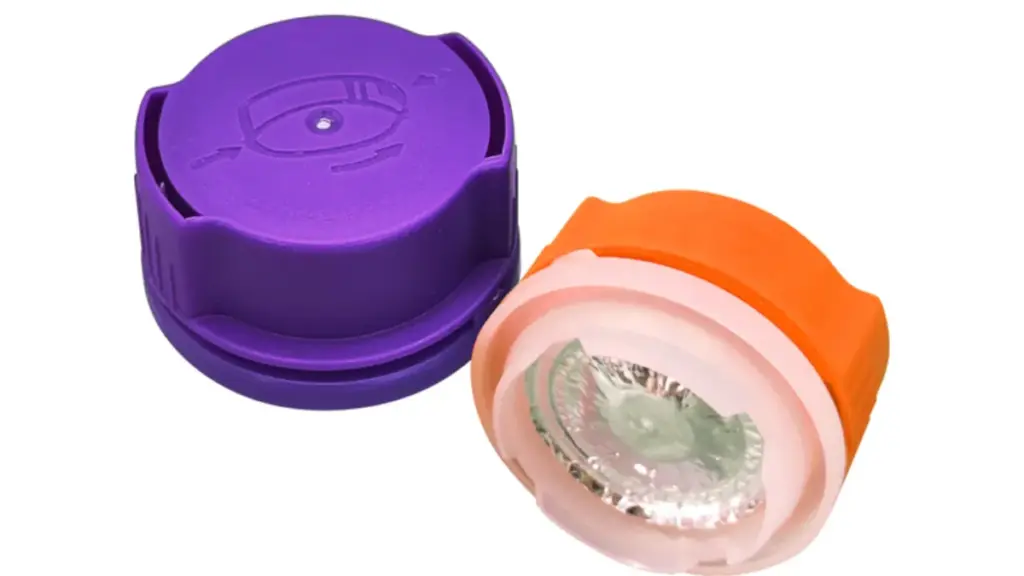
Колпачки с защитой от детей (CRC), часто называемые крышками с защитой от детей или крышками с защитой от детей., представляют собой специально разработанные крышки, которые снижают риск доступа детей к вредным или токсичным продуктам в контейнерах.. Они используют механические функции — определенную последовательность толчков., сжимает, или выравнивание — чтобы замедлить или предотвратить 5 от открытия упаковки.
В большинстве случаев, на бутылках используются защитные крышки от детей, банки, банки, и другие жесткие контейнеры для лекарств., бытовая химия, пестициды, и другие опасные вещества. Типичная крышка с защитой от детей сочетает в себе удобную внешнюю поверхность. (для захвата и управляемости) с внутренним механизмом, который срабатывает только при правильном движении.
Для покупателей упаковки и владельцев брендов, колпачки с защитой от детей – это не только средство безопасности., но также является нормативным требованием во многих регионах и категориях продуктов.. Поэтому выбор правильного решения CRC является важнейшей частью любого процесса обеспечения соответствия требованиям., стратегия упаковки, ориентированная на безопасность.
В чем важность колпачков с защитой от детей?
Колпачки с защитой от детей выполняют две основные функции.: они действуют как критический барьер безопасности, предотвращая случайные отравления детей и обеспечивая соответствие продукции обязательным федеральным нормам, таким как Закон об упаковке для предотвращения отравления..
Важность крышек с защитой от детей заключается, прежде всего, в безопасности., уменьшение ответственности, и соответствие нормативным требованиям.
Каждый год, во всем мире зарегистрированы тысячи случаев отравления детей из-за неправильного хранения или легко открываемой упаковки.. Такие продукты, как растворители, смазочные материалы, пестициды, и чистящие средства, многие из которых обычно упаковываются в металлические или жестяные банки, могут нанести серьезный вред, если к ним будут иметь доступ дети..
Использование сертифицированных крышек с защитой от детей помогает:
- Снизить риск случайного отравления или химического воздействия.
- Защитите репутацию бренда и доверие потребителей
- Соответствовать законодательным и нормативным требованиям на многих рынках
- Снижение потенциальной ответственности производителей и дистрибьюторов.
Прецизионные колпачки для устранения риска утечки
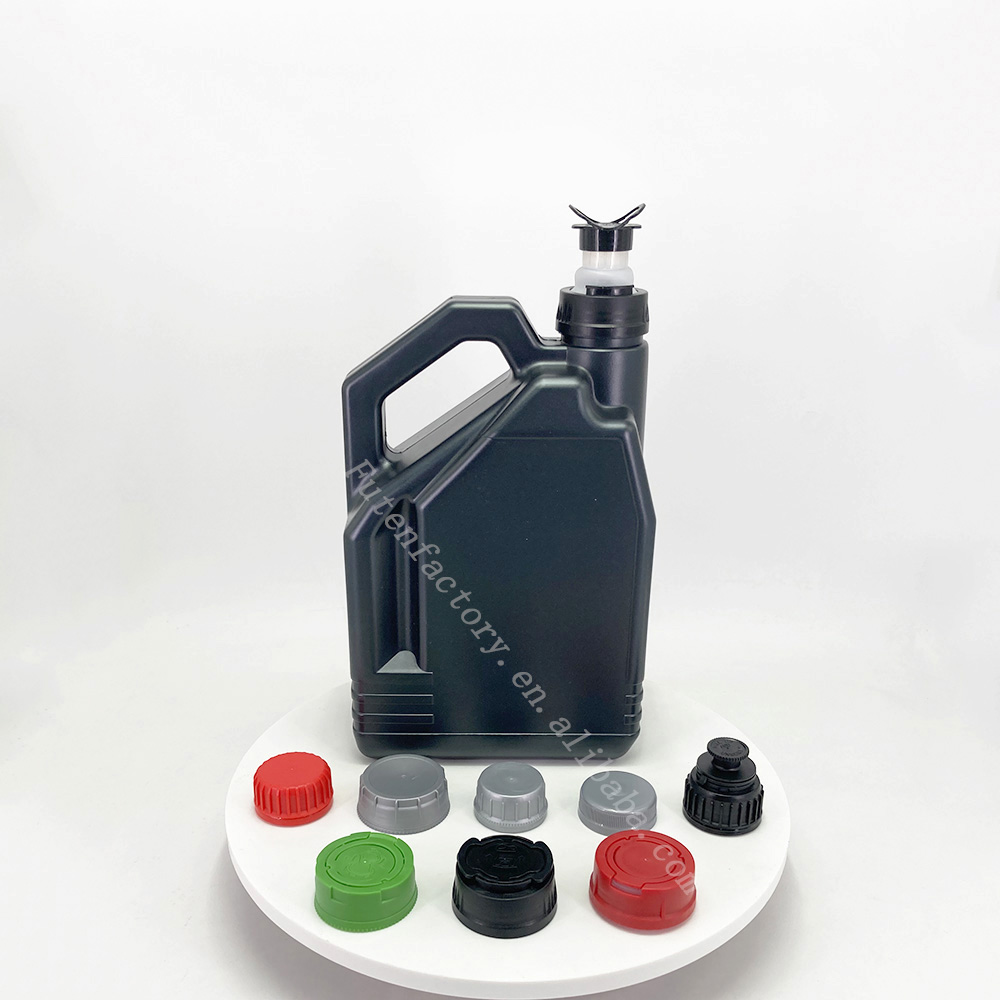
Когда были изобретены детские шапочки?
В то время как доктор. Анри Бро “Пальмовый поворот” колпачок был запатентован в 1967, знаковый Закон об упаковке для предотвращения отравления 1970 стал катализатором, который обусловил его широкое внедрение и привел к значительному сокращению случаев отравлений среди детей..
Закон об упаковке для предотвращения отравления 1970
Кепки с защитой от детей были впервые разработаны в конце 1960-х годов., из-за роста случайных отравлений лекарствами и бытовой химией.
В Соединенных Штатах, это привело к Закон об упаковке для предотвращения отравления (ПППА) из 1970, который требовал упаковки с защитой от детей для некоторых опасных продуктов.. Этот закон стал поворотным моментом, стимулирование широкого внедрения защитных затворов во многих отраслях промышленности.
С того времени, дизайн крышек с защитой от детей значительно изменился, включение лучшей эргономики, более надежные запорные механизмы, улучшенная совместимость с различными типами контейнеров, включая консервные банки и металлическую упаковку..
Закон требует наличия крышек с защитой от детей на ряде продуктов., включая рецептурные лекарства, много безрецептурных препаратов, и опасная бытовая химия. Этот закон превратил защитные колпаки из нишевой функции в обязательный отраслевой стандарт для регулируемой продукции..
Влияние после внедрения на педиатрическую безопасность
Эффект от PPPA был немедленным и существенным.. Данные показывают, что детская смертность, связанная с отравлениями, снизилась почти на 90% в годы после его реализации. Основная функция этих кепок – не полностью “защищенный от детей” но действовать как сдерживающий фактор. Они задерживают доступ ребенка к содержимому, предоставление критического окна для вмешательства взрослого. Всемирная организация здравоохранения признает эту стратегию одним из наиболее успешных мер по предотвращению случайных педиатрических отравлений..
Эволюция дизайна для доступности для пожилых людей
Ранние конструкции с защитой от детей создали новую проблему: многим пожилым людям и людям с артритом их было трудно или невозможно открыть.. Эта проблема с удобством использования представляла собой серьезное препятствие для доступа к лекарствам для уязвимых групп населения.. В ответ, отрасль развита Устойчивость к детям/пожилым людям (ЧР/СФ) закрытия. Эти современные конструкции разработаны с учетом строгих протоколов испытаний на устойчивость к детям, а также проходят отдельные тесты на эффективность использования взрослыми., баланс между критическими потребностями безопасности и доступности.
Основные характеристики и функции крышек с защитой от детей
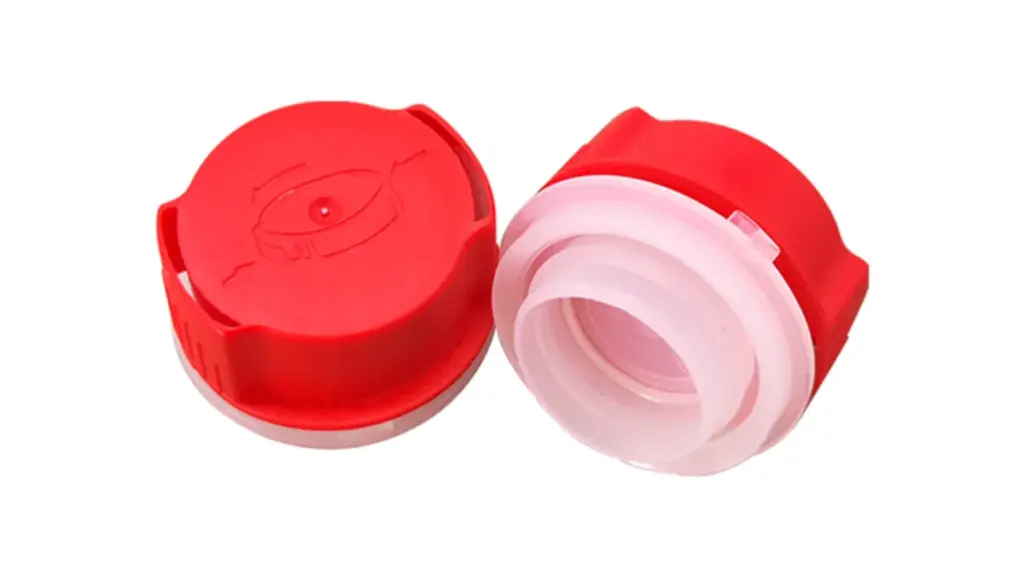
Хотя конструкции различаются, эффективные колпачки с защитой от детей имеют несколько общих особенностей и функций:
- Двухступенчатое или многоступенчатое открывание.: Вместо простого поворота, Для CRC обычно требуется принцип «нажми и поверни»., сжать и повернуть, выровняйте, затем поднимите, или подобные действия, которые трудно выполнить маленьким детям.
- Механическое сопротивление или расцепление: Во многих конструкциях используются внутренняя и внешняя крышки., где внешняя крышка свободно вращается, если не нажата, сжатый, или выровнены правильно, чтобы зацепить внутреннюю резьбу.
- Возрастная сложность: CRC спроектированы так, чтобы быть «значительно трудными» для детей младшего возраста. 5 лет, оставаясь при этом доступным для среднего взрослого, включая пожилых людей.
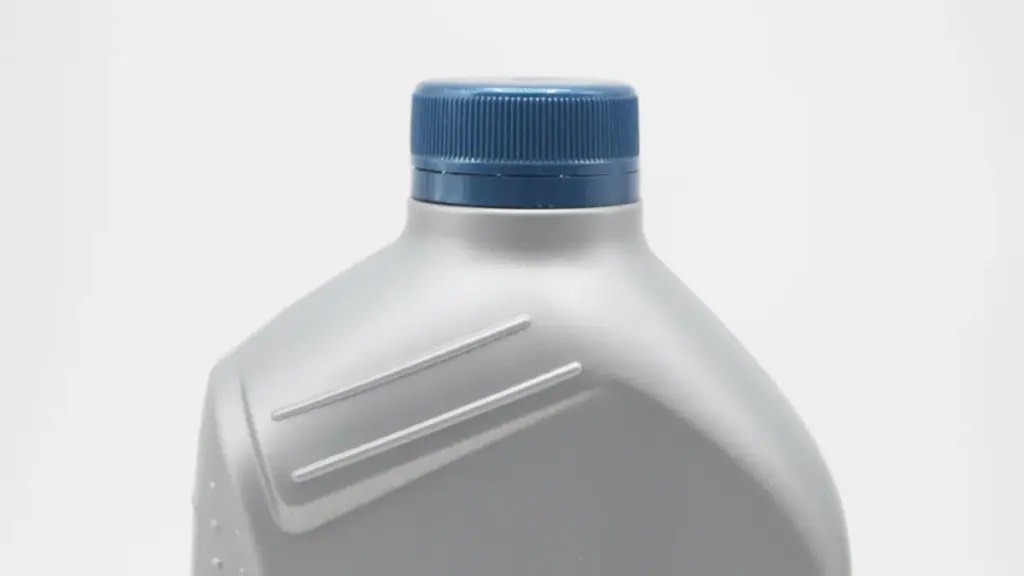
- Совместимость с контейнером: Функции фиксации и герметизации крышки должны надежно работать с конкретной бутылкой., банка, или оловянная отделка горловины для обеспечения безопасности и целостности продукта.
- Дополнительные элементы защиты от несанкционированного доступа: Некоторые CRC включают в себя отрывные ленты., отрывные кольца, или пломбы из фольги, чтобы показать, открывалась ли посылка ранее.
Как работают крышки с защитой от детей?
В крышках с защитой от детей используется механическая конструкция, обеспечивающая процесс открывания, который прост для взрослых, но неинтуитивен и физически сложен для маленьких детей.. Общим принципом является использование двух отдельных частей: внешней крышки, которую держит пользователь., и внутренний компонент, который зацепляет потоки контейнера.
Механизмы выпуска двойного действия
Основой каждой застежки с защитой от детей является механизм открывания двойного действия.. Эти системы спроектированы таким образом, чтобы для открытия требовалось два отдельных и одновременных движения., например, нажатие вниз при скручивании. Этот дизайн намеренно подавляет инстинкт маленького ребенка использовать один, простое действие, например, вытягивание, кусать, или поворачивая затвор. Механизм усиливает координацию, ловкость, и сила, которой обладают взрослые, но детям до пяти лет обычно не хватает, что значительно затрудняет случайный доступ.
Распространенные конструкции механических крышек
Хотя принцип двойного действия является универсальным, его механическое применение варьируется. Самая распространенная конструкция – поворотно-нажимная крышка., который имеет внешнюю крышку, которая свободно вращается над внутренней, резьбовая крышка. Только при приложении давления вниз обе крышки защелкиваются., позволяя пользователю отвинтить затвор. Еще одна распространенная конструкция – это поворотно-сжимающая конструкция., который требует от пользователя сжимать определенные точки по бокам крышки, чтобы задействовать внутренний поворотный механизм.. Другие известные конструкции предназначены для разных типов контейнеров и вариантов использования..
- обод-защелка: Использует защелкивающийся механизм вокруг края бутылки, который противостоит простому выдергиванию..
- Сжать и потянуть: Сочетает в себе сжимающее действие с прямым тянущим движением для освобождения колпачка..
- Вкладка и поворот: Прежде чем крышку можно будет открыть, необходимо нажать на защитную пластинку..
Распространенные типы крышек с защитой от детей
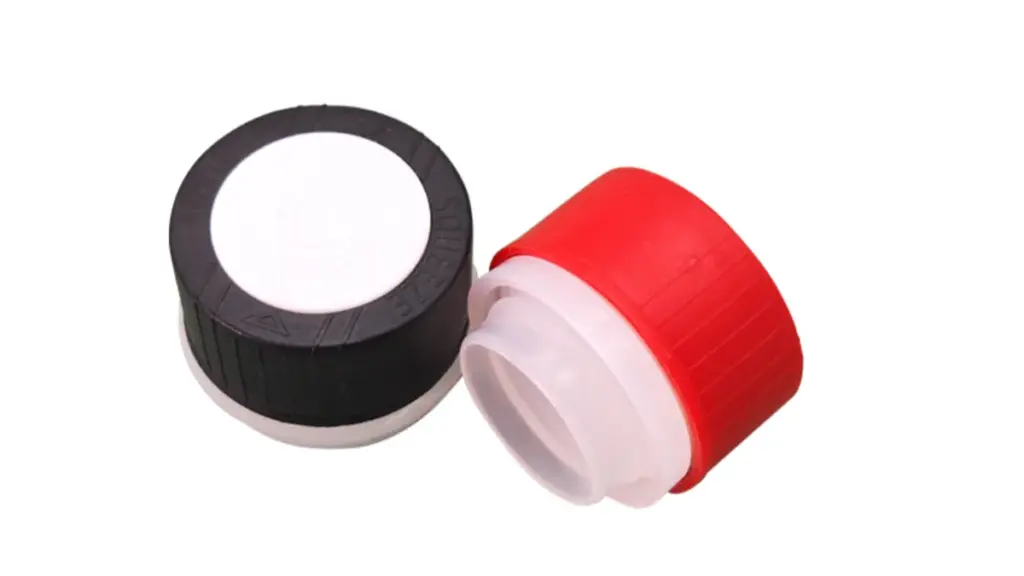
Существует несколько широко используемых типов крышек с защитой от детей., каждый из них имеет свои преимущества для разных приложений и стилей контейнеров..
Поворотно-нажимные затворы
Механизм «нажми и поверни» является наиболее широко известным механизмом с защитой от детей., особенно в фармацевтической упаковке для твердых доз лекарств.. Он состоит из внутренней и внешней крышки, которые вращаются независимо.. Чтобы открыть его, пользователь должен применять скоординированное давление вниз при закручивании крышки. Это действие задействует зубчатые края или выступы на обеих крышках., позволяя вращательной силе отсоединить крышку от контейнера. Без нисходящего давления, внешняя крышка просто свободно вращается, предотвращение открытия.
Закрытие, активируемое сжатием
В эту категорию входят как “сжимать и поворачивать” и “сжимать и тянуть” дизайн. Эти колпачки функционируют, требуя от пользователя деформировать колпачок в определенных местах., часто указывается, очки. При нажатии на крышку внутренние предохранительные защелки отсоединяются от горлышка контейнера., что затем позволяет выполнить вторичное действие — поворот или вытягивание — для снятия застежки.. Это требование двойного действия эффективно, поскольку маленьким детям часто не хватает силы хвата и координации, чтобы выполнять оба движения одновременно..
Застежки-защелки и язычки
Застежки-защелки и язычки используют другой механический подход.. Конструкция с защелкой на ободе имеет надежный запорный механизм, который защелкивается на ободе контейнера.. Другие варианты, как РЭЛ (Съемный легкий замок) закрытия, требуется поднять или нажать определенную вкладку, чтобы освободить замок крышки от контейнера. Они распространены в приложениях, где простое вращательное движение не является частью основной конструкции., например, на контейнерах с некоторыми химическими или бытовыми продуктами..
Пример таблицы: Распространенные типы CRC и варианты использования
| Тип крышки с защитой от детей | Типичное движение | Общие приложения |
|---|---|---|
| Нажми и поверни | Нажмите вниз, крутить | Рецептурные/безрецептурные препараты, бытовая химия |
| Сжать и повернуть | Сожмите стороны, крутить | Промышленная химия, чистящие средства, садовые товары |
| Выровнять и поднять | Выровнять метки, подъем/поворот | Банки, деликатесы, нутрицевтики |
| CRC с защелкой на ободе | Гибкий, подглядывать, или рычаг открыть | Композитные банки, закуски, порошкообразные продукты |
| CRC-дроппер | Поворотно-нажимной, затем выдать | Фармацевтика, масла, никотиновые жидкости |
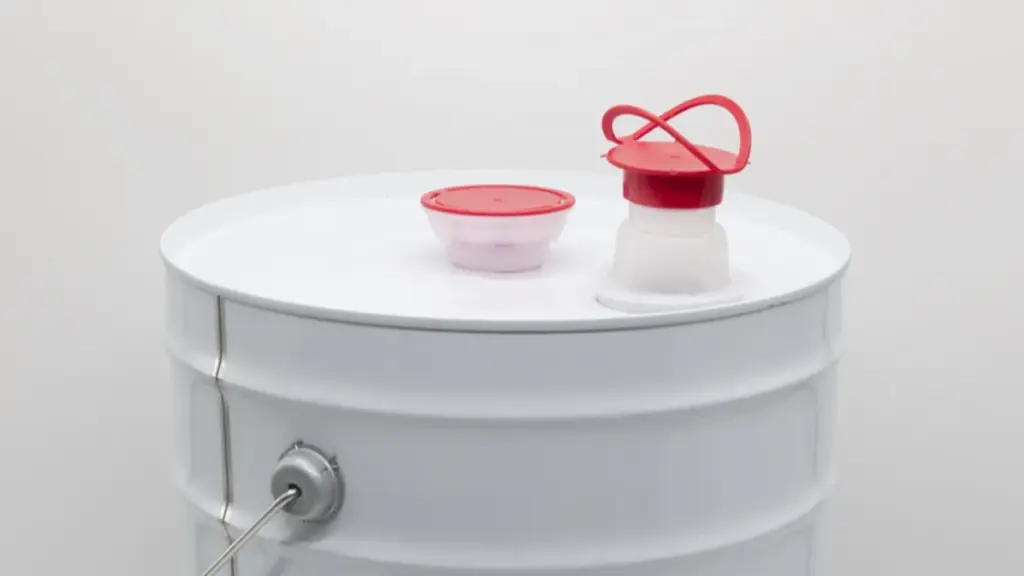
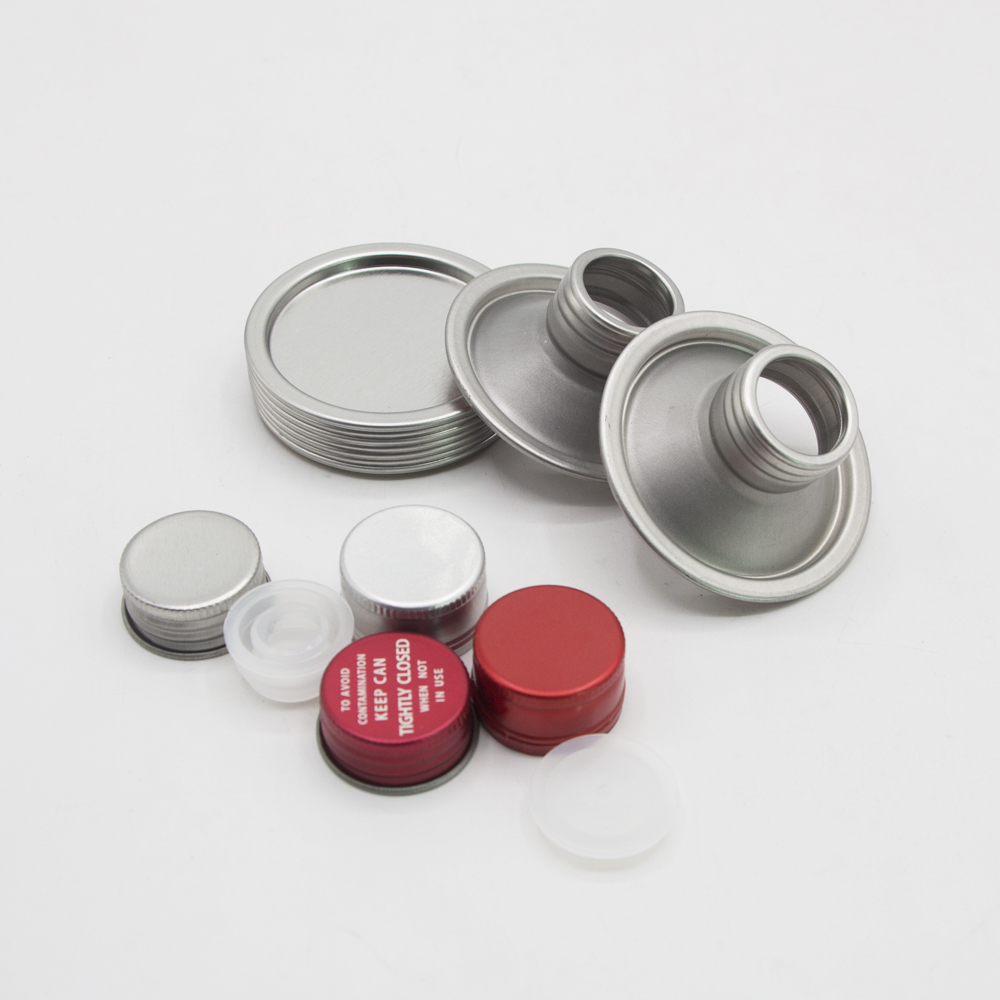
В введено, мы настраиваем дизайн CRC в соответствии с отделкой горлышка консервной банки, обеспечение правильной посадки, уплотнение, и функциональные характеристики.
Когда вам нужны шапки с защитой от детей?
Колпачки с защитой от детей не являются обязательными.; они являются юридическим требованием в соответствии с Законом об упаковке для предотвращения отравления. (ПППА) для любого продукта, который представляет значительный риск заболевания или травмы ребенка при проглатывании, охватывающие лекарства, химикаты, и даже некоторая косметика.
Определение потребности в колпачках с защитой от детей является вопросом соблюдения нормативных требований., не выбор. ПППА 1970 установили четкие правила для продуктов, которые должны быть защищены во избежание случайных отравлений детей до пяти лет.. Если ваш продукт попадает в одну из регулируемых категорий, использование соответствующей упаковки является обязательным.
| Категория продукта | Конкретные примеры | Нормативный драйвер / Обоснование |
|---|---|---|
| Фармацевтика & Добавки | Лекарства, отпускаемые по рецепту, Обезболивающие безрецептурные, железосодержащие добавки | Закон об упаковке для предотвращения отравления (ПППА) |
| Семья & Сельскохозяйственные химикаты | Отбеливать, капсулы для стирки, пестициды, инсектициды | ПППА & Федеральный инсектицид, Фунгицид, и Закон о родентициде (ФИФРА) |
| Косметика & Личная гигиена | Детское масло, средство для снятия макияжа (>10% углеводороды), жидкость для полоскания рта | Риск химической пневмонии при аспирации |
| Автомобильная промышленность & Никотиновые продукты | антифриз, жидкости для электронных сигарет, пополнять контейнеры | PPPA из-за высокой токсичности продукта |
Обязательное использование лекарств и добавок
PPPA является основным стимулом для использования крышек с защитой от детей в фармацевтической промышленности и производстве пищевых добавок.. Закон требует наличия такой упаковки для всех рецептурных лекарств., за очень немногими исключениями. Это также распространяется на многие безрецептурные (внебиржевой) лекарства и специальные регулируемые добавки, например, те, которые содержат более 250 мг элементарного железа, для предотвращения случайного проглатывания и серьезных осложнений для здоровья.
Требования к Семья и Сельскохозяйственные химикаты
Правила выходят за рамки медицины и охватывают широкий спектр бытовых и сельскохозяйственных химикатов.. Любое вещество, которое считается вредным при попадании в организм ребенка., даже в небольших количествах, обычно требуется упаковка, защищенная от детей. Сюда входят обычные бытовые товары, такие как отбеливатели и стиральные порошки.. Для сельскохозяйственной продукции, пестициды и инсектициды, используемые в жилых помещениях, регулируются Федеральным законом об инсектицидах., Фунгицид, и Закон о родентициде (ФИФРА) и должен соответствовать конкретным критериям токсичности.
Применение в средствах личной гигиены и косметических товарах
Эти правила также распространяются на отрасли личной гигиены и косметики.. Конкретные продукты, такие как жидкость для полоскания рта, глазные капли, и некоторые назальные спреи требуют крышек, устойчивых к детям.. Ключевое правило распространяется на косметические средства низкой вязкости., например, детское масло или средство для снятия макияжа, которые содержат 10% или более углеводородов по массе. Это требование введено для предотвращения риска химической пневмонии, если ребенок вдыхает это вещество..
Положение о Автомобильная промышленность и никотиновые продукты
Для определенных автомобильных химикатов обязательна упаковка, защищенная от детей., особенно антифриз, что представляет собой серьезный риск отравления. Правила также распространяются на все никотинсодержащие продукты., включая устройства для электронных сигарет и контейнеры для заправки их жидкостью. Эта мера напрямую направлена на устранение высокой токсичности концентрированного никотина и предотвращает случайное воздействие..
Каковы стандарты тестирования и соответствие крышек с защитой от детей??
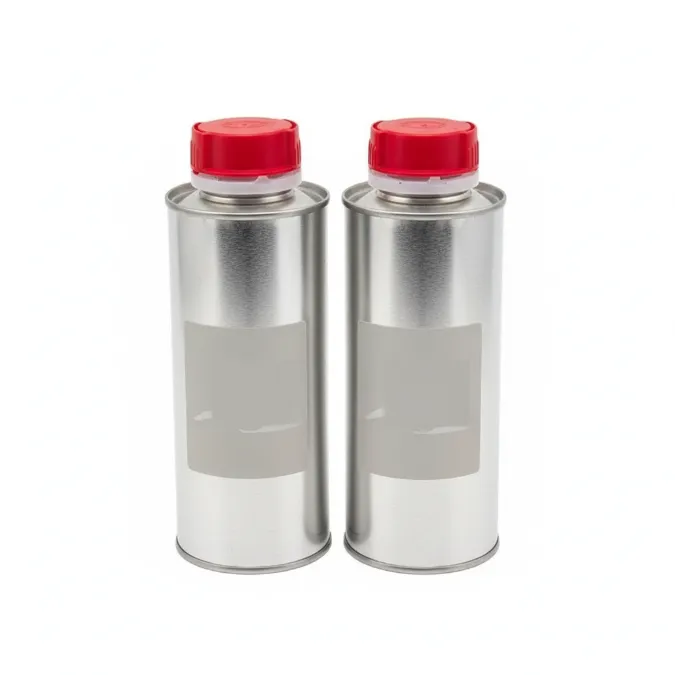
Утверждать, что пакет защищен от детей, он должен пройти стандартные тесты производительности, проводимые с участием детей и взрослых.. Хотя конкретные стандарты различаются в зависимости от региона., у них общие принципы:
Требования к протоколу панели детского тестирования
Для сертификации закрытия как защищенного от детей, он должен пройти тестирование производительности с группами детей в возрасте 42-51 месяцы. Протокол оценивает, может ли ребенок открыть упаковку или получить доступ к токсичному количеству ее содержимого в течение определенного периода времени.. Цель не в том, чтобы сделать упаковку невозможной для открытия., но задержать доступ на время, достаточное для того, чтобы вмешался взрослый. После начального пятиминутного периода, детям показывают, как открывать пакет, и дают еще пять минут, сделать тест довольно строгим.
| Требование | Детская тестовая панель (Возраст 42-51 месяцы) | Панель для взрослых, дружелюбная к пожилым людям (Возраст 50-70) |
|---|---|---|
| Метрика успеха | По меньшей мере 80% детей не могут открыть упаковку в 10 минуты. | По меньшей мере 90% взрослых должны уметь открывать И повторно закрывать упаковку. |
| Начальный лимит времени | 5 минуты (перед демонстрацией) | 5 минуты (за первую посылку) |
| Пост-демонстрация | Детям показывают, как его открыть., затем дали еще один 5 минуты. | Взрослые должны открыть вторую упаковку в течение 1 минута. |
Помимо тестов производительности, производители должны соблюдать маркировку, инструкция, и требования к документации, установленные регулирующими органами, такими как США.. Комиссия по безопасности потребительских товаров (КПСК) и аналогичные органы в других регионах. Общие стандарты включают в себя:
- В 862 – Европейский стандарт для нефармацевтической продукции
- ИСО 8317 – Международный стандарт на многоразовую упаковку, защищенную от детей.
- 16 CFR §1700 - НАС. Комиссия по безопасности потребительских товаров (КПСК) правила
Как профессиональный производитель пластиковых крышек, FUTEN разрабатывает крышки с учетом этих стандартов и поддерживает клиентов документацией., данные о материале, и координация тестирования.
Как выбрать подходящие крышки с защитой от детей для вашего проекта?
Выбор подходящей защиты от детей (ЧР) закрытие выходит далеко за рамки выбора кепки с полки. Это систематический процесс оценки вашего продукта., ваш пользователь, и нормативно-правовая база. Ошибка может привести к несоблюдению требований., отзыв продукта, или неспособность эффективно обслуживать вашу целевую аудиторию. Следующие критерии обеспечивают четкую основу для принятия обоснованного технического и делового решения..
Оценка требований соответствия нормативным требованиям
Первым шагом всегда является соблюдение. Вы должны определить, подпадает ли ваш продукт под действие Закона об упаковке для предотвращения отравления. (ПППА). Сюда входит широкий ассортимент товаров, от рецептурных лекарств и бытовой химии до некоторых косметических средств и продуктов на основе никотина.. Существуют особые правила для таких веществ, как углеводороды или антифриз.. Выбранное вами закрытие должно соответствовать правовым стандартам “детям до пяти лет значительно сложно открыть” оставаясь при этом доступным для взрослых, требование проверено строгими протоколами тестирования CPSC.
Определите потребности целевого пользователя в доступности (ЧР/СФ)
Сопротивление детей – это только половина дела. Вы также должны учитывать предполагаемого взрослого пользователя. Если в вашу основную клиентскую базу входят пожилые люди или люди с ограниченной подвижностью, стандартное ограничение CR может создать значительный барьер для доступа. Здесь безопасно для детей/пожилых людей (ЧР/СФ) дизайн становится критическим. Эти застежки разработаны, чтобы сбалансировать сложность, необходимую для удержания ребенка, с простотой использования, необходимой для пожилых людей., обеспечение безопасности и доступности продукта.
Выберите оптимальный механизм ограничения
Механизм является основой функции крышки.. Наиболее распространенными вариантами являются поворотно-нажимной вариант., сжимать и поворачивать, защелка на ободе, и РЭЛ (Многократно закрывающийся легкий замок) стили. Выбор должен соответствовать типу контейнера и физическим свойствам продукта., как вязкость. Ребёнку легко повторить простое действие поворота., но требование двойного действия — например, нажатие вниз при повороте — вводит уровень когнитивной и физической сложности, который действует как основной сдерживающий фактор..
Определить совместимость материалов
Материал крышки должен быть химически совместим с вашим продуктом.. Большинство крышек CR изготовлены из материалов высокой плотности. полиэтилен (ПНД) или полипропилен (ПП), но конкретный выбор зависит от вашей формулировки. Несовместимый материал может со временем деградировать., которые могут поставить под угрозу целостность продукта, выщелачивать нежелательные химические вещества, или привести к выходу из строя механизма безопасности. Вы должны подтвердить, что выбранный полимер сохранит свои структурные и функциональные свойства на протяжении всего срока годности продукта..
Проверьте прилегание крышки к контейнеру и герметичность
Крышка с защитой от детей бесполезна, если она не соответствует контейнеру должным образом.. Вы должны точно подобрать размер резьбы и отделку горлышка крышки в соответствии со спецификациями контейнера.. Несоответствие может помешать надежному уплотнению., приводит к утечкам и загрязнению продукта. Что еще более важно, неправильная посадка может помешать правильному включению механизма CR., делая функцию безопасности неэффективной. Всегда проводите тщательные испытания на посадку и герметичность окончательной комбинации крышки и контейнера, чтобы гарантировать функциональность и соответствие требованиям..
Стоимость и устойчивость
Оцените выбор материала и толщину стенок для обеспечения экономичности., крупносерийное производство. Рассмотрите возможность использования перерабатываемых материалов и конструкций, которые соответствуют вашим целям устойчивого развития..
Заключение
Выбор подходящей крышки с защитой от детей является важным шагом в обеспечении безопасности продукта и соблюдении нормативных стандартов.. Понимание конкретных требований к тестированию и механизмов ограничения поможет вам соблюдать законы на ключевых рынках, таких как США и Европа.. Это не только защищает детей, но и защищает ваш бренд от штрафов и задержек в распространении..
Если вы выбираете упаковку для нового продукта или подтверждаете свое действующее соответствие, наши специалисты подскажут вам варианты. Свяжитесь с нами, чтобы получить каталог наших сертифицированных крышек с защитой от детей или для обсуждения потребностей вашего проекта.
Часто задаваемые вопросы
Для каких продуктов обычно требуются крышки с защитой от детей?
Продукты, которые являются вредными или потенциально смертельными при проглатывании, вдыхал, или усваиваются маленькими детьми, часто требуют CRC в соответствии с применимыми правилами. Обычно сюда входят лекарства, отпускаемые по рецепту и без рецепта., бытовая химия, немного косметики, пестициды, и никотиновые продукты.
Работают ли защитные крышки от детей с консервными банками??
Да. Механизмы защиты от детей могут быть встроены в пластиковые крышки и вставки, подходящие для металлических и композитных банок., при условии, что крышка и контейнер спроектированы для совместной работы. Специализированные производители могут адаптировать дизайн CRC к ободу и конструкции консервной банки..
В чем разница между крышками с защитой от детей и крышками с защитой от детей?
Ключевое отличие состоит в том, что “устойчивый к детям” это не то же самое, что “защита от детей.” Крышки с защитой от детей разработаны таким образом, чтобы ребенку было очень трудно их открыть., но не невозможно. Они предназначены для того, чтобы замедлить движение ребенка на время, достаточное для того, чтобы взрослый успел вмешаться.. А “защищенный от детей” колпачок будет означать, что ребенок не сможет его открыть., что это не так.
Требуются ли по закону защитные крышки для некоторых продуктов??
Да, они требуются по закону для многих продуктов в Соединенных Штатах в соответствии с Законом об упаковке для предотвращения отравления. (ПППА) из 1970. Этот закон требует использования крышек с защитой от детей для любых веществ, которые вредны при проглатывании., включая рецептурные лекарства, много безрецептурных препаратов, бытовая химия, и пестициды.
Какую информацию я должен предоставить такому производителю, как FUTEN, при запросе решений CRC??
Чтобы получить оптимальное решение, вам следует сообщить подробную информацию о составе вашего продукта и уровне опасности., целевые рынки и правила, размеры и чертежи консервной банки, параметры линии наполнения, желаемое открывающее движение («нажми и поверни», сжать и повернуть, и т. д.), и требования к брендингу или цвету. С этой информацией, FUTEN может предложить или разработать подходящие пластиковые крышки для жестяных банок с защитой от детей, которые отвечают как требованиям безопасности, так и маркетинговым целям..