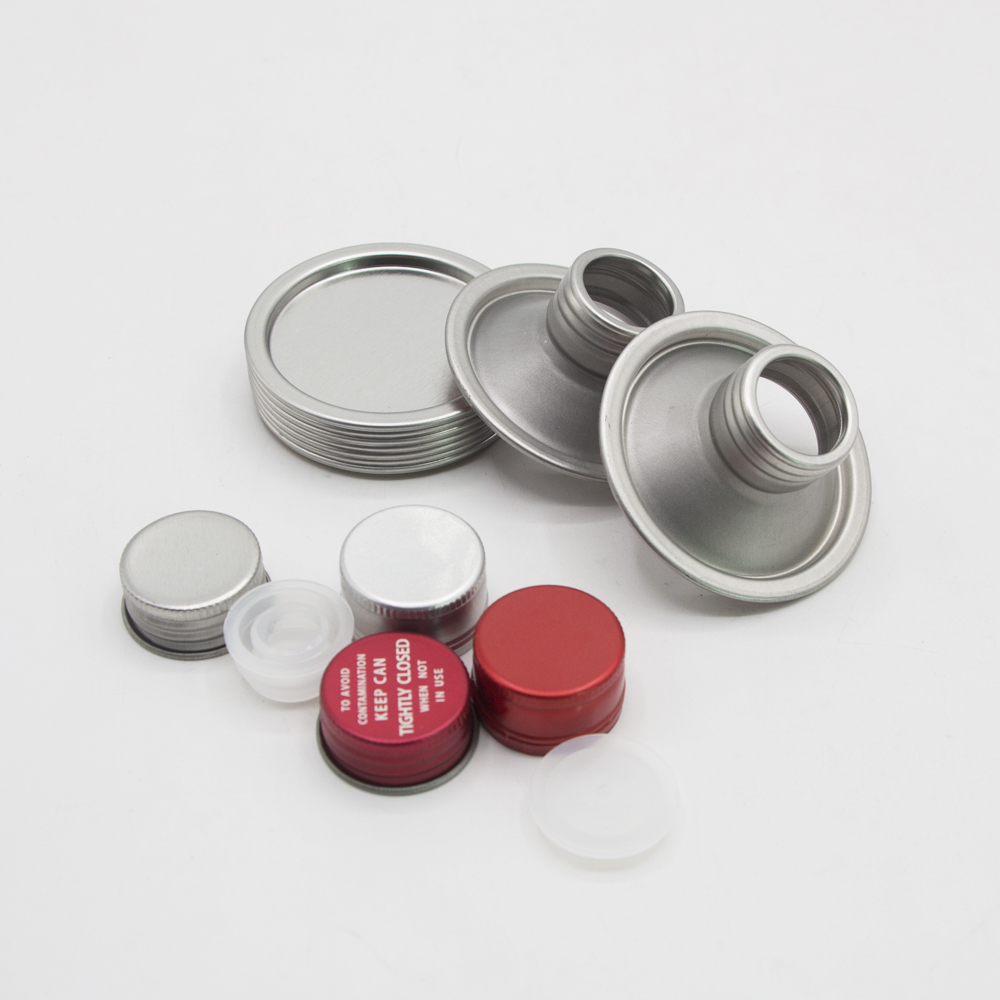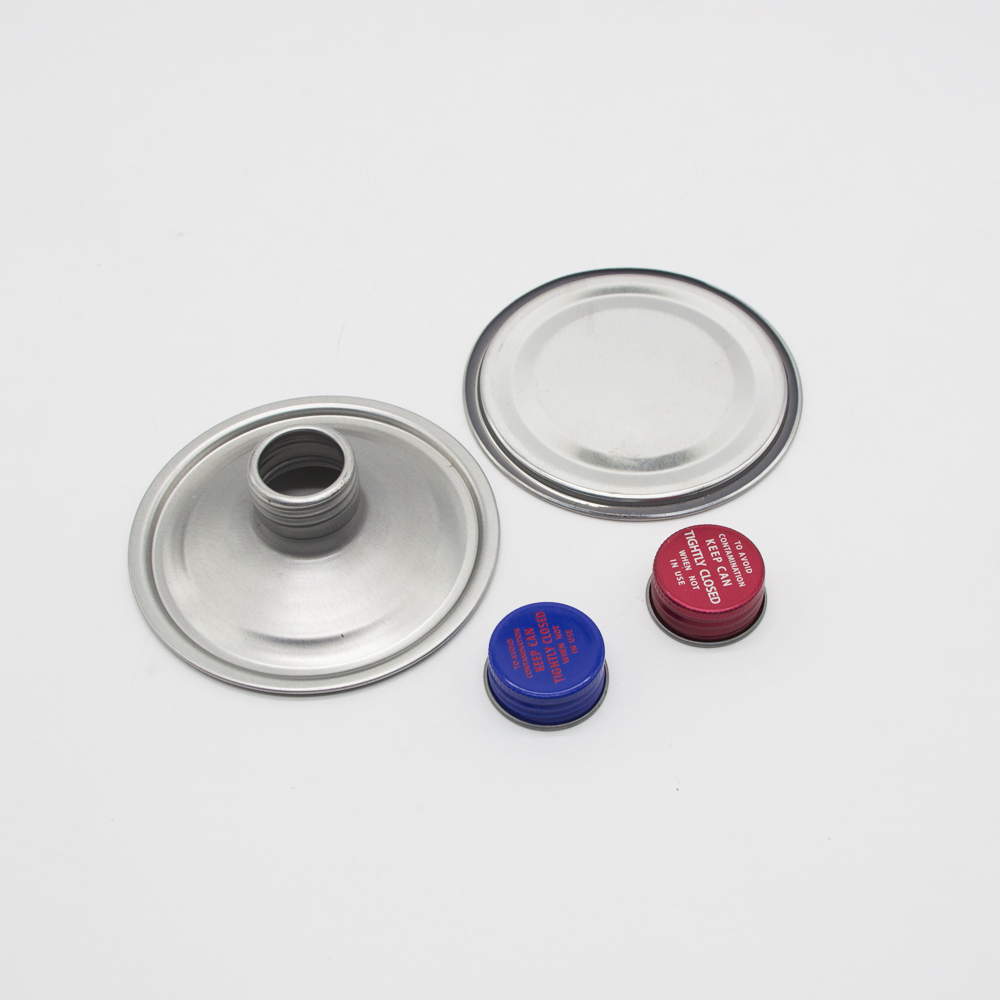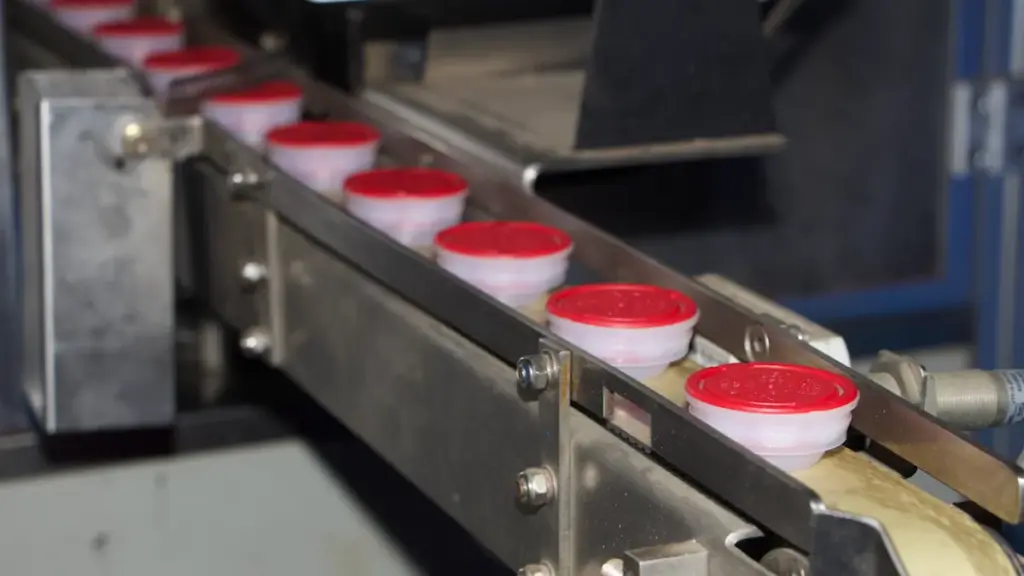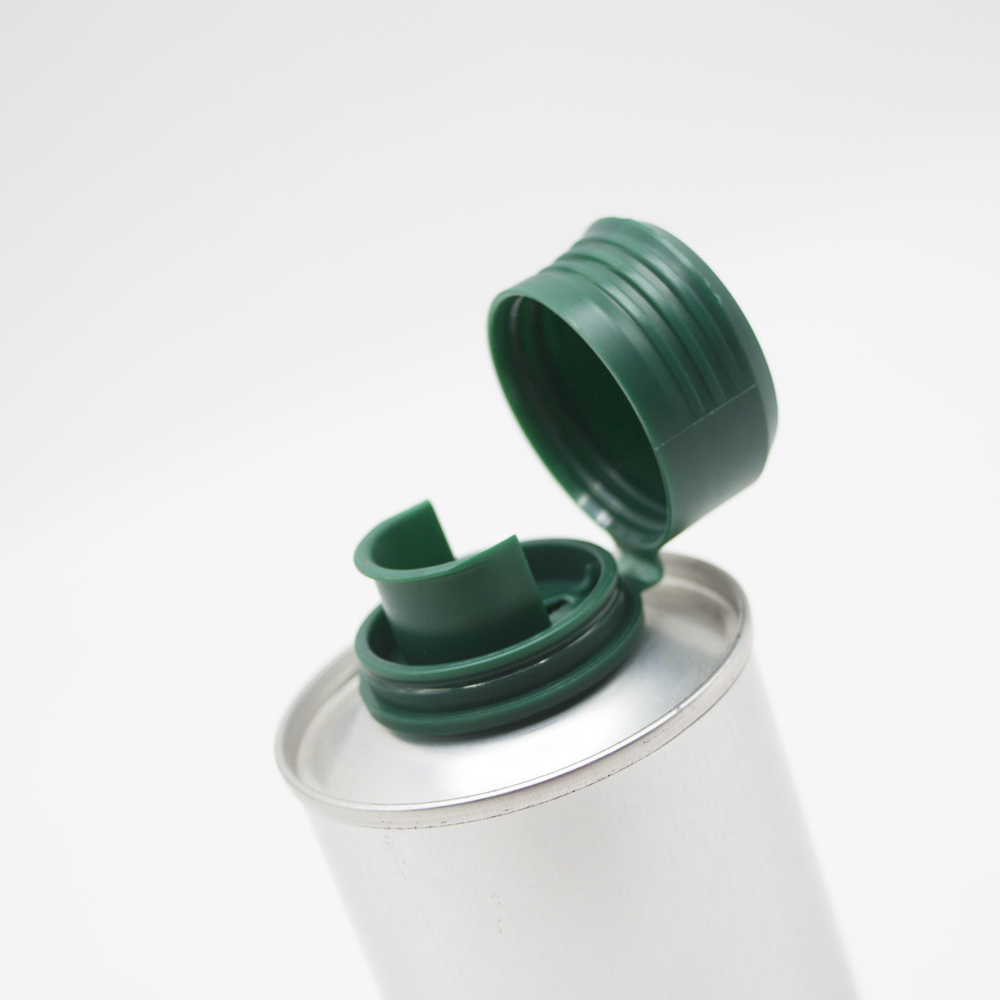
When sourcing plastic screw caps, many buyers focus on unit price and assume it reflects the overall cost. Most procurement teams focus on quotes between $0.06–$0.33 per piece, but the real expenses often appear later—during filling, परिवहन, or after the product reaches the customer. Issues like leakage, poor sealing, or inconsistent dimensions can quickly lead to product loss, returns, and extra handling costs. These problems are usually linked to cap quality, material choice, and compatibility with the bottle. This article looks beyond the quoted price and explains the key factors that affect the true cost of plastic screw caps in real supply chain conditions.
Why Cheap Plastic Screw Caps Can Be Expensive
Focusing only on the per-unit price of plastic screw caps ignores significant downstream costs from production inefficiencies, regulatory compliance, and performance failures that impact total cost of ownership.
The sticker price of a plastic screw cap is misleading. It represents only the initial material and manufacturing cost, obscuring a range of expenses that surface later in the supply chain and product lifecycle. These hidden costs often outweigh any upfront savings from choosing a budget-friendly option.
Production and Supply Chain Inefficiencies
Many conventional plastic molding processes are energy-intensive. Newer materials, such as fiber-based alternatives, can consume as little as one-tenth the energy during production, creating a significant cost differential that isn’t apparent in the cap’s unit price. Logistics also add to the total cost. The weight and volume of plastic caps contribute to higher transportation and warehousing expenses compared to more efficient packaging systems like integrated fitments on flexible pouches.
End-of-Life Management and Regulatory Costs
The regulatory landscape is shifting financial responsibility back to producers. Extended Producer Responsibility (EPR) schemes in states like California and Maine now impose fees on manufacturers based on their use of virgin plastics, directly increasing the cost of non-recycled caps. Beyond direct fees, there are substantial costs tied to waste management. Landfill fees, inadequate recycling infrastructure, and public cleanup initiatives for plastic litter represent real financial burdens that are ultimately tied to the initial choice of packaging components.
Performance Deficits and Brand Reputation
A cheap cap that fails is one of the most expensive components you can buy. Poor sealing quality leads directly to product leakage during transit, resulting in immediate financial losses from returns, replacements, and cleanup. The indirect costs are even greater. A single negative customer experience caused by a faulty cap can damage brand trust and loyalty, creating a long-term financial impact that far exceeds the few cents saved on a better closure.
Direct Price vs. Total Cost of Ownership for Caps
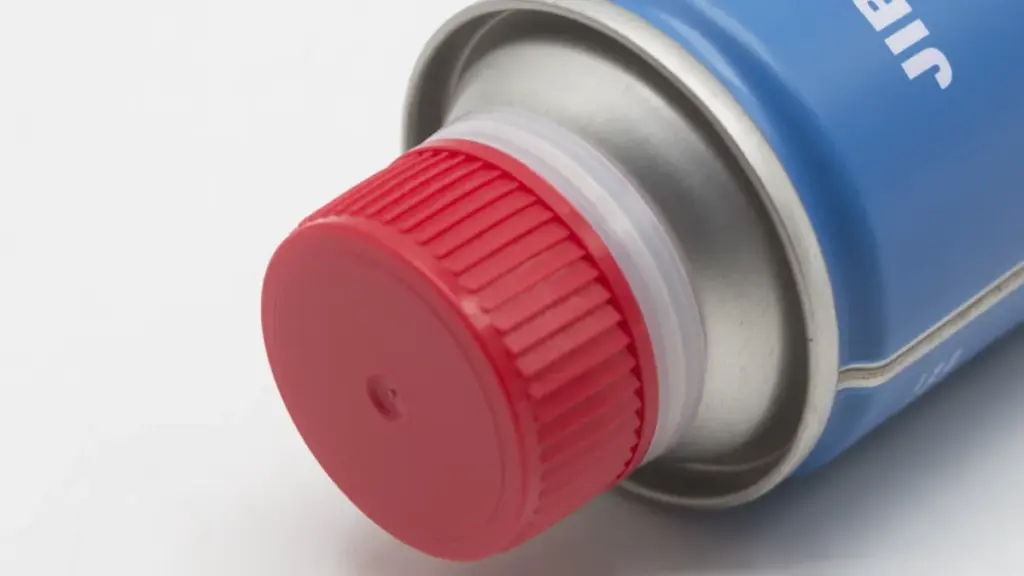
Focusing only on the per-unit price of a cap ignores significant downstream costs from production inefficiencies, logistics, and new regulatory fees that define the true Total Cost of Ownership.
Analyzing the Upfront Material Cost
The direct price of a plastic screw cap is the most visible, but least informative, metric. Wholesale pricing typically falls between $0.06 और $0.33 per unit, establishing a baseline cost. This price is influenced by manufacturing complexity; the engineering required for precise, functional screw threads makes these closures inherently more expensive to produce than simpler options like basic crown caps. This upfront cost is just the entry point into a much larger financial equation.
Calculating Production and Supply Chain Inefficiencies
Operational expenses add another layer to the total cost. Energy consumption during the plastic molding process is a significant factor, especially when compared to modern alternatives like fibre-based closures that use about 90% less energy. Logistics also introduce substantial costs. Expenses tied to transportation weight, warehouse storage space, and inventory management accumulate quickly. These costs become acute during supply chain disruptions, forcing investment in redundant sourcing and geographic diversification that further increase the operational TCO, independent of the raw material price.
Factoring in End-of-Life and Regulatory Expenses
As of 2026, regulatory and end-of-life expenses are a mandatory part of the cost calculation. Extended Producer Responsibility (EPR) programs in states like California and Oregon now levy fees on producers based on the amount of virgin plastic used, directly increasing the cost per cap. These compliance costs are compounded by long-term expenses from landfill fees and the financial burden of using underdeveloped recycling infrastructure. The responsibility for a cap’s disposal now sits squarely with the producer, turning what was once an externalized environmental issue into a direct and recurring operational cost.
Secure Your Supply Chain with Zero-Leakage Caps.
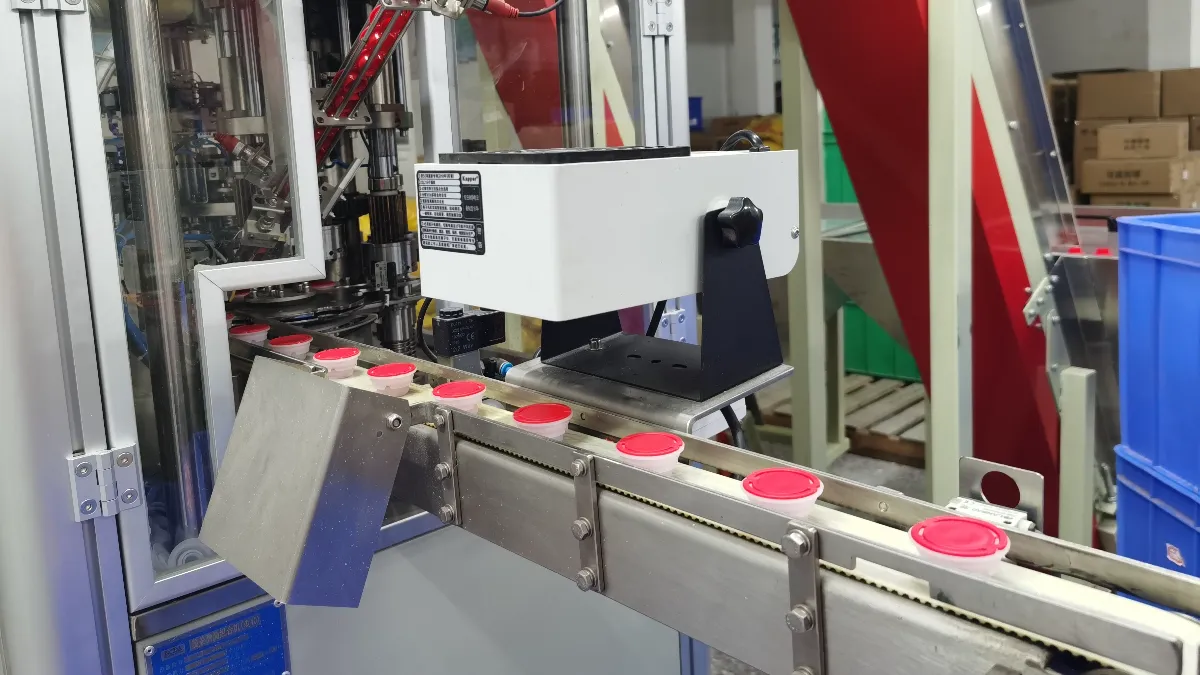
Hidden Costs from Leakage and Product Loss in Transit
Product loss from in-transit leakage extends far beyond the cost of goods, creating a cascade of operational expenses including cleanup labor, batch rejections, regulatory fines, and permanent brand damage.
Quantifying Direct Product Loss from Seal Failure
The most immediate cost of a poor seal is the lost product itself. This isn’t just about catastrophic container failures. Micro-leaks, often invisible during initial packing, can aggregate across an entire pallet or shipment, resulting in significant volumetric loss. Warped caps from low-quality manufacturing, mismatched bottle neck threads, or seals that fail under the normal compression and temperature fluctuations of transit are common failure points. Companies using advanced locking caps report leakage complaint reductions of up to 35%, which shows a direct correlation between closure quality and sellable inventory upon arrival.
Labor and Cleanup Expenses for In-Transit Spills
When a leak occurs, the cost of the lost product is quickly overshadowed by the operational costs of containment and cleanup. Spills require immediate attention, pulling labor away from core tasks for vehicle or warehouse decontamination. These expenses include not only man-hours but also the cost of specialized spill containment kits, disposal materials, and any resulting freight delays as the incident is investigated and resolved. A seemingly minor leak can halt a shipment, triggering a cascade of logistical and financial penalties.
| Cost Category | Minor Leak Event (Single Pallet) | Major Spill Event (Full Trailer) |
|---|---|---|
| Direct Product Loss | $50 – $200 | $2,000 – $10,000+ |
| Cleanup Labor & सामग्री | $100 – $300 (1-2 man-hours) | $4,000 – $15,000 (40+ man-hours) |
| Freight Delays & Demurrage | $0 – $500 | $1,000 – $5,000+ |
| Batch Rejection Risk | कम (Adjacent units checked) | उच्च (Total loss of shipment value) |
Downstream Contamination and Batch Rejection Costs
A single leaking unit can compromise an entire pallet or container load. Product seeping into corrugated boxes weakens their structural integrity and can contaminate adjacent, otherwise perfect goods. When a shipment arrives at a distribution center showing signs of leakage, the receiving party has grounds to reject the entire batch. This forces a total loss of goods for that shipment and incurs additional costs for return freight, sorting, and disposal, turning a small component failure into a massive financial write-off.
Increased Insurance and Regulatory Compliance Penalties
Leakage incidents have long-term financial consequences. A history of spills can lead to higher freight insurance premiums, as carriers see your shipments as a greater risk. Under current 2026 transportation regulations, improper packaging that leads to leakage of certain materials can also result in significant fines. The administrative burden of documenting and reporting these spills adds another layer of indirect cost, consuming time and resources that could be spent elsewhere.
Brand Damage and Customer Compensation
The final, and perhaps most damaging, cost is to your brand’s reputation. Consistently delivering damaged goods to distributors and retail partners erodes trust and can lead to contractual penalties for failing to meet delivery quality standards. The direct costs of refunding or replacing orders are simple to calculate. The long-term cost of losing a key retail partner due to unreliable packaging is far greater and harder to recover from.
Tooling, रंग, and Custom Design Costs You May Miss
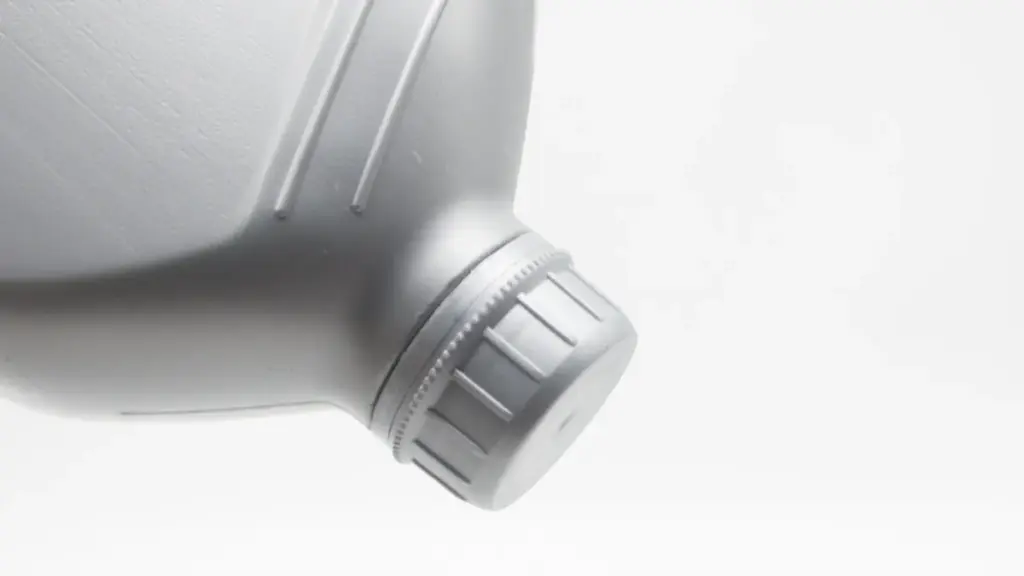
The per-unit price of a plastic cap often hides major upfront capital expenditures for custom molds and ongoing operational costs tied to color matching and regulatory compliance.
Initial Mold & Tooling Amortization
Any custom screw cap design requires a unique injection mold, which represents a significant upfront capital expense. A single production-grade mold can cost anywhere from $50,000 to over $500,000, depending on its complexity, precision, and the number of cavities. This entire cost must be amortized across the total number of caps produced. For high-volume runs of several million units, the per-unit tooling cost becomes negligible. But for lower-volume or specialized products, this amortization can dramatically inflate the true cost of each cap.
You also need to factor in the mold’s lifecycle and maintenance costs. Lower-quality tooling might have a lower initial price but will require more frequent maintenance and have a shorter service life, leading to higher long-term operational expenses and potential production downtime.
सामग्री & Color Additive Surcharges
The quoted price for a cap is almost always based on a standard, undyed resin like polypropylene or polyethylene. Requesting a custom color or performance additive immediately introduces material surcharges. Specialty color pigments, UV inhibitors, or antistatic agents increase the raw material cost beyond the base price. Suppliers often impose minimum order quantities (MOQs) for custom-colored resins, which can force you to buy and store far more material than you need, creating another hidden cost in the form of excess inventory.
Lifecycle Costs Beyond Initial Production
The costs don’t stop once the cap is molded. The energy consumed by injection molding machines, which can run from $50 को $500 per hour, is a direct operational expense that affects the final price. Looking ahead, evolving environmental regulations for 2026 and beyond are adding new lifecycle costs. Extended Producer Responsibility (EPR) schemes in states like California and Oregon impose fees on producers based on their use of virgin plastics. These compliance costs for waste management and recycling are rarely part of the initial cap quote but will absolutely impact your total cost of ownership.
How Material, Size, and Design Influence Plastic Screw Cap Price
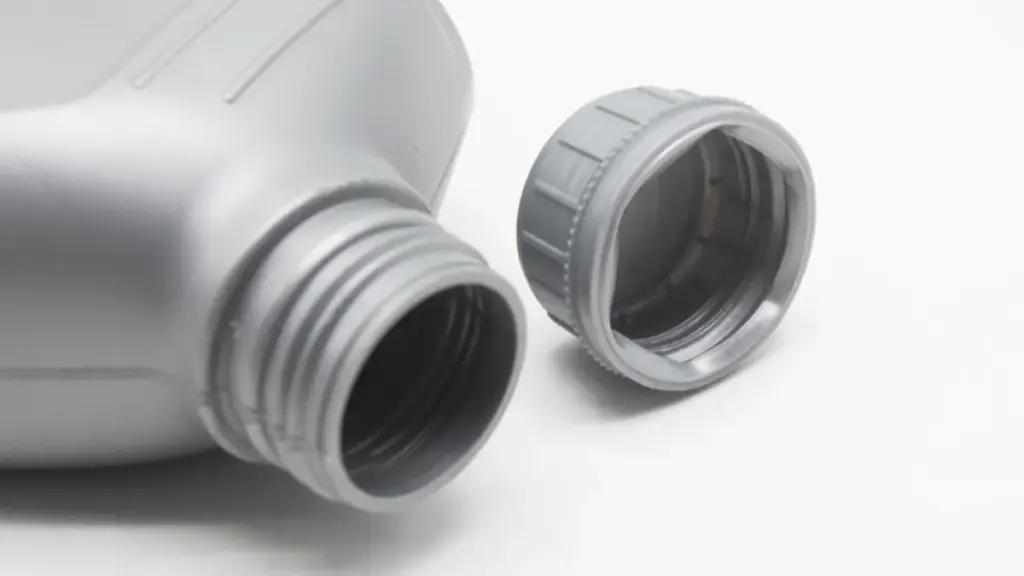
The final unit cost of a plastic screw cap is a direct result of three key variables: the grade of polymer used, the complexity of its design and tooling, and its physical dimensions which dictate material volume and shipping logistics.
Raw Material Selection and Base Unit Cost
The specific polymer used is the primary driver of a cap’s base cost. Commodity resins like Polypropylene (पीपी) और High-Density Polyethylene (HDPE) are selected for their cost-effectiveness in high-volume applications like beverages and food. Depending on the grade, order volume, and any required additives, the wholesale unit price for a standard cap typically falls between $0.06 और $0.33. Specialized materials, such as those with high post-consumer recycled (PCR) content or specific chemical resistance for cosmetics, will command a premium.
Manufacturing Complexity and Tooling
A cap’s design directly impacts production costs. Simple press-on closures are cheaper to produce than multi-thread screw designs that require more complex mold engineering. Any feature beyond a basic seal adds cost. This includes integrated tamper-evident bands, which require additional assembly stages, or internal liners made of materials like Tin or Saranex for specialized applications like wine. Custom molds for unique cap shapes represent a significant upfront capital investment, which is then amortized over the total number of units produced. A higher-quality, multi-cavity mold costs more initially but lowers the per-unit price by producing more caps per cycle and lasting longer with less maintenance.
| Cost Factor | Description | Typical Price Impact |
|---|---|---|
| Raw Material | Selection of polymer (जैसे, standard PP vs. specialized PET with PCR content). | उच्च |
| Design Complexity | Features like tamper-evident bands, internal liners, or multi-component assembly. | Moderate to High |
| Tooling Investment | Upfront cost of the production mold, amortized over the production run volume. | उच्च (Initial), कम (Per Unit) |
| Cap Dimensions | Diameter and height, which directly determine the material volume per cap. | Moderate |
Cap Dimensions, वज़न, and Logistics
The physical size of a cap is a simple but critical cost factor. A larger diameter or taller cap requires more raw material, directly increasing its unit price. This additional material also adds weight. Since freight costs are calculated based on shipment weight and volume, heavier and bulkier caps are more expensive to transport and store. Efficient cap design considers not just performance but also packing density to optimize warehousing and logistics, making lighter and more compact designs more economical throughout the supply chain.
Energy Consumption During Production
Manufacturing overhead includes significant energy costs, especially for conventional plastic injection molding. This energy-intensive process contributes to the total cost of production. As energy prices fluctuate, this can impact profitability. We’ve analyzed emerging alternatives, such as fibre-based closures, which can reduce manufacturing energy requirements by as much as 90%. This highlights how process efficiency is becoming a key competitive differentiator in closure manufacturing.
Lifecycle Costs and Regulatory Compliance
The price of a cap must also account for its entire lifecycle. This includes end-of-life costs related to local recycling infrastructure or landfill fees. As of 2026, packaging regulations like Extended Producer Responsibility (EPR) schemes in states like California and Oregon add compliance overhead and producer-funded fees based on virgin plastic use. Beyond regulatory burdens, the potential costs of quality failures are substantial. A cap that fails to seal properly can lead to product loss, customer complaints, and damage to brand reputation, making initial cost savings irrelevant.
Buying Smarter: How to Control Hidden Costs
A smart procurement strategy requires shifting focus from the initial $0.06–$0.33 unit price to a comprehensive Total Cost of Ownership model that accounts for energy, logistics, and end-of-life regulatory expenses.
Establishing a Baseline Beyond Unit Price
Effective cost control starts by moving the analysis beyond the quoted material price. While plastic screw caps appear economical, this initial figure ignores significant expenses incurred across the component’s lifecycle. A complete financial picture requires identifying and quantifying every cost factor, from manufacturing energy inputs to final disposal fees. This approach transforms purchasing from a simple transaction into a strategic analysis of long-term value.
Quantifying Energy Consumption in Production
The energy required for conventional plastic moulding is a major operational expense hidden within a supplier’s pricing. To expose this cost, you must measure the specific energy inputs for your chosen cap design and material. Benchmarking these figures against alternatives provides critical context. For example, emerging fibre-based closures can be produced using as little as one-tenth the energy of traditional plastic moulding, revealing a significant opportunity for TCO reduction.
Auditing Supply Chain and Logistics Overheads
Logistics costs are directly tied to component specifics. Calculate the financial impact of cap weight on both inbound and outbound transportation, as even small per-unit differences accumulate over large volumes. You should also assess the costs associated with warehousing, including the physical space required and any specialized inventory management protocols. Lightweighting or material changes can yield direct savings in fuel, shipping fees, and storage overhead.
Factoring in End-of-Life and Regulatory Expenses
End-of-life costs are no longer negligible. Project your future expenses from landfill fees and waste management based on your chosen cap material. साथ 2026 environmental packaging regulations like Extended Producer Responsibility (EPR) schemes fully in effect, material choices directly impact compliance costs. Selecting materials that are difficult to recycle or are made from high levels of virgin resin will incur higher fees and potential fines.
Modeling the Total Cost of Ownership
The final step is to develop a robust Total Cost of Ownership (TCO) model. This model should sum the material price with all quantified hidden costs: production energy, logistics, and disposal or regulatory fees. By comparing the final TCO of standard plastic caps against other closure options, you can identify the true, fully-loaded cost and make a procurement decision based on empirical data, not just the initial price tag.
| Cost Factor | Conventional Plastic Caps | Fibre-Based Closures |
|---|---|---|
| Material Unit Cost | $0.06–$0.33, subject to oil price volatility. | Cost-competitive with fossil-based plastic. |
| Production Energy | Standard energy consumption for plastic moulding processes. | Uses approximately 90% less energy than conventional plastic moulding. |
| Regulatory & Disposal | Subject to increasing EPR fees, landfill costs, and virgin resin penalties. | Designed for circularity and recyclability, potentially mitigating future regulatory costs. |
Conclusion
A low unit price on a plastic screw cap rarely reflects its true cost to your operation. Factoring in hidden expenses from product loss, transit leaks, and customer complaints provides a more accurate view of total cost. Choosing the right cap based on material, डिज़ाइन, and supplier reliability is a small decision that protects your product and your bottom line.
If you’re ready to move beyond unit price and improve packaging performance, contact our team. We can help you analyze your needs and provide samples for testing.
Frequently Asked Questions
What are the hidden costs of cheap plastic bottle caps?
While plastic caps have a low direct material cost, hidden costs are significant. These include production inefficiencies, such as higher energy consumption compared to alternatives like fibre-based closures. Other uncaptured expenses involve supply chain logistics, end-of-life disposal fees, and costs associated with quality failures, such as product replacements and brand impact.
How do I calculate total cost of ownership for caps and closures?
A comprehensive Total Cost of Ownership (TCO) calculation must extend beyond the initial material price. According to research, it should include factors like supply chain and logistics expenses, production energy consumption, costs related to quality and performance issues (जैसे, replacements), and end-of-life expenses such as recycling or landfill fees.
Why do my plastic caps cause leaks during transport?
The provided research data does not specify the technical reasons for plastic cap leakage. तथापि, it categorizes such failures under “quality and performance issues,” which contribute to hidden costs through product replacements, consumer dissatisfaction, and negative brand impact.
Does better cap quality really reduce overall packaging cost?
हाँ, investing in better quality can reduce overall costs. The available research indicates that poor quality and performance lead to significant hidden expenses, including the cost of product replacements, loss of customer trust, and damage to brand reputation. Higher quality caps mitigate these financial risks.
How do mold and custom color charges affect cap pricing?
The research notes that design complexity affects cost, with screw designs being “slightly more expensive” than simpler closures. तथापि, the provided data does not contain specific information regarding how mold tooling or custom color charges impact the final unit price.
What quality checks should I request before purchasing plastic caps?
The provided research emphasizes that quality and performance are critical for avoiding hidden costs but does not specify which particular quality checks to request from a manufacturer. The focus is on the financial impact of quality failures rather than the technical testing protocols.