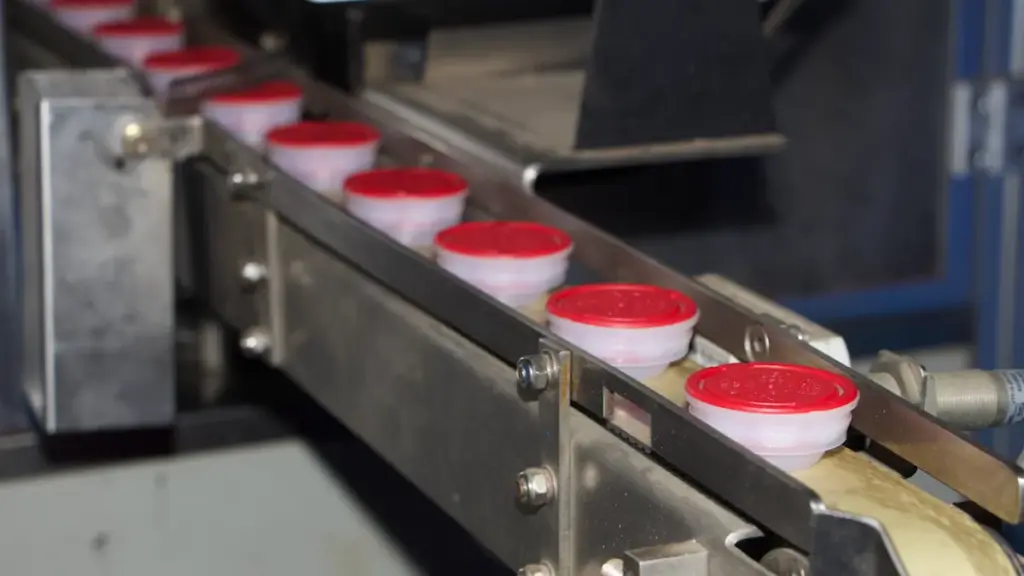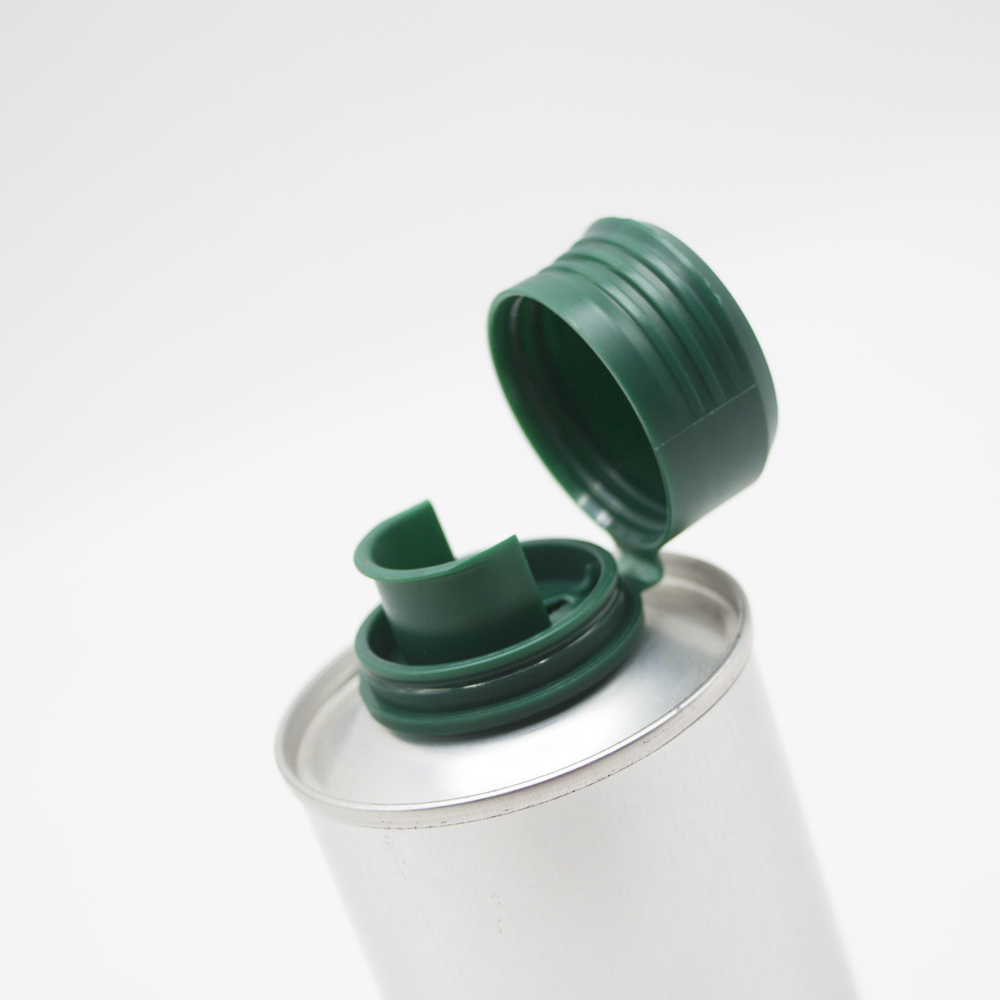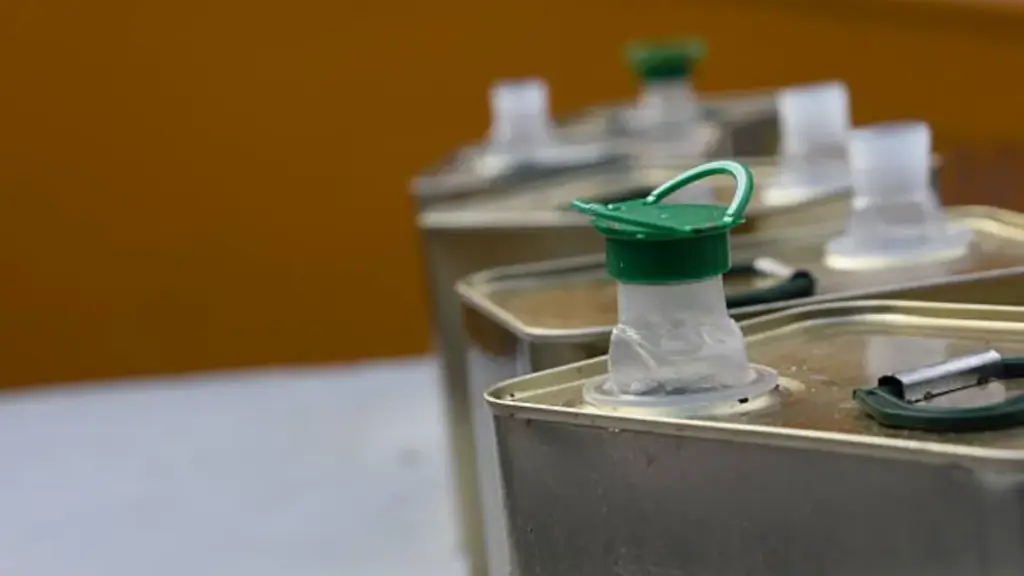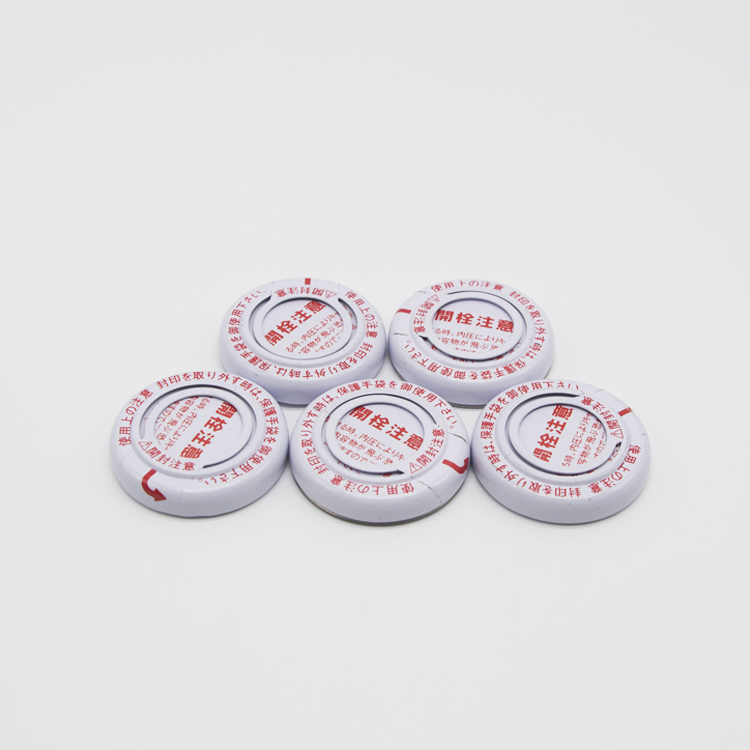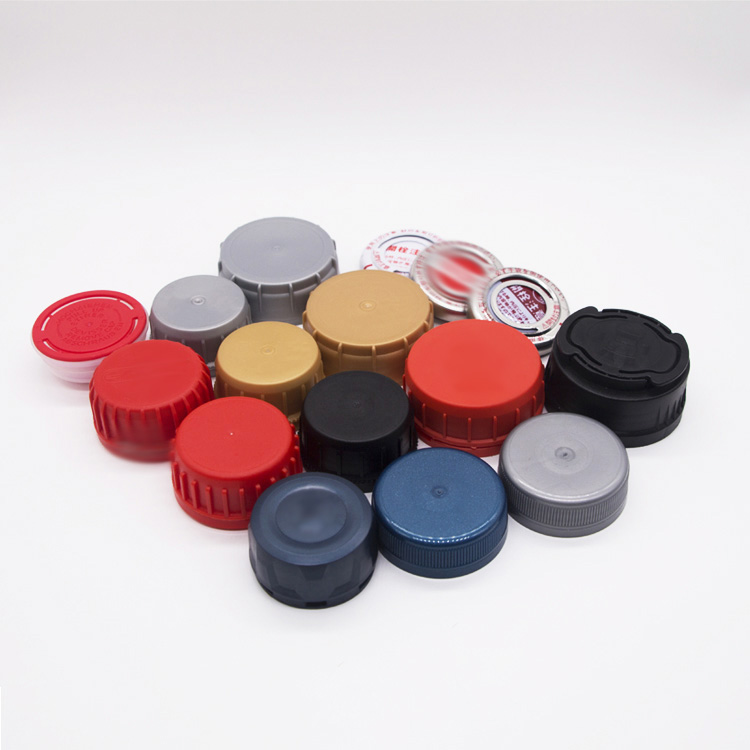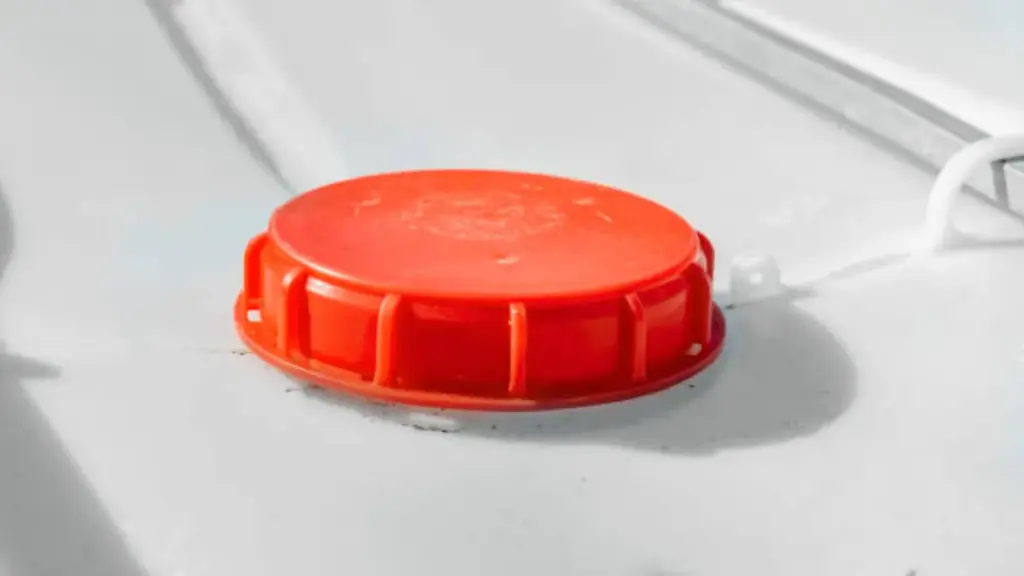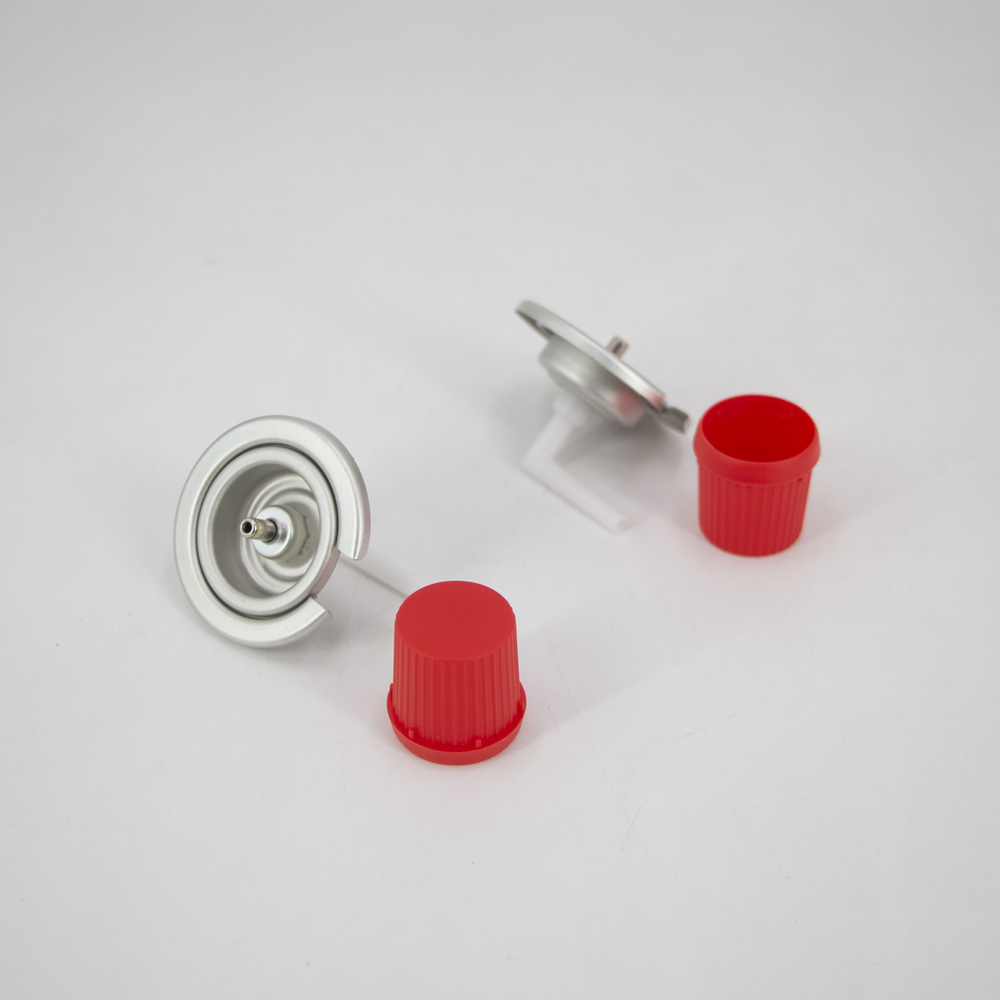
Engine oil packaging goes through a lot before it reaches the end user. Bottles are stacked, shipped long distances, exposed to temperature changes, and handled many times along the supply chain. If the cap fails, even a small leak can damage the product, create customer complaints, and harm the brand.
That is why lubricant manufacturers pay close attention to the material used for engine oil caps. The right plastic keeps the oil sealed, protects it from contamination, and makes the bottle easy and safe for consumers to open and use.
This guide explains the most common plastics used for engine oil caps, how they compare, and how manufacturers can choose the right material for reliable packaging.
Why Plastic Choice Matters For Engine Oil Storage

Engine oil contains base oils and additives that improve lubrication, reduce wear, and stabilize performance under heat. These chemical components require packaging that stays stable over time.
The plastic used in the cap directly affects how well the bottle protects the oil.
Chemical stability
Some low-grade plastics react slowly with lubricants or additives. Over time this can weaken the cap or affect sealing performance. High-quality plastics maintain their structure and do not interact with the oil inside the container.
Reliable sealing
Oil bottles are often stored horizontally during transport. If the cap threads deform or the seal is inconsistent, leakage can occur. A stable plastic structure helps the cap maintain tight sealing even after long transport.
Temperature tolerance
Lubricant packaging may be stored in hot warehouses, shipping containers, or cold climates. Caps must keep their shape and strength across these conditions.
User experience
Consumers open and close the cap multiple times during use. The cap needs to feel solid, open smoothly, and reseal easily without damaging the threads.
For these reasons, lubricant packaging companies carefully select plastics that balance durability, chemical resistance, and production efficiency.
Common Plastic Materials For Engine Oil Caps
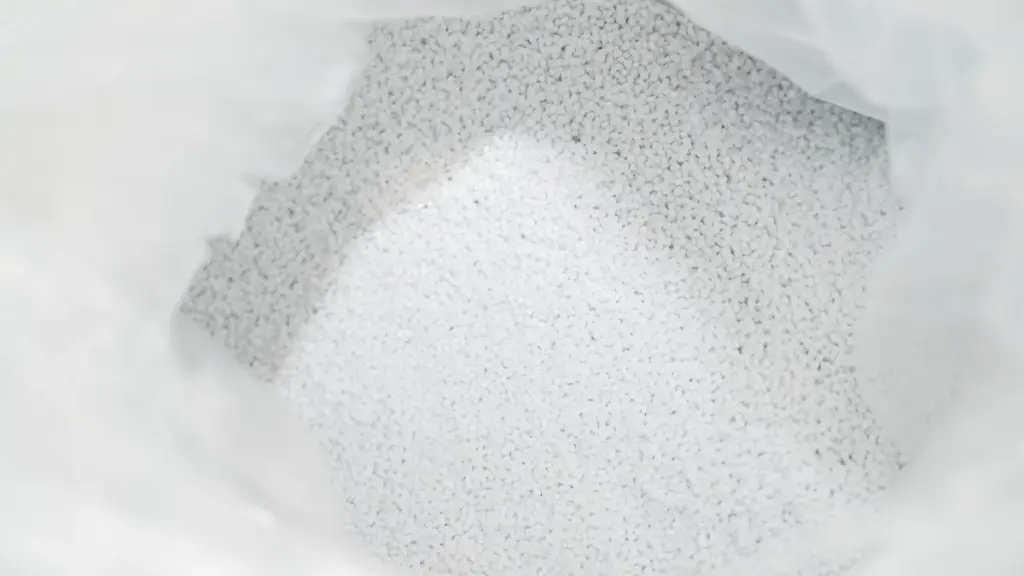
Several plastic materials are commonly used in lubricant bottle closures. Each has different strengths depending on the application.
Polypropylene (PP)
Polypropylene is one of the most widely used plastics for engine oil caps.
It offers a strong balance of durability, chemical resistance, and mold precision. Because of this, many lubricant packaging suppliers rely on PP for high-volume cap production.
Key advantages include
- strong resistance to oil additives
- stable structure under moderate heat
- excellent molding precision for threads and tamper rings
- lightweight and cost efficient
Polypropylene is often used for motor oil bottle caps, tamper evident closures, and many types of industrial packaging caps.
High Density Polyethylene (HDPE)
HDPE is another common plastic used in packaging.
This material is slightly more flexible than polypropylene and performs well when containers face physical stress during shipping.
Common benefits include
- strong impact resistance
- good moisture protection
- reliable chemical compatibility with lubricants
HDPE is frequently used for larger lubricant containers and heavy duty packaging.
Polyethylene (Educação Física)
Some oil packaging systems use standard polyethylene materials for certain cap components.
PE offers flexibility and stable chemical performance. However, it is generally softer than PP and HDPE, so it is less common for structural cap designs that require rigid threads.
Specialized plastics for certain applications
In rare cases, specialized plastics may be used when packaging requires higher temperature tolerance or advanced structural features. These materials are typically reserved for niche applications and are less common in standard lubricant packaging.
For most engine oil bottle caps, PP and HDPE remain the primary choices across the industry.
Comparing PP and HDPE For Engine Oil Caps

Polypropylene (PP) and High-Density Polyethylene (HDPE) are the two most widely used plastics in lubricant packaging. Both belong to the polyolefin family and offer strong resistance to hydrocarbons, which makes them compatible with engine oil and common lubricant additives. However, their mechanical properties and thermal performance create important differences when used for engine oil caps.
| Property | HDPE (High-Density Polyethylene) | PP (Polypropylene) |
|---|---|---|
| Young’s Modulus | 0.9–1.2 GPa | 1.5–2.5 GPa |
| Tensile Strength | 28–34 MPa | 30–40 MPa |
| Melting Point | 120–130°C | 160–166°C |
| Heat Deflection Temperature (HDT) | 49–80°C | 60–100°C |
Structural Rigidity and Thread Precision
One key difference between PP and HDPE is stiffness. Polypropylene typically has a Young’s modulus of about 1.5–2.5 GPa, while HDPE generally ranges from 0.9–1.2 GPa. The higher modulus of PP means the material is more rigid and better able to maintain precise thread geometry in injection-molded caps.
This rigidity helps the cap maintain consistent torque and alignment with the bottle neck during repeated opening and closing. HDPE is more flexible, which improves impact resistance during transport but can allow minor deformation under long-term stress. For closures where thread precision and dimensional stability are critical, PP often provides a more reliable structure.
Heat Resistance and Filling Conditions
Temperature resistance is another factor in lubricant packaging. Polypropylene has a melting point of around 160–166°C, compared with about 120–130°C for HDPE. Because of this higher thermal stability, PP maintains its structural integrity better in elevated temperature environments.
In practical applications, engine oil bottles may be filled when the product is still warm or stored in hot warehouses and shipping containers. Under these conditions, PP closures are less likely to soften or lose their shape, helping maintain sealing consistency.
Tamper-Evident and Closure Design
Modern engine oil packaging often includes tamper-evident bands, tear-off rings, or induction seal systems. These features require precise molding and predictable material behavior.
PP’s higher rigidity and dimensional stability make it well suited for these designs. The material holds small structural details more accurately during injection molding and supports consistent break performance for tamper rings. HDPE can also be used for closures, but its greater flexibility can make it harder to achieve the same precision in small tamper-evident structures.
For these reasons, polypropylene is widely used for consumer motor oil bottle caps, while HDPE remains a practical option for larger or heavy-duty lubricant containers where impact resistance is important.
Why Origin Plastic Is Better than Recycled One

For engine oil caps, origin (virgin) plastic provides unmatched material purity and structural consistency, eliminating the performance risks associated with recycled material variations.
While recycled plastics offer clear cost and environmental benefits, they introduce a level of unpredictability that is unacceptable for high-performance applications like engine oil packaging. Virgin plastic is the superior choice when product integrity and safety are non-negotiable. Its controlled manufacturing process ensures a pure, uniform material free from the contaminants and structural weaknesses that can arise during recycling.
Guaranteed Chemical Purity for Oil Preservation
Origin materials like Polyethylene (Educação Física) and Polypropylene (PP) are manufactured to exact specifications, guaranteeing consistent chemical resistance. This purity is critical for preventing any interaction with the complex additives found in modern engine oils. Recycled plastics, on the other hand, can contain unknown residual chemicals from their previous life cycles. These contaminants can leach into the oil, potentially degrading its viscosity and neutralizing performance additives, which compromises engine protection.
Consistent Structural Integrity for a Secure Seal
The recycling process shortens the polymer chains in plastic, which can reduce its strength and durability. Virgin plastic maintains its full molecular integrity, providing predictable structural performance across a wide range of temperatures and environmental conditions. This consistency ensures the cap can provide the reliable compression needed for gaskets and induction liners to form a perfect seal. A cap made from virgin material resists warping and stress cracking, effectively preventing leaks and protecting the oil from moisture and oxidation.
Reliable Performance for Safety Mechanisms
Safety features like tamper-evident tear-off strips demand precise material properties to function correctly. They must be strong enough to survive shipping but engineered to break cleanly with a specific amount of force. The uniform molecular structure of virgin plastic ensures this mechanism performs reliably every single time. The inherent variability in recycled plastic batches can cause these features to fail—either breaking prematurely or refusing to tear properly, frustrating the end-user and undermining product security.
How to Choose the Right Plastic Material For Your Engine Oil Caps
Selecting the right plastic for an engine oil cap requires a focused analysis of five technical criteria: chemical compatibility, temperature tolerance, sealing integrity, structural rigidity, and support for tamper-evident features.
| Material | Best Used For | Key Advantages |
|---|---|---|
| Polypropylene (PP) | Consumer motor oil bottles (1L–5L), tamper-evident caps, precision threaded closures | High rigidity, better heat resistance, excellent molding precision for tamper-evident structures |
| Polyethylene (Educação Física) | General lubricant packaging, durable caps for medium-size containers | Good flexibility, strong chemical resistance, reliable sealing performance |
| High-Density Polyethylene (HDPE) | Large lubricant containers, industrial oil packaging, heavy-duty caps | Excellent impact resistance, high toughness, good durability during transport |
Assess Chemical Compatibility with Lubricating Oil
The primary requirement for an engine oil cap is non-reactivity. The plastic must be chemically inert when in contact with lubricating oils and their complex additive packages. Both Polypropylene (PP) and High-Density Polyethylene (HDPE) are industry standards because of their proven resistance to hydrocarbons. A failure in chemical compatibility can lead to material degradation, cap failure, and contamination of the oil, ultimately compromising its viscosity and performance characteristics.
Evaluate Tolerance for Temperature and Environmental Stress
Engine oil containers are exposed to a wide range of temperatures during shipping, storage, and use. The cap material must maintain its structural integrity without warping, cracking, or becoming brittle. This includes resistance to long-term UV exposure, which can degrade lower-quality plastics and lead to premature failure. PP generally offers superior heat resistance compared to HDPE, making it a better fit for applications where higher temperatures are a concern.
| Property | HDPE (High-Density Polyethylene) | PP (Polypropylene) |
|---|---|---|
| Rigidity | Lower (More Flexible) | Higher (Stiffer) |
| Resistência ao Calor | Moderate | Superior |
| Environmental Stress Crack Resistance | Good | Excellent |
Analyze Sealing Integrity and Gasket Interaction
A cap’s primary function is to seal the container. The chosen plastic must effectively compress against gasket materials (like rubber or silicone liners) to form a durable, leak-proof closure. This seal must maintain consistent pressure over time to prevent oil oxidation from air exposure and contamination from moisture ingress. The material’s dimensional stability and surface properties are critical for achieving this long-term sealing performance.
Confirm Structural Rigidity for Contamination Prevention
The cap must be rigid enough to act as a physical barrier against dirt, dust, and other external contaminants. A material that is too flexible may deform under pressure or during handling, compromising the seal. The plastic also needs to withstand the mechanical stress of repeated opening and closing without losing its shape or thread integrity. PP’s higher rigidity often makes it a better choice for caps than the more pliable HDPE, which is better suited for bottle bodies.
Verify Support for Tamper-Evident Safety Features
For commercial products, tamper evidence is a non-negotiable safety feature. The plastic material must be compatible with common tamper-evident designs, such as tear-off strips or breakable rings. It also needs to work seamlessly with secondary sealing processes like induction sealing, where a foil liner is bonded to the container’s rim. The material must withstand the heat from the induction process without warping, ensuring a secure and reliable tamper-proof finish.
Why Partner with FUTEN for Your Plastic Closure Needs?

introduzido, a plastic and metal caps manufacturer in China, offers a full manufacturing line including screw caps, flip top caps, tampas de bico, finger press caps, etc.
- Unrivaled Equipment: Our investment in equipment is 5 times higher than the industry average. By using only new, high-end automated machinery, we produce caps with 1.5x the efficiency of our competitors.
- Rigorous Quality Control: Every cap undergoes a 4-step quality check, including automated visual inspection and air-tightness testing.
- Solução completa: From metal closures to PET packaging and specialized plastic caps, we provide a comprehensive suite of products for the lubricant and automotive care industries.
- Global Logistics: Localizado em Cantão, near major export ports, we handle all export documentation (CO, FORM E, etc.), ensuring your order clears customs without delay.
Ready to upgrade your packaging? Our team is available 24/7. Contact FUTEN today for a free sample and a complete solution proposal within 2 horas.
Frequently Asked Questions
What plastic is commonly used for engine oil caps?
Polypropylene (PP) and high density polyethylene (HDPE) are the most common plastics used for engine oil caps. Both offer strong chemical resistance and reliable sealing performance.
Is polypropylene safe for oil bottle caps?
Sim. Polypropylene is widely used in lubricant packaging because it resists oil additives and maintains strong structural stability.
Can recycled plastic be used for oil caps?
Some packaging industries use recycled plastic, but lubricant packaging usually relies on virgin plastic to ensure consistent quality and chemical stability.
Which material is better for tamper evident oil caps?
Both polypropylene (PP) and polyethylene (Educação Física) can be used for tamper-evident oil caps. PP is often used for closures with complex tamper-evident rings because it provides high molding precision. However, HDPE and PE are also widely used in lubricant packaging, especially when durability and impact resistance during transportation are important.
Can engine oil caps be customized?
Sim. Manufacturers can produce customized caps with brand colors, logos, tamper evident features, and different cap designs to match specific bottle types.
How long does it take to get a custom design?
Making a new mold usually takes about 3 to 4 months. But since we have over 1000 sets of molds already, we can often find a solution that gets you moving much faster.
What is the fastest way to get an order?
If we have the items in stock, we can ship in about 5 to 10 dias. For custom colors or logos, it usually takes 15 to 25 dias. Our factory runs 24/7 to keep things moving.