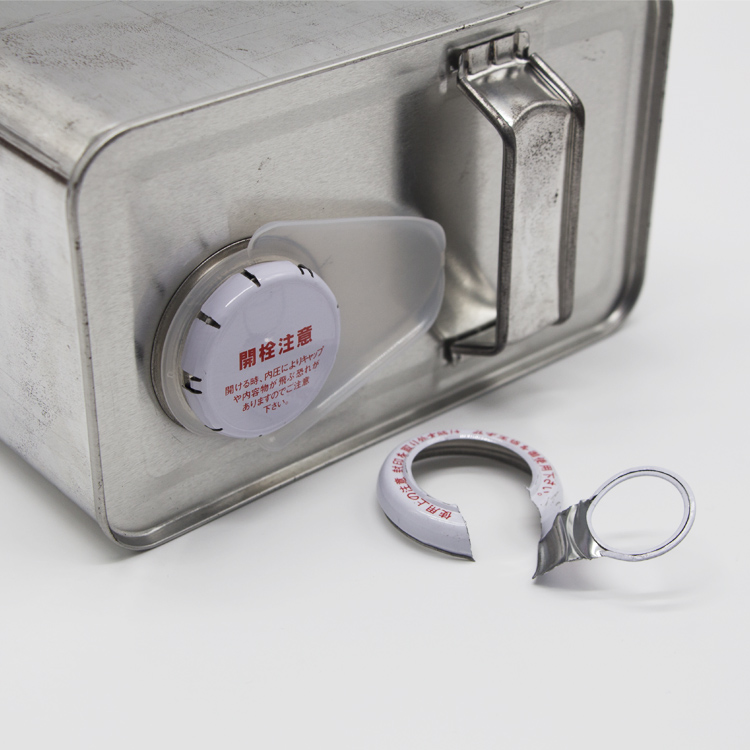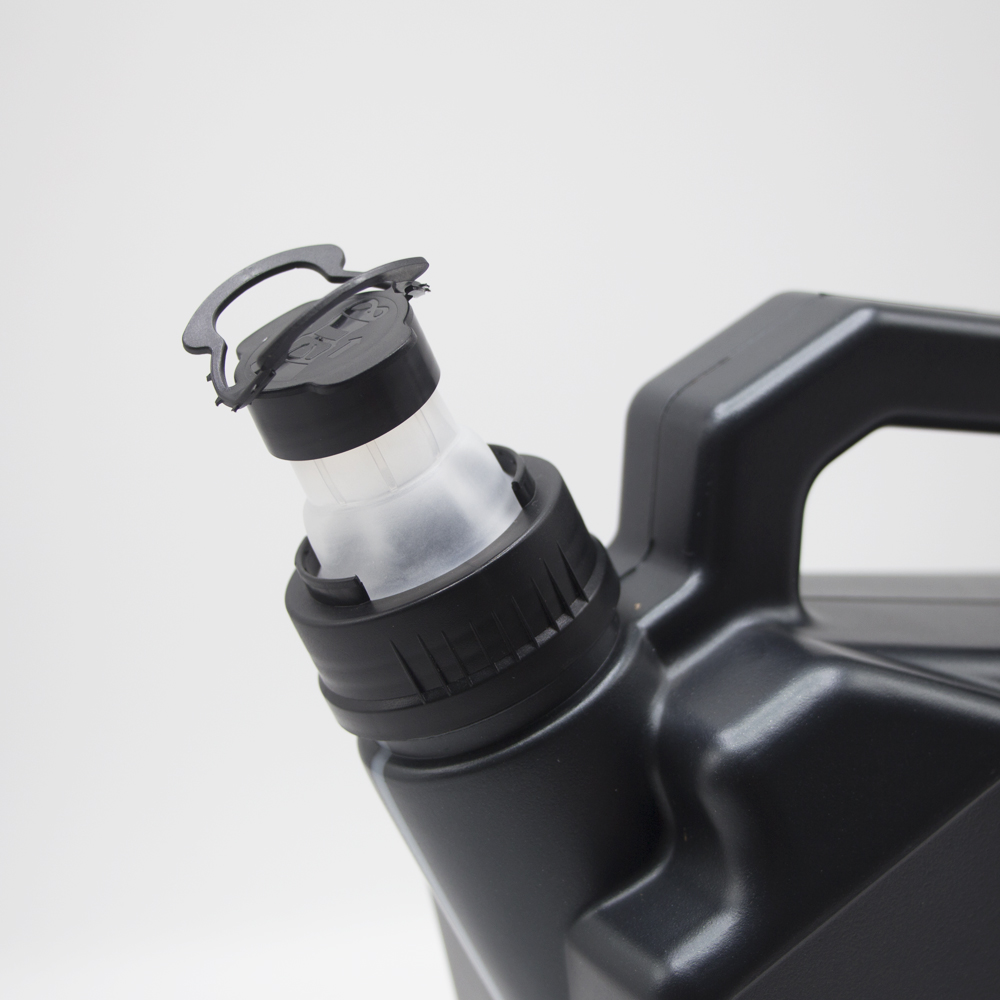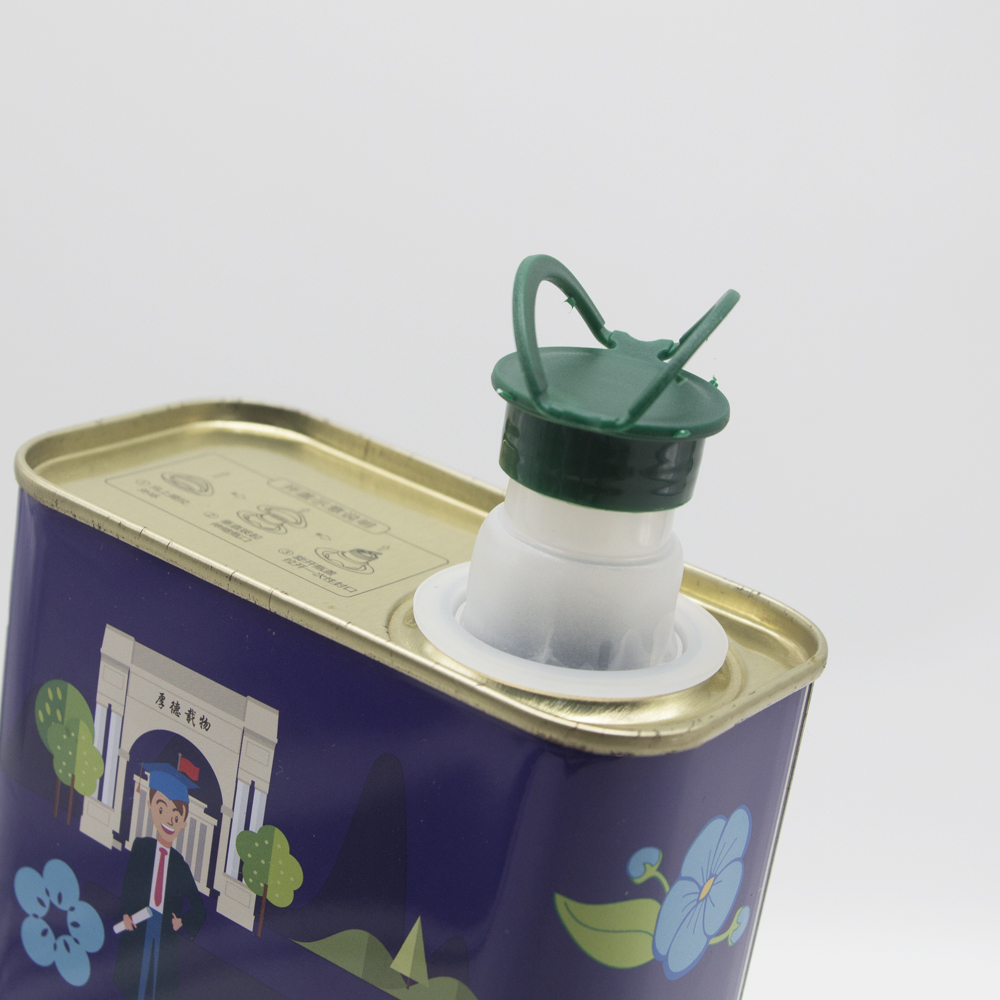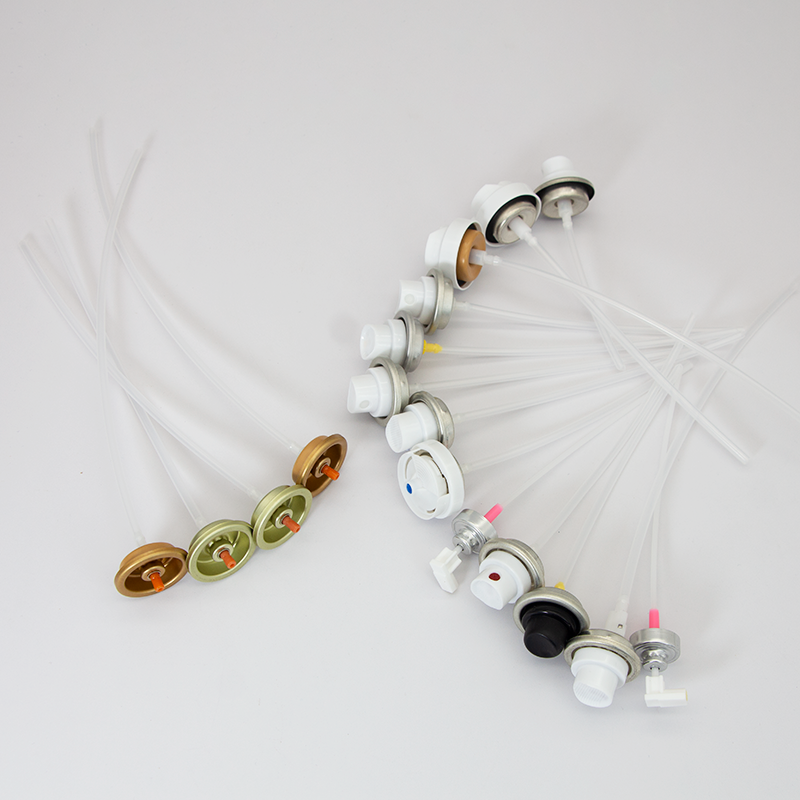
Elegir las tapas de pico adecuadas no es sólo una cuestión de apariencia. En embalaje industrial, la tapa afecta directamente la estabilidad del sellado, control de dispensación, seguridad en el transporte, y consistencia de marca a largo plazo. Una tapa mal adaptada puede provocar fugas, ajuste suelto, contaminación, o mala experiencia del usuario durante el almacenamiento y envío.
Para marcas que desarrollan tapas de pico personalizadas, comprender la relación entre la marca, diseño estructural, y la viabilidad de la producción es esencial para reducir el riesgo de desarrollo y mejorar la estabilidad del suministro a largo plazo.. Ya sea que esté personalizando colores y logotipos o desarrollando una estructura de dosificación completamente nueva, un proceso de personalización bien planificado ayuda a mejorar el rendimiento del embalaje, eficiencia de producción, y consistencia general del producto.
Descripción general de las categorías de personalización
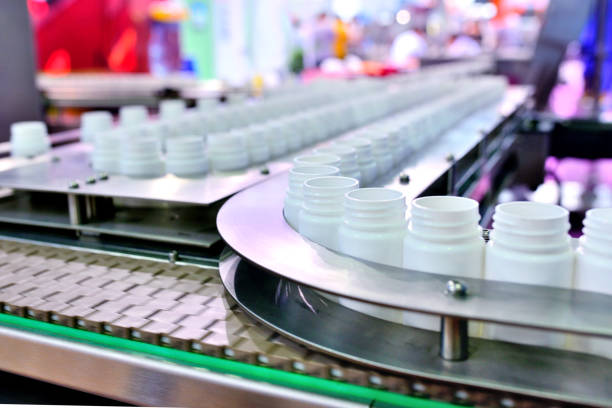
La personalización moderna de la tapa del pico va más allá de simples cambios de apariencia. En embalaje industrial, la personalización suele combinar branding, rendimiento de dispensación, confiabilidad del sellado, y compatibilidad de contenedores en una solución integrada. Diferentes industrias también priorizan diferentes requisitos. Los envases químicos a menudo se centran más en la prevención de fugas y la resistencia del material., mientras lubricante, detergente, y los productos automotrices ponen mayor énfasis en el control del vertido y el reconocimiento de la marca..
La mayoría de los proyectos de tapas de pico personalizados generalmente se centran en tres áreas, Estas tres capas trabajan juntas para equilibrar la apariencia., actuación, y usabilidad:
- Marca visual: Color, logo, y personalización de la apariencia de la superficie.
- Diseño Estructural: Compatibilidad de hilos, diámetro del pico, y estructura de sellado.
- Características funcionales: Sistemas de ventilación, funciones a prueba de manipulaciones, y control de dispensación.
Personalización de marca visual
La personalización visual es a menudo el primer paso en el desarrollo de empaques personalizados porque ayuda a que los productos mantengan una identidad de marca consistente en diferentes mercados y líneas de empaque..
Las opciones de personalización de marca más comunes incluyen:
- Color: Mejora el reconocimiento en los lineales y fortalece la consistencia de la marca a largo plazo..
- Logo: Los fabricantes pueden aplicar logotipos mediante estampado., grabado, marcado láser, o marca moldeada.
- Acabado superficial: Mate, lustroso, o los acabados metálicos ayudan a crear diferentes estilos de embalaje y posicionamiento en el mercado..
Para muchos proyectos, Las marcas personalizan los colores., logotipos, y acabados manteniendo las estructuras de tapa estándar para reducir la inversión en herramientas y acortar el tiempo de desarrollo..
Personalización estructural y funcional
Más allá de la marca visual, La personalización estructural se centra en el rendimiento de la tapa durante el llenado., transporte, almacenamiento, y dispensación al usuario final.
Las áreas de personalización funcional comunes incluyen:
- Sistema de sellado: El diseño de la rosca garantiza la compatibilidad de la botella y la prevención de fugas..
- Control de flujo: El diámetro del pico afecta la velocidad y precisión de dosificación.
- Equilibrio de presión: El sistema de ventilación estabiliza la presión interna durante el uso..
- Estructura de seguridad: Las características a prueba de manipulaciones protegen la integridad del producto.
Las empresas suelen requerir personalización funcional para líquidos de alta viscosidad, productos químicos sensibles a la presión, o contenedores industriales especializados. Como resultado, El diseño estructural influye directamente tanto en el rendimiento de dosificación como en la confiabilidad del transporte..
Elegir entre diseño estándar y totalmente personalizado
No todos los proyectos requieren moldes completamente nuevos o estructuras totalmente personalizadas. Algunas empresas solo modifican la apariencia, mientras que otros requieren un rediseño estructural para aplicaciones de embalaje especializadas..
| Tipo de personalización | Ventaja principal | Aplicación típica |
|---|---|---|
| Personalización de moldes estándar | Menor costo de herramientas y producción más rápida | Personalización de colores y logotipos. |
| Personalización estructural parcial | Compatibilidad o dispensación mejorada | Pico modificado o estructura de sellado |
| Desarrollo personalizado completo | Diferenciación completa del embalaje | Envases especiales o líquidos únicos |
La elección entre desarrollo estándar y totalmente personalizado suele depender del presupuesto del proyecto., requisitos técnicos, volumen de producción, y estrategia de embalaje a largo plazo. Las herramientas estándar a menudo reducen el riesgo de desarrollo y acortan el tiempo de entrega., mientras que los proyectos totalmente personalizados proporcionan una mayor flexibilidad para aplicaciones especializadas.
Personalización de marca: Bandera, Logotipos, y acabado superficial
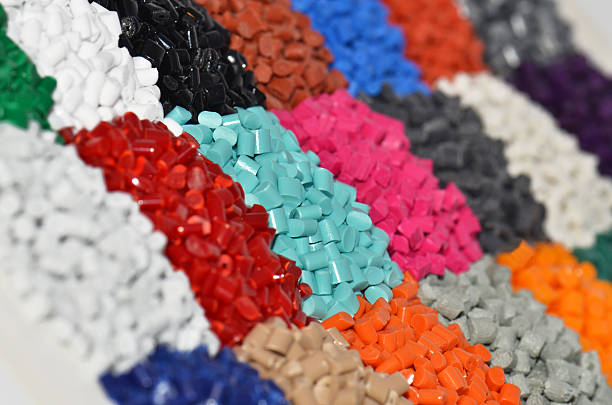
La personalización de la marca ayuda a transformar una gorra funcional en un componente de embalaje reconocible. En muchos sectores industriales, La consistencia del embalaje juega un papel importante en la confianza del cliente., reconocimiento de producto, e identidad de marca a largo plazo.
Una gorra personalizada profesionalmente debe mantener una apariencia de color estable., visibilidad duradera del logotipo, y textura superficial consistente en diferentes lotes de producción. Estos detalles visuales no solo influyen en la presentación en los estantes, sino que también respaldan la coherencia del empaque en todas las cadenas de suministro globales..
Elegir colores con Pantone y Masterbatch
La consistencia del color es una de las partes más importantes del desarrollo de envases personalizados.. Incluso pequeñas variaciones de color entre lotes de producción pueden debilitar el reconocimiento de la marca y reducir la consistencia del empaque en múltiples líneas de productos..
La mayoría de las tapas de pico personalizadas utilizan colorantes masterbatch durante el moldeo por inyección.. en este proceso, Los fabricantes mezclan pigmentos concentrados directamente en la resina plástica antes de que comience la producción.. Este método proporciona una distribución del color más estable y uniforme en toda la estructura de la tapa..
Para mantener una reproducción precisa del color, Los fabricantes suelen utilizar Pantone Matching System (síndrome premenstrual) Referencias durante el desarrollo del color..
Varios factores pueden influir en la apariencia final del color.:
- Tipo de material: Los materiales PP y PE reflejan la luz de manera diferente y pueden cambiar ligeramente la percepción del color..
- Textura de la superficie: Los acabados mate y brillante afectan el brillo y la profundidad visual..
- Temperatura de producción: Las condiciones del moldeo por inyección pueden influir ligeramente en el tono del color..
- Contenido reciclado: Algunos materiales reciclados pueden reducir la consistencia del color a largo plazo..
Los colores transparentes y semitransparentes también se utilizan mucho para los lubricantes., detergentes, y fluidos automotrices donde la visibilidad del producto y el monitoreo de residuos son importantes.
Métodos de aplicación de logotipos para tapas de picos
La personalización del logotipo mejora el reconocimiento del producto y crea una apariencia de empaque más profesional.. A diferencia de etiquetas o pegatinas, La marca moldeada permanece duradera durante el uso industrial a largo plazo y la manipulación repetida..
Los fabricantes suelen utilizar varios métodos de aplicación de logotipos para tapas de pico personalizadas.:
- Logotipos en relieve: Los logotipos en relieve mejoran la visibilidad y crean un efecto táctil más fuerte..
- Logotipos grabados: Los logotipos empotrados brindan una apariencia más limpia y sutil al mismo tiempo que mantienen la durabilidad..
- Marcado láser: Los sistemas láser crean logotipos de alta precisión, números de serie, o códigos de trazabilidad sin materiales de impresión adicionales.
- Logotipos moldeados: Los fabricantes integran logotipos directamente en la cavidad del molde para una marca permanente sin procesamiento secundario..
La ubicación del logotipo también requiere una cuidadosa consideración de ingeniería.. Dirección del flujo del molde, posición del hilo, y la mecánica de apertura de la tapa pueden afectar la claridad del logotipo y la estabilidad del moldeado durante la producción..
Acabado superficial y consistencia visual de la marca
Más allá de colores y logotipos, El acabado de la superficie también influye en cómo los clientes perciben la calidad del embalaje y el posicionamiento de la marca.. Diferentes acabados crean diferentes efectos visuales incluso cuando se utiliza el mismo material y color..
| Tipo de acabado | Efecto visual | Aplicación típica |
|---|---|---|
| Mate | Aspecto suave e industrial. | Productos químicos y embalajes industriales. |
| Lustroso | Superficie brillante y reflectante | Detergentes y envases de consumo. |
| Metálico | Efecto visual premium | Productos automotrices y especializados. |
Mantener una calidad de acabado constante en todos los lotes de producción es especialmente importante para los programas de embalaje globales que requieren una marca estable en diferentes lugares de fabricación y cadenas de suministro..
Asegure su marca con cierres sin fugas.
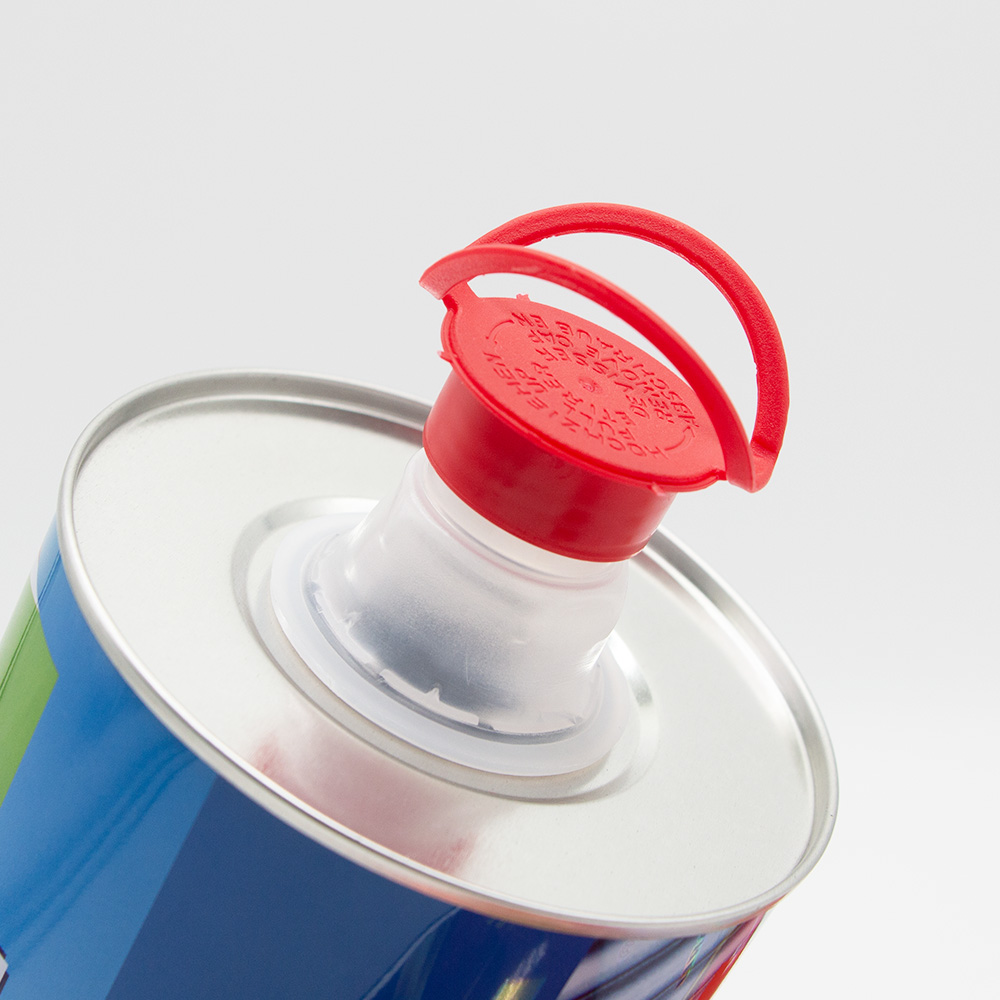
Diseño estructural y compatibilidad de embalaje
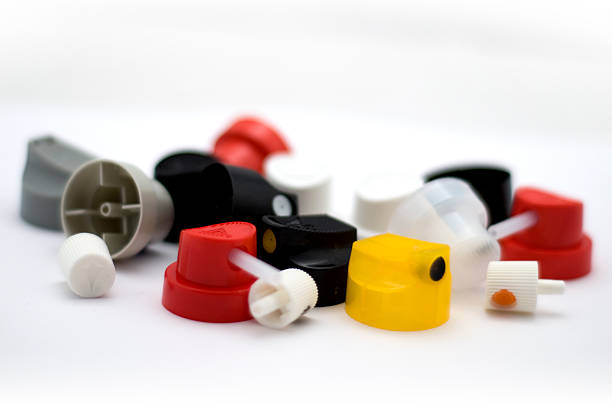
La personalización estructural se centra en cómo interactúa la tapa con la botella., líquido, línea de llenado, y proceso de dispensación al usuario final. En muchas aplicaciones industriales, El rendimiento estructural es más importante que la apariencia visual porque afecta directamente la estabilidad del sellado., seguridad en el transporte, y confiabilidad de dispensación.
Incluso pequeños ajustes en la estructura de la rosca o en la geometría del sellado pueden influir en la resistencia a las fugas., rendimiento de par, y compatibilidad de embalaje a largo plazo.
Mantener un acabado de cuello estándar para una producción más rápida
Muchas empresas optan por personalizar la apariencia de la tapa manteniendo los acabados de cuello y las dimensiones de la tapa estándar.. Este suele ser el enfoque más rápido y rentable para proyectos de embalaje industrial..
Estándar común tamaños de cuello incluir 20 mm, 24milímetros, 28milímetros, y 38mm. Estas especificaciones se utilizan ampliamente en todos los sectores químicos., lubricante, detergente, y aplicaciones de embalaje para automóviles.
Mantener las especificaciones estándar ofrece varias ventajas prácticas:
- Menor costo de herramientas: Los moldes existentes a menudo se pueden reutilizar sin modificaciones estructurales..
- Plazo de entrega más corto: Desarrollo, muestreo, y los ciclos de prueba se vuelven más eficientes.
- Compatibilidad de la línea de llenado: Los sistemas de automatización existentes suelen requerir menos ajustes de producción..
- Flexibilidad de suministro: Los componentes estándar son más fáciles de conseguir y reemplazar a largo plazo.
Este enfoque funciona especialmente bien para proyectos que se centran principalmente en mejoras de marca, como el color., logo, o personalización del acabado superficial.
Cuando se hace necesario un diseño personalizado de rosca o pico
En algunas aplicaciones, Las estructuras de tapas estándar no pueden cumplir completamente con los requisitos de empaque o dispensación.. En estos casos, las empresas pueden necesitar diseños de hilos personalizados, diámetros de pico modificados, o sistemas de ventilación especializados.
A menudo se requiere un desarrollo estructural personalizado para las siguientes situaciones:
- Líquidos de alta viscosidad: Los lubricantes espesos o los fluidos industriales pueden requerir canales de flujo más grandes para una dosificación más suave..
- Contenedores Especializados: Los acabados de cuello de botella no estándar pueden requerir compatibilidad de rosca personalizada.
- Control de dispensación: Algunos productos necesitan más lento, limpiador, o rendimiento de vertido más preciso.
- Productos químicos sensibles a la presión: Ciertos líquidos requieren sistemas de ventilación para estabilizar la presión interna durante la dispensación..
- Equipo de llenado no estándar: Los sistemas de producción automatizados pueden requerir dimensiones o rendimiento de par específicos..
Comparado con la personalización de la apariencia, El rediseño estructural es mucho más complejo porque afecta directamente a la ingeniería del molde., rendimiento de sellado, y estabilidad de la producción.
Cómo los cambios estructurales afectan el rendimiento del sellado
Sin embargo, La personalización estructural también aumenta los requisitos de validación de ingeniería.. Incluso pequeños cambios dimensionales pueden influir en la confiabilidad del sellado durante el transporte y el almacenamiento..
Los fabricantes suelen evaluar varias áreas clave durante las pruebas estructurales.:
- Riesgo de fuga: El ajuste incorrecto de la rosca puede causar fugas durante el envío o manipulación..
- Rendimiento de par: Las tapas deben mantener una fuerza de apriete estable sin aflojarse con el tiempo..
- Resistencia a la presión: Las fluctuaciones de temperatura pueden crear cambios de presión interna dentro del contenedor..
- Pruebas de compatibilidad: Las tapas deben caber en las botellas., revestimientos, y llenar el equipo con precisión.
Para productos químicos, lubricante, y aplicaciones de embalaje industrial, La estabilidad del sellado es fundamental porque incluso las fugas más pequeñas pueden afectar la seguridad del producto., cumplimiento del transporte, y confianza del cliente.
Gestión de proyectos de desarrollo de tapas de pico personalizadas
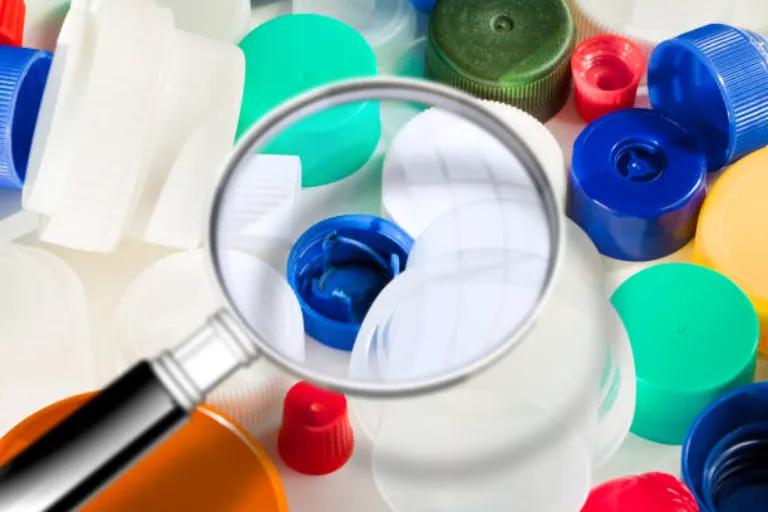
Los proyectos exitosos de empaques personalizados requieren más que buenas ideas de diseño. La eficiencia del desarrollo depende en gran medida de la preparación técnica, calidad de la comunicacion, y una planificación de producción realista.
La coordinación temprana entre marcas y fabricantes ayuda a reducir los retrasos en el desarrollo, muestreo repetido, y revisiones innecesarias de herramientas.. También mejora la eficiencia de la producción y la estabilidad del suministro a largo plazo..
Cómo el nivel de personalización afecta la MOQ y el tiempo de entrega
MOQ y plazo de entrega están estrechamente relacionados con la complejidad de la personalización. La personalización de la apariencia simple generalmente avanza más rápido porque los fabricantes pueden continuar usando moldes y estructuras de producción existentes..
Sin embargo, una personalización estructural más avanzada a menudo aumenta la carga de trabajo de ingeniería, inversión en herramientas, y requisitos de validación.
La personalización estructural completa suele requerir:
- Nuevos moldes de inyección: El rediseño estructural generalmente requiere el desarrollo de herramientas dedicadas.
- Revisión de ingeniería: Los fabricantes deben verificar la compatibilidad., rendimiento de sellado, y viabilidad del molde.
- Pruebas de prototipos: La validación de muestras ayuda a identificar problemas de dispensación o ajuste antes de la producción..
- Validación de molde: Se debe confirmar la precisión de las herramientas y la consistencia dimensional..
- Ajuste de producción: Las líneas de llenado y las condiciones de montaje pueden requerir optimización.
A medida que aumenta la complejidad de la personalización, Los plazos de desarrollo y los costes de producción también aumentan..
| Nivel de personalización | Complejidad del desarrollo | Impacto en la producción |
|---|---|---|
| Sólo color | Bajo | Producción más rápida y MOQ más bajo |
| Color + Logo | Medio | Procesamiento adicional o grabado en molde |
| Personalización estructural completa | Alto | Nuevas herramientas, pruebas, y mayor plazo de entrega |
Información que debe preparar antes de solicitar una cotización
Un informe técnico claro ayuda a los fabricantes a proporcionar cotizaciones precisas y reduce la incertidumbre del desarrollo.. Cuanto más completa sea la información del proyecto, más fácil será evaluar las herramientas, viabilidad de producción, y planificación del suministro a largo plazo.
Antes de solicitar una cotización, Las empresas deben preparar la siguiente información.:
- Acabado del mástil: Especificación de rosca de botella y dimensiones de apertura..
- Tipo de líquido: Propiedades químicas, viscosidad, y condiciones de llenado.
- Cantidad Anual: Demanda anual estimada o previsión de compras.
- Archivos de logotipo: Archivos vectoriales como AI, EPS, o formato PDF.
- Referencia Pantone: Códigos de color PMS o muestras de color físicas.
También pueden ser necesarios requisitos técnicos adicionales para aplicaciones industriales.:
- Requisitos de ventilación: Necesario para líquidos sensibles a la presión.
- Funciones a prueba de manipulaciones: Requerido por motivos de seguridad o cumplimiento.
- Condiciones de transporte: Importante para productos expuestos a cambios de temperatura o presión..
La información incompleta del proyecto a menudo conduce a cotizaciones inexactas, revisiones repetidas, y ciclos de desarrollo más largos.
Por qué es importante la comunicación técnica temprana
La comunicación técnica temprana ayuda a identificar posibles riesgos de ingeniería y producción antes de que comience el mecanizado.. Esta etapa es especialmente importante para proyectos de embalaje personalizados con contenedores únicos., líquidos especializados, o sistemas de llenado automatizados.
Una fuerte coordinación temprana ayuda a las empresas:
- Evite el muestreo repetido: Reduce modificaciones innecesarias de moldes y revisiones de muestras..
- Reducir los problemas de compatibilidad: Mejora la botella, tapa, y montaje de línea de llenado.
- Menor riesgo de desarrollo: Identifica problemas estructurales o de sellado en etapas anteriores del proyecto..
- Mejorar la confiabilidad del sellado: Ayuda a verificar el torque, desfogue, y rendimiento de fugas.
- Acortar los cronogramas del proyecto: Reduce los retrasos causados por rediseños o ajustes de producción..
Para proyectos altamente personalizados, Los fabricantes también pueden solicitar dibujos de botellas., especificaciones de la línea de llenado, o muestras físicas para verificar la compatibilidad antes de que comience el desarrollo del molde..
Cómo un fabricante de tapas para picos respalda proyectos personalizados
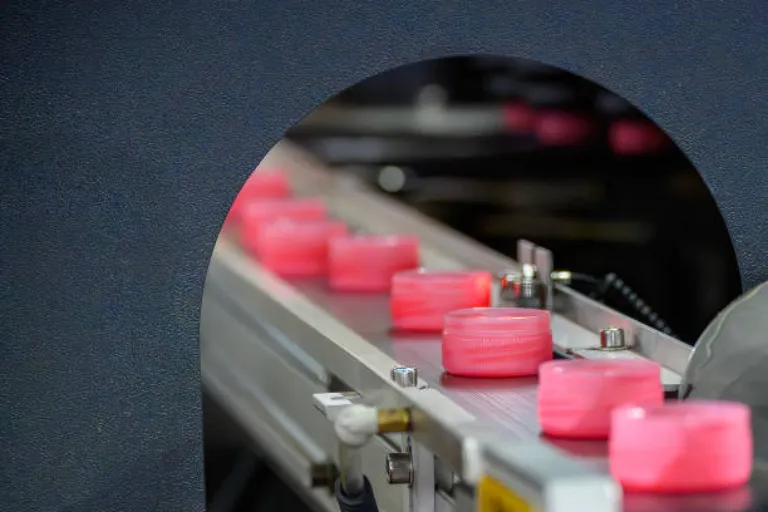
Un fabricante de calidad hace más que producir componentes de plástico. Proveedores sólidos respaldan todo el proceso de desarrollo, desde la evaluación de ingeniería inicial hasta la producción en masa estable. Esto garantiza que la tapa final del pico cumpla tanto con los requisitos funcionales como con las expectativas de suministro a largo plazo..
El éxito del proyecto a largo plazo depende en gran medida de la coherencia en la fabricación, comunicación técnica, y control de procesos en cada etapa de desarrollo.
Diseño y Evaluación de Materiales
Al comienzo de un proyecto personalizado, Los equipos de ingeniería evalúan si el diseño solicitado puede funcionar en condiciones reales de producción.. Este paso ayuda a reducir los riesgos estructurales y garantiza la compatibilidad del material con la aplicación prevista..
Este proceso normalmente incluye:
- Selección de materiales: Garantiza la estabilidad a largo plazo con productos químicos..
- Diseño de sellado: Evalúa el ajuste de la rosca y la prevención de fugas..
- Pruebas de rendimiento: Evalúa el comportamiento de dispensación y la experiencia del usuario..
- Compatibilidad química: Confirma resistencia a líquidos agresivos o reactivos..
La selección adecuada de materiales juega un papel fundamental en el envasado de productos químicos y lubricantes., especialmente cuando los productos contienen solventes o componentes de alta reactividad que pueden afectar la estabilidad a largo plazo.
Desarrollo de moldes y pruebas de muestras
Después de la confirmación del diseño, Los fabricantes comienzan a desarrollar herramientas y crear prototipos.. Esta etapa transforma el diseño aprobado en un molde de producción funcional..
Los fabricantes realizan múltiples pruebas de validación antes de pasar a la producción en masa.:
- Verificación de herramientas: Garantiza la precisión del molde, precisión dimensional, y estabilidad estructural.
- Pruebas de fugas: Confirma el rendimiento del sellado bajo diferentes condiciones de presión..
- Prueba de par: Comprueba la consistencia de la fuerza de apriete y el rendimiento de manipulación del usuario..
- Pruebas de ajuste: Valida la compatibilidad con botellas., gorras, y sistemas de llenado.
Las pruebas de prototipos ayudan a identificar problemas potenciales de manera temprana, reduciendo el riesgo de costosas revisiones de moldes más adelante en el proyecto.
Producción en masa y estabilidad del suministro a largo plazo
Una vez aprobada la prueba, el proyecto pasa a la producción en masa. En esta etapa, la consistencia se convierte en el factor más importante, especialmente para programas de suministro industrial a largo plazo.
Los fabricantes confiables mantienen la estabilidad de la producción a través de:
- Control de calidad (control de calidad): Garantiza un rendimiento constante en todos los lotes.
- Estabilidad del material: Mantiene un abastecimiento uniforme de materia prima..
- Mantenimiento de moldes: Previene el desgaste y la desviación dimensional..
- Sistema de Trazabilidad: Permite el seguimiento completo de lotes para el cumplimiento.
- Gestión de entrega: Garantiza cronogramas de suministro estables y predecibles.
Para marcas industriales globales, La confiabilidad del suministro a largo plazo a menudo tiene la misma importancia que el diseño inicial del producto., ya que cualquier inconsistencia puede afectar directamente la producción posterior y las operaciones del cliente. El modelo proporciona la flexibilidad de cambiar el diseño entre tiradas sin incurrir en sanciones financieras adicionales..
Conclusión
Las tapas de pico personalizadas combinan la marca, rendimiento de dispensación, confiabilidad del sellado, y compatibilidad de embalaje en una solución integrada. En aplicaciones reales, bien diseñado Tapas de pico personalizadas Mejorar tanto la función del producto como la consistencia de la marca en diferentes mercados..
Un proceso de desarrollo claro reduce el riesgo y mejora la estabilidad de la producción.. Ya sea para una simple creación de marca o para una personalización estructural completa, La planificación temprana y la alineación técnica son clave.. FUTEN admite personalización Proyectos de tapas de pico a través de la selección de materiales., desarrollo de moldes, combinación de colores, y pruebas para ayudar a las marcas a construir sistemas de embalaje confiables.
Preguntas frecuentes
¿Cómo sé si mi producto necesita un diseño de tapa con pico ventilado??
Generalmente se necesita una tapa de pico con ventilación cuando se acumula presión interna durante la dispensación o el almacenamiento.. Esto sucede a menudo con líquidos de alta viscosidad., químicos reactivos, o contenedores expuestos a cambios de temperatura. Si notas que vierte lentamente, deformación del contenedor, o flujo desigual, un sistema de ventilación puede ayudar a estabilizar la presión y mejorar el rendimiento de dosificación.
¿Pueden las tapas de pico personalizadas mejorar la eficiencia de la línea de llenado??
Sí. Los acabados de cuello estándar y las estructuras de rosca bien diseñadas pueden mejorar significativamente la compatibilidad de la línea de llenado. Cuando las mayúsculas coinciden con los sistemas automatizados, La producción se vuelve más rápida y estable.. Sin embargo, Los diseños no estándar pueden requerir pruebas adicionales para garantizar el control del par., precisión de ajuste, e integración fluida con el equipo existente.
¿Qué industrias se benefician más de las soluciones de tapas de pico personalizadas??
Las tapas de pico personalizadas se utilizan ampliamente en productos químicos., lubricante, detergente, automotor, e industrias de limpieza industrial. Estos sectores requieren un rendimiento de sellado confiable, dispensación controlada, y calidad de embalaje consistente en diferentes mercados.
¿Se pueden personalizar las tapas de los picos para sistemas de producción automatizados??
Sí, pero el diseño debe cumplir con los requisitos de automatización, como la tolerancia de la rosca., estabilidad del par, y consistencia dimensional. Los fabricantes suelen probar la compatibilidad antes de la producción para garantizar una integración fluida con los sistemas de llenado y taponado..
¿Cómo puedo optimizar los costos al desarrollar tapas de pico personalizadas??
El costo se puede optimizar utilizando moldes estándar y centrándose en la personalización visual, como el color., logo, y acabado superficial en lugar de un rediseño estructural completo. Esto ayuda a reducir el costo de herramientas., acortar el tiempo de entrega, y mejorar la eficiencia general del desarrollo.