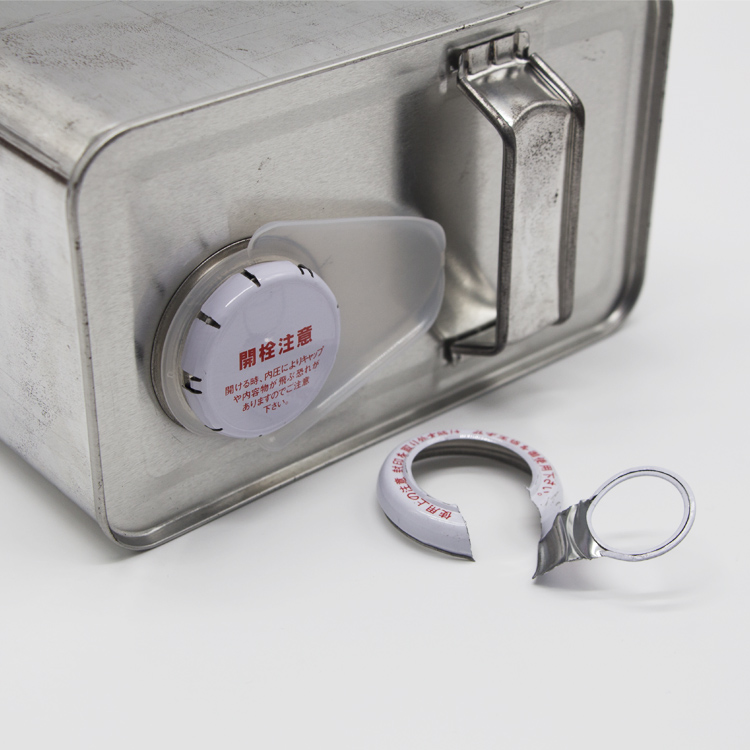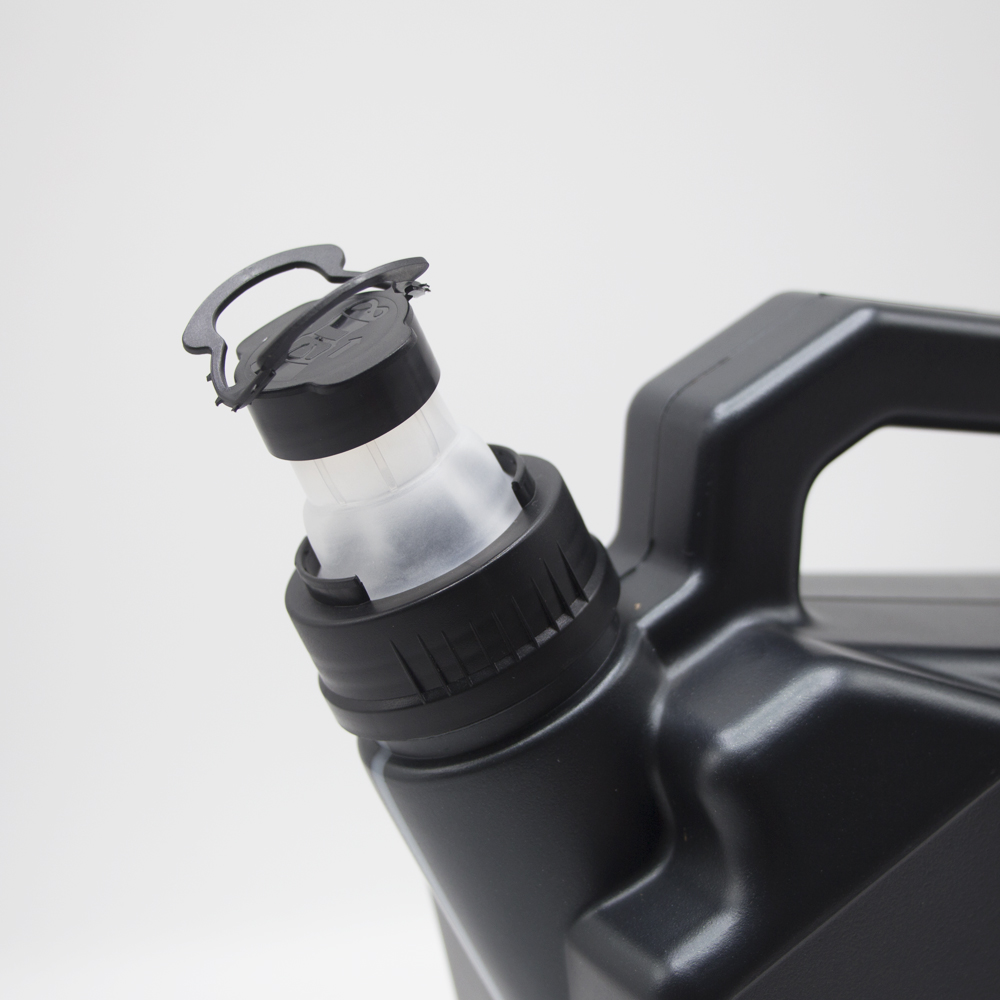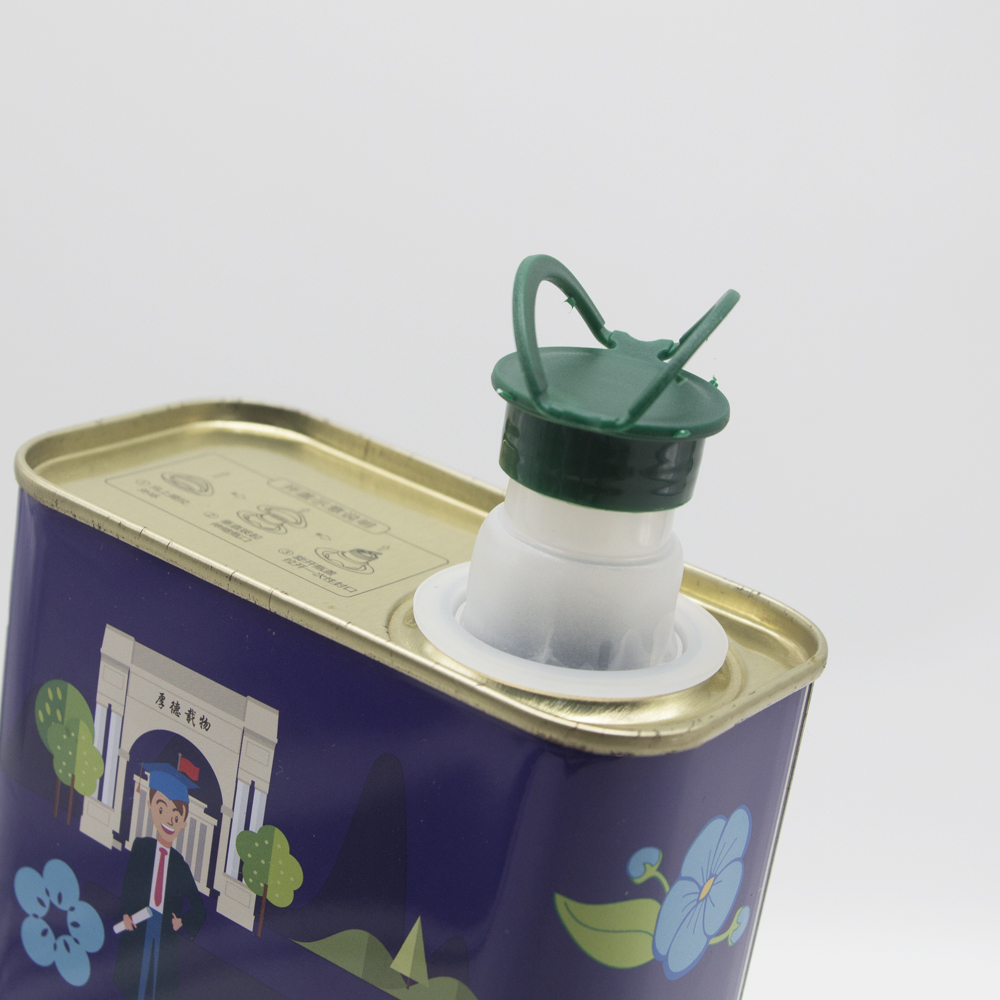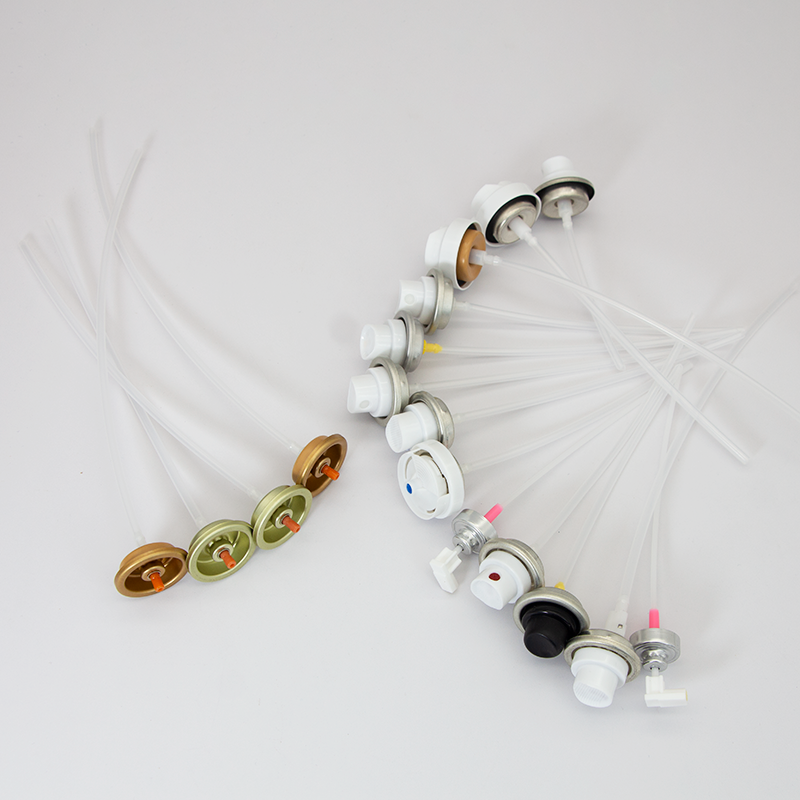
Escolher as tampas de bica personalizadas certas não se trata apenas de aparência. Em embalagens industriais, a tampa afeta diretamente a estabilidade da vedação, controle de distribuição, segurança no transporte, e consistência da marca a longo prazo. Uma tampa mal ajustada pode causar vazamento, montagem solta, contaminação, ou experiência do usuário ruim durante o armazenamento e envio.
Para marcas que desenvolvem tampas de bica personalizadas, entender a relação entre branding, projeto estrutural, e a viabilidade da produção é essencial para reduzir o risco de desenvolvimento e melhorar a estabilidade do abastecimento a longo prazo. Quer você esteja personalizando cores e logotipos ou desenvolvendo uma estrutura de distribuição completamente nova, um processo de personalização bem planejado ajuda a melhorar o desempenho da embalagem, eficiência de produção, e consistência geral do produto.
Visão geral das categorias de personalização
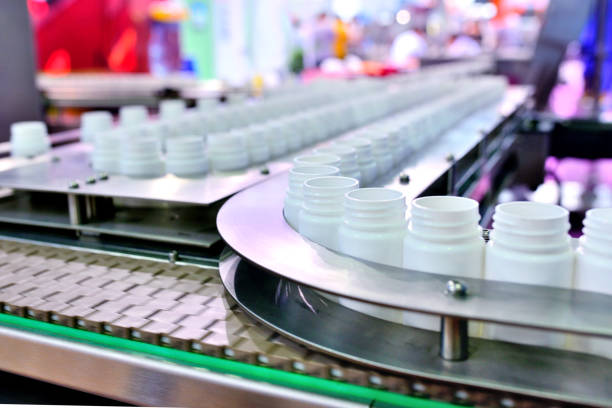
A personalização moderna da tampa da bica vai além de simples mudanças de aparência. Em embalagens industriais, a personalização geralmente combina branding, desempenho de distribuição, confiabilidade de vedação, e compatibilidade de contêineres em uma solução integrada. Diferentes indústrias também priorizam requisitos diferentes. As embalagens de produtos químicos geralmente se concentram mais na prevenção de vazamentos e na resistência do material, enquanto lubrificante, detergente, e os produtos automotivos dão maior ênfase ao controle de vazamento e ao reconhecimento da marca.
A maioria dos projetos de tampas de bico personalizadas geralmente se concentram em três áreas, Essas três camadas trabalham juntas para equilibrar a aparência, desempenho, e usabilidade:
- Marca Visual: Cor, logotipo, e personalização da aparência da superfície.
- Projeto Estrutural: Compatibilidade de thread, diâmetro do bico, e estrutura de vedação.
- Recursos funcionais: Sistemas de ventilação, funções invioláveis, e controle de distribuição.
Personalização visual da marca
A personalização visual é muitas vezes o primeiro passo no desenvolvimento de embalagens personalizadas porque ajuda os produtos a manterem uma identidade de marca consistente em diferentes mercados e linhas de embalagem..
As opções de personalização de marca mais comuns incluem:
- Cor: Melhora o reconhecimento nas prateleiras e fortalece a consistência da marca a longo prazo.
- Logotipo: Os fabricantes podem aplicar logotipos por meio de relevo, gravação em relevo, marcação a laser, ou marca moldada.
- Acabamento de superfície: Fosco, lustroso, ou acabamentos metálicos ajudam a criar diferentes estilos de embalagem e posicionamento de mercado.
Para muitos projetos, marcas personalizam cores, logotipos, e acabamentos, mantendo estruturas de tampa padrão para reduzir o investimento em ferramentas e diminuir o tempo de desenvolvimento.
Personalização Estrutural e Funcional
Além da marca visual, a personalização estrutural concentra-se no desempenho da tampa durante o enchimento, transporte, armazenar, e distribuição ao usuário final.
As áreas comuns de personalização funcional incluem:
- Sistema de vedação: O design da rosca garante compatibilidade com garrafas e prevenção de vazamentos.
- Controle de Fluxo: O diâmetro do bico afeta a velocidade e a precisão da distribuição.
- Equilíbrio de Pressão: O sistema de ventilação estabiliza a pressão interna durante o uso.
- Estrutura de Segurança: Recursos invioláveis protegem a integridade do produto.
As empresas muitas vezes exigem personalização funcional para líquidos de alta viscosidade, produtos químicos sensíveis à pressão, ou recipientes industriais especializados. Como resultado, o projeto estrutural influencia diretamente o desempenho da distribuição e a confiabilidade do transporte.
Escolhendo entre design padrão e totalmente personalizado
Nem todo projeto exige moldes completamente novos ou estruturas totalmente customizadas. Algumas empresas apenas modificam a aparência, enquanto outros exigem redesenho estrutural para aplicações de embalagens especializadas.
| Tipo de personalização | Principal vantagem | Aplicação Típica |
|---|---|---|
| Personalização de molde padrão | Menor custo de ferramentas e produção mais rápida | Personalização de cores e logotipo |
| Personalização Estrutural Parcial | Compatibilidade ou distribuição melhorada | Bica modificada ou estrutura de vedação |
| Desenvolvimento totalmente personalizado | Diferenciação completa de embalagens | Recipientes especiais ou líquidos exclusivos |
A escolha entre desenvolvimento padrão e totalmente customizado geralmente depende do orçamento do projeto, requisitos técnicos, volume de produção, e estratégia de embalagem de longo prazo. Ferramentas padrão geralmente reduzem o risco de desenvolvimento e encurtam o tempo de entrega, enquanto projetos totalmente personalizados proporcionam maior flexibilidade para aplicações especializadas.
Personalização da marca: Cores, Logotipos, e acabamento superficial
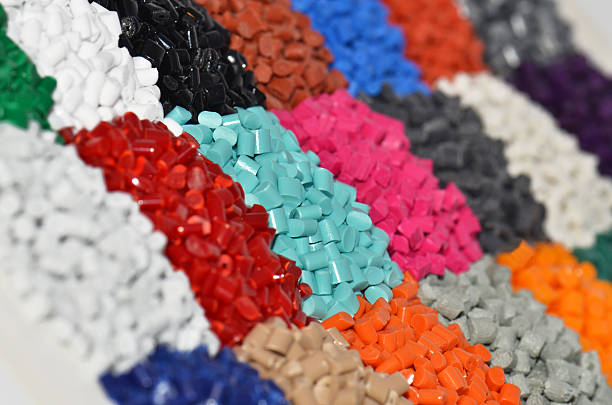
A personalização da marca ajuda a transformar uma tampa funcional em um componente de embalagem reconhecível. Em muitos setores industriais, a consistência da embalagem desempenha um papel importante na confiança do cliente, reconhecimento do produto, e identidade de marca de longo prazo.
Uma tampa personalizada profissionalmente deve manter uma aparência de cor estável, visibilidade durável do logotipo, e textura de superfície consistente em diferentes lotes de produção. Esses detalhes visuais não apenas influenciam a apresentação nas prateleiras, mas também apoiam a consistência das embalagens em todas as cadeias de abastecimento globais..
Escolhendo cores com Pantone e Masterbatch
A consistência da cor é uma das partes mais importantes do desenvolvimento de embalagens personalizadas. Mesmo pequenas variações de cores entre lotes de produção podem enfraquecer o reconhecimento da marca e reduzir a consistência da embalagem em diversas linhas de produtos.
A maioria das tampas de bico personalizadas usam coloração masterbatch durante a moldagem por injeção. Neste processo, os fabricantes misturam pigmentos concentrados diretamente na resina plástica antes do início da produção. Este método proporciona uma distribuição de cores mais estável e uniforme em toda a estrutura da tampa..
Para manter uma reprodução de cores precisa, os fabricantes geralmente usam o Pantone Matching System (TPM) referências durante o desenvolvimento da cor.
Vários fatores podem influenciar a aparência final da cor:
- Tipo de material: Os materiais PP e PE refletem a luz de maneira diferente e podem alterar ligeiramente a percepção das cores.
- Textura de superfície: Acabamentos foscos e brilhantes afetam o brilho e a profundidade visual.
- Temperatura de produção: As condições de moldagem por injeção podem influenciar ligeiramente o tom da cor.
- Conteúdo reciclado: Alguns materiais reciclados podem reduzir a consistência da cor a longo prazo.
Cores transparentes e semitransparentes também são amplamente utilizadas em lubrificantes, detergentes, e fluidos automotivos onde a visibilidade do produto e o monitoramento de resíduos são importantes.
Métodos de aplicação de logotipo para tampas de bico
A personalização do logotipo melhora o reconhecimento do produto e cria uma aparência de embalagem mais profissional. Ao contrário de rótulos ou adesivos, a marca moldada permanece durável durante o uso industrial de longo prazo e manuseio repetido.
Os fabricantes geralmente usam vários métodos de aplicação de logotipo para tampas de bica personalizadas:
- Logotipos em relevo: Os logotipos em relevo melhoram a visibilidade e criam um efeito tátil mais forte.
- Logotipos gravados: Os logotipos embutidos proporcionam uma aparência mais limpa e sutil, mantendo a durabilidade.
- Marcação a Laser: Os sistemas a laser criam logotipos altamente precisos, números de série, ou códigos de rastreabilidade sem materiais de impressão adicionais.
- Logotipos moldados: Os fabricantes integram logotipos diretamente na cavidade do molde para uma marca permanente sem processamento secundário.
A colocação do logotipo também requer cuidadosa consideração de engenharia. Direção do fluxo do molde, posição da rosca, e a mecânica de abertura da tampa podem afetar a clareza do logotipo e a estabilidade da moldagem durante a produção.
Acabamento superficial e consistência visual da marca
Além das cores e logotipos, o acabamento superficial também influencia a forma como os clientes percebem a qualidade da embalagem e o posicionamento da marca. Diferentes acabamentos criam diferentes efeitos visuais mesmo quando se utiliza o mesmo material e cor.
| Tipo de acabamento | Efeito Visual | Aplicação Típica |
|---|---|---|
| Fosco | Aparência suave e industrial | Produtos químicos e embalagens industriais |
| Lustroso | Superfície brilhante e reflexiva | Detergentes e embalagens de consumo |
| Metálico | Efeito visual premium | Produtos automotivos e especializados |
Manter uma qualidade de acabamento consistente em todos os lotes de produção é especialmente importante para programas de embalagens globais que exigem uma marca estável em diferentes locais de fabricação e cadeias de fornecimento.
Proteja sua marca com fechamentos sem vazamento.
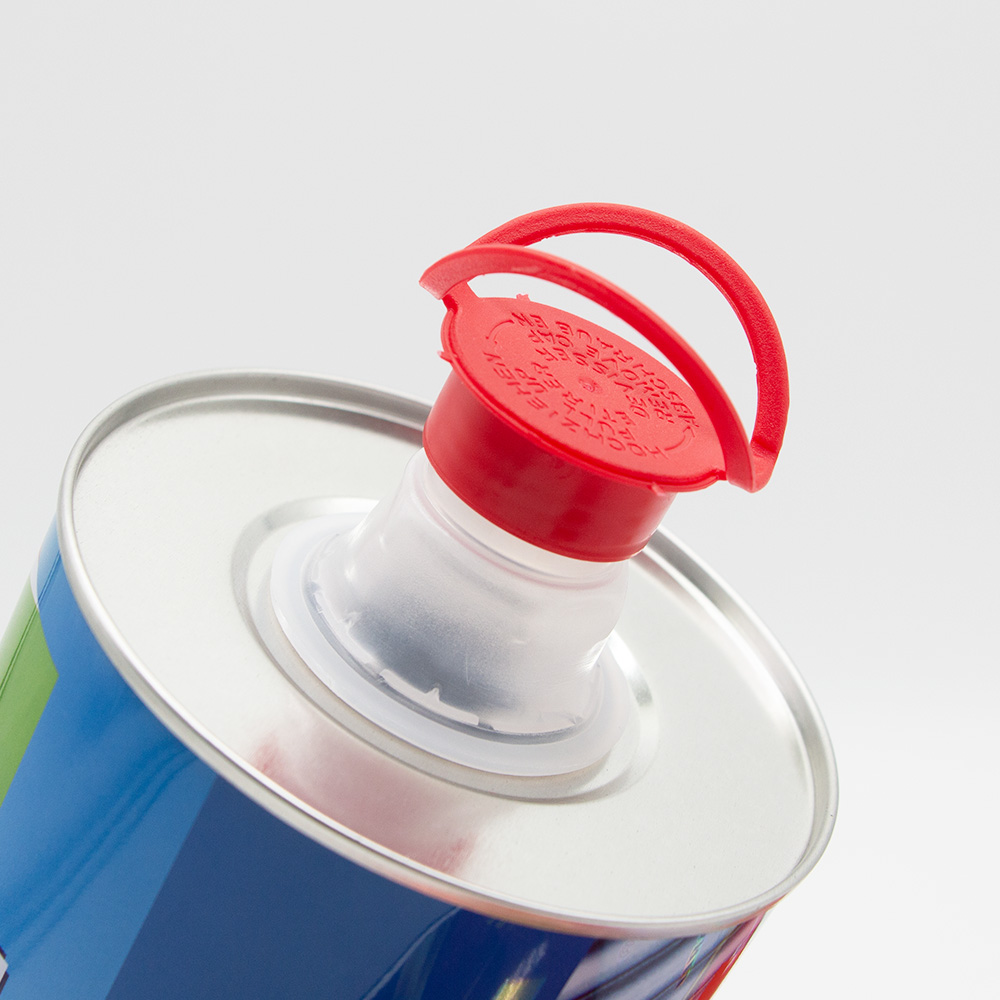
Design Estrutural e Compatibilidade de Embalagem
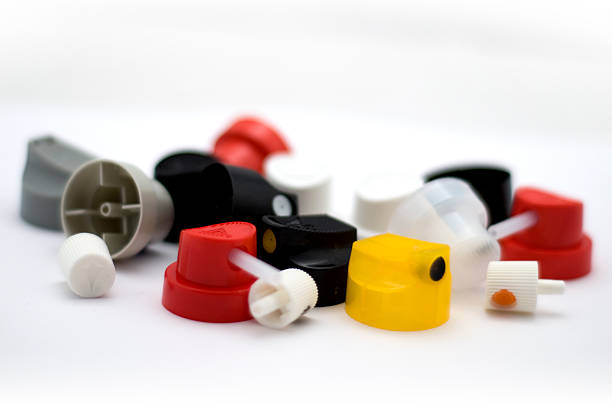
A personalização estrutural concentra-se na forma como a tampa interage com a garrafa, líquido, linha de enchimento, e processo de distribuição ao usuário final. Em muitas aplicações industriais, o desempenho estrutural é mais importante que a aparência visual porque afeta diretamente a estabilidade da vedação, segurança no transporte, e dispensando confiabilidade.
Mesmo pequenos ajustes na estrutura da rosca ou na geometria da vedação podem influenciar a resistência a vazamentos, desempenho de torque, e compatibilidade de embalagem a longo prazo.
Mantendo o acabamento padrão do pescoço para uma produção mais rápida
Muitas empresas optam por personalizar a aparência da tampa, mantendo os acabamentos padrão do pescoço e as dimensões da tampa.. Esta é geralmente a abordagem mais rápida e econômica para projetos de embalagens industriais.
Padrão comum tamanhos de pescoço inclui 20mm, 24milímetros, 28milímetros, e 38 mm. Essas especificações são amplamente utilizadas em produtos químicos, lubrificante, detergente, e aplicações de embalagens automotivas.
Manter as especificações padrão oferece diversas vantagens práticas:
- Menor custo de ferramentas: Os moldes existentes muitas vezes podem ser reutilizados sem modificação estrutural.
- Prazo de entrega mais curto: Desenvolvimento, amostragem, e os ciclos de testes se tornam mais eficientes.
- Compatibilidade da linha de enchimento: Os sistemas de automação existentes geralmente exigem menos ajustes de produção.
- Flexibilidade de Fornecimento: Os componentes padrão são mais fáceis de obter e substituir a longo prazo.
Esta abordagem funciona especialmente bem para projetos que se concentram principalmente em atualizações de marca, como cores, logotipo, ou personalização de acabamento superficial.
Quando o design personalizado de rosca ou bico se torna necessário
Em algumas aplicações, estruturas de tampa padrão não podem atender totalmente aos requisitos de embalagem ou distribuição. Nestes casos, as empresas podem precisar de designs de rosca personalizados, diâmetros de bico modificados, ou sistemas de ventilação especializados.
O desenvolvimento estrutural personalizado é frequentemente necessário para as seguintes situações:
- Líquidos de alta viscosidade: Lubrificantes espessos ou fluidos industriais podem exigir canais de fluxo maiores para uma distribuição mais suave.
- Contêineres Especializados: Acabamentos de gargalo de garrafa fora do padrão podem exigir compatibilidade de rosca personalizada.
- Controle de distribuição: Alguns produtos precisam de velocidade mais lenta, limpador, ou desempenho de vazamento mais preciso.
- Produtos Químicos Sensíveis à Pressão: Certos líquidos requerem sistemas de ventilação para estabilizar a pressão interna durante a distribuição.
- Equipamento de enchimento fora do padrão: Sistemas de produção automatizados podem exigir dimensões específicas ou desempenho de torque.
Comparado com a personalização da aparência, o redesenho estrutural é muito mais complexo porque afeta diretamente a engenharia de moldes, desempenho de vedação, e estabilidade de produção.
Como as mudanças estruturais afetam o desempenho da vedação
No entanto, a personalização estrutural também aumenta os requisitos de validação de engenharia. Mesmo pequenas alterações dimensionais podem influenciar a confiabilidade da vedação durante o transporte e armazenamento.
Os fabricantes geralmente avaliam diversas áreas-chave durante os testes estruturais:
- Risco de vazamento: O encaixe incorreto da rosca pode causar vazamento durante o transporte ou manuseio.
- Desempenho de torque: As tampas devem manter uma força de aperto estável sem afrouxar com o tempo.
- Resistência à pressão: Flutuações de temperatura podem criar mudanças na pressão interna dentro do recipiente.
- Teste de compatibilidade: As tampas devem caber nas garrafas, forros, e equipamento de enchimento com precisão.
Para produtos químicos, lubrificante, e aplicações de embalagens industriais, a estabilidade da vedação é crítica porque mesmo pequenos vazamentos podem afetar a segurança do produto, conformidade de transporte, e confiança do cliente.
Gerenciando projetos de desenvolvimento de tampas de bico personalizadas
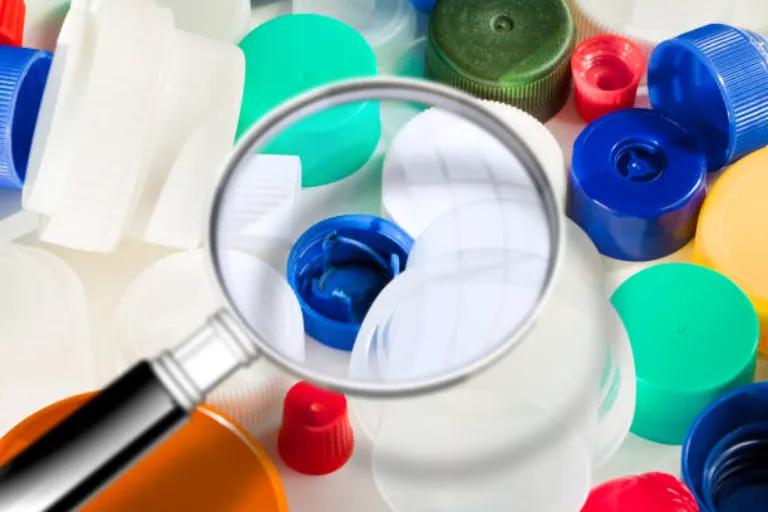
Projetos de embalagens personalizadas bem-sucedidos exigem mais do que boas ideias de design. A eficiência do desenvolvimento depende muito da preparação técnica, qualidade de comunicação, e planejamento de produção realista.
A coordenação precoce entre marcas e fabricantes ajuda a reduzir atrasos no desenvolvimento, amostragem repetida, e revisões desnecessárias de ferramentas. Também melhora a eficiência da produção e a estabilidade do fornecimento a longo prazo.
Como o nível de personalização afeta o MOQ e o prazo de entrega
MOQ e prazo de entrega estão intimamente ligados à complexidade da personalização. A personalização simples da aparência geralmente é mais rápida porque os fabricantes podem continuar usando moldes e estruturas de produção existentes.
No entanto, a personalização estrutural mais avançada geralmente aumenta a carga de trabalho de engenharia, investimento em ferramentas, e requisitos de validação.
A personalização estrutural completa geralmente requer:
- Novos moldes de injeção: O redesenho estrutural geralmente requer desenvolvimento de ferramentas dedicadas.
- Revisão de Engenharia: Os fabricantes devem verificar a compatibilidade, desempenho de vedação, e viabilidade do molde.
- Teste de protótipo: A validação da amostra ajuda a identificar problemas de distribuição ou montagem antes da produção.
- Validação de molde: A precisão do ferramental e a consistência dimensional devem ser confirmadas.
- Ajuste de Produção: Linhas de enchimento e condições de montagem podem exigir otimização.
À medida que a complexidade da personalização aumenta, os prazos de desenvolvimento e os custos de produção também aumentam.
| Nível de personalização | Complexidade de Desenvolvimento | Impacto na produção |
|---|---|---|
| Somente cor | Baixo | Produção mais rápida e menor MOQ |
| Cor + Logotipo | Médio | Processamento adicional ou gravação de molde |
| Personalização Estrutural Completa | Alto | Novas ferramentas, testando, e maior prazo de entrega |
Informações que você deve preparar antes de solicitar um orçamento
Um resumo técnico claro ajuda os fabricantes a fornecer cotações precisas e reduz a incerteza no desenvolvimento. Quanto mais completas forem as informações do projeto, mais fácil se torna avaliar ferramentas, viabilidade de produção, e planejamento de fornecimento de longo prazo.
Antes de solicitar um orçamento, as empresas devem preparar as seguintes informações:
- Acabamento do pescoço: Especificação da rosca da garrafa e dimensões de abertura.
- Tipo Líquido: Propriedades químicas, viscosidade, e condições de enchimento.
- Quantidade Anual: Demanda anual estimada ou previsão de compra.
- Arquivos de logotipo: Arquivos vetoriais como AI, EPS, ou formato PDF.
- Referência Pantone: Códigos de cores PMS ou amostras de cores físicas.
Requisitos técnicos adicionais também podem ser necessários para aplicações industriais:
- Requisitos de ventilação: Necessário para líquidos sensíveis à pressão.
- Funções invioláveis: Necessário para segurança ou conformidade.
- Condições de Transporte: Importante para produtos expostos a mudanças de temperatura ou pressão.
Informações incompletas do projeto geralmente levam a cotações imprecisas, revisões repetidas, e ciclos de desenvolvimento mais longos.
Por que a comunicação técnica inicial é importante
A comunicação técnica antecipada ajuda a identificar riscos potenciais de engenharia e produção antes do início da ferramentaria. Esta etapa é especialmente importante para projetos de embalagens personalizadas com recipientes exclusivos, líquidos especializados, ou sistemas de enchimento automatizados.
Uma forte coordenação precoce ajuda as empresas:
- Evite amostragem repetida: Reduz modificações desnecessárias no molde e revisões de amostras.
- Reduza problemas de compatibilidade: Melhora a garrafa, boné, e montagem da linha de enchimento.
- Menor risco de desenvolvimento: Identifica problemas estruturais ou de vedação no início do projeto.
- Melhore a confiabilidade da vedação: Ajuda a verificar o torque, desabafar, e desempenho de vazamento.
- Encurte os prazos do projeto: Reduz atrasos causados por redesenho ou ajustes de produção.
Para projetos altamente personalizados, os fabricantes também podem solicitar desenhos de garrafas, especificações da linha de enchimento, ou amostras físicas para verificar a compatibilidade antes do início do desenvolvimento do molde.
Como um fabricante de tampas de bico oferece suporte a projetos personalizados
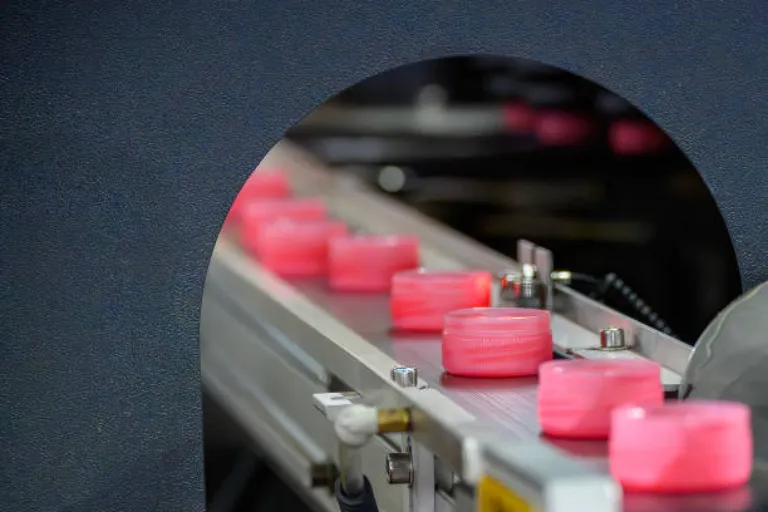
Um fabricante de qualidade faz mais do que produzir componentes plásticos. Fornecedores fortes apoiam todo o processo de desenvolvimento, desde a avaliação inicial da engenharia até a produção em massa estável. Isto garante que a tampa do bico final atenda aos requisitos funcionais e às expectativas de fornecimento a longo prazo.
O sucesso do projeto a longo prazo depende muito da consistência da fabricação, comunicação técnica, e controle de processos em todos os estágios de desenvolvimento.
Avaliação de Design e Materiais
No início de um projeto personalizado, equipes de engenharia avaliam se o projeto solicitado pode funcionar em condições reais de produção. Esta etapa ajuda a reduzir riscos estruturais e garante a compatibilidade do material com a aplicação pretendida.
Este processo normalmente inclui:
- Seleção de Materiais: Garante estabilidade a longo prazo com produtos químicos.
- Projeto de vedação: Avalia o encaixe da rosca e a prevenção de vazamentos.
- Teste de desempenho: Avalia o comportamento de dispensação e a experiência do usuário.
- Compatibilidade Química: Confirma a resistência a líquidos agressivos ou reativos.
A seleção adequada de materiais desempenha um papel crítico nas embalagens de produtos químicos e lubrificantes, especialmente quando os produtos contêm solventes ou componentes de alta reatividade que podem afetar a estabilidade a longo prazo.
Desenvolvimento de moldes e testes de amostras
Após confirmação do projeto, fabricantes iniciam o desenvolvimento de ferramentas e a criação de protótipos. Esta etapa transforma o projeto aprovado em um molde funcional de produção.
Os fabricantes realizam vários testes de validação antes de passarem à produção em massa:
- Verificação de ferramentas: Garante a precisão do molde, precisão dimensional, e estabilidade estrutural.
- Teste de vazamento: Confirma o desempenho da vedação sob diferentes condições de pressão.
- Teste de Torque: Verifica a consistência da força de aperto e o desempenho de manuseio do usuário.
- Teste de montagem: Valida a compatibilidade com garrafas, bonés, e sistemas de enchimento.
O teste de protótipo ajuda a identificar possíveis problemas antecipadamente, reduzindo o risco de revisões dispendiosas do molde posteriormente no projeto.
Produção em massa e estabilidade de fornecimento a longo prazo
Depois que o teste for aprovado, o projeto passa para produção em massa. Nesta fase, consistência se torna o fator mais importante, especialmente para programas de fornecimento industrial de longo prazo.
Fabricantes confiáveis mantêm a estabilidade da produção através de:
- Controle de qualidade (Controle de qualidade): Garante desempenho consistente em lotes.
- Estabilidade de materiais: Mantém o fornecimento uniforme de matéria-prima.
- Manutenção de Moldes: Evita desgaste e desvio dimensional.
- Sistema de Rastreabilidade: Permite rastreamento completo de lotes para conformidade.
- Gestão de entrega: Garante cronogramas de fornecimento estáveis e previsíveis.
Para marcas industriais globais, a confiabilidade do fornecimento a longo prazo geralmente tem a mesma importância que o projeto inicial do produto, uma vez que qualquer inconsistência pode afetar diretamente a produção posterior e as operações do cliente. O modelo fornece a flexibilidade para alterar a arte entre as execuções sem incorrer em penalidades financeiras adicionais.
Conclusão
Tampas de bico personalizadas combinam a marca, desempenho de distribuição, confiabilidade de vedação, e compatibilidade de embalagens em uma solução integrada. Em aplicações reais, bem projetado Tampas de bico personalizadas melhorar a função do produto e a consistência da marca em diferentes mercados.
Um processo de desenvolvimento claro reduz riscos e melhora a estabilidade da produção. Seja para branding simples ou personalização estrutural completa, o planejamento antecipado e o alinhamento técnico são fundamentais. FUTEN suporta customização projetos de tampas de bico através da seleção de materiais, desenvolvimento de moldes, correspondência de cores, e testes para ajudar as marcas a construir sistemas de embalagem confiáveis.
Perguntas frequentes
Como posso saber se meu produto precisa de um design de tampa com bico ventilado?
Uma tampa de bico ventilado geralmente é necessária quando a pressão interna aumenta durante a distribuição ou armazenamento. Isso geralmente acontece com líquidos de alta viscosidade, produtos químicos reativos, ou recipientes expostos a mudanças de temperatura. Se você notar um vazamento lento, deformação do recipiente, ou fluxo irregular, um sistema de ventilação pode ajudar a estabilizar a pressão e melhorar o desempenho da distribuição.
As tampas de bico personalizadas podem melhorar a eficiência da linha de enchimento?
Sim. Acabamentos de pescoço padrão e estruturas de rosca bem projetadas podem melhorar significativamente a compatibilidade da linha de enchimento. Quando os limites correspondem aos sistemas automatizados, a produção se torna mais rápida e estável. No entanto, projetos não padronizados podem exigir testes extras para garantir o controle de torque, precisão de montagem, e integração suave com equipamentos existentes.
Quais indústrias se beneficiam mais com soluções personalizadas de tampas de bica?
Tampas de bico personalizadas são amplamente utilizadas em produtos químicos, lubrificante, detergente, automotivo, e indústrias de limpeza industrial. Esses setores exigem desempenho de vedação confiável, distribuição controlada, e qualidade de embalagem consistente em diferentes mercados.
As tampas dos bicos podem ser personalizadas para sistemas de produção automatizados?
Sim, mas o projeto deve atender aos requisitos de automação, como tolerância de rosca, estabilidade de torque, e consistência dimensional. Os fabricantes geralmente testam a compatibilidade antes da produção para garantir uma integração suave com sistemas de enchimento e tampamento.
Como posso otimizar custos ao desenvolver tampas de bica personalizadas?
O custo pode ser otimizado usando moldes padrão e focando na personalização visual, como cor, logotipo, e acabamento superficial em vez de redesenho estrutural completo. Isso ajuda a reduzir o custo de ferramentas, encurtar o prazo de entrega, e melhorar a eficiência geral do desenvolvimento.