Elegir el tipo de tapa de pico adecuado para productos químicos y lubricantes es esencial para una manipulación segura, dispensación estable, y rendimiento de embalaje fiable. Incluso los pequeños problemas de sellado, elección de materiales, o el diseño del pico pueden provocar fugas, desperdiciar, o riesgos de seguridad durante el transporte y almacenamiento, afectando la integridad general del producto.
Esta guía explica los factores clave detrás de la selección de la tapa del pico., incluyendo el diseño estructural, resistencia de los materiales, compatibilidad de contenedores, características de seguridad, control de flujo, y requisitos de prueba. Proporciona un marco claro para ayudar a garantizar la seguridad, eficiente, y un rendimiento constante del embalaje industrial.
¿Qué es una tapa de pico para productos químicos y lubricantes?
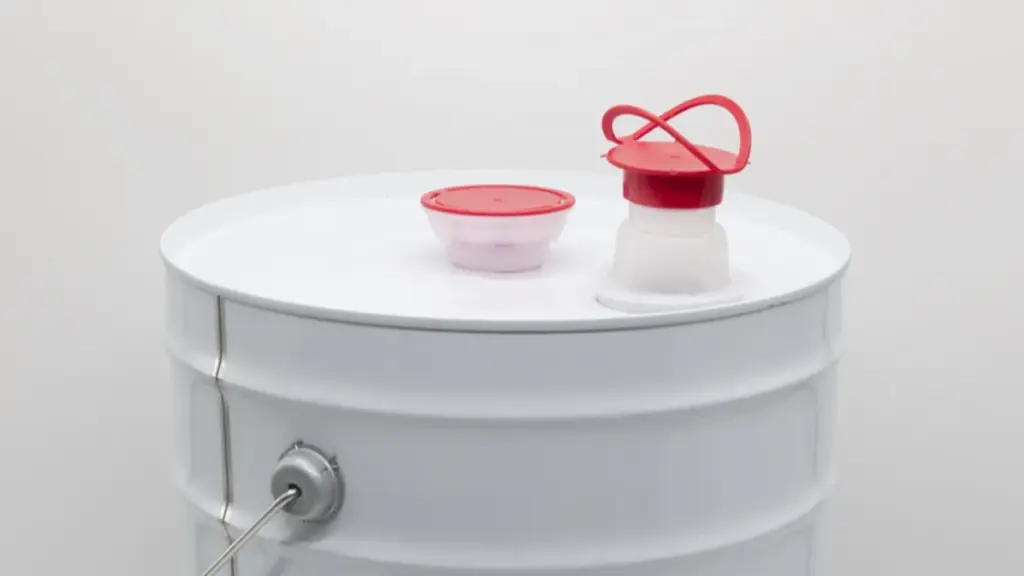
Una tapa con pico es un cierre funcional diseñado para contenedores industriales que requieren una dispensación controlada de líquidos..
En envases de productos químicos y lubricantes., Desempeña un papel clave para garantizar un manejo seguro., reducir el riesgo de fugas, y mejorar la precisión durante las operaciones de vertido. Se utiliza ampliamente en industrias donde los fluidos deben gestionarse de forma limpia y controlada durante el almacenamiento., transporte, y uso diario.
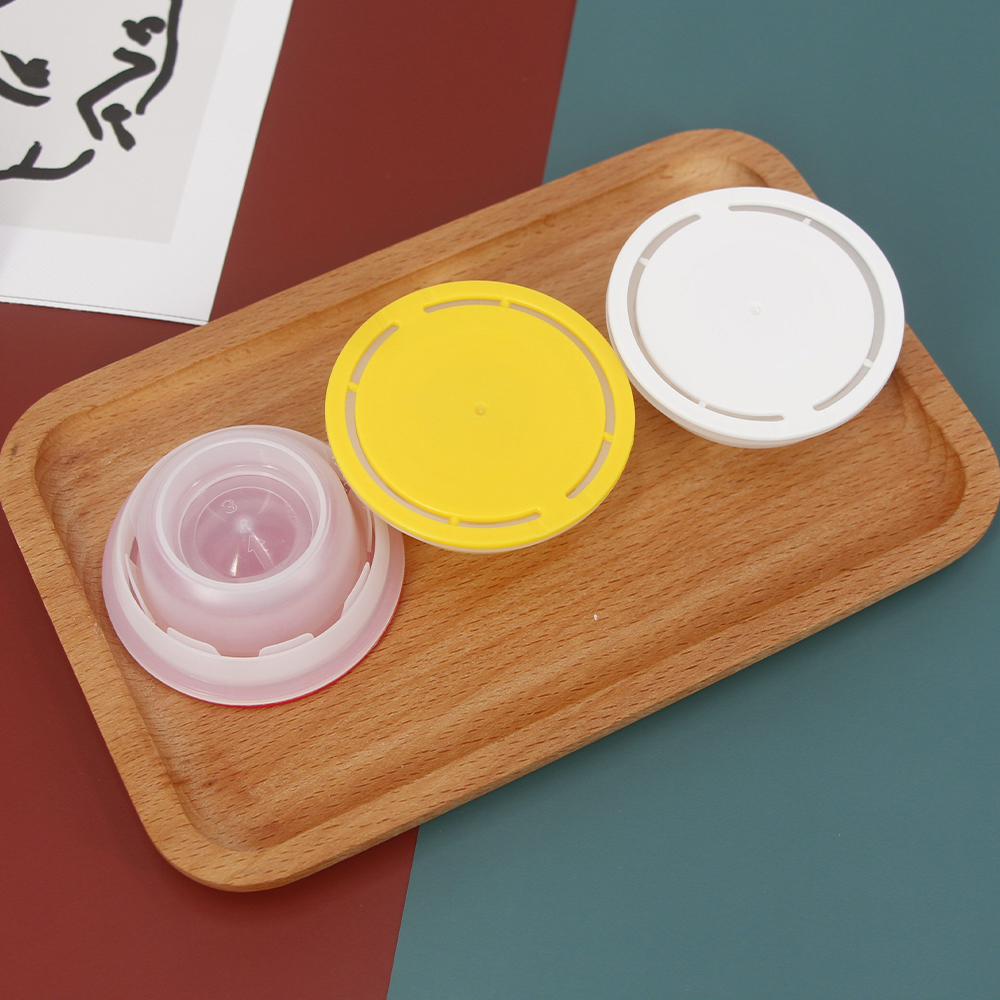
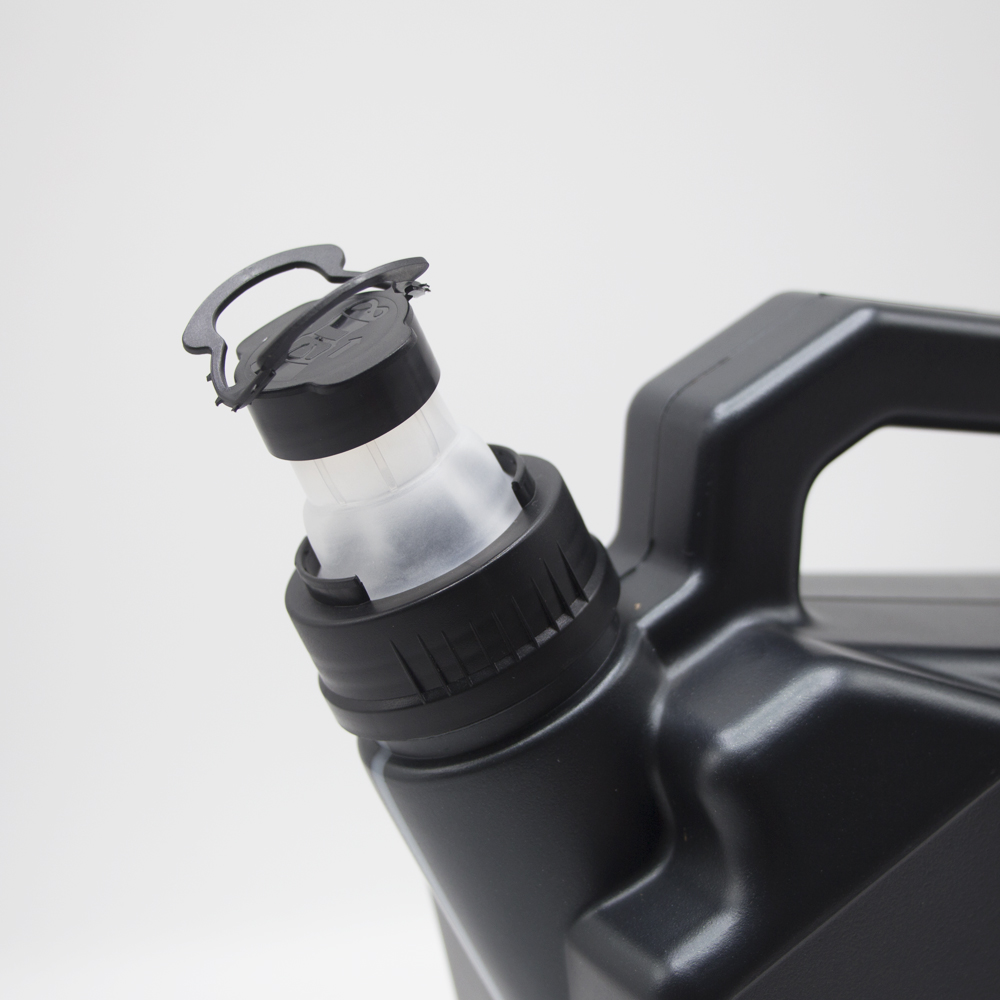
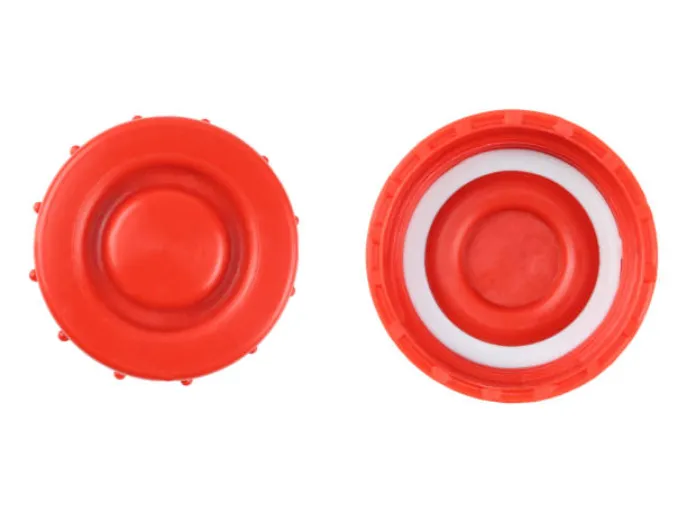
estructuralmente, a tapa de pico es más que una simple tapa. Integra una conexión de contenedor., una salida de control de flujo, y un sistema de sellado como una sola unidad. El pico guía la dispensación., el cuello roscado garantiza un ajuste seguro, y el sello evita fugas o contaminación. Algunos diseños también incluyen ventilación o control de flujo para manejar diferentes viscosidades., desde disolventes hasta lubricantes pesados.
Estructura básica de una tapa de pico químico (Cuello, Canalón, Sello)
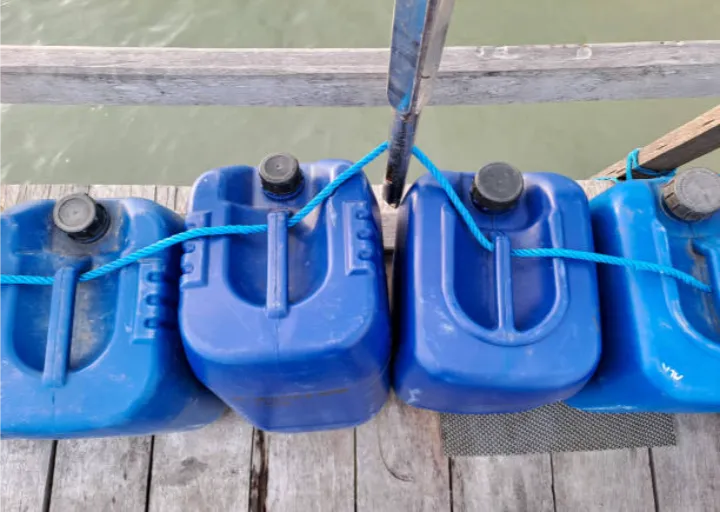
Una tapa de pico no es un componente de cierre único sino una estructura coordinada donde el sellado, conexión, y las funciones de dispensación deben trabajar juntas en condiciones industriales reales.
Su rendimiento depende de cómo está diseñada cada pieza para mantener la estabilidad durante los cambios de presión., exposición química, y ciclos repetidos de apertura y cierre.
Interfaz de cuello e hilo
El cuello forma la conexión entre la tapa y el recipiente mediante un diseño roscado de precisión para garantizar un ajuste perfecto.. Cualquier discrepancia en la especificación de la rosca puede causar fugas., aflojando, o fallo de sellado durante el transporte y manipulación.
Canal de flujo y pico
La boquilla actúa como salida controlada para dispensar líquido.. Su diámetro afecta la velocidad y la precisión del flujo.. Las aberturas estrechas se adaptan a líquidos de baja viscosidad para evitar salpicaduras., mientras que se utilizan canales más anchos para fluidos de alta viscosidad como lubricantes y adhesivos para garantizar un flujo suave.
Sistema de sellado y revestimiento
El sistema de sellado evita fugas y contaminación.. Las opciones comunes incluyen revestimientos de LDPE y juntas de espuma para un sellado confiable entre la tapa y el contenedor.. Para aplicaciones exigentes, Los revestimientos ventilados ayudan a equilibrar la presión interna y mejoran la estabilidad de la dosificación..
Tabla de componentes
| Componente | Función |
|---|---|
| Cuello | Conexión segura al contenedor |
| Canalón | Dispensación de líquidos controlada |
| Sello / Transatlántico | Prevención de fugas y protección del producto. |
Elimine las fugas con tapas industriales diseñadas con precisión
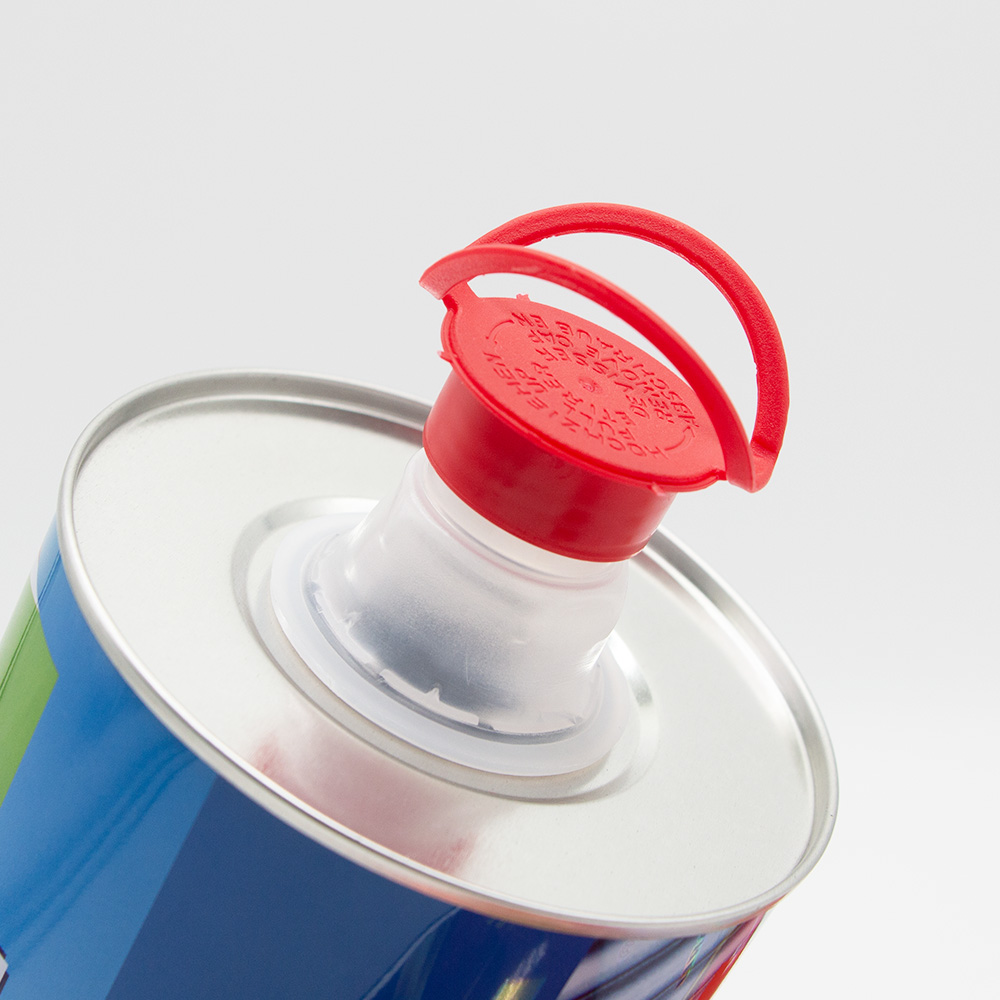
Principales tipos de tapones de pico para disolventes y lubricantes químicos
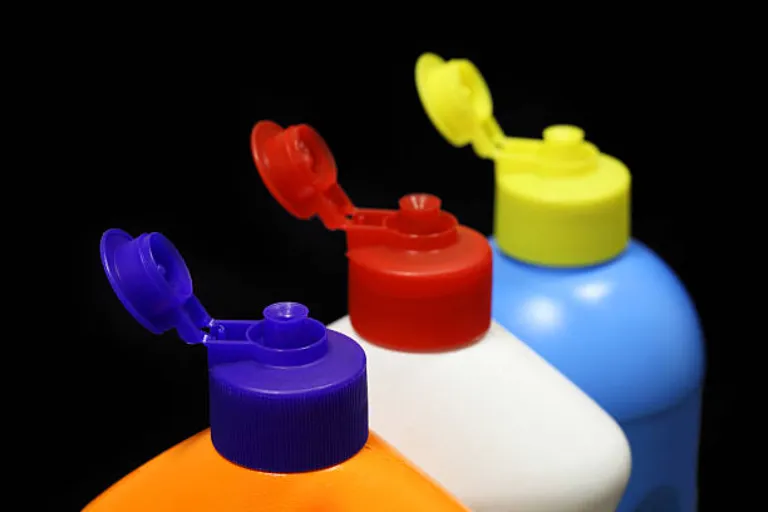
La selección de la tapa del pico depende de las necesidades reales de la aplicación., incluyendo las condiciones de transporte, frecuencia de dispensación, y comportamiento fluido.
El tipo correcto depende de cómo se utiliza el producto., con qué frecuencia se abre, y qué tan sensible es el material durante el transporte o almacenamiento.
| Tipo de tapa de pico | Mecanismo primario | Aplicación más adecuada |
|---|---|---|
| Boquilla atornillada | roscado, sello de seguridad | Almacenamiento a largo plazo y transporte de sustancias químicas peligrosas |
| Boquilla de vaivén | Mecanismo dispensador arriba/abajo | Uso frecuente en talleres. |
| Pico vertedor en ángulo | Boquilla en ángulo extendido | Dispensación precisa de líquidos viscosos |
| Boquilla ventilada | Sistema de ecualización de presión | Productos químicos reactivos o sensibles a la temperatura. |
La selección de la tapa del pico se basa en cómo cada mecanismo afecta la seguridad del sellado., control de flujo, y estabilidad de dispensación bajo diferentes condiciones industriales.
Características de seguridad: Opciones a prueba de niños y a prueba de manipulaciones
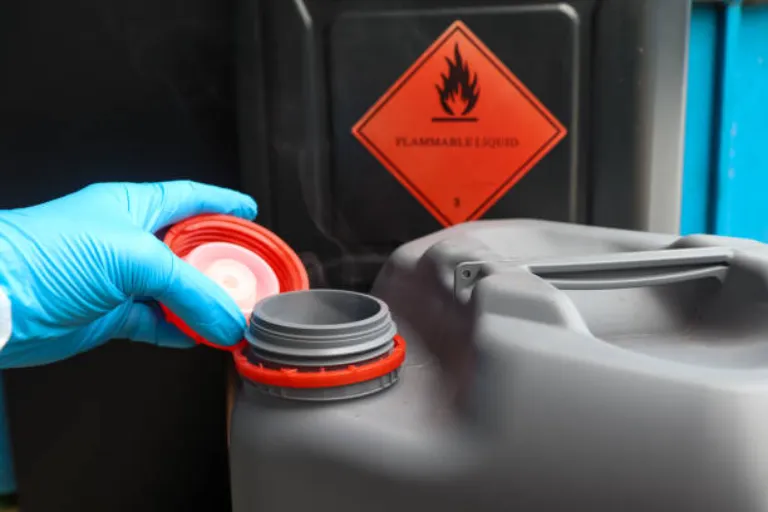
La seguridad es un requisito clave en el envasado de productos químicos y lubricantes.
Las tapas de los picos suelen estar diseñadas con sistemas de protección adicionales para reducir los riesgos durante el almacenamiento., transporte, y manejo
A prueba de niños (CR) características:Requiere acciones de empujar y girar o de varios pasos para evitar la apertura accidental y reducir el riesgo de acceso infantil.
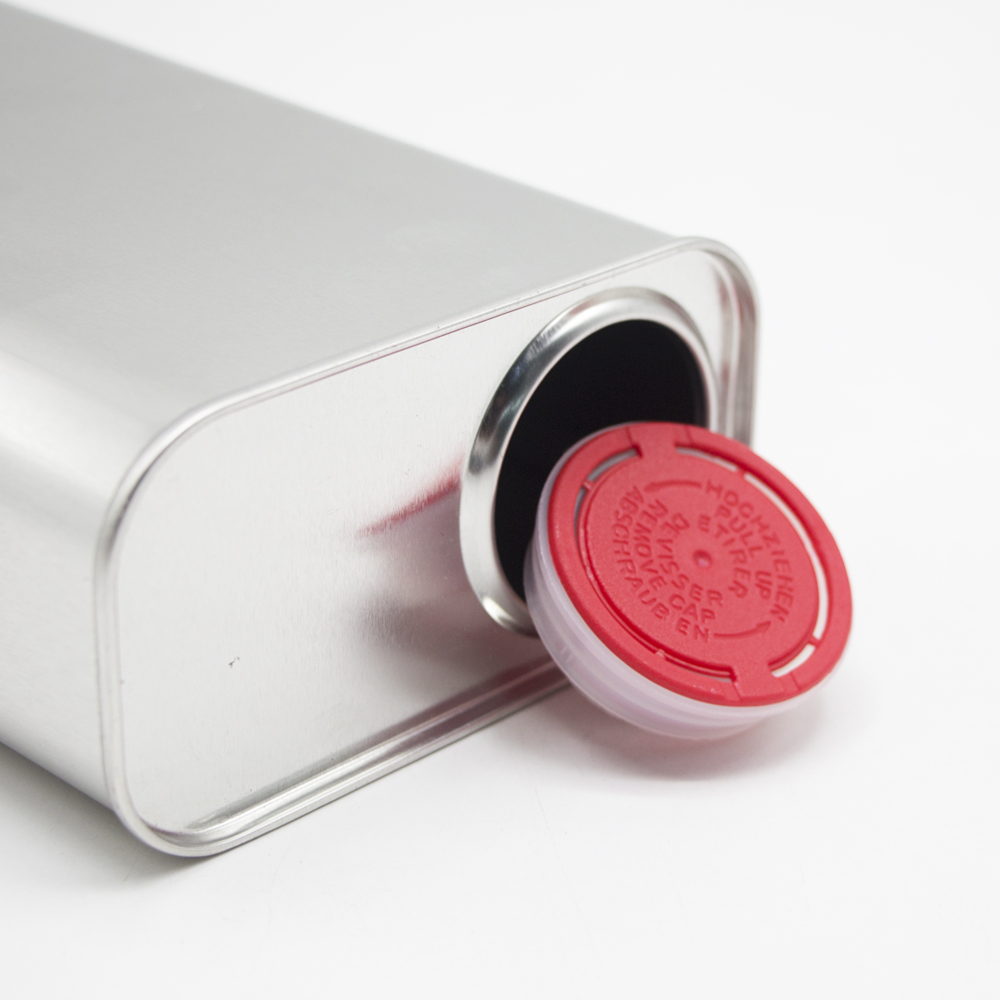
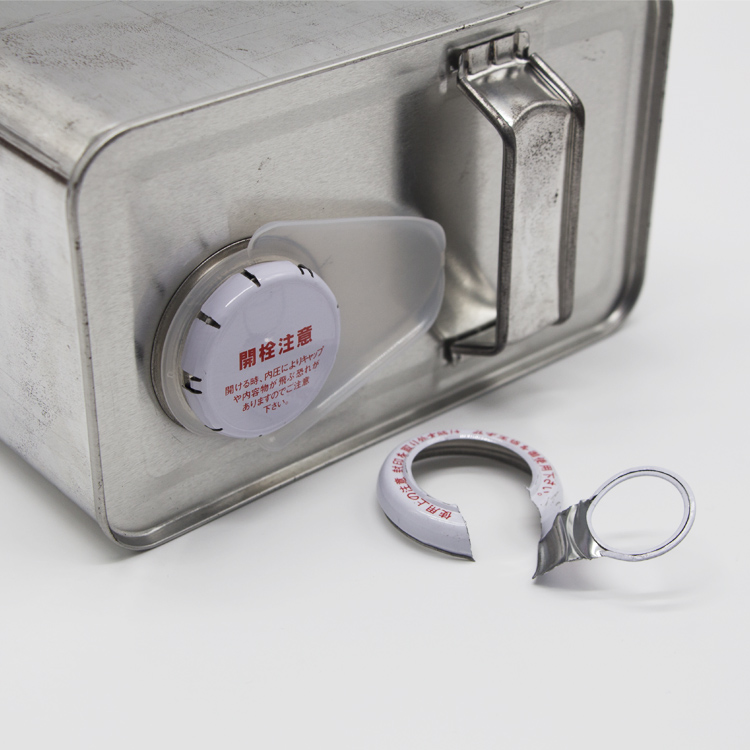
A prueba de manipulaciones (EL) diseños:Proporcionar evidencia visible de apertura a través de anillos rompibles o sellos de inducción que deben retirarse antes de su uso.
Estas características son especialmente importantes para industrial químicos, donde se debe mantener la integridad del producto y el cumplimiento normativo a lo largo de toda la cadena de suministro.
Elección de materiales y resistencia química (PÁGINAS, educación física, LDPE, juntas)
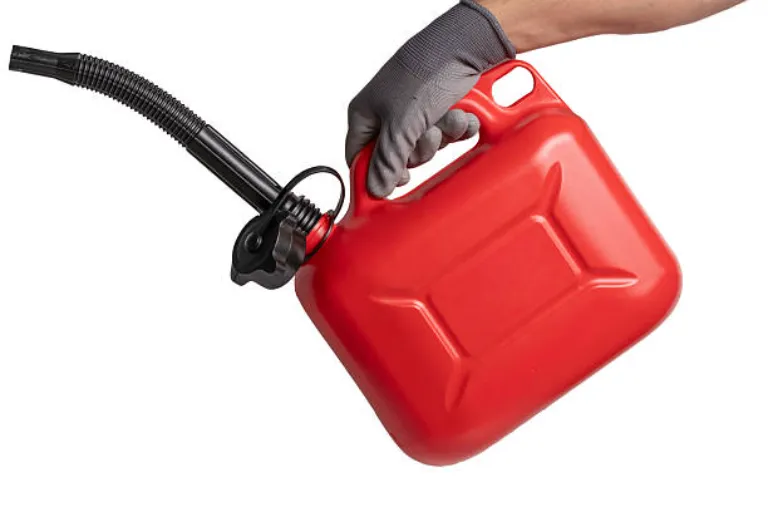
La selección del material tiene un impacto directo en la resistencia química., durabilidad, y rendimiento a largo plazo.
El material incorrecto puede provocar grietas., fuga, o contaminación.
- PÁGINAS (polipropileno):Alta resistencia química para disolventes., ácidos, y álcalis en ambientes agresivos
- PEAD (Polietileno de alta densidad):Gran durabilidad y resistencia a los hidrocarburos para aceites y lubricantes.
- LDPE (Polietileno de baja densidad):Estructura flexible adecuada para aplicaciones comprimibles o de sello blando
Juntas y revestimientos
Las juntas y los revestimientos proporcionan una capa de sellado adicional. También deben ser químicamente compatibles con el producto almacenado para evitar su degradación con el tiempo..
| Material | Fortaleza clave | Uso típico |
|---|---|---|
| PÁGINAS | Resistencia química | Solventes, ácidos |
| PEAD | Durabilidad | Aceites, lubricantes |
| LDPE | Flexibilidad | Contenedores blandos |
| Empaquetadora | Sellado adicional | Prevención de fugas |
Diseños de control de flujo y vertido para una dosificación precisa
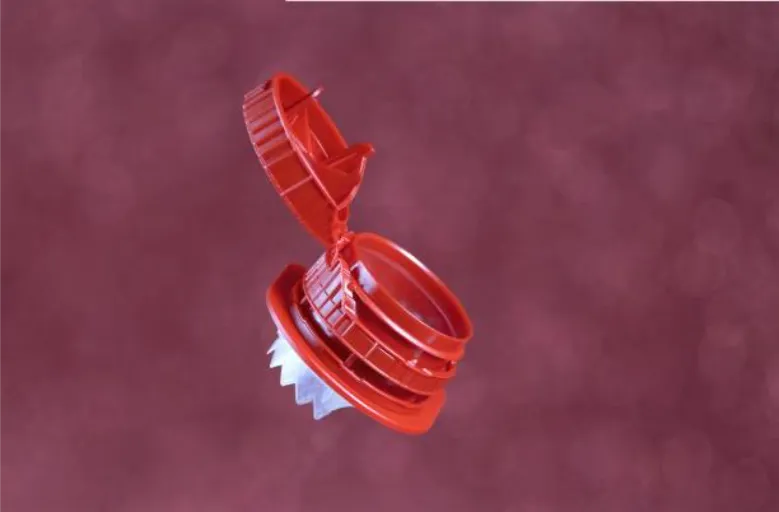
El diseño de control de flujo determina la suavidad y precisión con la que se puede dispensar un líquido..
Esto es importante para reducir los residuos y mejorar la seguridad en entornos industriales..
El tamaño de la abertura del pico es uno de los factores más importantes. Las aberturas estrechas se utilizan para líquidos de baja viscosidad como disolventes., mientras que se necesitan aberturas más amplias para lubricantes y adhesivos espesos.
En muchos diseños, Se agregan sistemas de ventilación para garantizar un flujo suave.. Sin ventilación adecuada, El líquido puede fluir de manera desigual o crear una acumulación de presión dentro del recipiente..
La resistencia del material también influye. Los materiales rígidos como PP y HDPE ayudan a mantener la forma durante la dispensación., especialmente bajo presión.
Coincidencia del tipo de pico con los tipos de contenedores
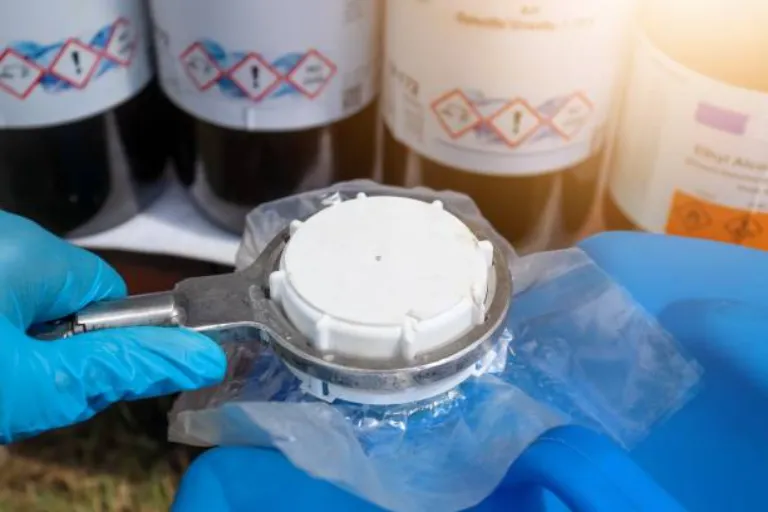
Diferentes contenedores requieren diferentes estructuras de tapa de pico.
Combinar el diseño correcto garantiza un rendimiento de sellado y una manipulación segura.
- Botellas de plástico: Las botellas de plástico suelen utilizar picos de rosca o de vaivén.. Estos son adecuados para aceites., liquidos de limpieza, y productos químicos ligeros
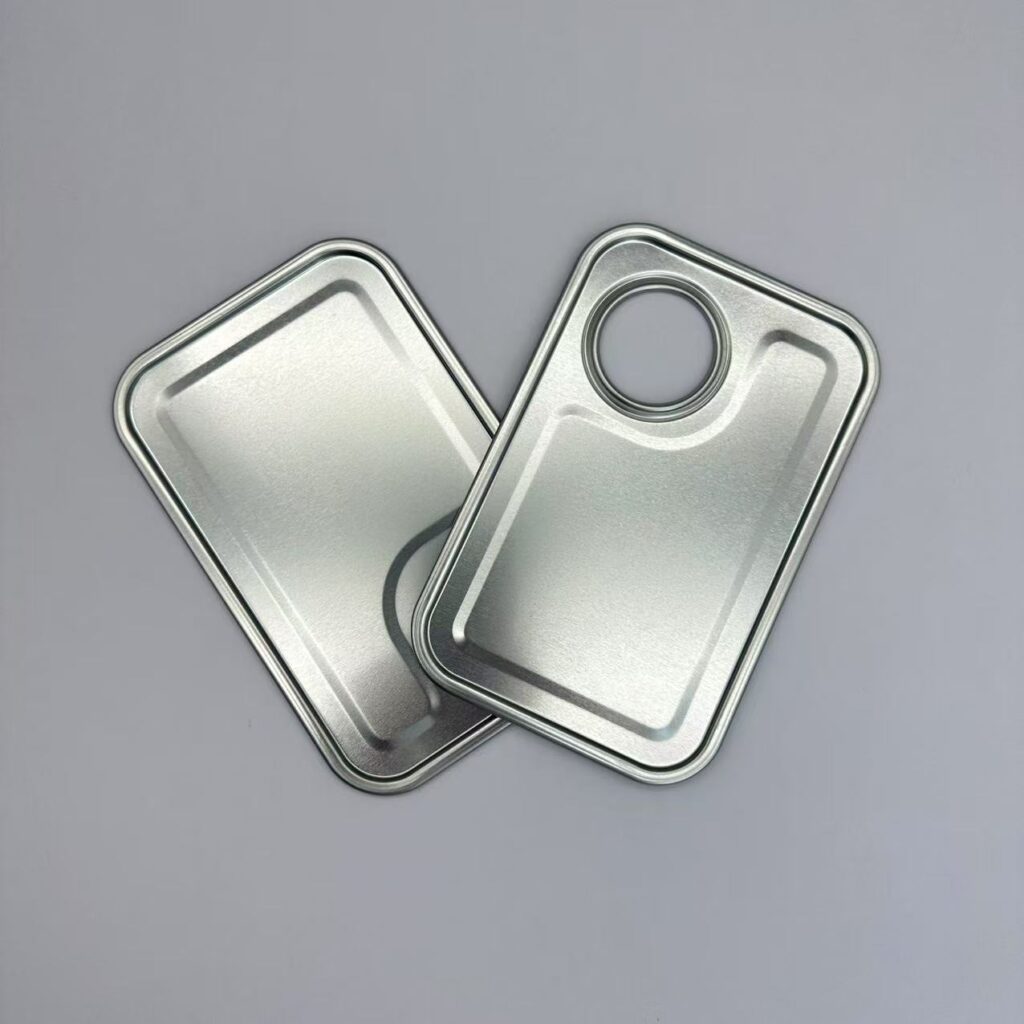
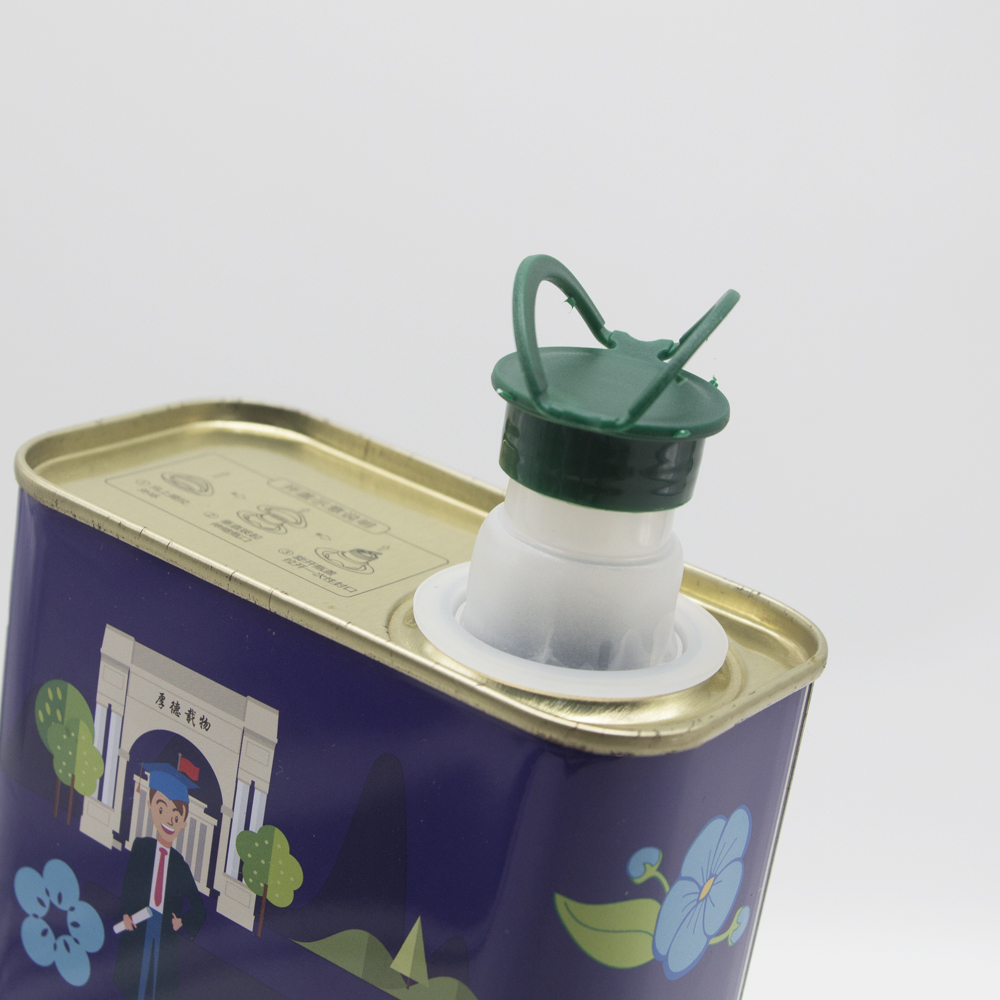
- latas de metal: Los contenedores metálicos requieren sistemas de sellado más fuertes. Los picos anchos y los hilos reforzados ayudan a garantizar la estabilidad durante el transporte y el uso repetido..
- Tambores industriales: Los tambores se utilizan para productos químicos a granel y requieren sistemas de ventilación para gestionar los cambios de presión.. Estas tapas deben soportar la dispensación de grandes volúmenes sin fugas..
| Recipiente | Caño recomendado | Requisito clave |
|---|---|---|
| botella de plastico | Tornillo / empujar-tirar | Control de uso diario |
| lata de metal | Caño ancho | Durabilidad |
| Tambor | Sistema ventilado | Equilibrio de presión |
Pruebas que debe realizar antes de la aprobación
Antes de utilizar una tapa de pico en la producción real, debe pasar varias pruebas técnicas para garantizar la seguridad y el rendimiento..
Estas pruebas simulan condiciones del mundo real, como el transporte., almacenamiento, y dispensando.
- Pruebas de compatibilidad química:Comprueba si los materiales reaccionan con los disolventes., aceites, o ácidos
- Pruebas de fugas:Verifica el rendimiento del sellado en condiciones de presión y vacío.
- Prueba de caída:Simula impacto durante el transporte y manipulación.
- Pruebas de dispensación:Evalúa la estabilidad del flujo y el rendimiento de adaptación de la viscosidad.
Conclusión
Elegir la tapa de boquilla adecuada es un paso fundamental que garantiza una manipulación segura, dispensación precisa, e integridad del producto. A juego con el material de la gorra., estructura, y características de seguridad para el producto químico y el contenedor específicos protegen a los usuarios finales y evitan fugas costosas. Este enfoque metódico es fundamental para un embalaje industrial fiable..
Conozca los pasos principales en esta guía para auditar su embalaje actual o especificar los requisitos para una nueva línea de productos.. Si necesita ayuda para combinar una tapa con una sustancia química desafiante, nuestro equipo Puede proporcionar datos de compatibilidad de materiales y muestras para pruebas..
Preguntas frecuentes
¿Necesito tapas a prueba de niños para ciertos químicos industriales??
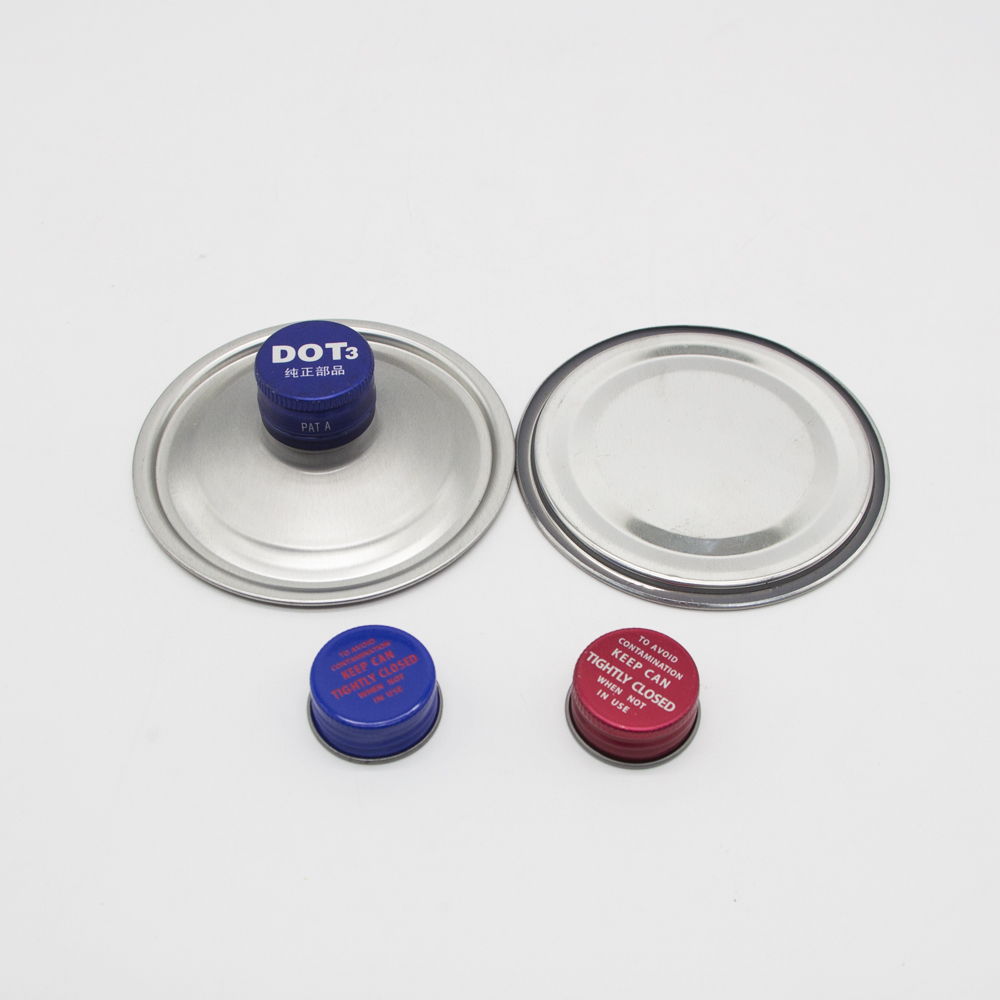
Si bien la investigación proporcionada no menciona específicamente las características a prueba de niños, Destaca que las tapas de los picos para productos químicos que requieren alta seguridad a menudo utilizan mecanismos de fijación atornillados para proporcionar una sujeción hermética., sello de seguridad. Para el transporte de materiales peligrosos., Algunos modelos están diseñados para cumplir con los estándares de seguridad UN/DOT..
¿Qué materiales resisten aceites y lubricantes sin agrietarse por tensión??
Tapas de pico fabricadas en polietileno de alta densidad. (PEAD) y polipropileno (PÁGINAS) Están diseñados para resistir aceites y lubricantes.. Estos materiales proporcionan una sólida resistencia química y están diseñados para durar en las duras condiciones del uso industrial frecuente., haciéndolos adecuados para sustancias como aceites industriales.
¿Puede el diseño de un pico funcionar tanto en latas de metal como en botellas de plástico??
El contenido de la investigación se centra en tapones de pico diseñados para cuellos de botellas., que son comunes para los envases de plástico. Mientras que los mecanismos de fijación, como las roscas, son estándar para las botellas, La información proporcionada no especifica si un solo diseño es compatible tanto con latas de metal como con botellas de plástico..
¿Cómo pruebo si la tapa del pico es segura para mi producto químico??
Para garantizar que la tapa del pico sea segura para su producto químico, seleccione uno hecho de un material apropiado, como polietileno de alta densidad (PEAD) o polipropileno (PÁGINAS), que ofrecen una excelente resistencia a los disolventes, ácidos, y álcalis. Para materiales peligrosos, Verifique que la tapa cumpla con las normas de seguridad pertinentes, como las normas UN/DOT..
¿Qué tipo de pico da mejor control al llenar la maquinaria??
Para el mejor control al llenar maquinaria, una tapa de pico vertedor con una extensión, el diseño en ángulo es ideal. Este tipo de tapa está diseñada para una precisión, Aplicación sin goteo de fluidos industriales como lubricantes y fluidos de corte., asegurando que el líquido se dispense exactamente donde sea necesario y minimizando derrames y desperdicios..