Choosing the right spout cap type for chemicals and lubricants is essential for safe handling, stable dispensing, and reliable packaging performance. Even small issues in sealing, 素材の選択, or spout design can lead to leakage, waste, or safety risks during transport and storage, affecting overall product integrity.
This guide explains the key factors behind spout cap selection, including structural design, material resistance, container compatibility, safety features, フロー制御, and testing requirements. It provides a clear framework to help ensure safe, 効率的, and consistent industrial packaging performance.
What Is a Spout Cap for Chemicals and Lubricants

A spout cap is a functional closure designed for industrial containers that require controlled liquid dispensing.
In chemical and lubricant packaging, it plays a key role in ensuring safe handling, reducing leakage risk, and improving accuracy during pouring operations. It is widely used across industries where fluids must be managed in a clean and controlled way throughout storage, 輸送, そして毎日の使用.
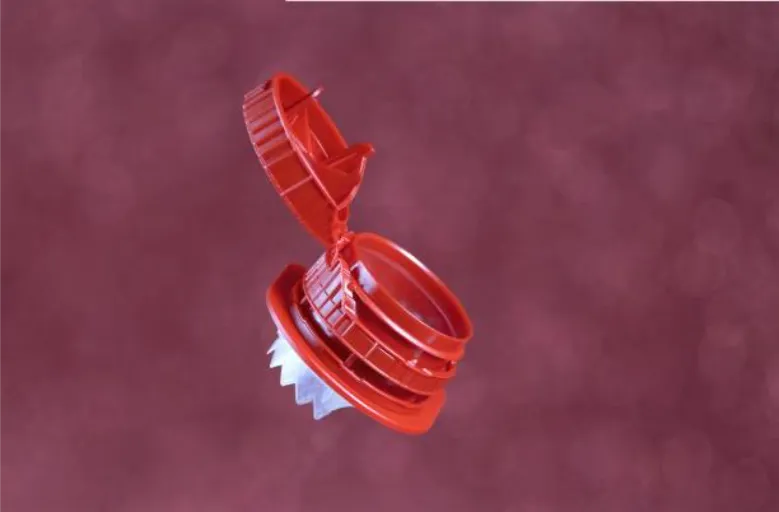
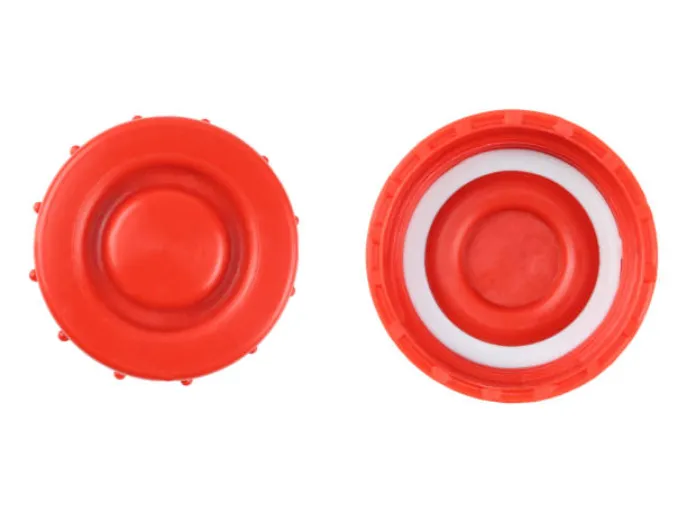
Structurally, ある spout cap is more than a simple lid. It integrates a container connection, a flow control outlet, and a sealing system as one unit. The spout guides dispensing, the threaded neck ensures a secure fit, and the seal prevents leakage or contamination. Some designs also include venting or flow control for handling different viscosities, from solvents to heavy lubricants.
Basic Structure of a Chemical Spout Cap (Neck, 注ぎ口, Seal)

A spout cap is not a single closure component but a coordinated structure where sealing, connection, and dispensing functions must work together under real industrial conditions.
Its performance depends on how each part is engineered to maintain stability during pressure changes, chemical exposure, and repeated opening and closing cycles.
Neck and Thread Interface
The neck forms the connection between cap and container using a precision-threaded design to ensure a tight fit. Any mismatch in thread specification may cause leakage, loosening, or sealing failure during transport and handling.
Spout and Flow Channel
The spout acts as the controlled outlet for liquid dispensing. Its diameter affects flow speed and accuracy. Narrow openings suit low-viscosity liquids to prevent splashing, while wider channels are used for high-viscosity fluids like lubricants and adhesives to ensure smooth flow.
Sealing and Liner System
The sealing system prevents leakage and contamination. Common options include LDPE liners and foam gaskets for reliable sealing between cap and container. For demanding applications, vented liners help balance internal pressure and improve dispensing stability.
Component Table
| Component | Function |
|---|---|
| Neck | Secure container connection |
| 注ぎ口 | Controlled liquid dispensing |
| Seal / ライナー | Leak prevention and product protection |
Eliminate Leaks with Precision-Engineered Industrial Caps

Main Spout Cap Types for Chemical Solvents and Lubricants

Spout cap selection depends on real application needs, including transport conditions, dispensing frequency, and fluid behavior.
The right type depends on how the product is used, how often it is opened, and how sensitive the material is during transport or storage.
| Spout Cap Type | Primary Mechanism | Best-Fit Application |
|---|---|---|
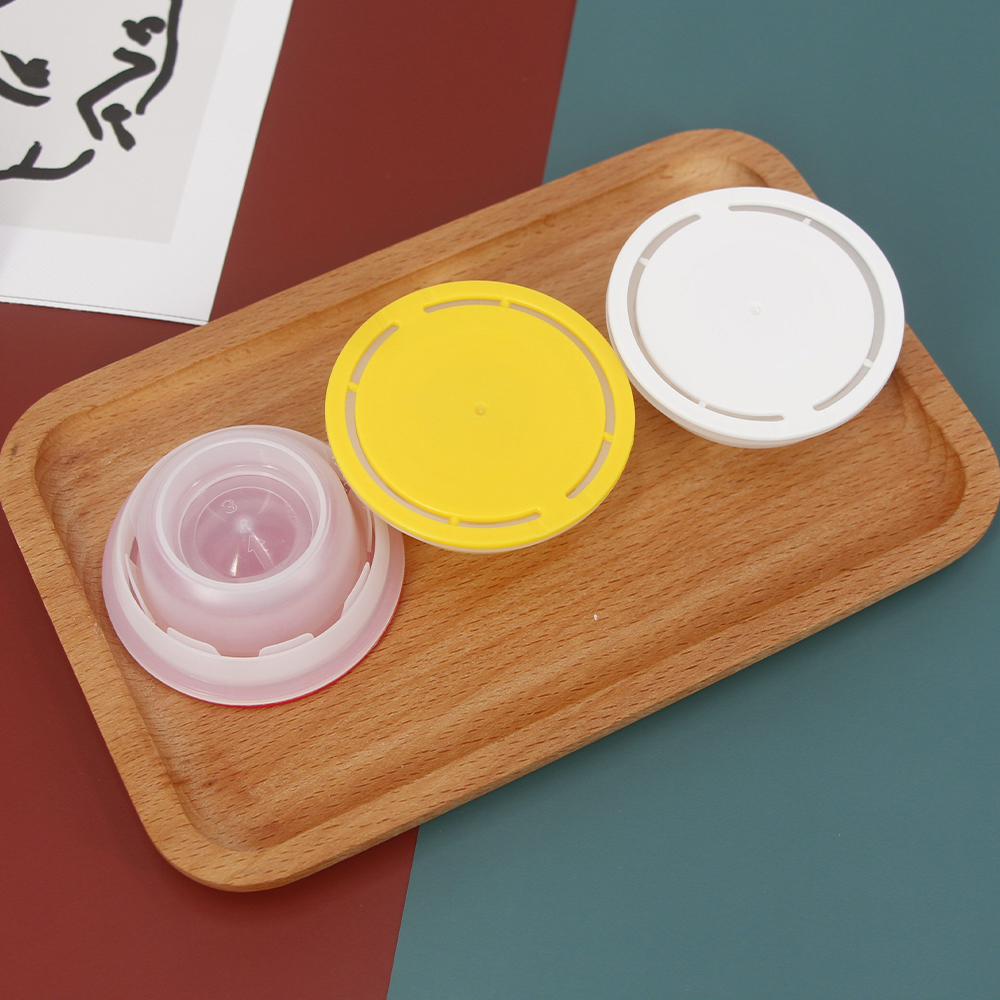
| Screw-On Spout | Threaded, tamper-evident seal | Long-term storage and hazardous chemical transport |
| Push-Pull Spout | Up/down dispensing mechanism | Frequent use in workshops |
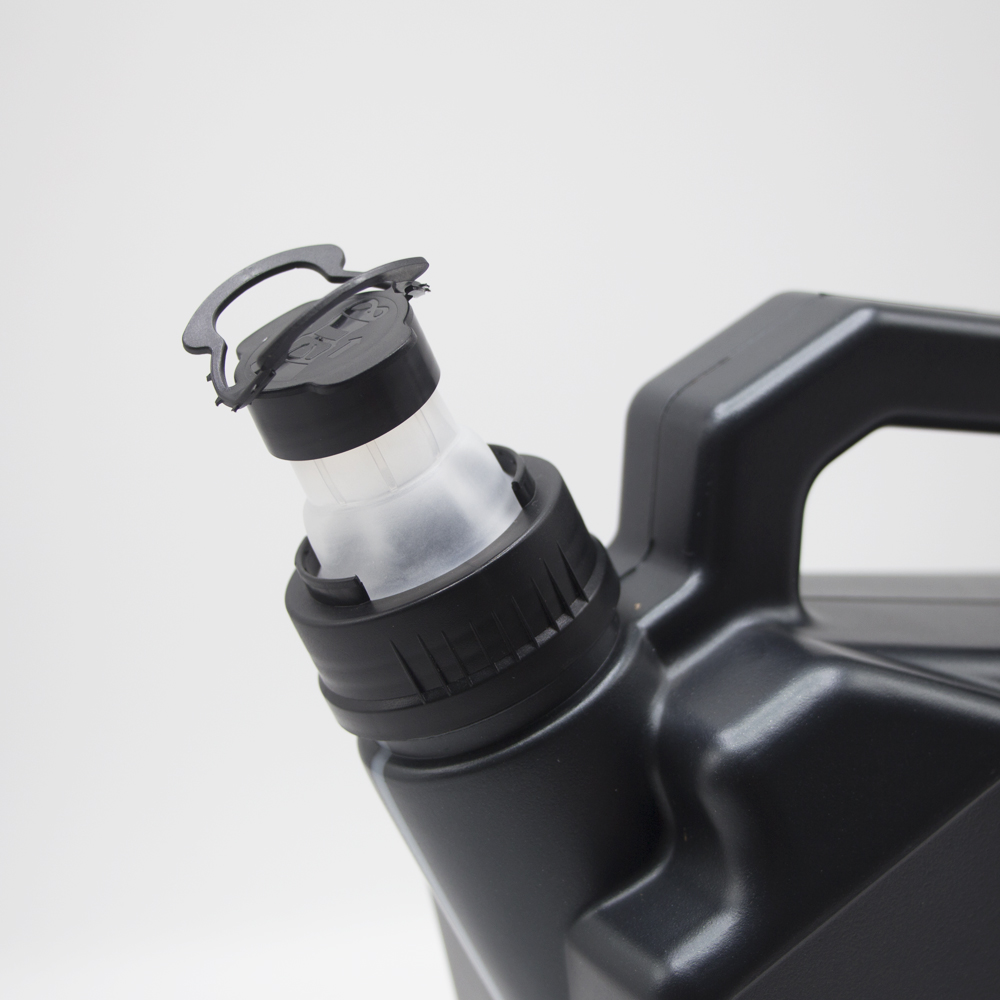
| Angled Pour Spout | Extended angled nozzle | Precise dispensing of viscous liquids |
| Vented Spout | Pressure equalization system | Reactive or temperature-sensitive chemicals |
Spout cap selection is based on how each mechanism affects sealing security, フロー制御, and dispensing stability under different industrial conditions.
Safety Features: Child-Resistant and Tamper-Evident Options

Safety is a key requirement in chemical and lubricant packaging.
Spout caps are often designed with additional protection systems to reduce risks during storage, 輸送, and handling
子供に耐性のある (CR) features:Require push-and-turn or multi-step actions to prevent accidental opening and reduce child access risk
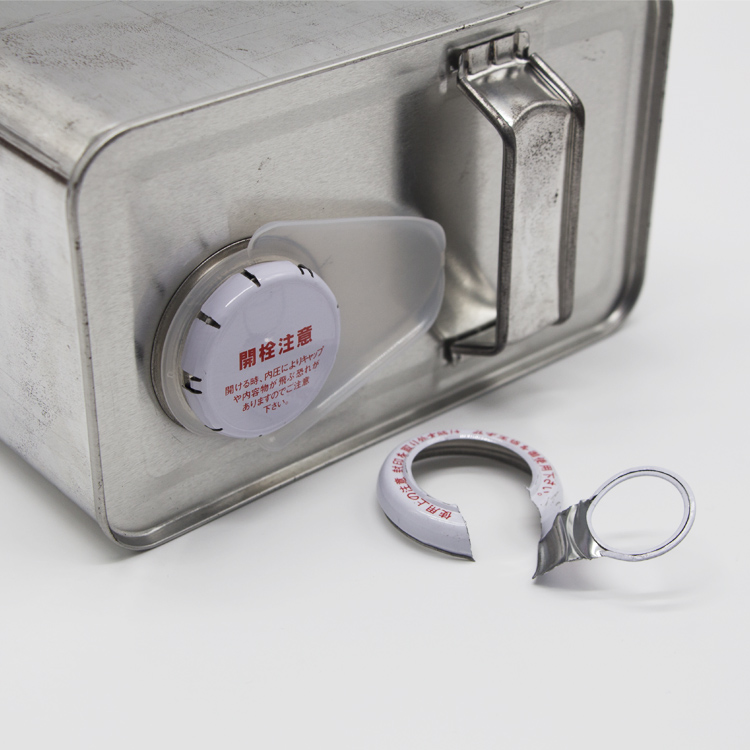
改ざん防止 (TE) デザイン:Provide visible evidence of opening through breakable rings or induction seals that must be removed before use
These features are especially important for 工業用 化学薬品, where product integrity and regulatory compliance must be maintained throughout the supply chain.
Material Choices and Chemical Resistance (PP, PE, LDPE, Gaskets)

Material selection has a direct impact on chemical resistance, 耐久性, そして長期的なパフォーマンス.
The wrong material can lead to cracking, 漏れ, または汚染.
- PP (ポリプロピレン):High chemical resistance for solvents, 酸, and alkalis in aggressive environments
- HDPE (高密度ポリエチレン):Strong durability and hydrocarbon resistance for oils and lubricants
- LDPE (低密度ポリエチレン):Flexible structure suitable for squeezable or soft-seal applications
Gaskets and Liners
Gaskets and liners provide an extra sealing layer. They must also be chemically compatible with the stored product to avoid degradation over time.
| 材料 | Key Strength | Typical Use |
|---|---|---|
| PP | Chemical resistance | 溶剤, 酸 |
| HDPE | 耐久性 | 油, 潤滑剤 |
| LDPE | 柔軟性 | Soft containers |
| Gasket | Extra sealing | Leak prevention |
Flow and Pour Control Designs for Accurate Dispensing

Flow control design determines how smoothly and accurately a liquid can be dispensed.
This is important for reducing waste and improving safety in industrial environments.
Spout opening size is one of the most important factors. Narrow openings are used for low-viscosity liquids like solvents, while wider openings are needed for thick lubricants and adhesives.
In many designs, venting systems are added to ensure smooth flow. Without proper venting, liquid may flow unevenly or create pressure buildup inside the container.
Material strength also plays a role. Rigid materials like PP and HDPE help maintain shape during dispensing, especially under pressure.
Matching Spout Type to Container Types

Different containers require different spout cap structures.
Matching the correct design ensures sealing performance and safe handling.
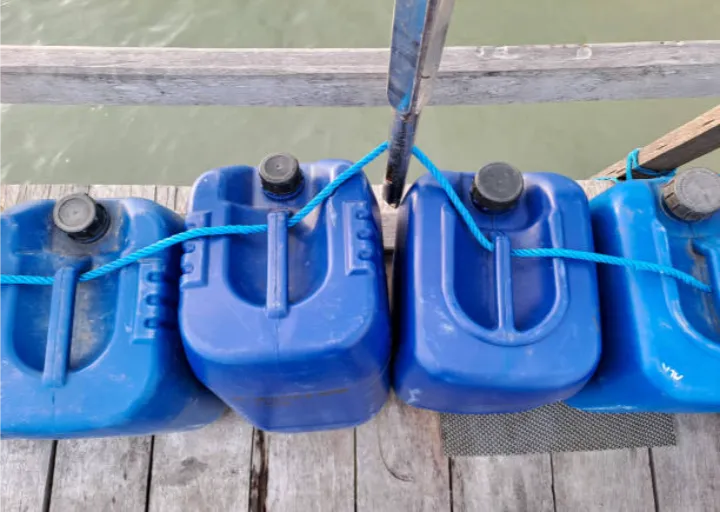
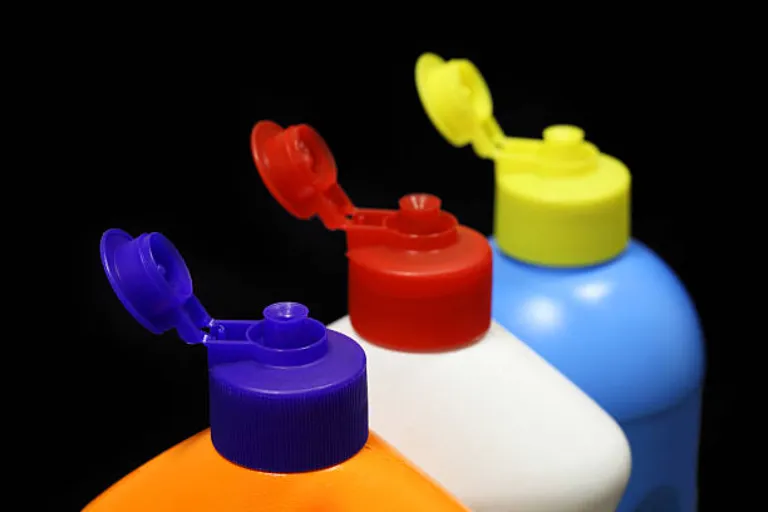
- Plastic Bottles: Plastic bottles usually use screw-on or push-pull spouts. These are suitable for oils, cleaning liquids, and light chemicals
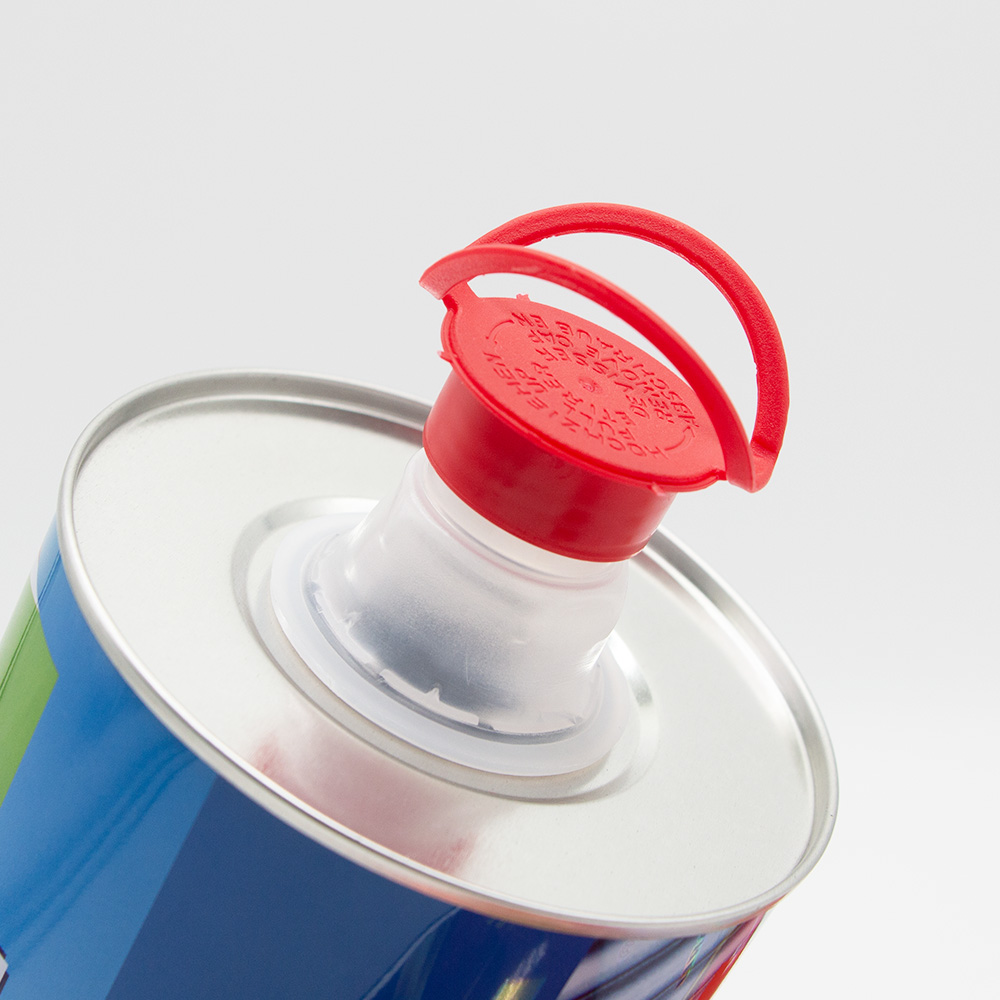
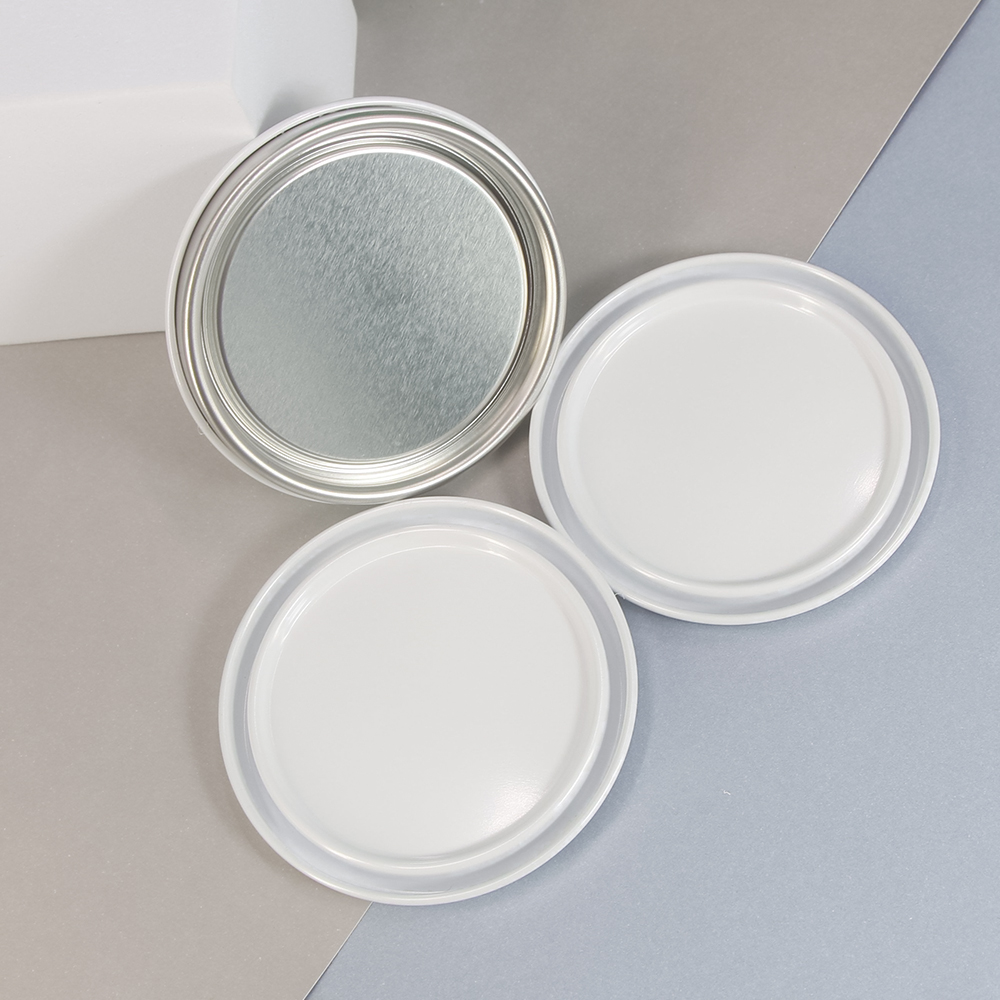
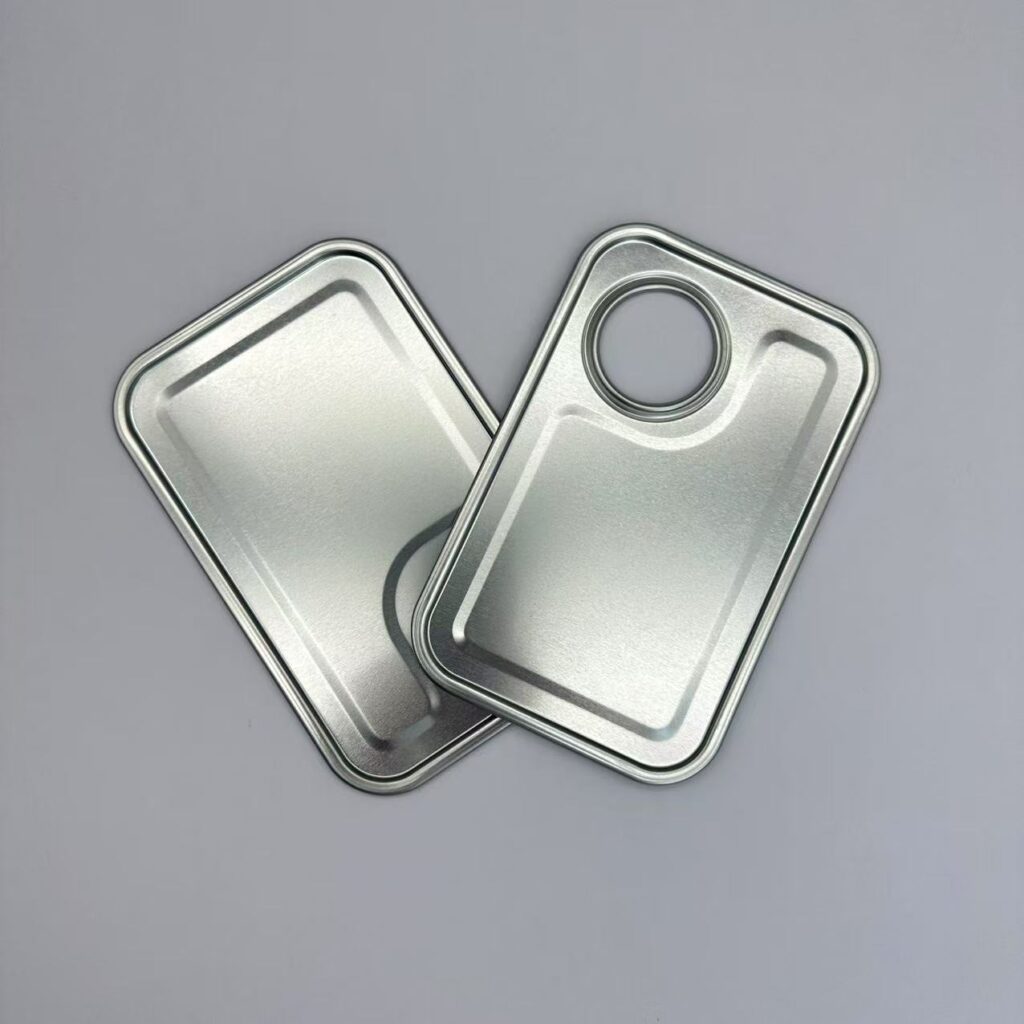
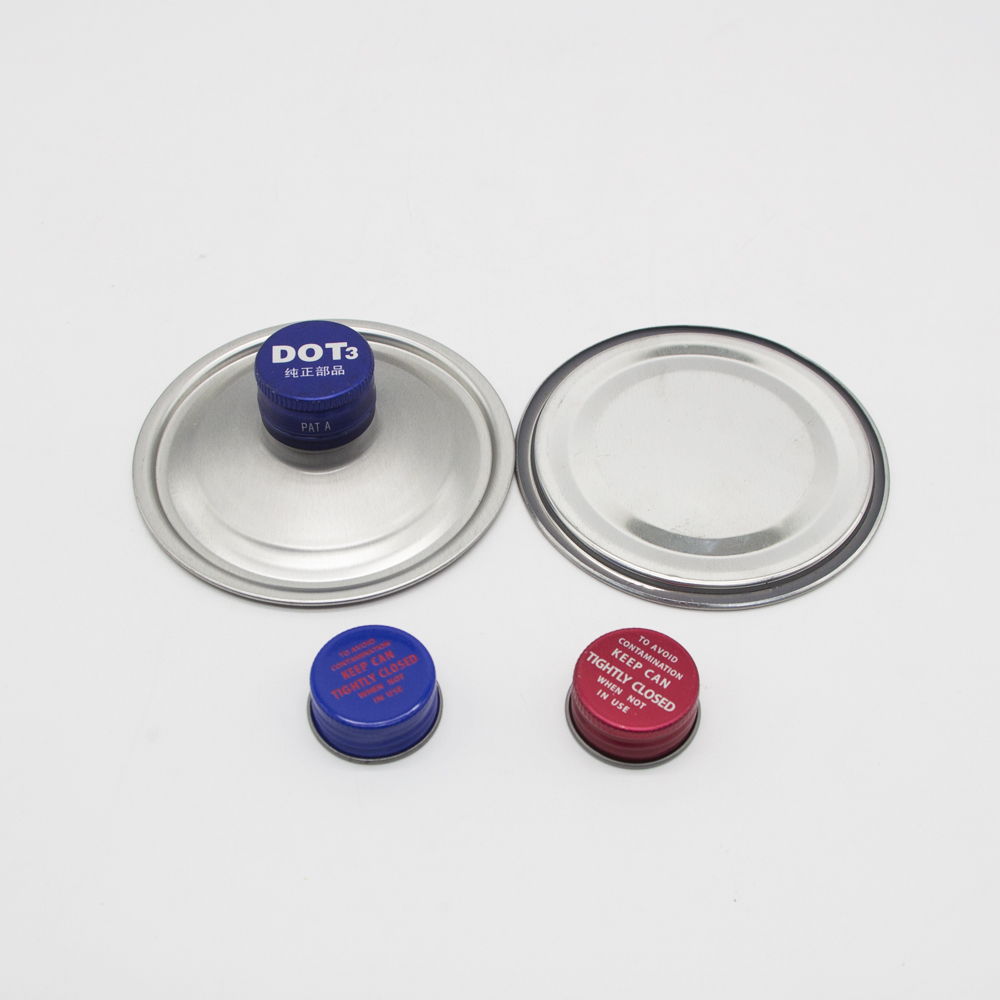
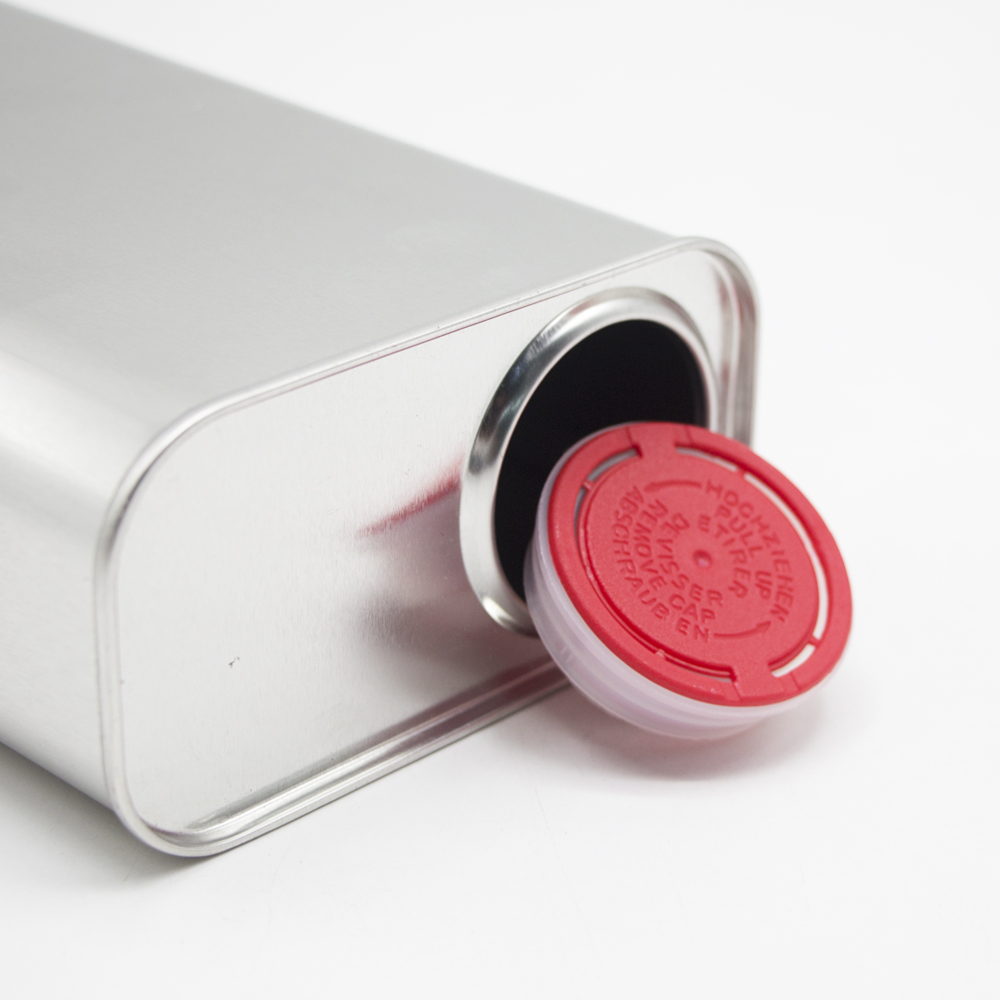
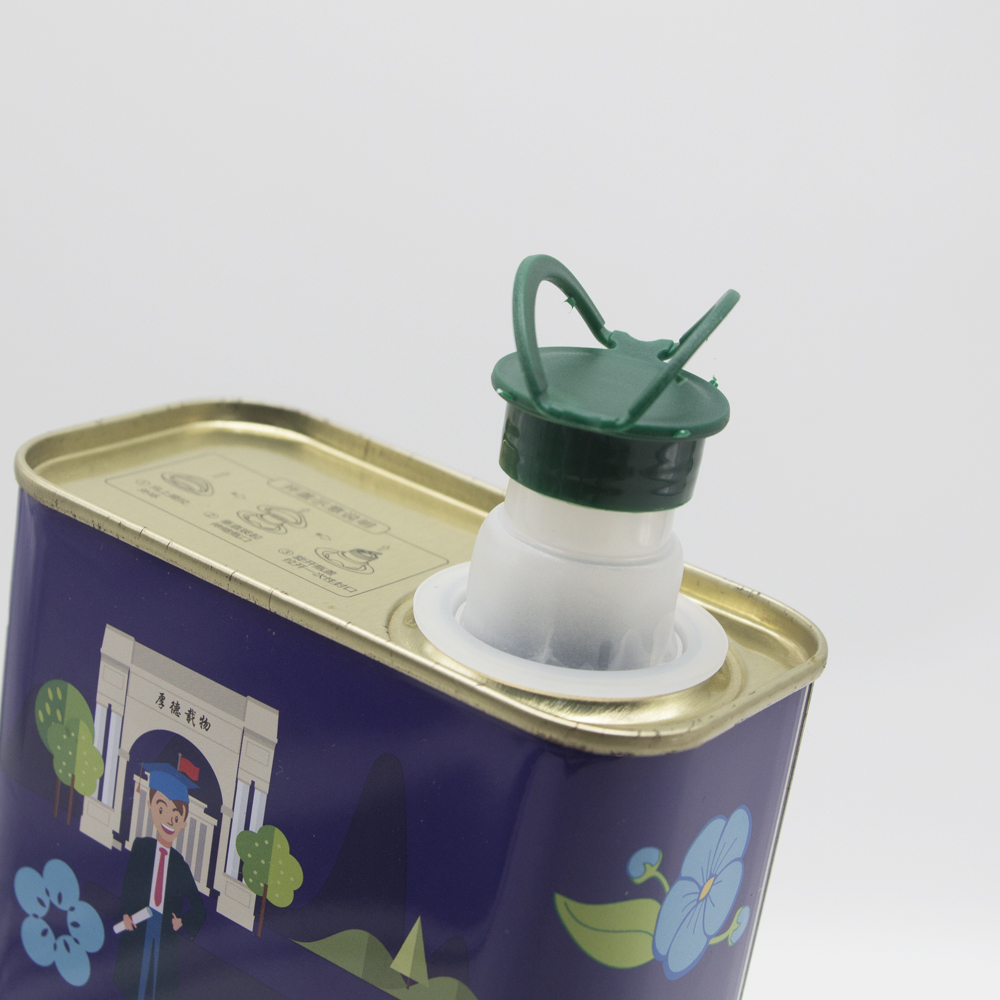
- Metal Cans: Metal containers require stronger sealing systems. Wide spouts and reinforced threads help ensure stability during transport and repeated use.
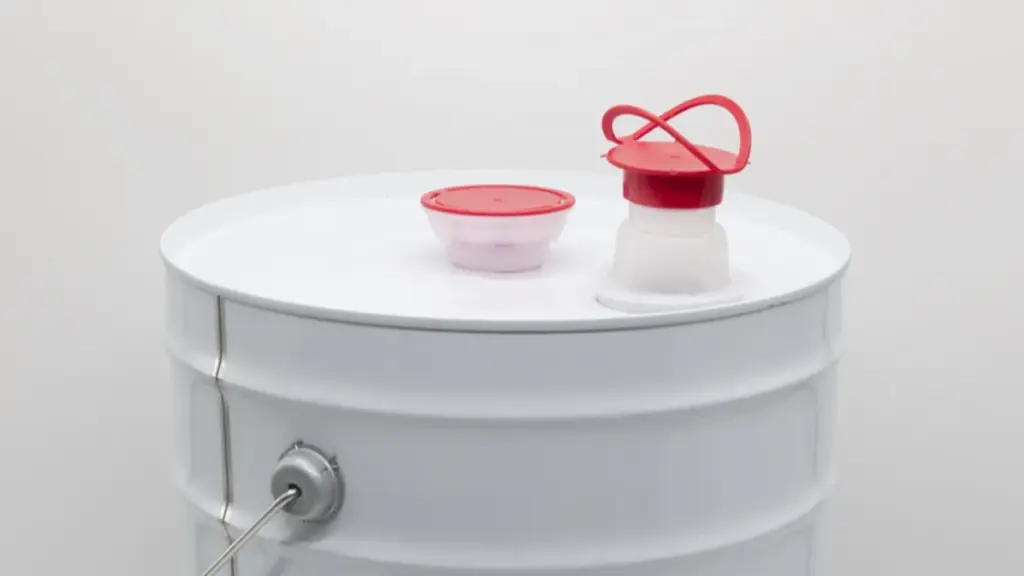
- Industrial Drums: Drums are used for bulk chemicals and require vented systems to manage pressure changes. These caps must support large-volume dispensing without leakage.
| Container | Recommended Spout | Key Requirement |
|---|---|---|
| Plastic bottle | Screw / Push-pull | Daily use control |
| 金属缶 | Wide spout | 耐久性 |
| Drum | Vented system | Pressure balance |
Tests You Should Run Before Approval

Before a spout cap is used in real production, it must pass several technical tests to ensure safety and performance.
These tests simulate real-world conditions such as transport, ストレージ, and dispensing.
- Chemical compatibility testing:Checks whether materials react with solvents, 油, or acids
- リークテスト:Verifies sealing performance under pressure and vacuum conditions
- 落下試験:Simulates impact during transport and handling
- Dispensing testing:Evaluates flow stability and viscosity matching performance
結論
Choosing the right spout cap is a critical step that ensures safe handling, accurate dispensing, and product integrity. Matching the cap’s material, 構造, and safety features to the specific chemical and container protects end-users and prevents costly leaks. This methodical approach is fundamental to reliable industrial packaging.
Learn the main steps in this guide to audit your current packaging or to specify requirements for a new product line. If you need help matching a cap to a challenging chemical, our team can provide material compatibility data and samples for testing.
よくある質問
Do I need child-resistant caps for certain industrial chemicals?
While the provided research does not specifically mention child-resistant features, it highlights that spout caps for chemicals requiring high security often use screw-on attachment mechanisms to provide a tight, tamper-evident seal. For transporting hazardous materials, some models are designed to comply with UN/DOT standards for safety.
Which materials resist oils and lubricants without stress cracking?
Spout caps made from high-density polyethylene (HDPE) およびポリプロピレン (PP) are engineered to resist oils and lubricants. These materials provide robust chemical resistance and are designed for durability under the harsh conditions of frequent industrial use, making them suitable for substances like industrial oils.
Can one spout design work on both metal cans and plastic bottles?
The research content focuses on spout caps designed for bottle necks, which are common for plastic containers. While attachment mechanisms like screw-on threads are standard for bottles, the provided information does not specify if a single design is cross-compatible with both metal cans and plastic bottles.
How do I test if a spout cap is safe for my chemical?
To ensure a spout cap is safe for your chemical, select one made from an appropriate material, such as High-density polyethylene (HDPE) またはポリプロピレン (PP), which offer excellent resistance to solvents, 酸, and alkalis. For hazardous materials, verify that the cap complies with relevant safety regulations like UN/DOT standards.
What spout type gives the best control when filling machinery?
For the best control when filling machinery, a pour spout cap with an extended, angled design is ideal. This type of cap is engineered for precise, drip-free application of industrial fluids like lubricants and cutting fluids, ensuring the liquid is dispensed exactly where needed while minimizing spills and waste.