>

高級食用油缶の注ぎ口キャップ選択ガイド

高級食用油缶の注ぎ口キャップ選択ガイド

共有:

目次

Choosing the right spout cap for edible oil tins directly affects product safety, ユーザーエクスペリエンス, and export performance. For B2B buyers in premium oil markets, small differences in sealing or dispensing design can lead to leakage risks, transport issues, and inconsistent brand performance across regions.

This article explains how different spout cap structures, 材料, and engineering designs perform in real industrial applications. It also provides a decision framework for selecting the right solution for 1–5L oil tins, focusing on sealing reliability, コンプライアンス, production compatibility, 長期安定供給.

Why Spout Caps Matter for Edible Oil Packaging

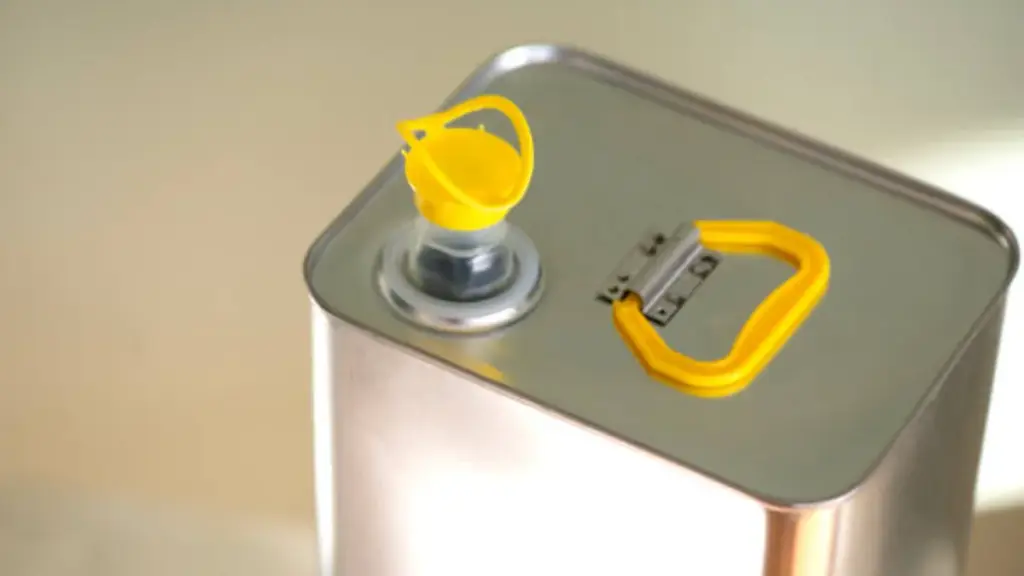
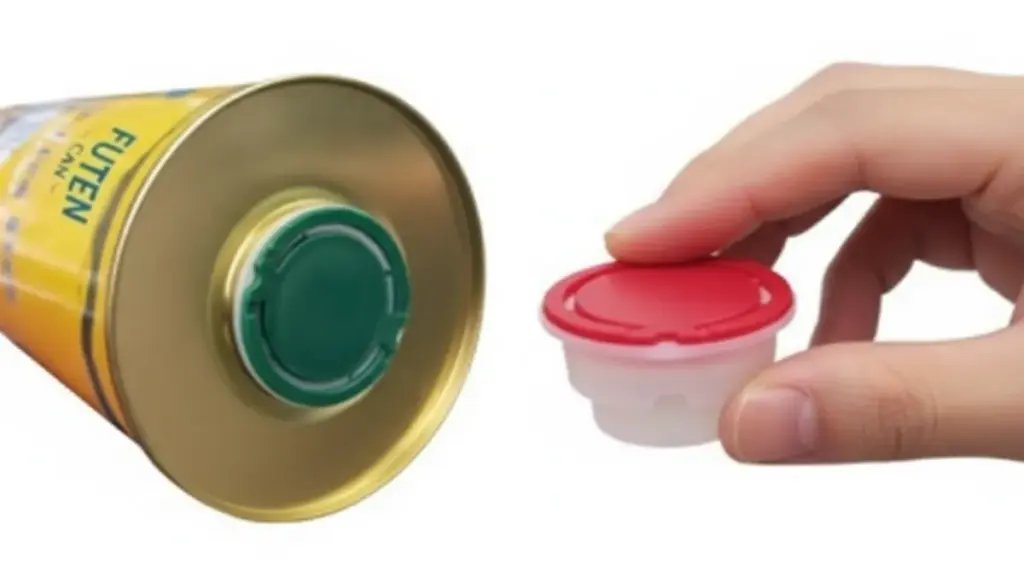
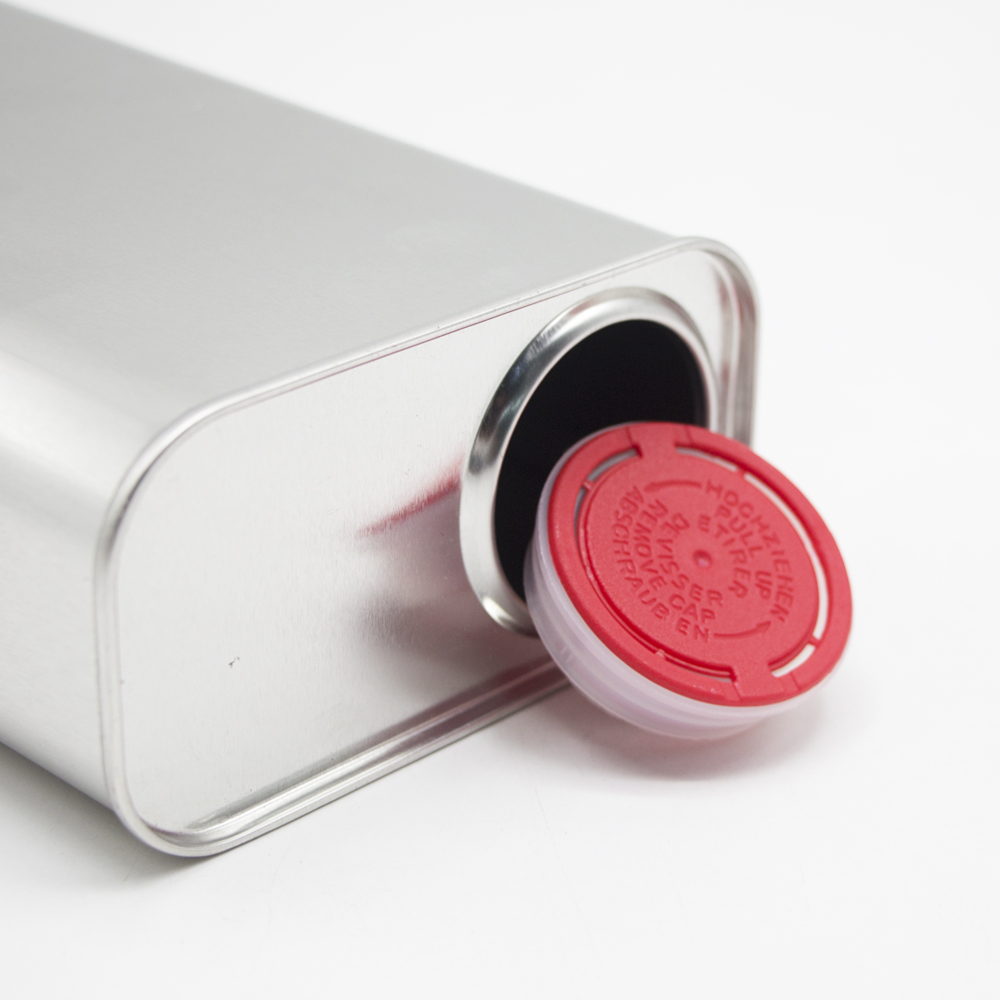
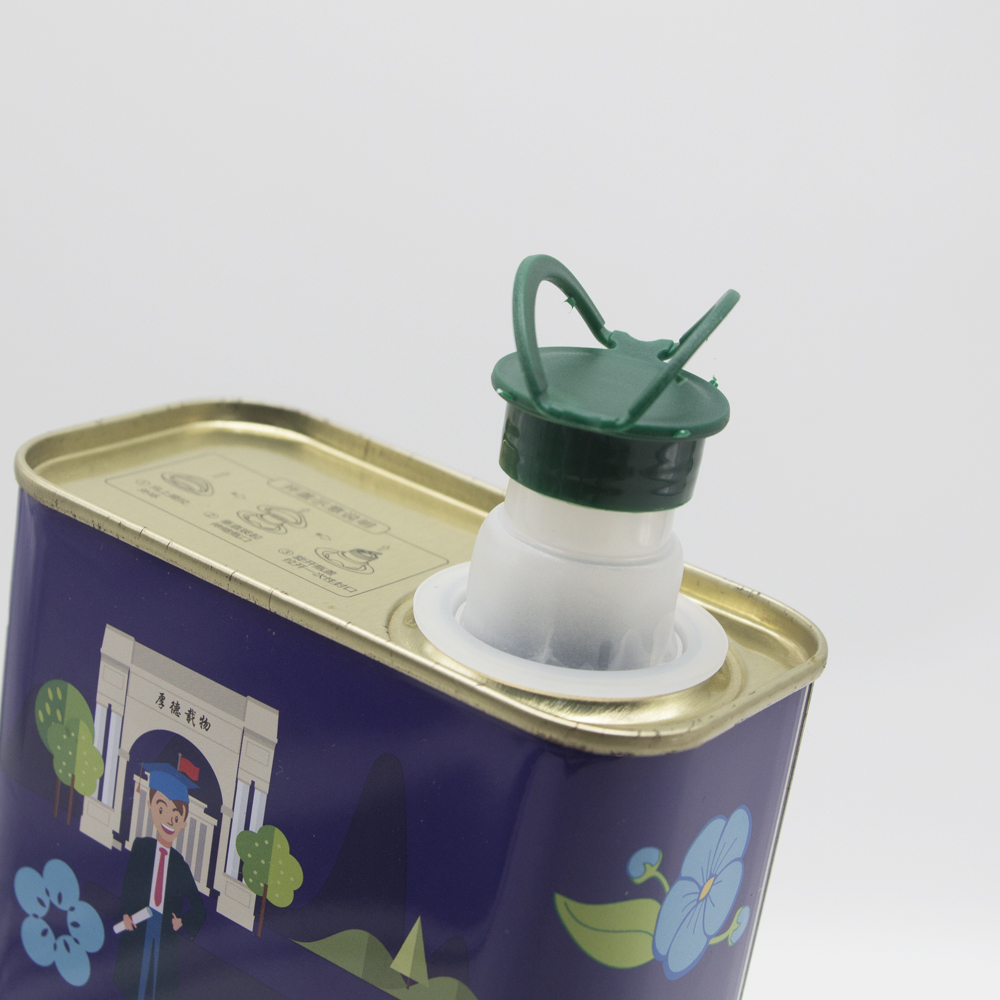
プラスチックキャップ付きの金属缶

Spout caps are a key part of edible oil packaging systems. They influence how oil is sealed, 保護された, and dispensed throughout the product lifecycle. For premium brands, the cap directly affects the user experience during everyday use.

A well-designed cap helps protect oil quality from production to end use. It also reduces leakage risk during transport and supports stable brand presentation in retail environments.

Role of Spout Caps in Oil Packaging Systems

注ぎ口キャップ work together with tin cans to form a complete packaging system. They manage sealing, dispensing, and re-closure functions during daily use.

In most oil tin systems, spout caps perform three core functions:

  • 気密シール: Keeps oil protected from air exposure before first use
  • フロー制御: Regulates oil dispensing during pouring
  • Re-closure support: Maintains usability after opening

Risks of Poor Cap Design in Export Markets

Export packaging must withstand long-distance transport, pressure changes, and stacking stress. A weak cap design increases failure risk across the supply chain.

Poor cap performance often leads to:

  • Leakage during shipping → product loss and contamination
  • Seal failure under pressure → oxidation and quality loss
  • External contamination → reduced product safety
  • Brand trust decline → weaker retail performance

Even small defects can lead to significant financial loss in international trade.

Why Premium Oil Brands Require Higher Packaging Standards

Premium edible oil brands compete not only on product quality but also on packaging experience. A stable spout cap ensures consistent performance across markets and supports controlled pouring behavior.

High-end packaging requirements typically focus on:

  • Consistent sealing performance: Stable quality across production batches
  • Controlled dispensing behavior: Clean pouring without waste or dripping
  • Strong shelf identity: Clear visual differentiation in retail environments

Spout Cap Structure Options and Performance Differences

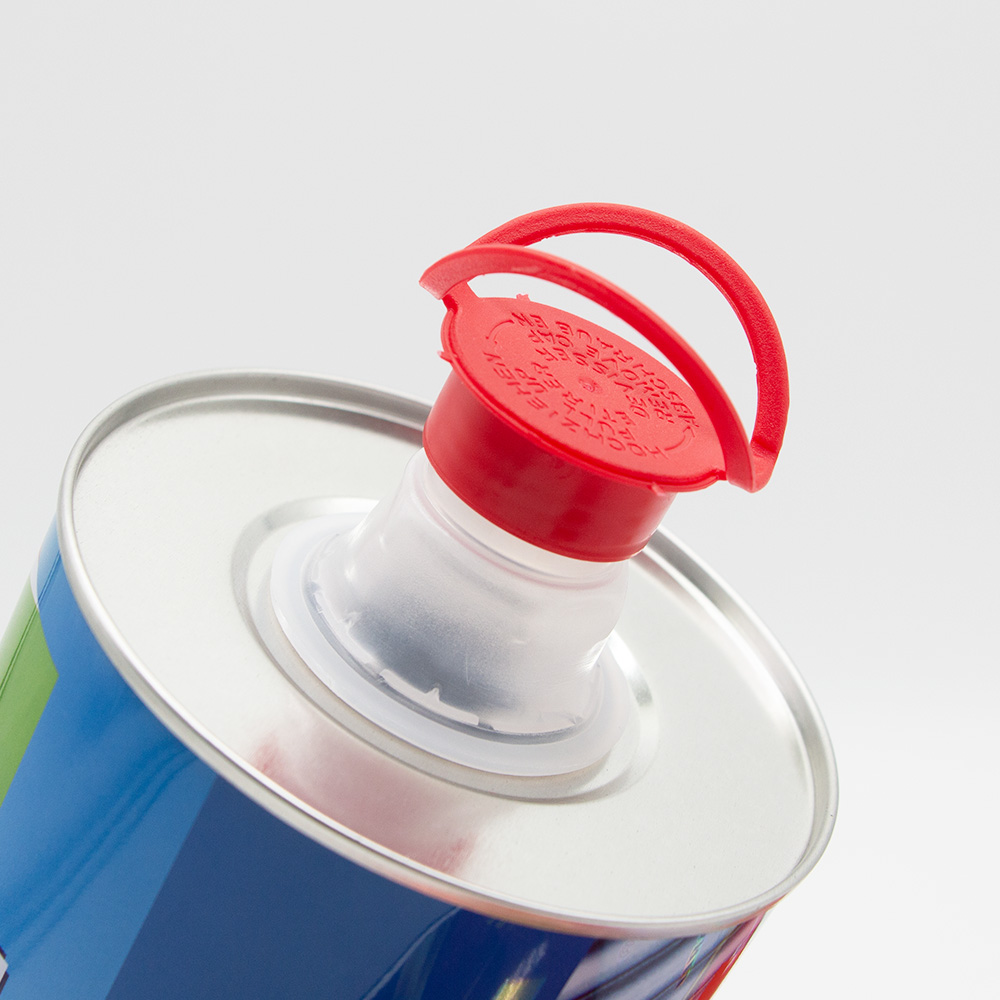
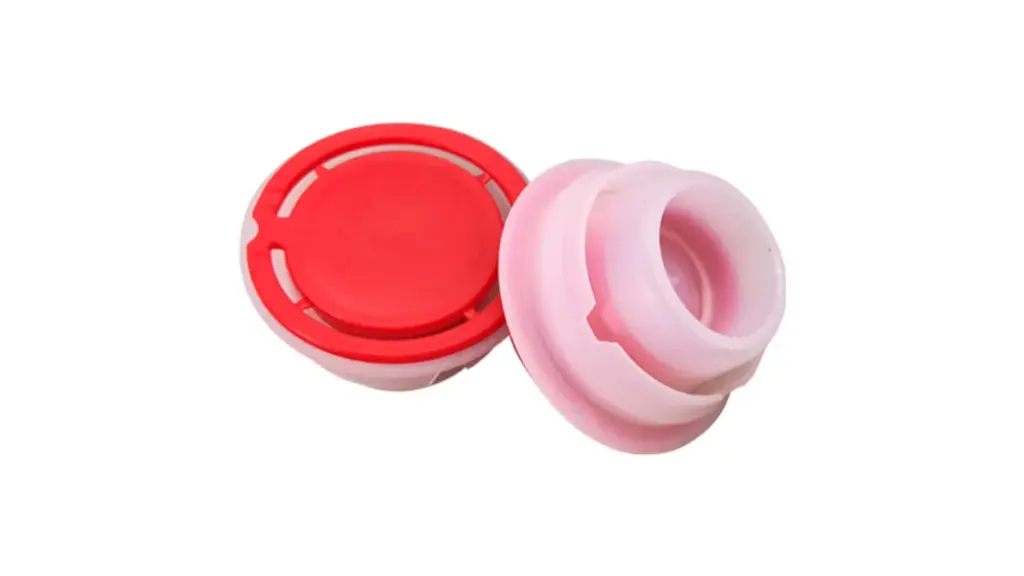
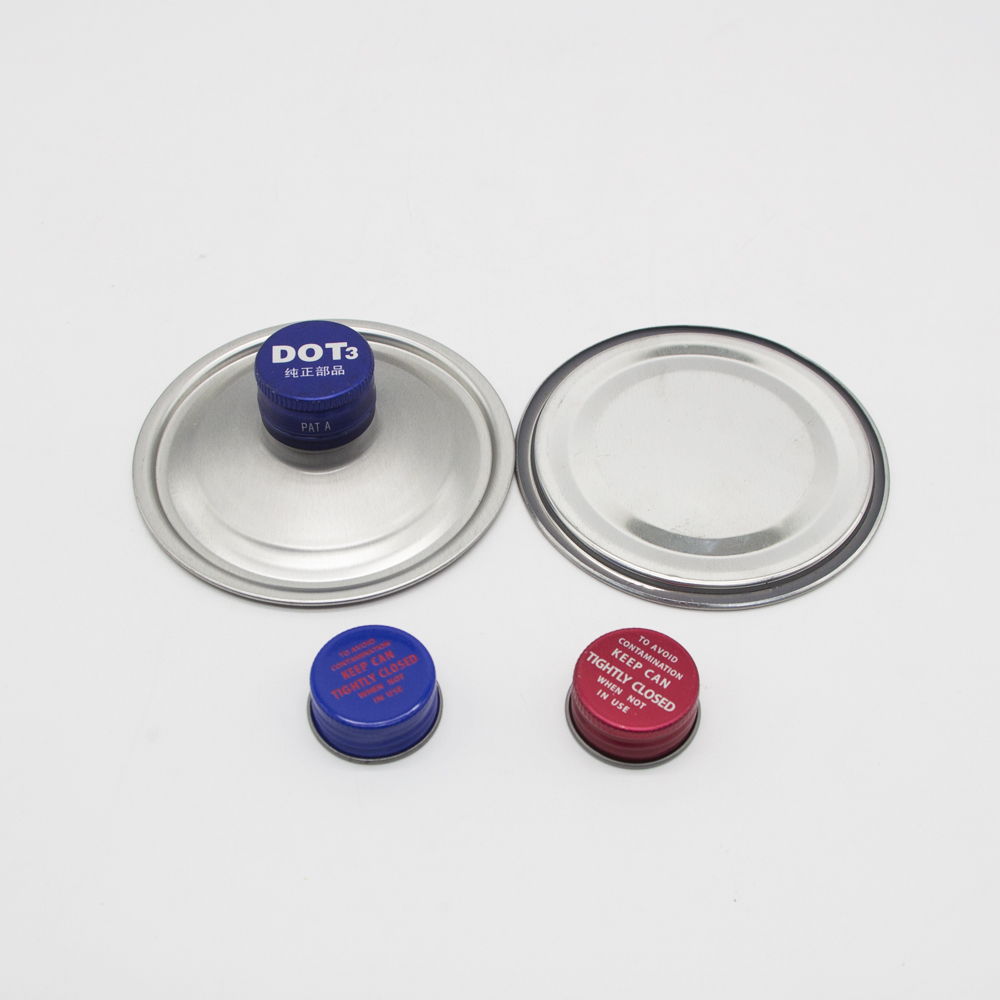
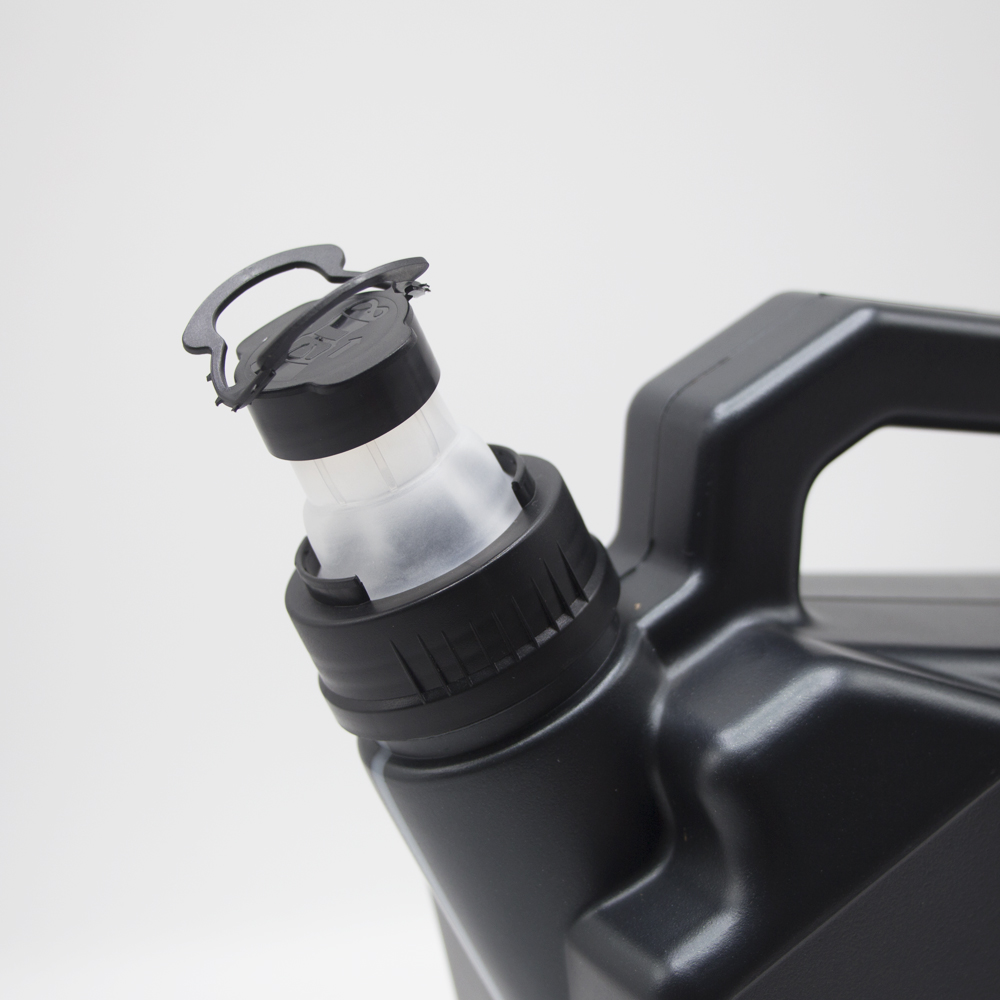
32mm注ぎ口キャップ

Spout cap systems for edible oil tins fall into different structural categories based on sealing method, dispensing control, そして使いやすさ. Each structure addresses a specific packaging requirement, from basic sealing to controlled dispensing.

Screw-On Closures for Basic Sealing Systems

Screw-on closures are a traditional sealing solution in edible oil packaging. They use threaded engagement between the cap and tin neck to create a reusable closure.

Key characteristics:

  • Reusable sealing: Supports multiple opening and closing cycles
  • Simple structure: Easy to produce at scale with stable cost control
  • Basic security requirement: Needs additional tamper-evident components for protection

Press-Fit (Snap-On) Caps for Tamper-Evident Security

Press-fit caps focus on product protection at first use. They often include breakable seals that indicate whether the container has been opened.

Key characteristics:

  • Tamper visibility: Breakable seal shows clear opening evidence
  • Pre-use protection: Strong barrier against contamination before opening
  • Production efficiency: Suitable for high-volume manufacturing

Pull-Push Spouts for Controlled Dispensing Performance

Pull-push spouts improve user experience through controlled flow and reduced spillage. They are commonly used in premium edible oil packaging.

Key characteristics:

  • Flow regulation: Controls oil output for precise pouring
  • Anti-drip design: Reduces mess during and after use
  • Smooth dispensing: Improves daily user experience

Functional Comparison and Selection Logic

Spout cap selection depends on real application priorities such as sealing reliability, dispensing control, and cost efficiency.

Cap Type Core Strength Main Limitation Best Use Case
Screw-On Reusable sealing Limited dispensing control Standard oil packaging
Press-Fit Tamper evidence No flow control Export and retail security focus
Pull-Push フロー制御 + ユーザーエクスペリエンス Higher cost and complexity Premium edible oils

From a decision perspective, each system aligns with a different priority:

  • Security priority → Press-Fit
  • User experience priority → Pull-Push
  • Cost efficiency priority → Screw-On

This classification helps brands match packaging design with real operational requirements while avoiding unnecessary system complexity.

Precision Caps That Guarantee Zero Leakage

私たちのキャップはから作られています 100% virgin resins and undergo automated airtightness testing to prevent costly leaks and protect your brand. Leverage our massive production capacity and ready stock for rapid, reliable fulfillment that secures your supply chain.

工場直接見積もりを取得する →

CTA画像

Food-Grade Materials and Global Compliance Standards

32オイルブリキ缶用mm注ぎ口キャップ

Food-grade packaging for edible oil tins must meet safety and export requirements. Material selection defines physical performance, while compliance determines market access.

Food-Grade Materials for Oil Packaging Systems

The choice of materials defines structural performance of spout cap systems. Each material supports different functional requirements.

一般的な材料としては、:

  • PP (ポリプロピレン): Provides strong chemical resistance and stable molding performance for cap components
  • HDPE (高密度ポリエチレン): Offers impact strength and flexibility for closures and dispensing parts
  • Tin-plated steel: Creates a full barrier against light and oxygen in oil tins
  • ペット (オプション): Used in transparent packaging where product visibility is required

Each material contributes to maintaining packaging stability during storage, 輸送, and long-term use.

Global Compliance Requirements for Export Markets

Regulatory Body / 標準 Key Requirement Packaging Impact
欧州連合 1935/2004 OML ≤ 10 mg/dm² Migration testing required
FDA 21 CFR FCS compliance Food-contact approval for materials
BRCGS Packaging safety certification Required by major retailers


Compliance ensures that packaging systems meet legal and safety requirements across different export regions. These standards are not optional—they directly determine market access and product acceptance.

Material Impact on Shelf Life and Product Stability

Material selection directly affects oil stability during storage and transport. Poor material performance increases oxidation risk and reduces product quality over time.

High-performance material systems provide:

  • Oxygen and light resistance: Protects oil from oxidation and flavor degradation
  • 化学的安定性: Maintains safe contact with edible oil over long storage periods
  • Structural durability: Reduces deformation risk during transport and stacking

対照的に, lower-quality materials can shorten shelf life, increase leakage risk, and negatively affect taste and aroma, especially in long-distance export supply chains.

Neck Sizes, Fitment and Compatibility for 1–5L Tins

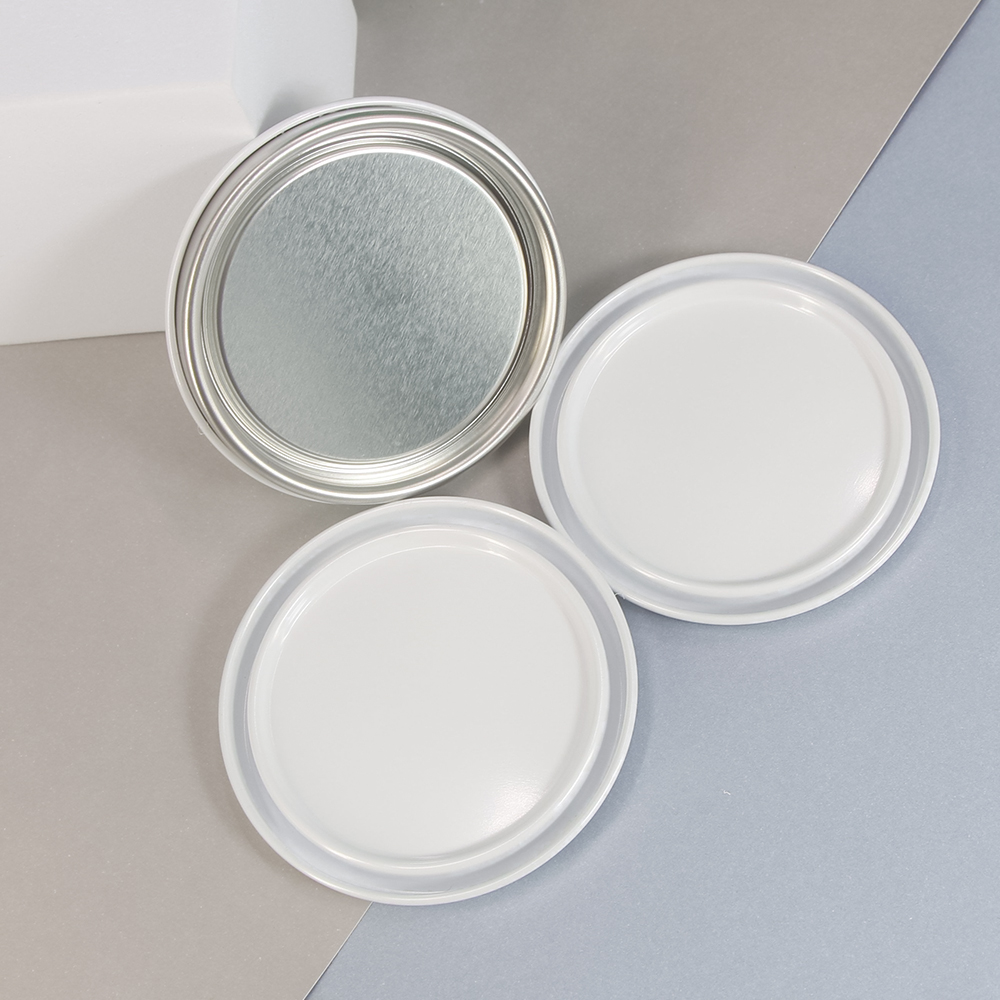
24mm食品用プラスチック注ぎ口キャップ

Neck size is a key engineering parameter in edible oil packaging. Small dimensional differences can affect sealing stability and production performance.

Standard Neck Sizes in Oil Tin Industry

Most edible oil tins follow a limited set of standardized neck dimensions. These standards allow cap systems to maintain compatibility across different production lines and export markets.

Common sizes include:

  • 24mm neck finish: Common for small-capacity oil tins
  • 32mm neck finish: Standard size for mid-range edible oil packaging
  • 42mm neck finish: Used for large-volume or industrial oil tins

These standard sizes help manufacturers reduce tooling variation and maintain stable supply chain production.

Why Neck Compatibility Determines Sealing Performance

A precise match between cap and tin neck directly controls sealing quality. Even small dimensional deviation can disrupt torque balance and reduce sealing reliability.

Key issues caused by mismatch include:

  • Seal pressure failure: Inconsistent compression leads to leakage risk
  • Torque instability: Over-tightening or under-tightening affects closure performance
  • Poor fitment alignment: Misalignment increases long-term loosening during transport

実際に, proper compatibility ensures stable sealing performance across mass production and export conditions.

Impact on Filling Line and Mass Production

Standardized neck systems directly improve automation efficiency in filling and capping lines. They reduce adjustment time and support stable high-speed production.

Main benefits include:

  • Line compatibility: Smooth integration with automated filling equipment
  • Reduced downtime: Fewer machine adjustments during production shifts
  • Batch consistency: Stable sealing performance across large-scale output

For exporters, standardized neck systems help maintain predictable production performance and reduce operational risk. aesthetic that communicates quality before the tin is even opened.

Branding, Color and Surface Customization Options

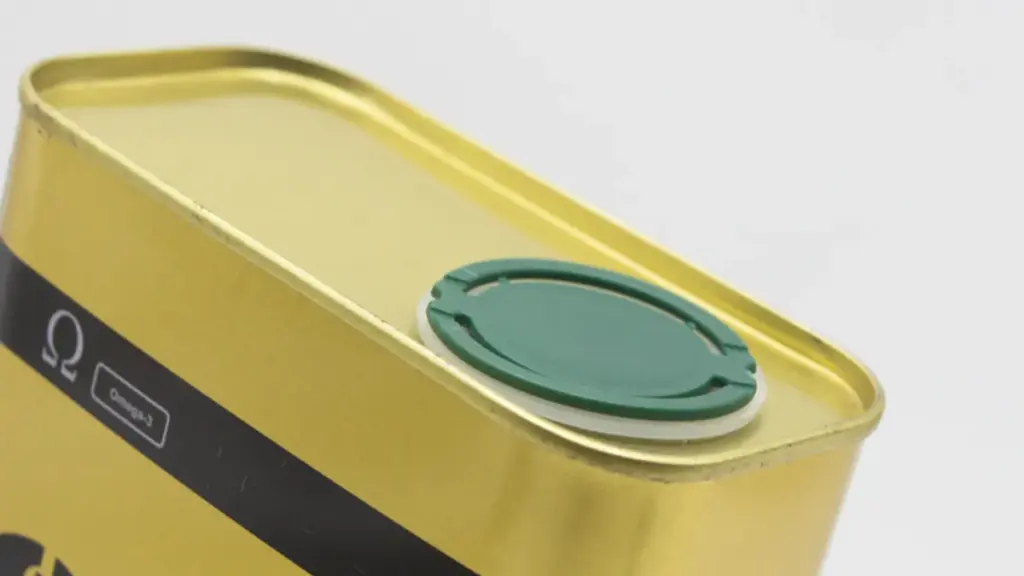
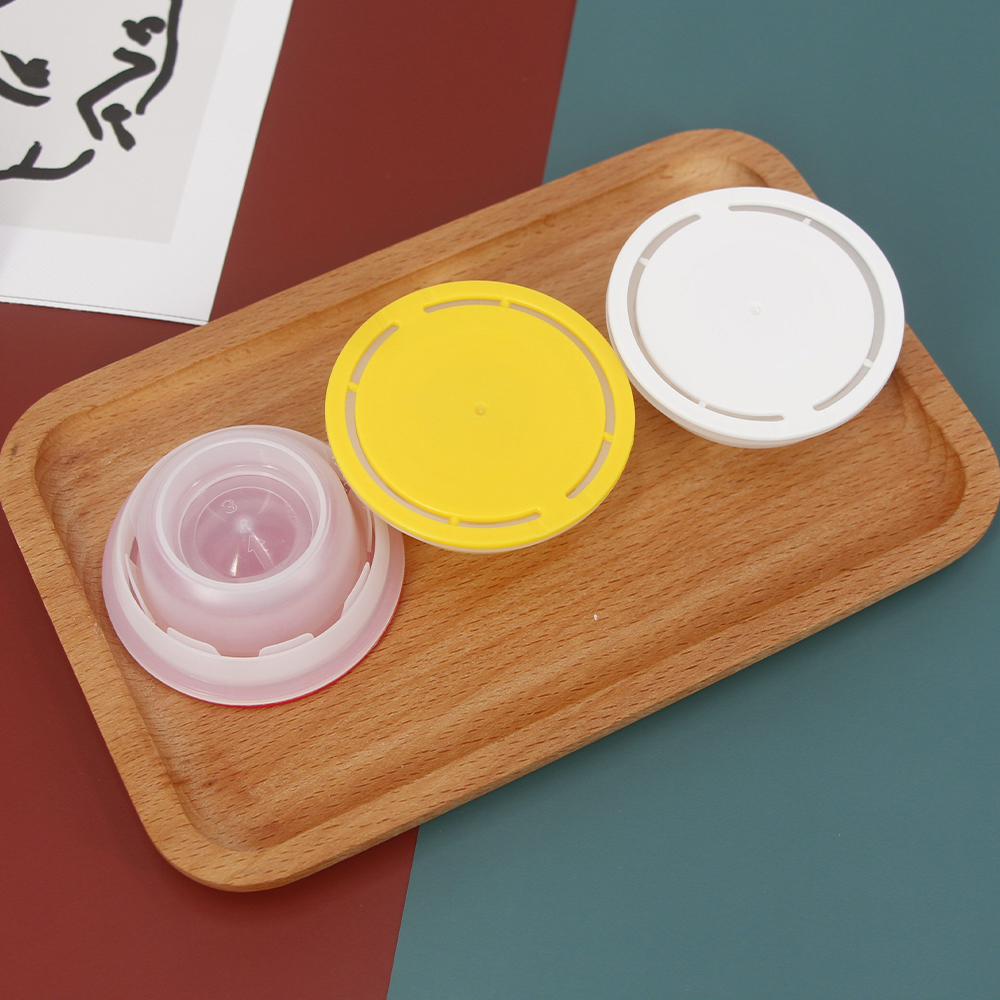
32mmのプラスチック注ぎ口キャップ

Spout caps are not only functional components but also part of the visual identity of a product. In retail environments, they directly influence how consumers recognize and differentiate products on the shelf.

Cap Color Strategy for Product Positioning

Cap color plays an important role in product differentiation and brand recognition in retail environments. In many retail channels, consumers often identify edible oil categories through packaging color before reading detailed product information. 結果として, consistent color usage helps strengthen shelf recognition and maintain visual consistency across different markets.

例えば, olive green is commonly associated with olive oil products, while yellow is widely used for blended cooking oils. その間, red is often applied to specialty or flavored oils to create stronger visual contrast, and black is frequently used in premium product lines to communicate a more refined and high-end image. 一緒に, these visual cues improve shelf visibility and support stronger brand positioning in competitive retail environments.

Surface Finish Options and Brand Perception

Surface finish directly influences how customers perceive product quality and positioning. Different finishes create different psychological impressions in retail environments.

  • Matte finish: Creates a stable, 工業用, and professional appearance
  • Glossy finish: Enhances brightness and supports a more premium look
  • Metallic finish: Positions the product in a high-end or luxury segment

Finish selection works together with color to define overall packaging perception and brand tone.

Logo Integration Methods for Spout Caps

Logo integration is not only a visual element—it also affects tooling complexity, production cost, and long-term branding consistency. Different methods serve different manufacturing and branding needs.

Method Technical Approach Key Advantage Best Application
Embossed Logo Raised surface design on cap body Strong tactile visibility and brand presence Premium retail packaging
Debossed Logo Recessed engraving into mold Clean, subtle, and cost-stable solution Mass-market edible oil packaging
Molded Logo Integrated directly during injection molding Permanent branding with high durability Long-term export packaging systems
Laser Marking Post-processing laser engraving High precision for codes and traceability Traceable or compliance-driven packaging

Engineering Validation, Hybrid Design and Supplier Selection

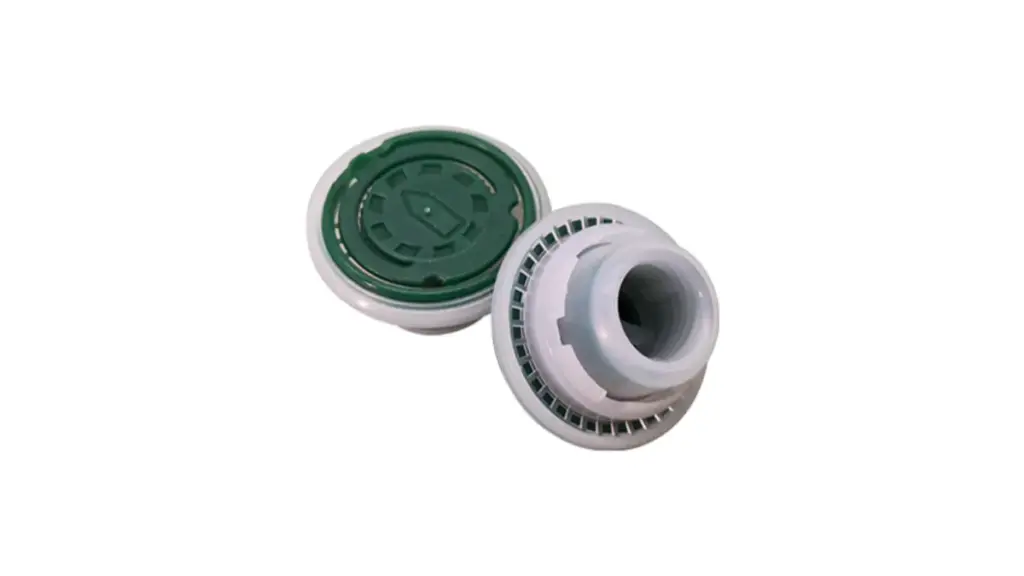
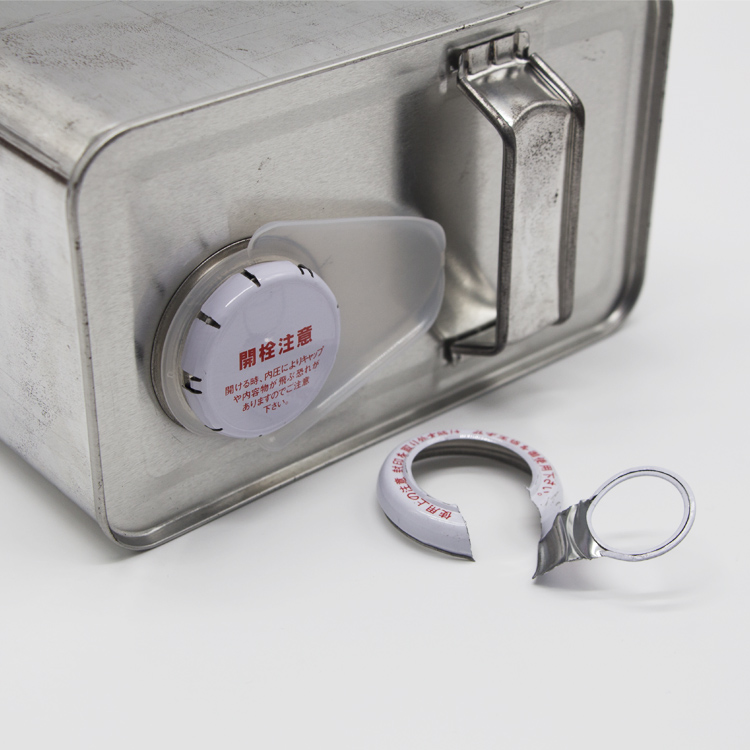
石油缶の注ぎ口キャップの漏れを防ぐ方法

This stage ensures system reliability in production, 輸送, and long-term use. It combines testing, structural design, and supplier evaluation.

Leak-Proof and Performance Testing Methods

Engineering validation ensures packaging stability before mass production begins. It helps identify sealing, structural, and transport risks at an early stage and reduces failure rates in export supply chains.

Common testing methods include:

  • Vacuum decay testing: Detects micro-leaks that may lead to oxidation or product leakage
  • Pressure testing: Evaluates structural resistance under internal stress conditions
  • Altitude simulation: Replicates air pressure changes during international transportation
  • Torque testing: Ensures consistent tightening force during high-speed production

These tests help manufacturers control risk and maintain stable packaging performance across large-scale production.

Hybrid Metal-Plastic Spout Solutions

Hybrid spout systems combine metal and plastic components into a single integrated structure. This design improves both protection performance and functional flexibility in edible oil packaging.

Functional structure breakdown:

  • Metal component: Provides strong barrier protection against light and oxygen
  • Plastic component: Enables precise flow control and flexible structural design
  • Integrated system: Balances durability, usability, 生産効率と

This structure ensures stable product protection while supporting advanced dispensing performance.

Typical application scenarios:

  • Premium olive oil packaging
  • Export-grade edible oil products
  • High-viscosity specialty oils requiring controlled pouring

Supplier Selection for Long-Term Production Stability

Supplier selection determines long-term system reliability in edible oil packaging projects. Even a well-designed spout cap can fail if the supplier lacks engineering control or production consistency.

Key evaluation criteria include:

  • Engineering capability: Ability to design and optimize sealing and dispensing systems
  • Material expertise: Experience with food-grade PP, HDPE, and metal-plastic integration
  • Export compliance knowledge: Understanding of EU, FDA, and BRCGS requirements
  • Production stability: Consistent 品質管理 and scalable manufacturing capacity

A reliable supplier ensures stable performance across production batches and supports long-term global supply chain consistency.s functional testing guarantees a positive end-user experience and protects the brand’s reputation for quality from the first pour to the last.

Final Decision Guidance

Selecting the right spout cap for high-end edible oil tins requires a balance between sealing performance, dispensing control, material compliance, and long-term production stability. Each design decision directly affects product safety, ユーザーエクスペリエンス, and brand consistency across different markets.

In real manufacturing projects, a reliable packaging system depends on both engineering precision and structured development support. 紹介された works with brands on custom spout cap solutions, covering material selection, structural design, and testing to ensure stable performance in edible oil packaging applications.

よくある質問

Which materials are commonly used for edible oil spout caps?

Food-grade spout caps are typically manufactured using PP (ポリプロピレン) およびHDPE (high-density polyethylene), which provide strong chemical resistance, stability, and durability for edible oil applications. In premium packaging systems, these materials are often used alongside tin-plated steel cans to ensure overall barrier protection and product stability.

What type of spout cap is best for premium olive oil tins?

For premium olive oil tins, pull-push spouts and tamper-evident snap-on caps are commonly preferred due to their combination of controlled dispensing, anti-drip performance, and product security. These designs help maintain oil quality while improving user experience and reinforcing brand credibility.

Are pull-push spouts suitable for automated filling lines?

はい. Many pull-push spout systems are designed to work with automated filling and capping equipment. しかし, sealing torque, neck tolerance, and production line speed should still be tested to ensure stable performance in high-speed manufacturing environments.

What packaging features improve consumer experience for premium edible oils?

Key features include controlled pouring, anti-drip performance, smooth flow regulation, and reliable re-closure. These elements reduce waste and improve usability, while also enhancing the perceived quality of premium edible oil products.

Are food-contact certifications enough to guarantee packaging reliability?

いいえ. Food-contact certifications ensure regulatory compliance, but they do not guarantee sealing performance or transport durability. Additional testing and production validation are required to ensure long-term reliability in real-world applications.

美術

フーテンパッケージングの創設者

私はアートです, フーテンの創始者, オーバーで 18 国際貿易および産業用包装における長年の経験. 当社は輸出会社2社とともに自社の製造施設を運営しています。, 中東全域の顧客にサービスを提供, ヨーロッパ, 北米, そして東南アジア. 私は世界中のバイヤーが信頼できるプラスチックキャップを調達できるよう支援することに重点を置いています, 金属製クロージャー, 安定した品質と効率的なリードタイムを実現するスパウトキャップ. 長年にわたって, 私たちはアクゾノーベルのような企業と長期的なパートナーシップを築いてきました。, サウジCANとヨルダンCANも同様.

私はプロフェッショナリズムを通じて長期的な関係を築くことが大切だと信じています, 正直, そして一貫した納品.

👉 中国の信頼できるキャップメーカーをお探しの場合, 私と私のチームにお気軽にご連絡ください.

連絡する

人気のブログ

It seems we can't find what you're looking for.

見積もりを依頼する

*あなたの情報はすべて尊重されます & AIMUバイオテクノロジーで保護されています.