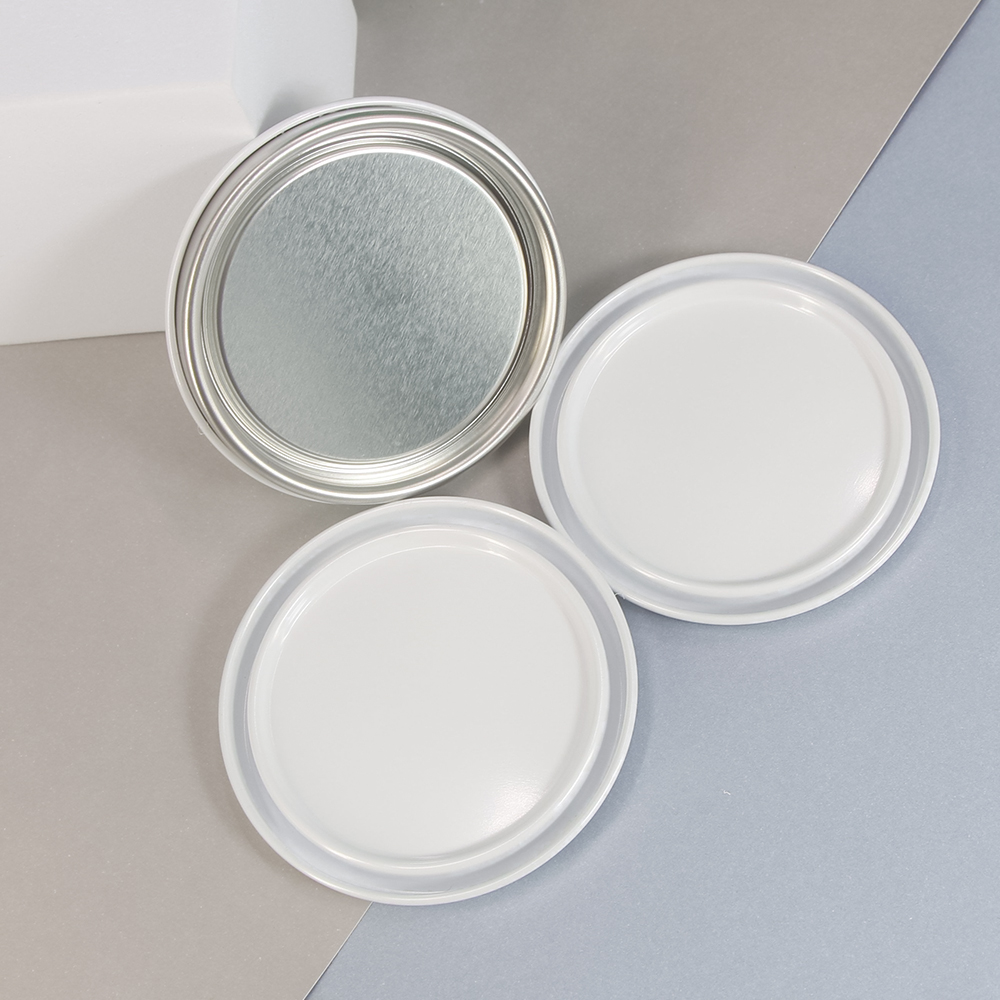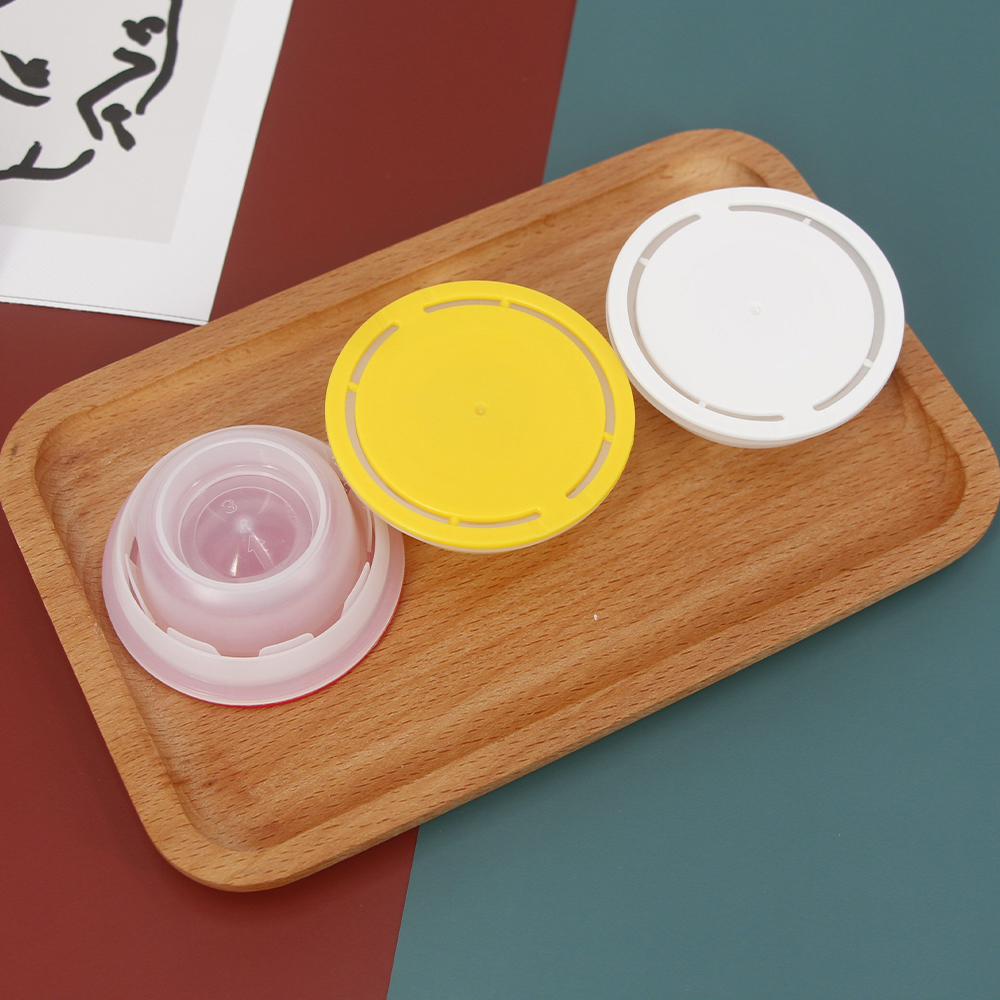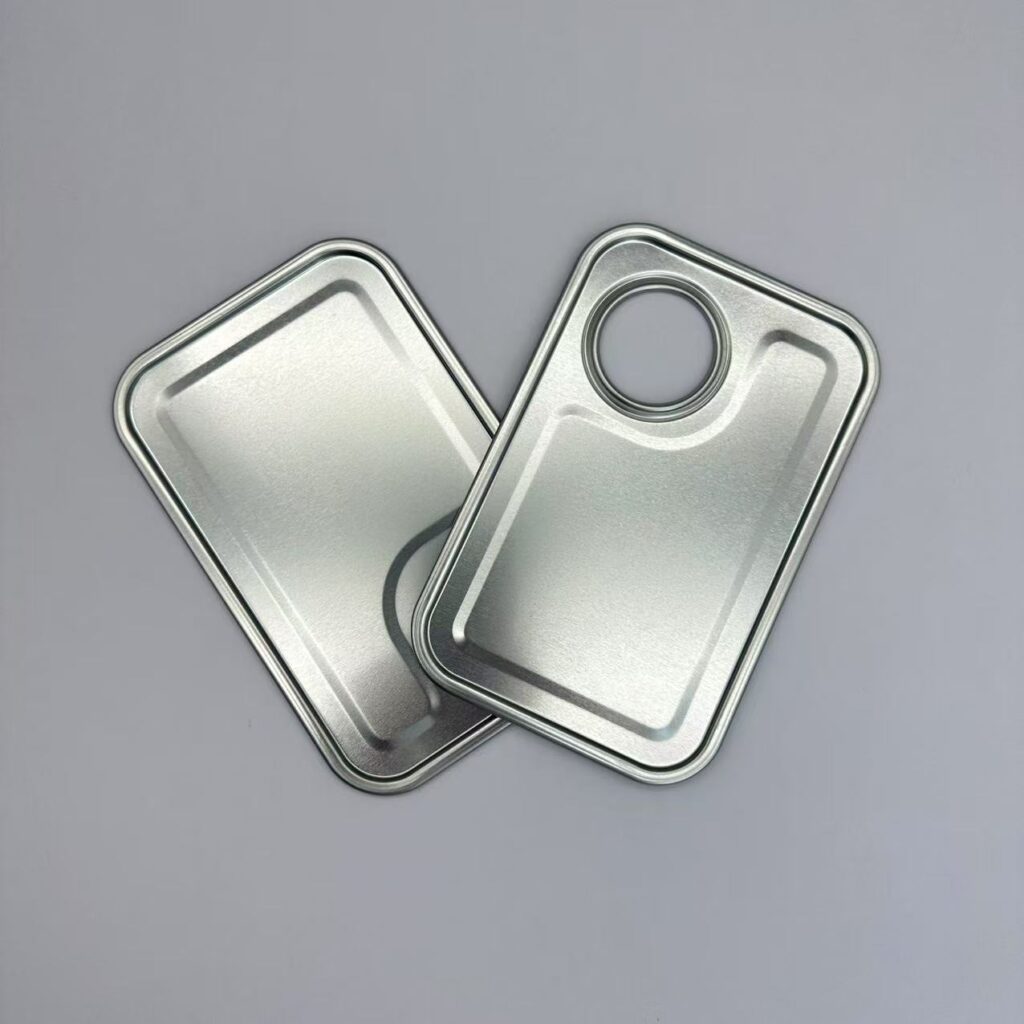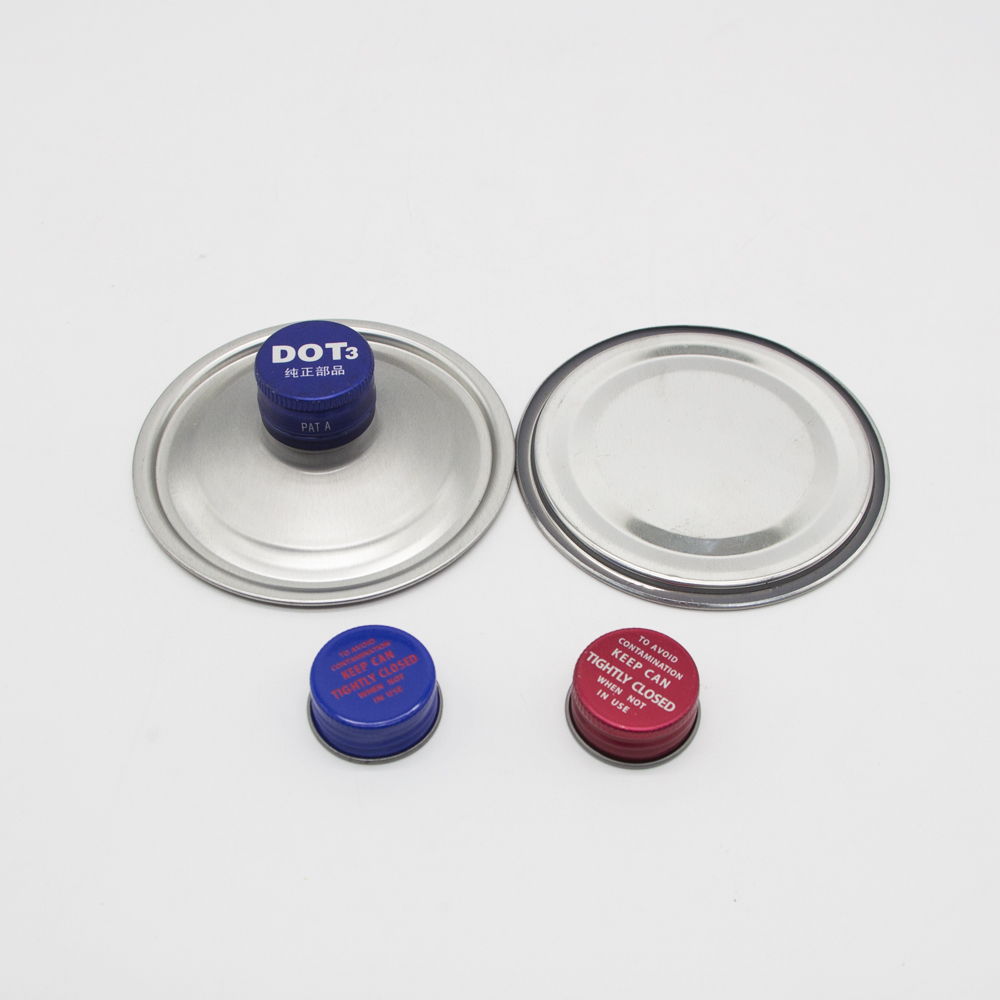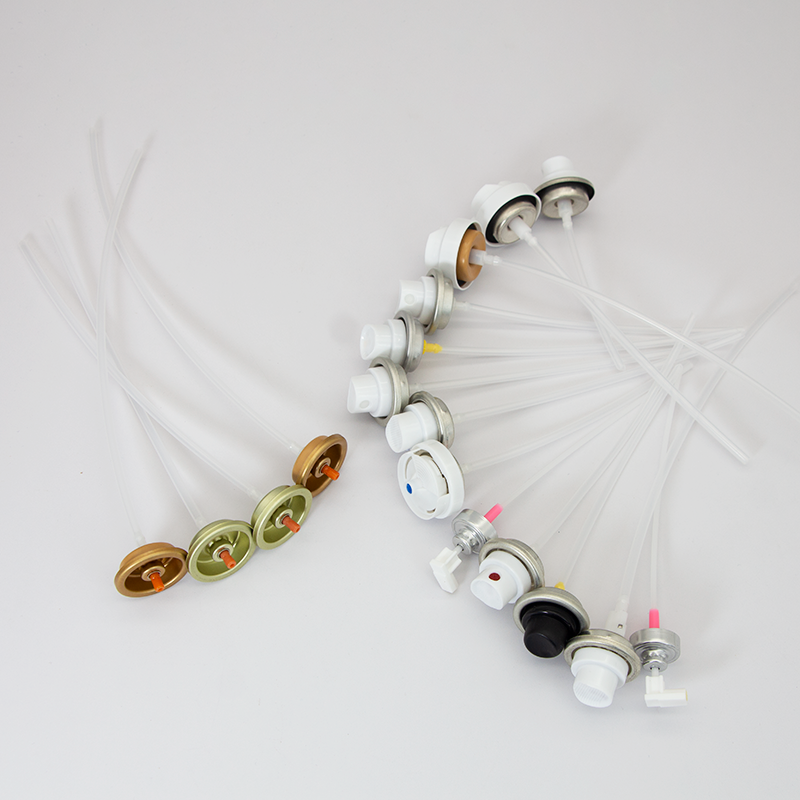
La scelta del tappo del beccuccio giusto per i barattoli di olio commestibile influisce direttamente sulla sicurezza del prodotto, esperienza dell'utente, e l’andamento delle esportazioni. Per gli acquirenti B2B nei mercati petroliferi premium, piccole differenze nella progettazione della tenuta o dell'erogazione possono comportare rischi di perdite, problemi di trasporto, e performance incoerenti del marchio nelle varie regioni.
Questo articolo spiega le diverse strutture dei tappi del beccuccio, materiali, e le progettazioni ingegneristiche vengono eseguite in applicazioni industriali reali. Fornisce inoltre un quadro decisionale per selezionare la soluzione giusta per lattine di olio da 1–5 litri, concentrandosi sull'affidabilità della tenuta, conformità, compatibilità produttiva, e stabilità dell’offerta a lungo termine.
Perché i tappi per beccucci sono importanti per il confezionamento di olio commestibile
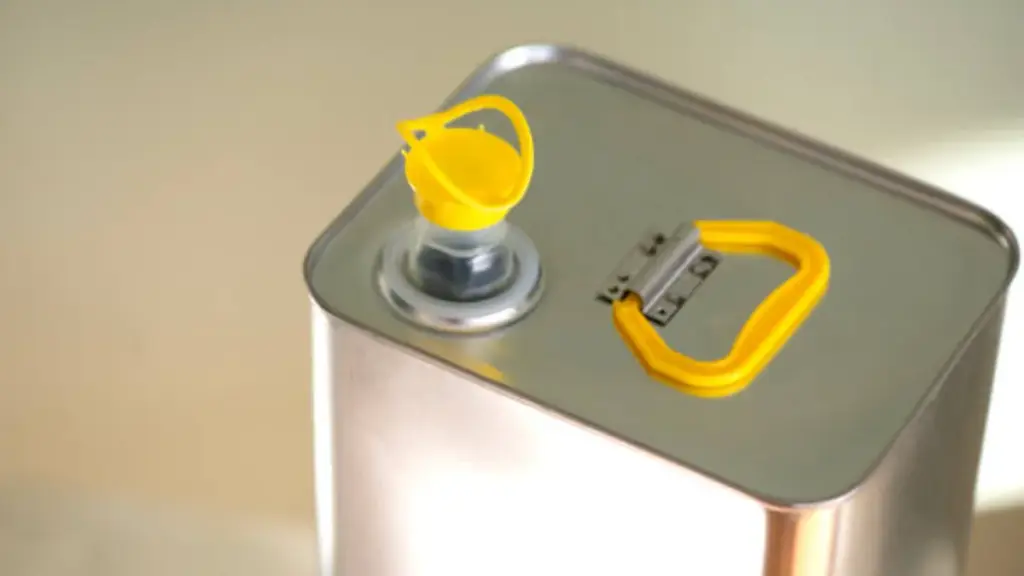
I tappi dei beccucci sono una parte fondamentale dei sistemi di confezionamento dell'olio commestibile. Influenzano il modo in cui l'olio viene sigillato, protetto, ed erogato durante tutto il ciclo di vita del prodotto. Per i marchi premium, il cappuccio influisce direttamente sull'esperienza dell'utente durante l'uso quotidiano.
Un tappo ben progettato aiuta a proteggere la qualità dell'olio dalla produzione all'uso finale. Riduce inoltre il rischio di perdite durante il trasporto e supporta una presentazione stabile del marchio negli ambienti di vendita al dettaglio.
Ruolo dei tappi per beccucci nei sistemi di confezionamento dell'olio
Tappi per beccucci collaborare con lattine per formare un sistema di imballaggio completo. Gestiscono la sigillatura, erogazione, e funzioni di richiusura durante l'uso quotidiano.
Nella maggior parte dei sistemi di stagno dell'olio, i tappi per beccucci svolgono tre funzioni principali:
- Chiusura ermetica: Mantiene l'olio protetto dall'esposizione all'aria prima del primo utilizzo
- Controllo del flusso: Regola l'erogazione dell'olio durante il travaso
- Supporto per la richiusura: Mantiene l'usabilità dopo l'apertura
Rischi di una scarsa progettazione del tetto nei mercati di esportazione
Gli imballaggi per l'esportazione devono resistere al trasporto a lunga distanza, variazioni di pressione, e stress da impilamento. Un design con cap debole aumenta il rischio di fallimento lungo tutta la catena di fornitura.
Le scarse prestazioni del cap spesso portano a:
- Perdite durante la spedizione → perdita e contaminazione del prodotto
- Rottura della tenuta sotto pressione → ossidazione e perdita di qualità
- Contaminazione esterna → ridotta sicurezza del prodotto
- Calo della fiducia nel marchio → performance di vendita al dettaglio più deboli
Anche piccoli difetti possono portare a perdite finanziarie significative nel commercio internazionale.
Perché i marchi di olio premium richiedono standard di imballaggio più elevati
I marchi premium di olio commestibile competono non solo sulla qualità del prodotto ma anche sull’esperienza del confezionamento. Un tappo stabile del beccuccio garantisce prestazioni costanti in tutti i mercati e supporta un comportamento di versamento controllato.
I requisiti di imballaggio di fascia alta in genere si concentrano su:
- Prestazioni di tenuta costanti: Qualità stabile tra i lotti di produzione
- Comportamento di erogazione controllato: Versamento pulito senza sprechi o gocciolamenti
- Forte identità sullo scaffale: Chiara differenziazione visiva negli ambienti di vendita al dettaglio
Opzioni della struttura del tappo del beccuccio e differenze di prestazioni

I sistemi di tappi per beccucci per barattoli di olio alimentare rientrano in diverse categorie strutturali in base al metodo di chiusura, controllo dell'erogazione, e usabilità. Ciascuna struttura risponde ad una specifica esigenza di imballaggio, dalla sigillatura di base all'erogazione controllata.
Chiusure a vite per sistemi di tenuta di base
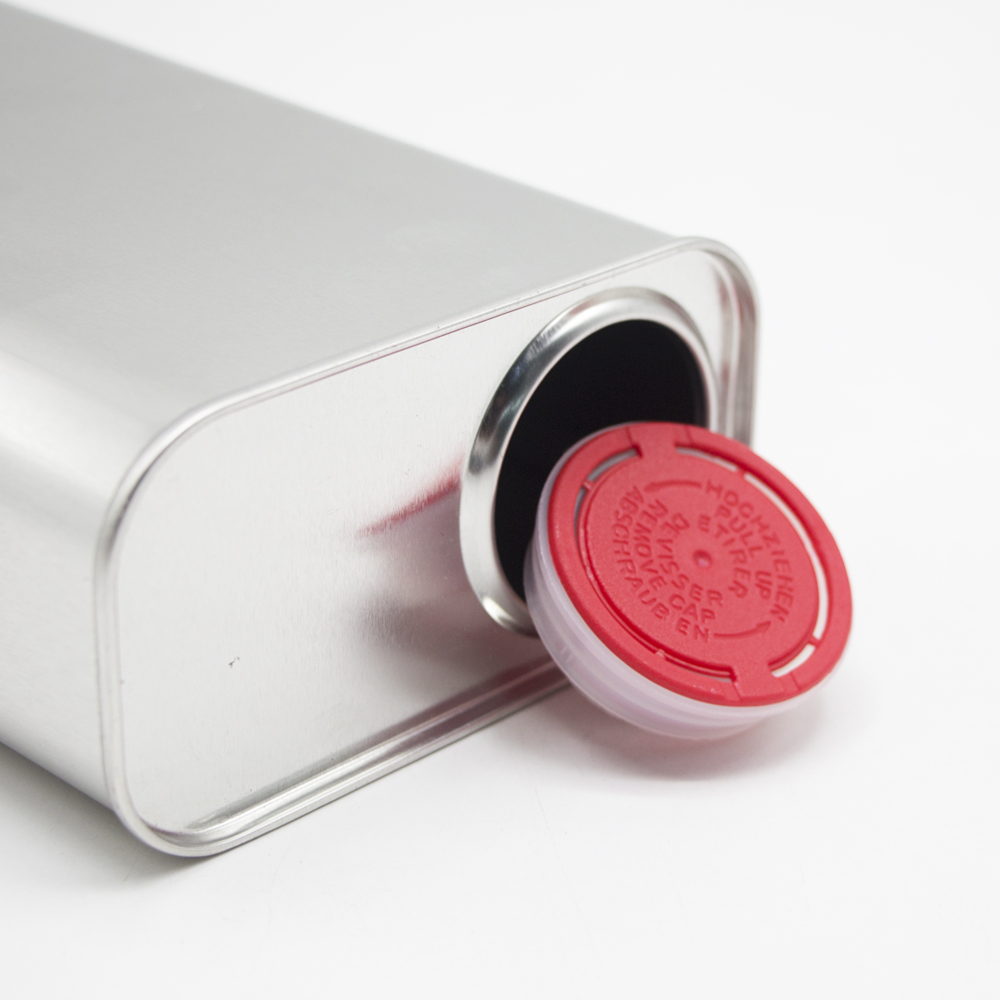
Le chiusure a vite sono una soluzione di sigillatura tradizionale negli imballaggi di olio commestibile. Usano l'impegno filettato tra il cappuccio e il collo di stagno per creare una chiusura riutilizzabile.
Caratteristiche chiave:
- Sigillatura riutilizzabile: Supporta più cicli di apertura e chiusura
- Struttura semplice: Facile da produrre su larga scala con un controllo stabile dei costi
- Requisito di sicurezza fondamentale: Necessita di ulteriori componenti anti-manomissione per la protezione
Inserimento a pressione (A scatto) Tappi per la sicurezza antimanomissione
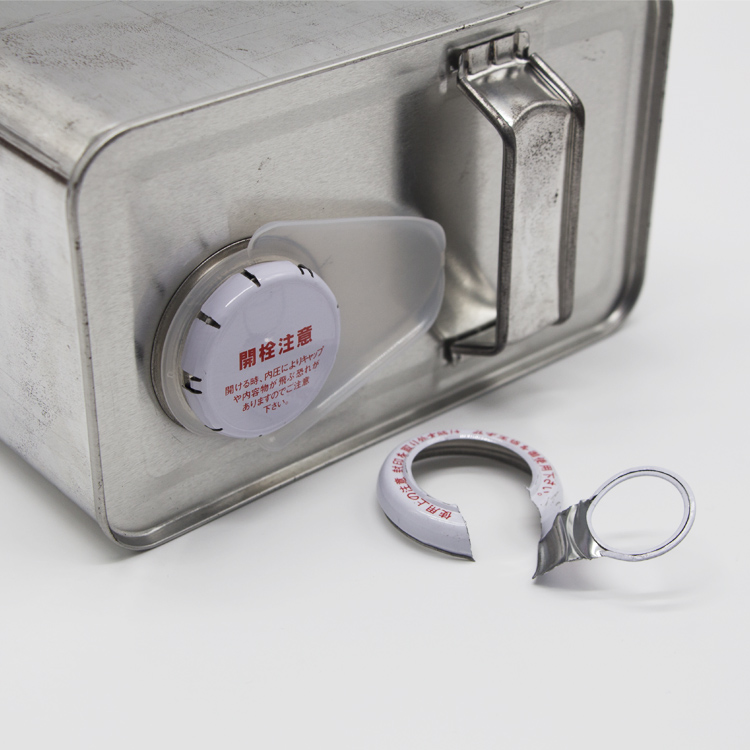
I tappi a pressione si concentrano sulla protezione del prodotto al primo utilizzo. Spesso includono sigilli fragili che indicano se il contenitore è stato aperto.
Caratteristiche chiave:
- Visibilità antimanomissione: Il sigillo fragile mostra chiare prove di apertura
- Protezione pre-uso: Forte barriera contro la contaminazione prima dell'apertura
- Efficienza produttiva: Adatto per la produzione di grandi volumi
Beccucci pull-push per prestazioni di erogazione controllate
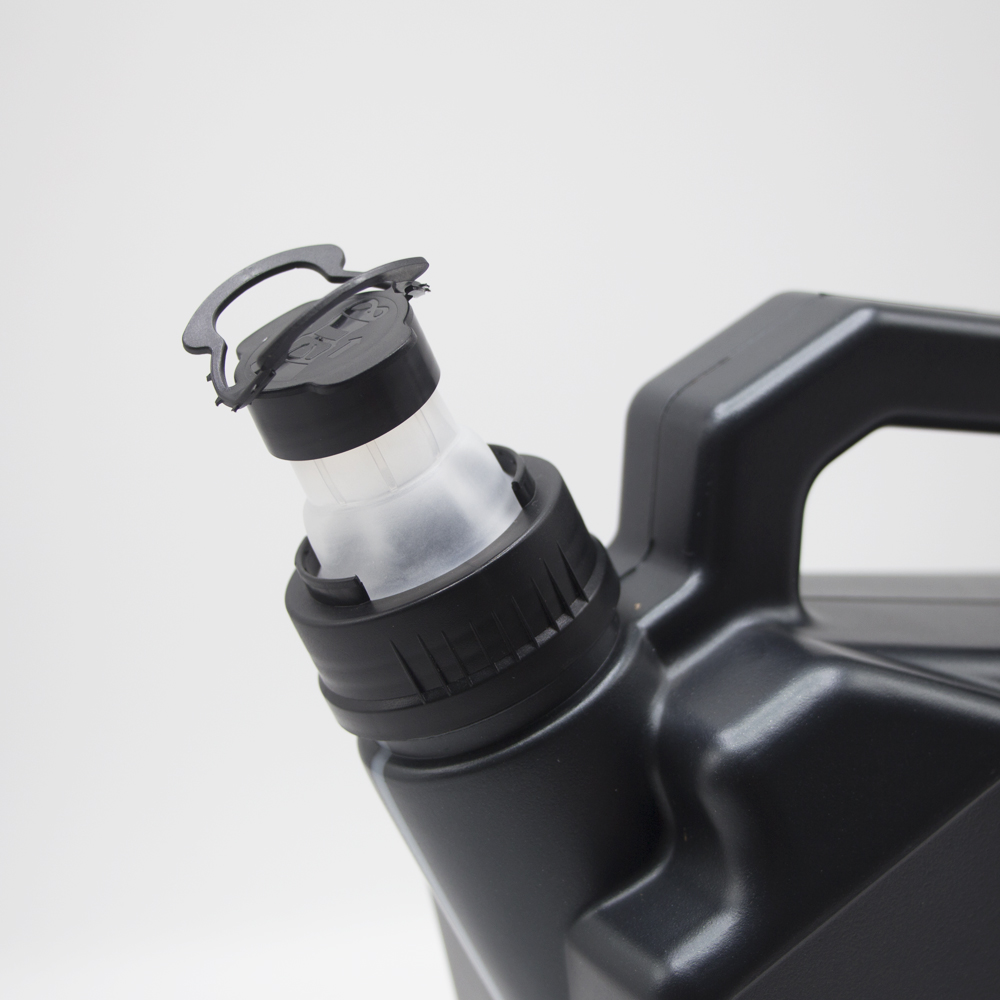
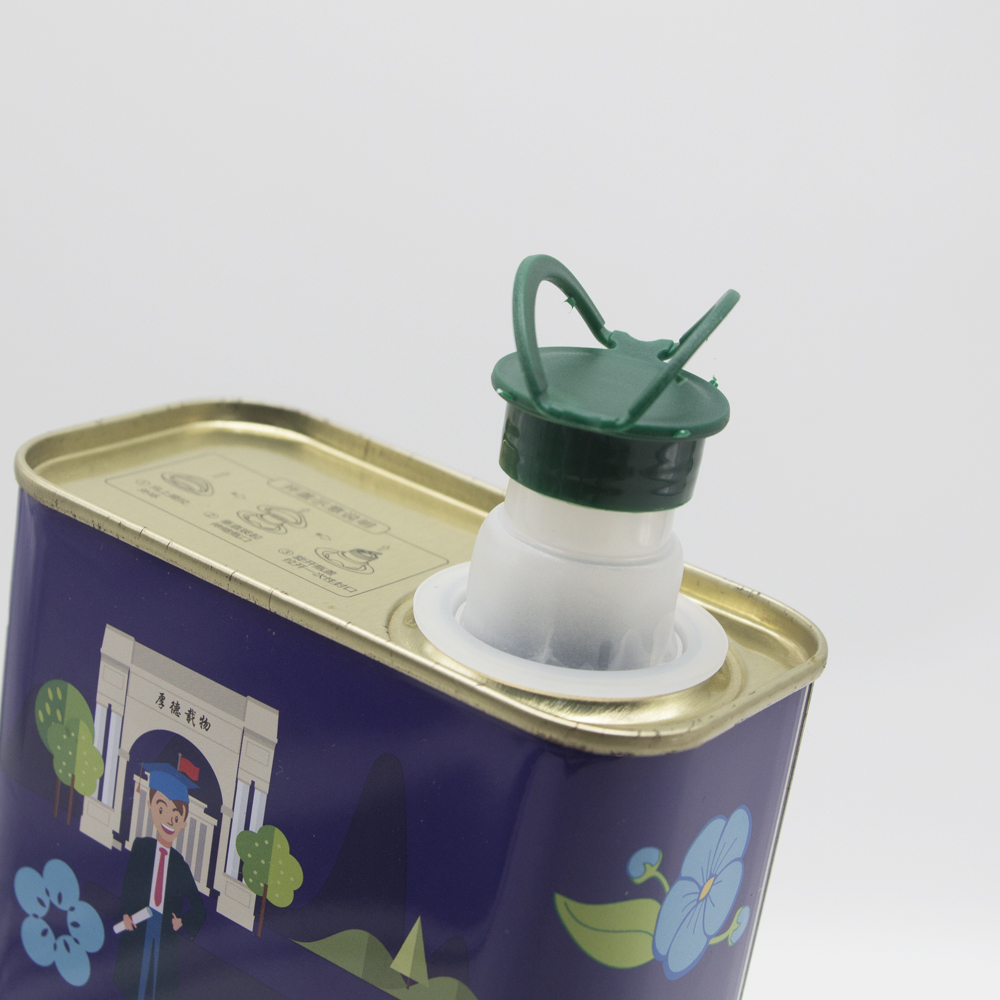
I beccucci pull-push migliorano l'esperienza dell'utente attraverso un flusso controllato e perdite ridotte. Sono comunemente usati negli imballaggi di olio commestibile di alta qualità.
Caratteristiche chiave:
- Regolazione del flusso: Controlla l'uscita dell'olio per un versamento preciso
- Design antigoccia: Riduce il disordine durante e dopo l'uso
- Erogazione fluida: Migliora l'esperienza utente quotidiana
Confronto funzionale e logica di selezione
La scelta del tappo del beccuccio dipende dalle reali priorità dell'applicazione, ad esempio l'affidabilità della tenuta, controllo dell'erogazione, ed efficienza dei costi.
| Tipo di cappuccio | Forza fondamentale | Limitazione principale | Miglior caso d'uso |
|---|---|---|---|
| Avvitabile | Sigillatura riutilizzabile | Controllo dell'erogazione limitato | Confezione di olio standard |
| Inserimento a pressione | Prova di manomissione | Nessun controllo del flusso | Focus sulla sicurezza delle esportazioni e della vendita al dettaglio |
| Tirare-spingere | Controllo del flusso + esperienza dell'utente | Costi e complessità più elevati | Oli commestibili di prima qualità |
Dal punto di vista decisionale, ogni sistema si allinea con una priorità diversa:
- Priorità di sicurezza → Press-Fit
- Priorità dell'esperienza utente → Pull-Push
- Priorità all'efficienza dei costi → Screw-On
Questa classificazione aiuta i marchi ad abbinare il design del packaging ai reali requisiti operativi evitando inutili complessità del sistema.
Tappi di precisione che garantiscono zero perdite
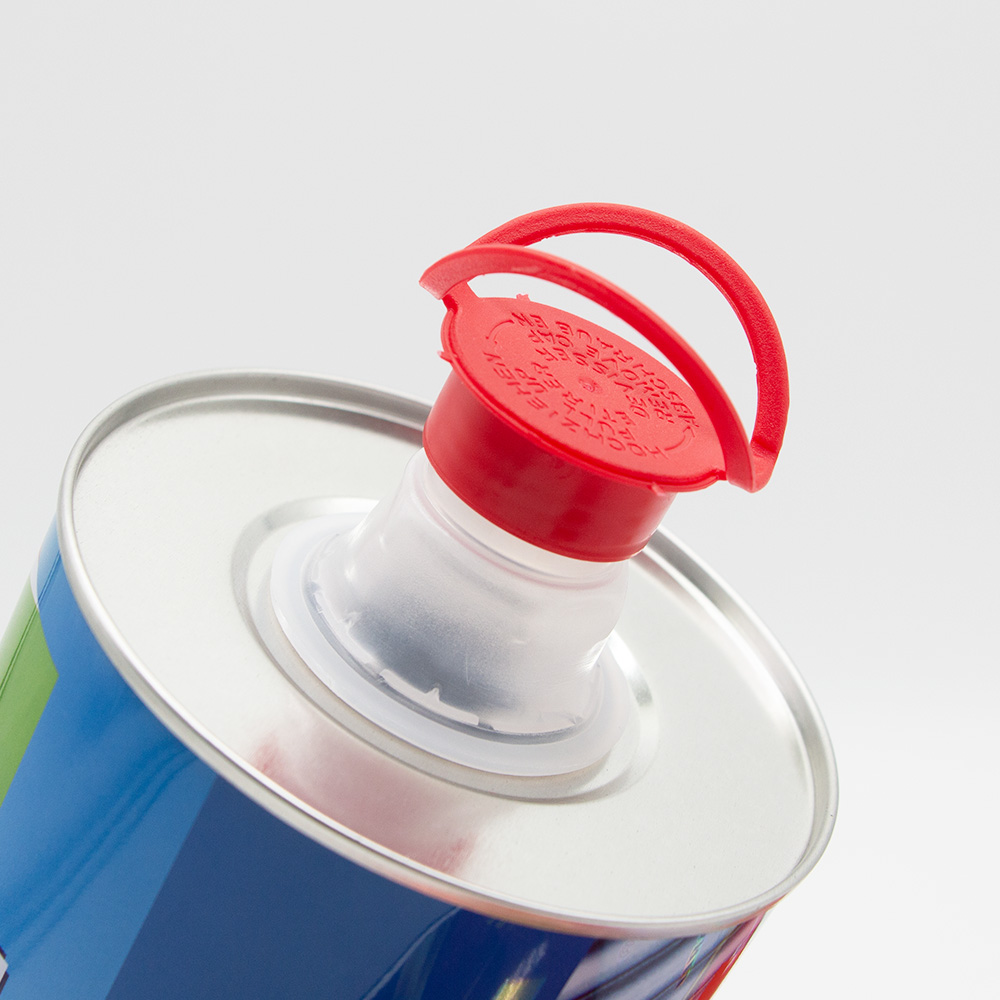
Materiali per uso alimentare e standard di conformità globali
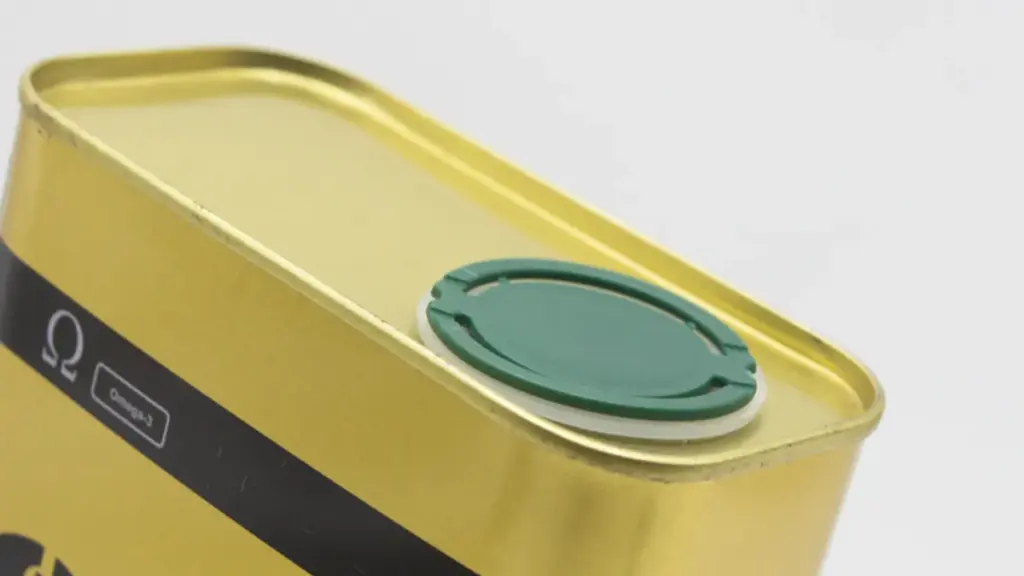
Imballaggio per alimenti per le lattine di olio commestibile devono soddisfare i requisiti di sicurezza e di esportazione. La selezione dei materiali definisce le prestazioni fisiche, mentre la conformità determina l’accesso al mercato.
Materiali per uso alimentare per sistemi di confezionamento dell'olio
La scelta dei materiali definisce le prestazioni strutturali dei sistemi di tappi a beccuccio. Ciascun materiale supporta diversi requisiti funzionali.
I materiali comuni includono:
- PP (Polipropilene): Fornisce una forte resistenza chimica e prestazioni di stampaggio stabili per i componenti dei tappi
- HDPE (Polietilene ad alta densità): Offre resistenza agli urti e flessibilità per chiusure e parti di erogazione
- Acciaio stagnato: Crea una barriera completa contro la luce e l'ossigeno nei barattoli di olio
- ANIMALE DOMESTICO (opzionale): Utilizzato in imballaggi trasparenti dove è richiesta visibilità del prodotto
Ogni materiale contribuisce a mantenere la stabilità dell'imballaggio durante lo stoccaggio, trasporto, e uso a lungo termine.
Requisiti di conformità globali per i mercati di esportazione
| Organismo di regolamentazione / Standard | Requisito chiave | Impatto dell'imballaggio |
|---|---|---|
| Unione Europea 1935/2004 | OML ≤ 10 mg/dm² | È richiesto il test di migrazione |
| FDA 21 CFR | Conformità FCS | Approvazione dei materiali per il contatto alimentare |
| BRCGS | Certificazione di sicurezza degli imballaggi | Richiesto dai principali rivenditori |
La conformità garantisce che i sistemi di imballaggio soddisfino i requisiti legali e di sicurezza nelle diverse regioni di esportazione. Questi standard non sono opzionali: determinano direttamente l’accesso al mercato e l’accettazione del prodotto.
Impatto del materiale sulla durata di conservazione e sulla stabilità del prodotto
La selezione del materiale influisce direttamente sulla stabilità dell'olio durante lo stoccaggio e il trasporto. Le scarse prestazioni del materiale aumentano il rischio di ossidazione e riducono la qualità del prodotto nel tempo.
I sistemi di materiali ad alte prestazioni forniscono:
- Resistenza all'ossigeno e alla luce: Protegge l'olio dall'ossidazione e dalla degradazione del sapore
- Stabilità chimica: Mantiene il contatto sicuro con l'olio commestibile per lunghi periodi di conservazione
- Durabilità strutturale: Riduce il rischio di deformazione durante il trasporto e l'impilamento
Al contrario, materiali di qualità inferiore possono ridurre la durata di conservazione, aumentare il rischio di perdite, e influenzano negativamente il gusto e l'aroma, soprattutto nelle catene di approvvigionamento di esportazione a lunga distanza.
Dimensioni del collo, Montaggio e compatibilità per lattine da 1–5 litri
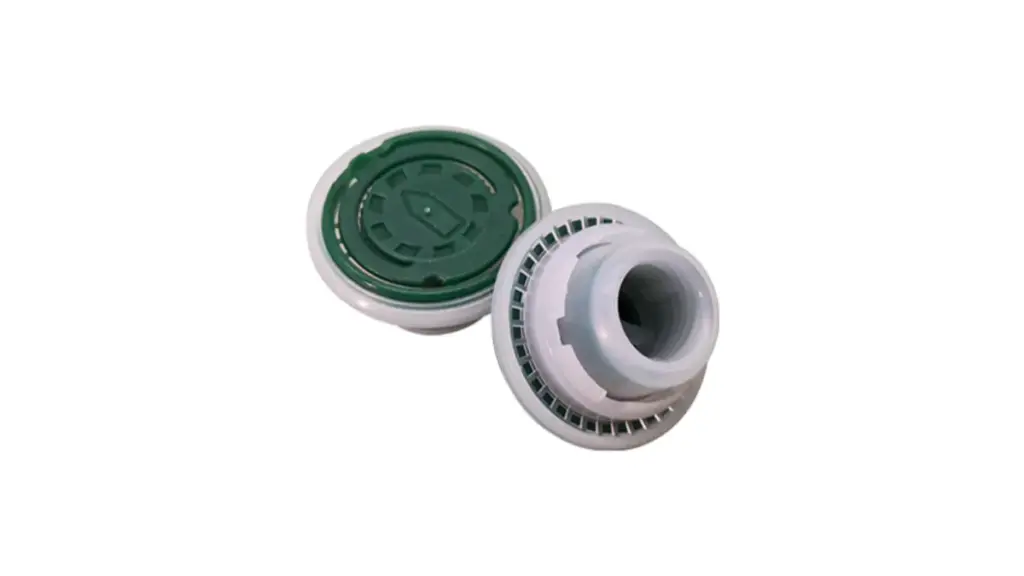
La dimensione del collo è un parametro ingegneristico chiave nel confezionamento di olio commestibile. Piccole differenze dimensionali possono influenzare la stabilità della tenuta e le prestazioni di produzione.
Dimensioni del collo standard nell'industria dello stagno petrolifero
La maggior parte dei barattoli di olio commestibile seguono una serie limitata di dimensioni del collo standardizzate. Questi standard consentono ai sistemi di tappi di mantenere la compatibilità tra diverse linee di produzione e mercati di esportazione.
Le dimensioni comuni includono:
- 24Finitura collo mm: Comune per barattoli di olio di piccola capacità
- 32Finitura collo mm: Formato standard per imballaggi di olio commestibile di fascia media
- 42Finitura collo mm: Utilizzato per lattine di olio industriale o di grandi volumi
Queste dimensioni standard aiutano i produttori a ridurre la variazione degli utensili e a mantenere stabile la produzione della catena di fornitura.
Perché la compatibilità del collo determina le prestazioni di tenuta
Una corrispondenza precisa tra tappo e collo di stagno controlla direttamente la qualità della sigillatura. Anche una piccola deviazione dimensionale può alterare l'equilibrio della coppia e ridurre l'affidabilità della tenuta.
I problemi principali causati dalla mancata corrispondenza includono:
- Guasto alla pressione della tenuta: Una compressione incoerente comporta il rischio di perdite
- Instabilità di coppia: Un serraggio eccessivo o insufficiente influisce sulle prestazioni di chiusura
- Scarso allineamento del montaggio: Il disallineamento aumenta l’allentamento a lungo termine durante il trasporto
In pratica, la corretta compatibilità garantisce prestazioni di tenuta stabili durante la produzione di massa e le condizioni di esportazione.
Impatto sulla linea di riempimento e sulla produzione di massa
I sistemi di collo standardizzati migliorano direttamente l'efficienza dell'automazione nelle linee di riempimento e tappatura. Riducono i tempi di regolazione e supportano una produzione stabile ad alta velocità.
I principali vantaggi includono:
- Compatibilità di linea: Integrazione agevole con apparecchiature di riempimento automatizzate
- Tempi di fermo ridotti: Meno regolazioni della macchina durante i turni di produzione
- Consistenza del lotto: Prestazioni di tenuta stabili su produzioni su larga scala
Per gli esportatori, I sistemi di collo standardizzati aiutano a mantenere prestazioni di produzione prevedibili e a ridurre il rischio operativo. un'estetica che comunica qualità prima ancora che la latta venga aperta.
Marchio, Opzioni di personalizzazione del colore e della superficie
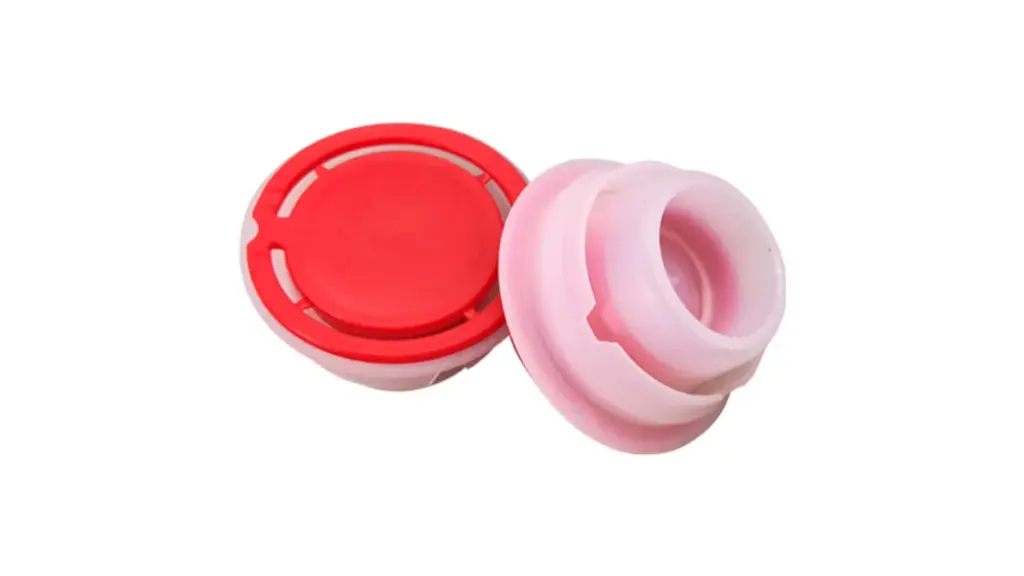
I tappi per beccucci non sono solo componenti funzionali ma fanno anche parte dell'identità visiva di un prodotto. Negli ambienti di vendita al dettaglio, influenzano direttamente il modo in cui i consumatori riconoscono e differenziano i prodotti sullo scaffale.
Strategia del colore del cappuccio per il posizionamento del prodotto
Il colore del tappo gioca un ruolo importante nella differenziazione del prodotto e nel riconoscimento del marchio negli ambienti di vendita al dettaglio. In molti canali di vendita al dettaglio, i consumatori spesso identificano le categorie di oli commestibili attraverso il colore della confezione prima di leggere le informazioni dettagliate sul prodotto. Di conseguenza, l'utilizzo coerente del colore aiuta a rafforzare il riconoscimento sugli scaffali e a mantenere la coerenza visiva nei diversi mercati.
Per esempio, il verde oliva è comunemente associato ai prodotti a base di olio d'oliva, mentre il giallo è ampiamente utilizzato per gli oli da cucina miscelati. Nel frattempo, il rosso viene spesso applicato a oli speciali o aromatizzati per creare un contrasto visivo più forte, e il nero è spesso utilizzato nelle linee di prodotti premium per comunicare un'immagine più raffinata e di fascia alta. Insieme, questi segnali visivi migliorano la visibilità sugli scaffali e supportano un posizionamento più forte del marchio negli ambienti di vendita al dettaglio competitivi.
Opzioni di finitura superficiale e percezione del marchio
La finitura superficiale influenza direttamente il modo in cui i clienti percepiscono la qualità e il posizionamento del prodotto. Finiture diverse creano impressioni psicologiche diverse negli ambienti di vendita al dettaglio.
- Finitura opaca: Crea una stalla, industriale, e aspetto professionale
- Finitura lucida: Migliora la luminosità e supporta un aspetto più esclusivo
- Finitura metallica: Posiziona il prodotto in un segmento di fascia alta o di lusso
La selezione della finitura collabora con il colore per definire la percezione complessiva del packaging e il tono del marchio.
Metodi di integrazione del logo per i tappi dei beccucci
L'integrazione del logo non è solo un elemento visivo, ma influisce anche sulla complessità degli strumenti, costo di produzione, e coerenza del marchio a lungo termine. Metodi diversi soddisfano esigenze di produzione e branding diverse.
| Metodo | Approccio tecnico | Vantaggio chiave | Migliore applicazione |
|---|---|---|---|
| Logo in rilievo | Design della superficie rialzata sul corpo del cappuccio | Forte visibilità tattile e presenza del marchio | Confezione di vendita al dettaglio di alta qualità |
| Logo impresso | Incisione ad incasso nello stampo | Pulito, impercettibile, e soluzione economicamente stabile | Imballaggi di olio commestibile per il mercato di massa |
| Logo stampato | Integrato direttamente durante lo stampaggio a iniezione | Marchio permanente con elevata durata | Sistemi di imballaggio per esportazione a lungo termine |
| Marcatura laser | Incisione laser post-elaborazione | Elevata precisione per codici e tracciabilità | Imballaggi tracciabili o conformi alla conformità |
Convalida ingegneristica, Progettazione ibrida e selezione dei fornitori
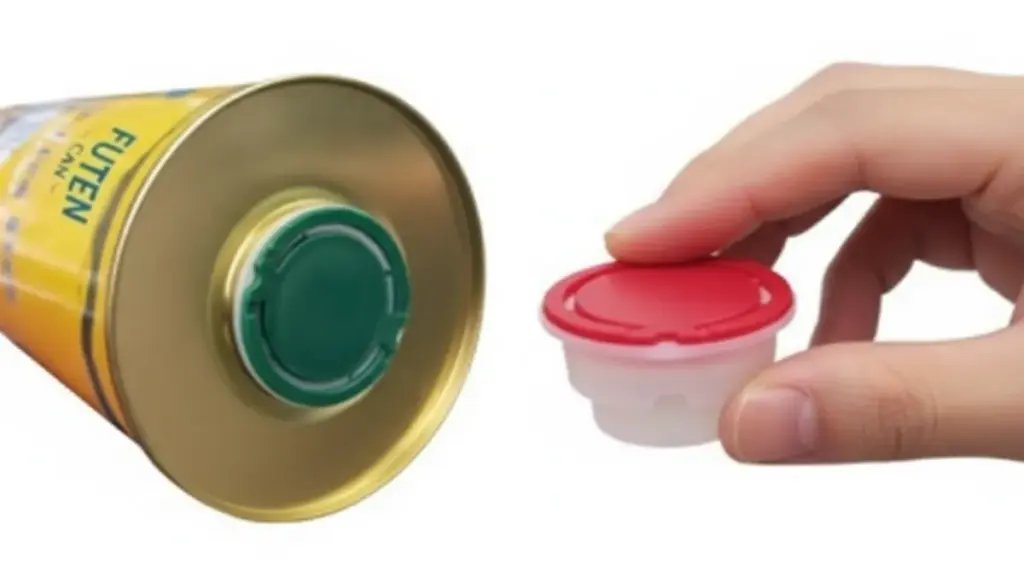
Questa fase garantisce l'affidabilità del sistema in produzione, trasporto, e uso a lungo termine. Combina i test, progettazione strutturale, e valutazione dei fornitori.
Metodi di test a prova di perdite e prestazioni
La convalida ingegneristica garantisce la stabilità dell'imballaggio prima dell'inizio della produzione di massa. Aiuta a identificare la sigillatura, strutturale, e i rischi legati ai trasporti in una fase iniziale e riduce i tassi di fallimento nelle catene di approvvigionamento delle esportazioni.
I metodi di test comuni includono:
- Test di decadimento del vuoto: Rileva microperdite che potrebbero portare all'ossidazione o alla fuoriuscita di prodotto
- Prova di pressione: Valuta la resistenza strutturale in condizioni di stress interno
- Simulazione dell'altitudine: Replica i cambiamenti della pressione atmosferica durante il trasporto internazionale
- Test di coppia: Garantisce una forza di serraggio costante durante la produzione ad alta velocità
Questi test aiutano i produttori a controllare i rischi e a mantenere prestazioni stabili degli imballaggi nella produzione su larga scala.
Soluzioni ibride con beccucci in metallo-plastica
I sistemi di beccucci ibridi combinano componenti metallici e plastici in un'unica struttura integrata. Questo design migliora sia le prestazioni di protezione che la flessibilità funzionale negli imballaggi di olio commestibile.
Decomposizione della struttura funzionale:
- Componente metallico: Fornisce una forte barriera protettiva contro la luce e l'ossigeno
- Componente in plastica: Consente un controllo preciso del flusso e un design strutturale flessibile
- Sistema integrato: Bilancia la durabilità, usabilità, ed efficienza produttiva
Questa struttura garantisce una protezione stabile del prodotto supportando al contempo prestazioni di erogazione avanzate.
Scenari applicativi tipici:
- Confezione di olio d'oliva premium
- Prodotti petroliferi commestibili per l'esportazione
- Oli speciali ad alta viscosità che richiedono un versamento controllato
Selezione dei fornitori per la stabilità della produzione a lungo termine
La selezione dei fornitori determina l'affidabilità del sistema a lungo termine nei progetti di confezionamento di olio commestibile. Anche un tappo per beccuccio ben progettato può fallire se il fornitore non dispone del controllo tecnico o della coerenza della produzione.
I criteri chiave di valutazione includono:
- Capacità ingegneristica: Capacità di progettare e ottimizzare sistemi di sigillatura e dispensazione
- Competenza sui materiali: Esperienza con PP alimentare, HDPE, e integrazione metallo-plastica
- Esportare la conoscenza della conformità: Comprensione dell'UE, FDA, e requisiti BRCGS
- Stabilità della produzione: Coerente controllo di qualità e capacità produttiva scalabile
Un fornitore affidabile garantisce prestazioni stabili tra i lotti di produzione e supporta la coerenza della catena di fornitura globale a lungo termine. I test funzionali garantiscono un'esperienza positiva per l'utente finale e proteggono la reputazione di qualità del marchio dal primo all'ultimo getto.
Guida alla decisione finale
La scelta del tappo del beccuccio giusto per i barattoli di olio commestibile di fascia alta richiede un equilibrio tra le prestazioni di tenuta, controllo dell'erogazione, conformità materiale, e stabilità della produzione a lungo termine. Ogni decisione progettuale influisce direttamente sulla sicurezza del prodotto, esperienza dell'utente, e la coerenza del marchio nei diversi mercati.
In progetti di produzione reali, un sistema di confezionamento affidabile dipende sia dalla precisione ingegneristica che dal supporto strutturato allo sviluppo. FUTEN lavora con marchi su misura soluzioni di tappi per beccucci, riguardante la selezione dei materiali, progettazione strutturale, e test per garantire prestazioni stabili nelle applicazioni di confezionamento di olio commestibile.
Domande frequenti
Quali materiali sono comunemente usati per i tappi dei beccucci per l'olio commestibile?
I tappi per beccucci per uso alimentare sono generalmente realizzati utilizzando PP (polipropilene) e HDPE (polietilene ad alta densità), che forniscono una forte resistenza chimica, stabilità, e durata per applicazioni di olio commestibile. Nei sistemi di imballaggio premium, questi materiali sono spesso utilizzati insieme a lattine in acciaio stagnato per garantire una protezione barriera complessiva e la stabilità del prodotto.
Quale tipo di tappo per beccuccio è il migliore per i barattoli di olio d'oliva premium?
Per lattine di olio d'oliva premium, I beccucci pull-push e i tappi a scatto anti-manomissione sono comunemente preferiti grazie alla loro combinazione di erogazione controllata, prestazione antigoccia, e la sicurezza del prodotto. Questi design aiutano a mantenere la qualità dell'olio migliorando al tempo stesso l'esperienza dell'utente e rafforzando la credibilità del marchio.
Sono beccucci pull-push adatti a linee di riempimento automatizzate?
SÌ. Molti sistemi di beccuccio pull-push sono progettati per funzionare con apparecchiature di riempimento e tappatura automatizzate. Tuttavia, coppia di tenuta, tolleranza al collo, inoltre, la velocità della linea di produzione dovrebbe essere ancora testata per garantire prestazioni stabili in ambienti di produzione ad alta velocità.
Quali caratteristiche dell'imballaggio migliorano l'esperienza del consumatore per gli oli commestibili di alta qualità?
Le caratteristiche principali includono il versamento controllato, prestazione antigoccia, regolare regolazione del flusso, e richiusura affidabile. Questi elementi riducono gli sprechi e migliorano l'usabilità, migliorando al tempo stesso la qualità percepita dei prodotti a base di olio commestibile di alta qualità.
Sono sufficienti le certificazioni per il contatto alimentare per garantire l’affidabilità degli imballaggi?
NO. Le certificazioni per il contatto alimentare garantiscono la conformità normativa, ma non garantiscono le prestazioni di tenuta o la durata nel trasporto. Sono necessari ulteriori test e convalide della produzione per garantire l'affidabilità a lungo termine nelle applicazioni del mondo reale.