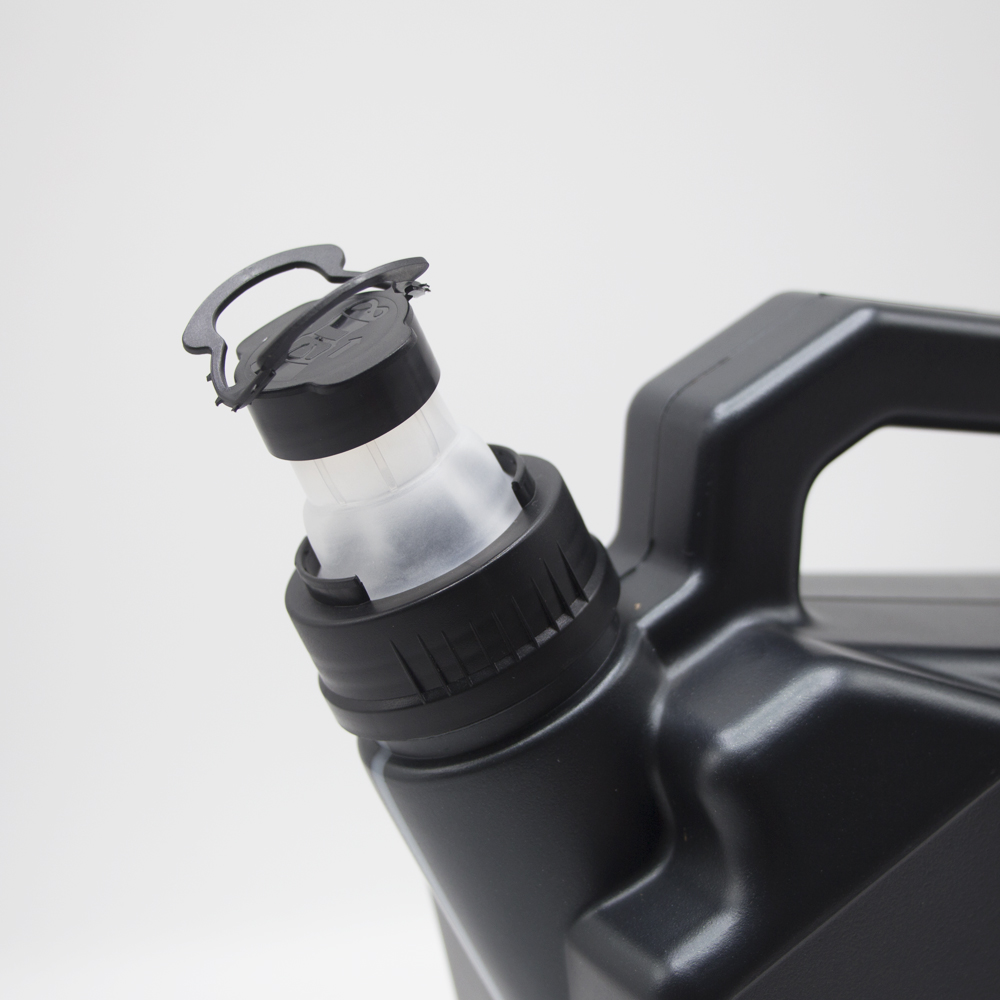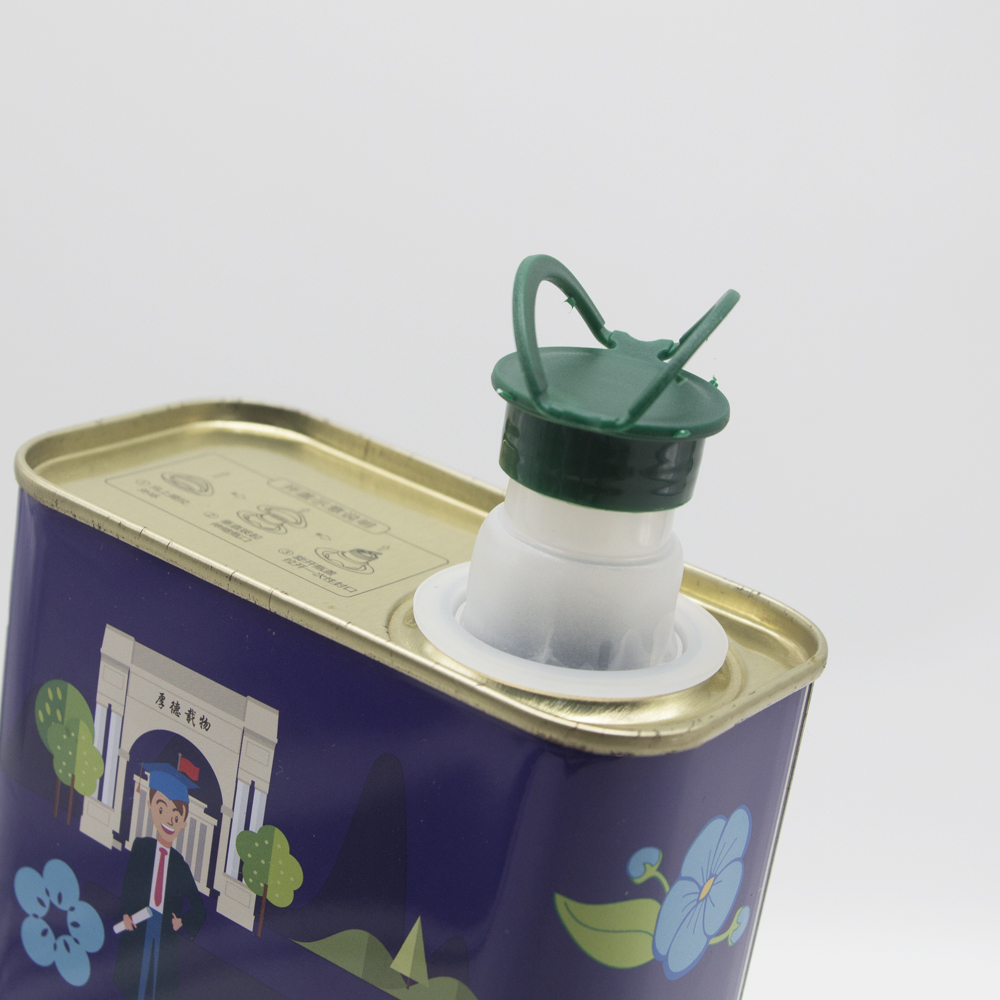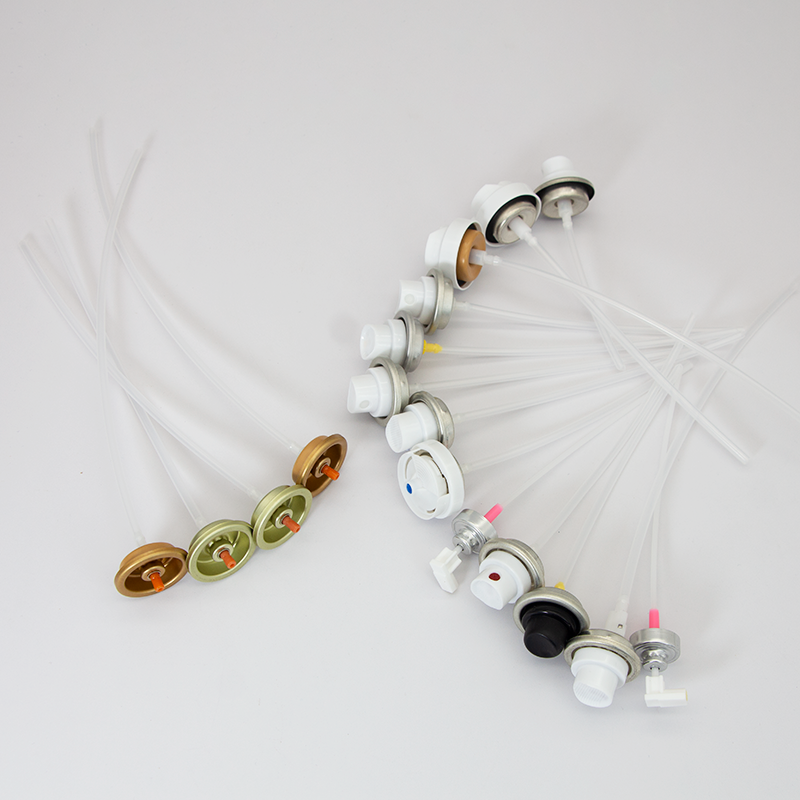
Molti progetti di packaging si trovano ora ad affrontare due pressioni contrastanti contemporaneamente: riducendo gli sprechi di materiale rispettando al tempo stesso requisiti di sicurezza e prestazioni più severi. Marchi che sviluppano soluzioni di progettazione di tappi per oli, detersivi, prodotti chimici, e gli imballaggi flessibili devono ora bilanciare la riciclabilità, funzioni a prova di bambino, prevenzione delle perdite, e durabilità dell'e-commerce all'interno di un unico sistema con tappo a beccuccio.
Piccole decisioni di progettazione possono influire direttamente sulla conformità normativa, stabilità dei trasporti, efficienza produttiva, e costi di imballaggio a lungo termine. Questo articolo spiega come funzionano i materiali sostenibili, ingegneria a prova di bambino, e gli standard di convalida stanno rimodellando il design del tappo del beccuccio 2026, aiutare i marchi a prendere decisioni di packaging più affidabili per progetti futuri.
Perché lo sviluppo dei tappi per beccucci sta cambiando 2026
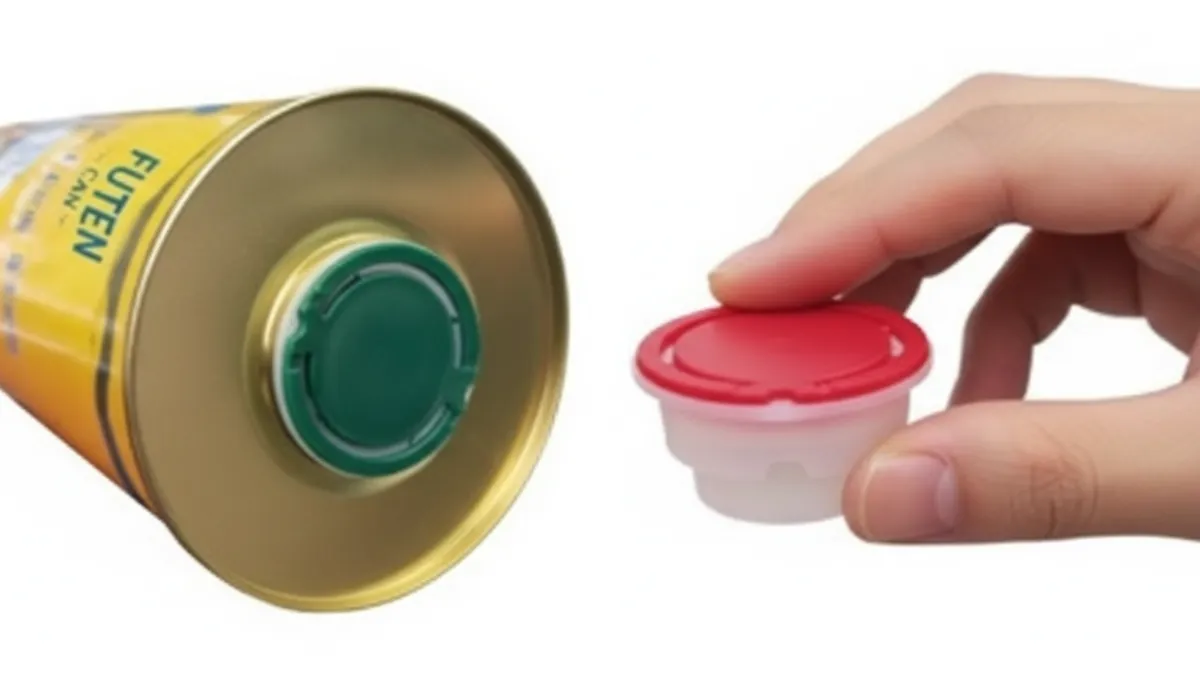
I requisiti globali di imballaggio si stanno evolvendo rapidamente a causa della pressione normativa, crescita dell’e-commerce, e aumentare le aspettative dei consumatori. Di conseguenza, design del tappo del beccuccio si sta spostando da soluzioni di tenuta a funzione singola a sistemi multi-prestazioni che bilanciano la sostenibilità, usabilità, e affidabilità logistica.
Sostenibilità e pressione normativa sugli imballaggi
Le normative sulla sostenibilità stanno spingendo i marchi a ridurre l’utilizzo della plastica e a migliorare la riciclabilità. Le politiche dei governi e dei rivenditori stanno incoraggiando strutture monomateriale e soluzioni di imballaggio a basse emissioni di carbonio.
E-commerce e requisiti di prestazione dei trasporti più elevati
La distribuzione e-commerce introduce più fasi di gestione, rotte di spedizione più lunghe, e maggiore rischio di impatto. I tappi per beccucci devono quindi garantire una tenuta affidabile, prevenzione delle perdite, e stabilità meccanica durante il trasporto.
La crescente domanda di chiusure più sicure e facili da usare
I consumatori ora si aspettano un imballaggio che sia sicuro e facile da usare. Ciò spinge la domanda di chiusure che combinino caratteristiche a prova di bambino con prestazioni intuitive di apertura e richiusura, soprattutto nelle categorie di prodotti di uso quotidiano.
Come la progettazione sostenibile sta rimodellando l'ingegneria dei tappi per beccucci
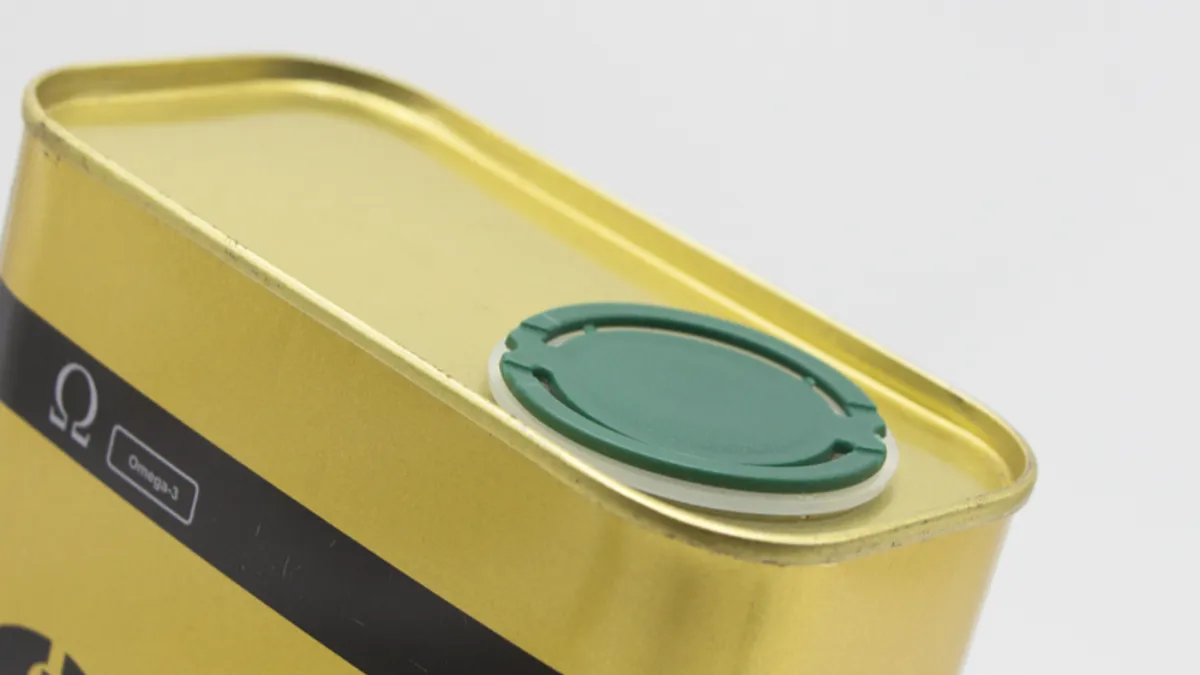
Il packaging sostenibile sta rimodellando entrambi selezione del materiale E progettazione strutturale nell'ingegneria del tappo del beccuccio. I produttori devono ridurre impatto ambientale pur mantenendo prestazione di tenuta, stabilità meccanica, E efficienza produttiva. Ciò richiede un equilibrio tra riduzione materiale, riciclabilità, e affidabilità funzionale a lungo termine.
Strutture leggere per un minor consumo di materiale
Design leggero si concentra sulla riduzione utilizzo della resina senza indebolire la performance strutturale. Invece di limitarsi ad assottigliare i muri, i moderni tappi per beccucci si basano su una geometria ottimizzata per il mantenimento forza E stabilità della coppia.
Gli approcci comuni includono strutture del collo più corte, modelli di tappi a parete singola, e migliorato geometria del filo, garantendo stabilità prestazione di tenuta riducendo al contempo l'utilizzo di materiale.
Sistemi monomateriale per una migliore compatibilità con il riciclaggio
Tappi beccuccio monomateriale migliorare efficienza del riciclaggio semplificando la composizione del materiale. Questo si riduce complessità di elaborazione e supporta risultati di riciclaggio di qualità superiore lungo tutta la catena del valore.
I principali vantaggi includono il miglioramento precisione di ordinamento, ridotto rischio di contaminazione, Meglio efficienza del riciclaggio, e più stabile produzione di massa.
PCR e resine di origine biologica: sfide nella produzione
Materiali per PCR E plastiche di origine biologica sono sempre più utilizzati per ridurre la dipendenza plastica vergine. Tuttavia, la loro variabilità delle prestazioni crea ancora sfide nella produzione industriale.
I problemi comuni includono incoerenza dei colori, instabilità di elaborazione, ridotto resistenza meccanica, potenziale residui di odore, e più in alto costi materiali.
Di conseguenza, i produttori devono fare affidamento su rigorosi controllo del processo, stabile approvvigionamento di resina, E test di compatibilità per garantire una qualità di produzione costante.
Proteggi il tuo marchio con chiusure a perdita zero
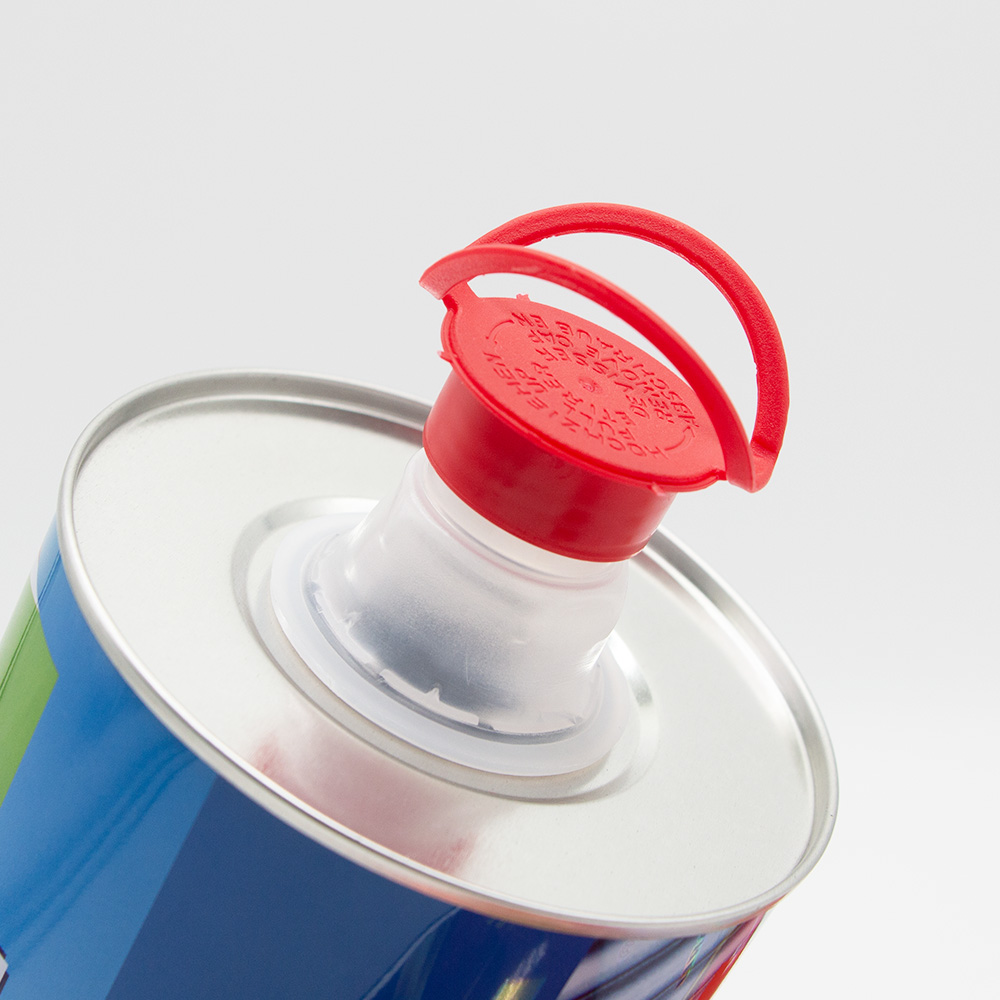
Come si stanno evolvendo le chiusure a prova di bambino
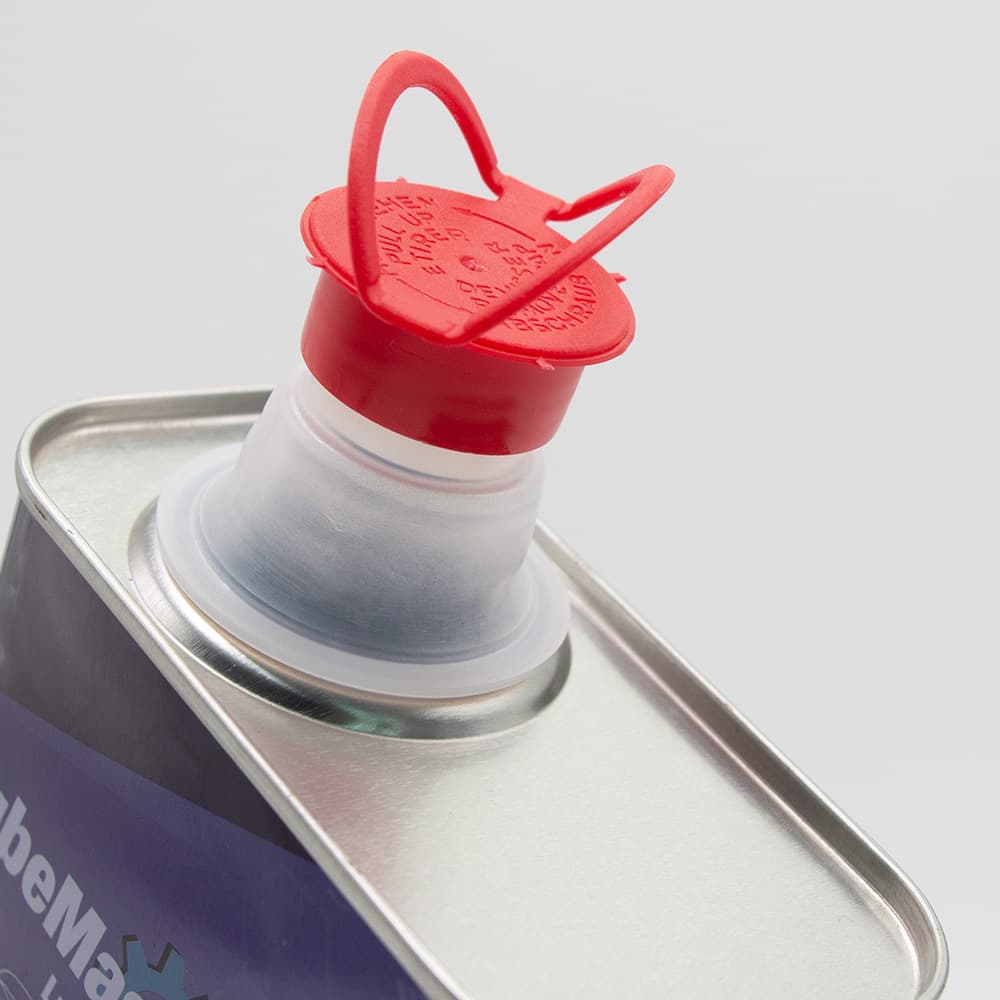
Gli imballaggi a prova di bambino stanno diventando sempre più importanti nel settore chimico, detergente, assistenza sanitaria, e mercati concentrati degli imballaggi per liquidi.
Il moderno sistema di chiusura deve impedire l'accesso accidentale dei bambini pur rimanendo pratico per l'uso quotidiano da parte degli adulti.
Sistemi meccanici comuni per la resistenza dei bambini
La maggior parte delle chiusure a prova di bambino si basa su meccanismi di apertura a doppia azione che sono difficili da azionare involontariamente da parte dei bambini.
I sistemi comuni includono:
| Tipo di meccanismo | Azione fondamentale | Principio di progettazione |
|---|---|---|
| Premi e gira | Forza verso il basso + rotazione | Il requisito della doppia azione aumenta la resistenza dei bambini |
| Premi e gira | Compressione laterale + rotazione | Richiede forza e destrezza della mano coordinate |
| Sistema Dual Lock | Struttura di bloccaggio secondaria | Aggiunge un ulteriore livello di sicurezza oltre la resistenza alla torsione di base |
| Schede di rilascio nascoste | Sequenza di apertura nascosta | Richiede conoscenze dell'utente e schemi di movimento specifici |
Questi meccanismi aumentano la sicurezza dell'imballaggio pur mantenendo la funzionalità di apertura ripetuta.
Rispetto ai sigilli di sicurezza monouso, I sistemi CR richiudibili richiedono una maggiore precisione ingegneristica perché devono funzionare in modo coerente durante tutto il ciclo di vita del prodotto.
Bilanciare la sicurezza dei bambini con il funzionamento rivolto agli anziani
Una delle sfide principali degli imballaggi a prova di bambino è l’usabilità.
Una chiusura troppo difficile da aprire può creare frustrazione nei consumatori anziani o negli utenti con forza di mano ridotta. Lo sviluppo moderno del packaging si concentra quindi sul bilanciamento tra sicurezza e accessibilità.
Diversi miglioramenti ergonomici stanno diventando più comuni:
- Miglioramento della presa: Le superfici più grandi e strutturate migliorano la manovrabilità e riducono lo scivolamento
- Riduzione della forza: I sistemi a bassa coppia riducono lo sforzo di apertura richiesto agli utenti
- Guida per l'utente: Gli indicatori visivi aiutano a migliorare la chiarezza e l'usabilità dell'apertura
L'obiettivo è creare chiusure che rimangano sicure per i bambini pur rimanendo intuitive per gli adulti.
Controllo della coppia e precisione strutturale nelle chiusure CR
I sistemi a prova di bambino richiedono una maggiore precisione strutturale rispetto alle chiusure standard.
Piccole variazioni nella geometria della filettatura o nelle dimensioni del cappuccio possono influire sulle prestazioni di chiusura e sulla consistenza dell'apertura.
I requisiti ingegneristici chiave includono:
- Stabilità della coppia: Garantisce una forza di apertura e chiusura costante
- Precisione dello stampaggio: Mantiene tolleranze dimensionali strette
- Coinvolgimento del thread: Garantisce un bloccaggio sicuro e ripetibile
- Prestazioni di durabilità: Supporta l'uso ripetuto a lungo termine senza guasti
A causa di ciò, La produzione di chiusure CR richiede una maggiore precisione negli strumenti e nel controllo qualità per garantire prestazioni di sicurezza costanti attraverso cicli di utilizzo ripetuti.
Come sono progettati i tappi per beccucci per buste e lattine di metallo
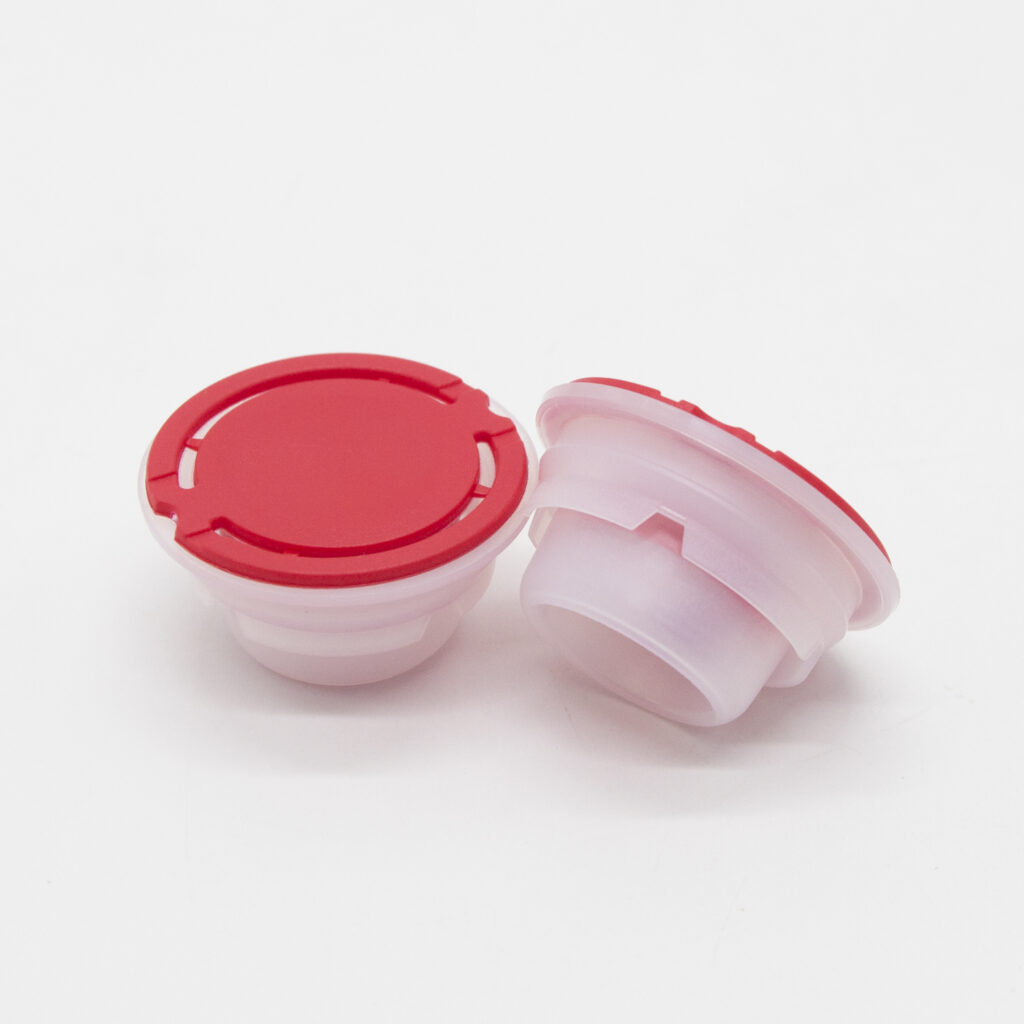
Diversi formati di imballaggio creano diversi requisiti tecnici di chiusura. Le buste flessibili e le lattine metalliche presentano ciascuna sfide strutturali e funzionali uniche.
I moderni sistemi di tappi con beccuccio devono adattarsi a queste condizioni di confezionamento mantenendo l’usabilità e l’efficienza produttiva.
Requisiti funzionali nell'imballaggio con busta flessibile
L'imballaggio in busta flessibile continua a crescere perché riduce il peso del trasporto e lo spazio di stoccaggio.
Tuttavia, i sistemi a busta richiedono un'ingegneria di chiusura più specializzata perché il corpo dell'imballaggio stesso è flessibile.
Le considerazioni chiave sulla progettazione includono:
- Compatibilità con film sigillanti: Garantisce un legame stabile tra il beccuccio e gli strati di pellicola della busta flessibile
- Stabilità della saldatura del beccuccio: Mantiene l'integrità strutturale durante i processi di termosaldatura e riempimento
- Gestione della pressione interna: Controlla la deformazione causata dalla compressione e dal movimento del prodotto
- Comportamento di erogazione controllato: Supporta un versamento fluido e previene il gocciolamento durante l'uso
Poiché le buste flessibili si deformano durante l'uso, il sistema di beccuccio deve mantenere prestazioni di tenuta stabili in condizioni di pressione mutevoli.
Sfide di compatibilità nelle applicazioni con lattine metalliche
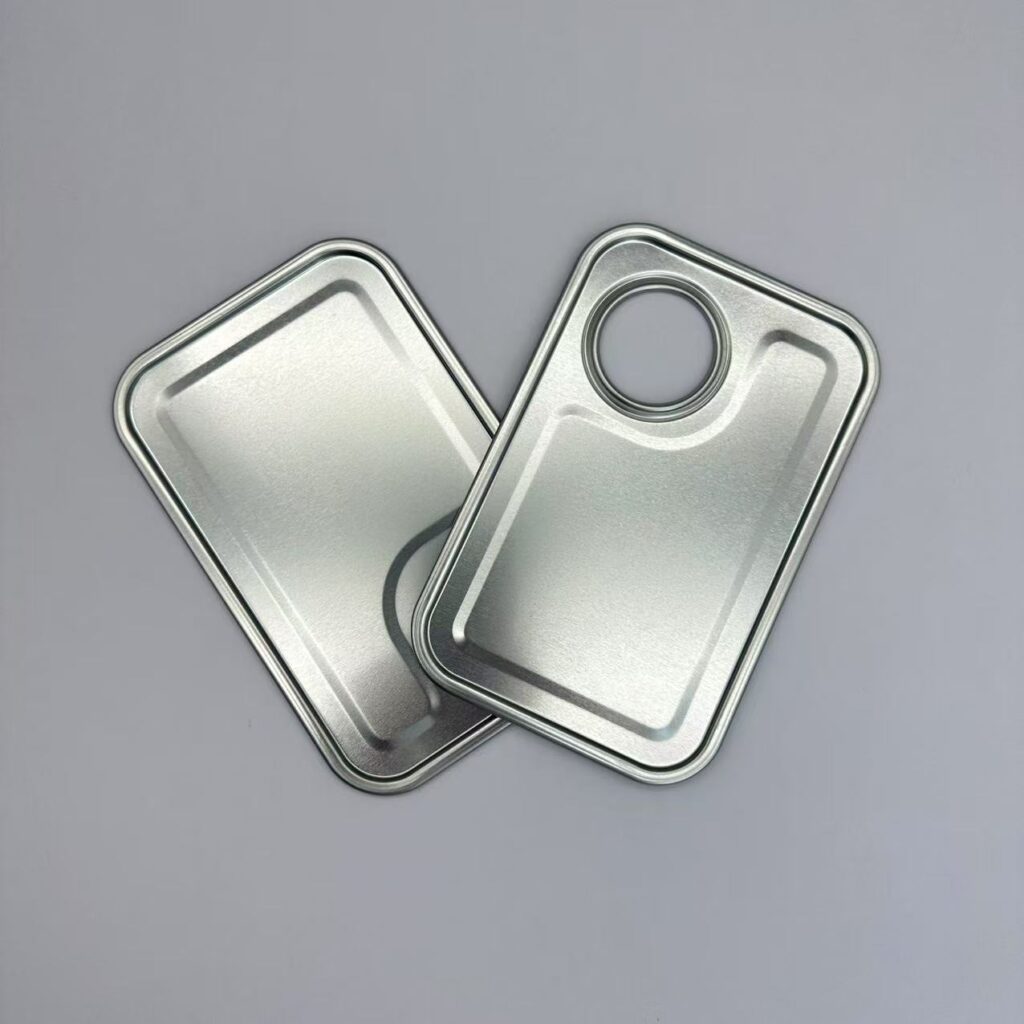
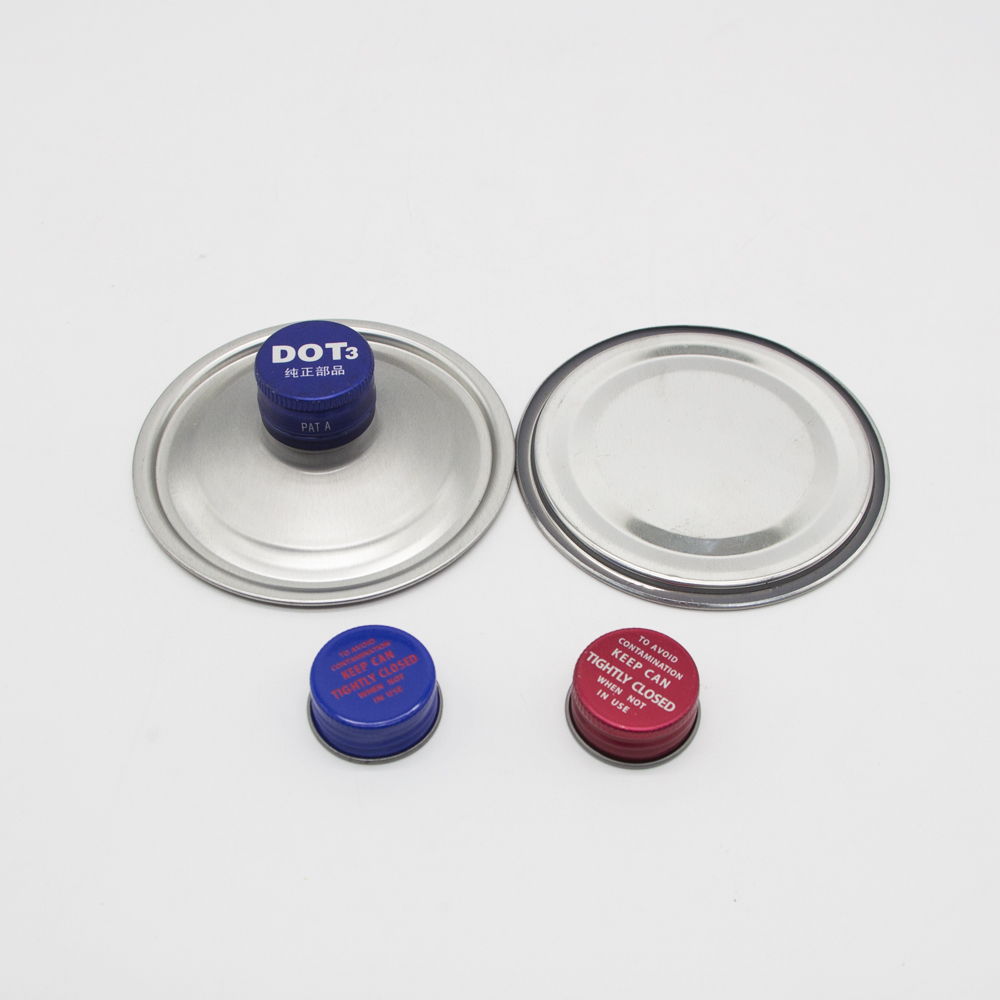
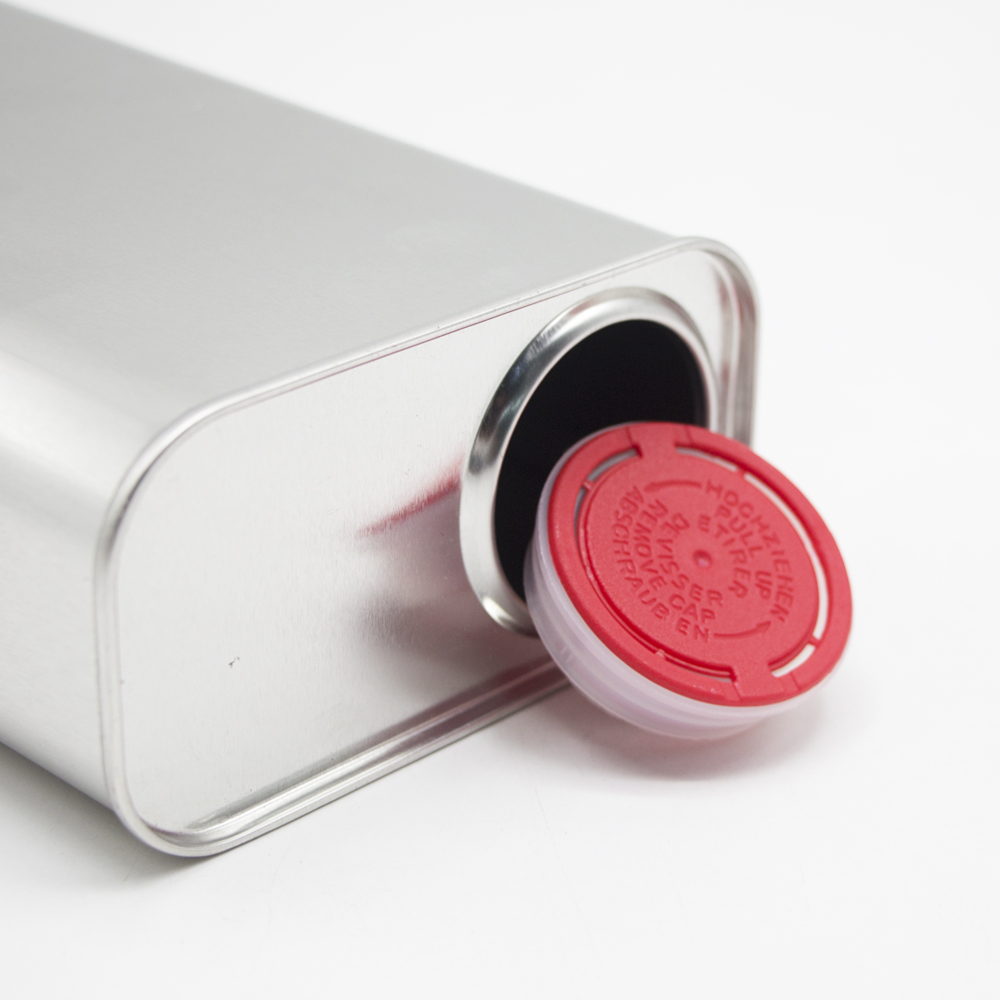
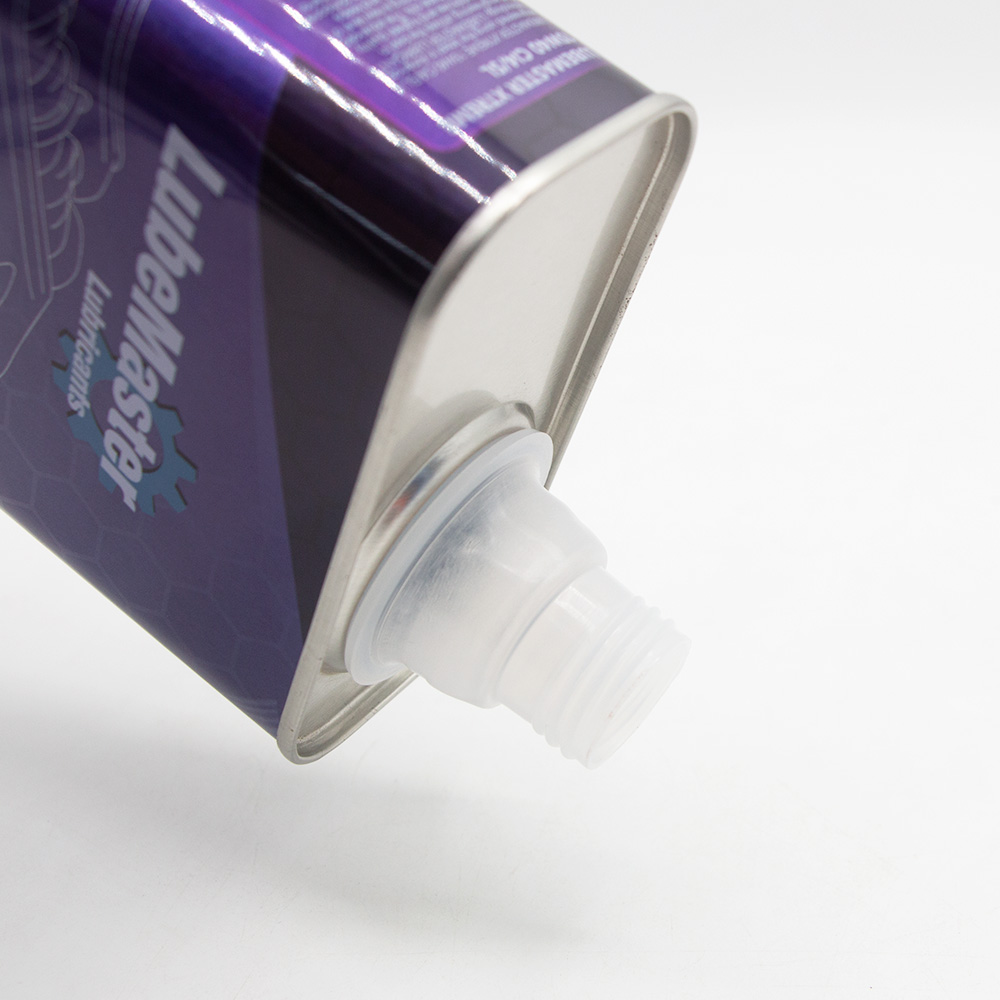
Le lattine di metallo continuano ad essere ampiamente utilizzate negli imballaggi di olio commestibile e di liquidi industriali grazie alle loro eccellenti prestazioni barriera e alla durabilità strutturale.
Per sistemi di lattine metalliche, i tappi dei beccucci devono mantenere la compatibilità con le strutture a collo rigido e i requisiti di versamento controllato.
Importanti fattori ingegneristici includono:
| Area Ingegneria | Importanza funzionale |
|---|---|
| Precisione del montaggio del collo | Garantisce prestazioni di tenuta stabili e previene le perdite |
| Coerenza della coppia | Previene il serraggio eccessivo e mantiene l'affidabilità della chiusura |
| Resistenza alla corrosione | Supporta la durabilità a lungo termine negli ambienti di imballaggio in metallo |
| Progettazione del controllo del flusso | Migliora la precisione del versamento e l'esperienza del consumatore |
Questi fattori influenzano direttamente la qualità del prodotto e l’esperienza del consumatore.
Erogazione controllata e progettazione dell'esperienza del consumatore
Le aspettative dei consumatori riguardo alle prestazioni di colata continuano ad aumentare, soprattutto nelle categorie premium di imballaggi per liquidi.
I moderni sistemi di erogazione puntano sempre più su:
- Prestazioni antigoccia: Previene la fuoriuscita di residui dopo il versamento e mantiene pulita la confezione
- Controllo regolare del flusso: Garantisce un'erogazione del liquido stabile e costante durante l'uso
- Richiusura pulita: Mantiene l'integrità della tenuta dopo molteplici cicli di apertura-chiusura
- Versamento di precisione: Migliora la precisione del dosaggio di oli e liquidi concentrati
Per oli commestibili e concentrati liquidi, l'erogazione controllata aiuta a ridurre gli sprechi migliorando al tempo stesso la qualità percepita del prodotto.
Di conseguenza, il comportamento di erogazione sta diventando una parte importante della differenziazione degli imballaggi.
Come gli standard di convalida degli imballaggi stanno diventando sempre più rigorosi
I moderni sistemi di imballaggio devono funzionare in modo affidabile in ambienti di trasporto e vendita al dettaglio sempre più complessi.
Gli standard di convalida stanno diventando più severi perché i difetti di imballaggio possono influire direttamente sulla sicurezza del prodotto, costo logistico, e la soddisfazione del cliente.
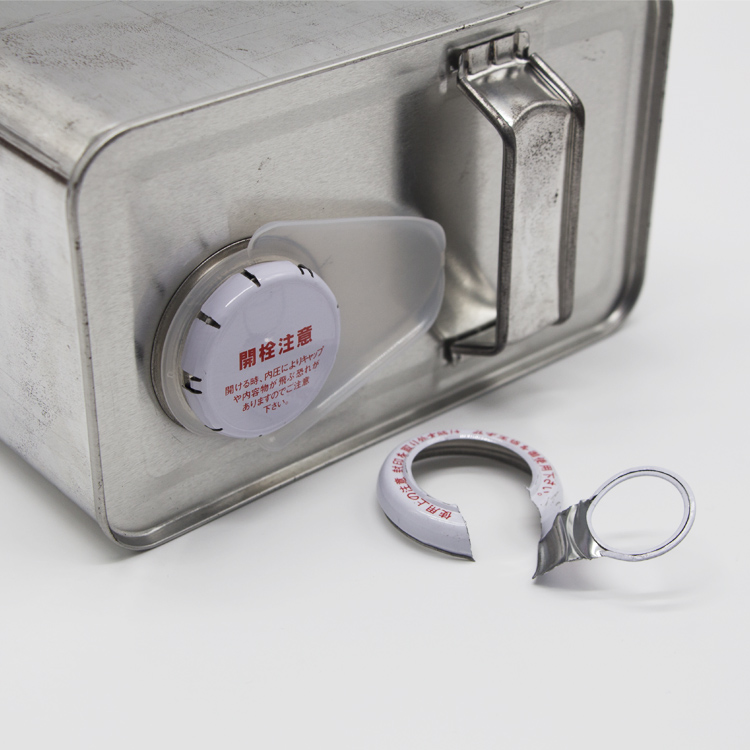
Funzionalità antimanomissione per la sicurezza del prodotto
I sistemi anti-manomissione forniscono la prova visibile che la confezione non è stata aperta prima dell'uso, contribuendo a migliorare la fiducia dei consumatori e la conformità al dettaglio.
Le comuni soluzioni anti-manomissione includono:
- Anelli di sicurezza fragili: Fornire un'interruzione visibile alla prima apertura
- Fasce a strappo: Richiedere la rimozione manuale prima dell'accesso
- Sistemi di sigillatura ad induzione: Aggiungere una barriera termosaldata sotto il tappo
- Strutture di sicurezza con chiusura a scatto: Chiusura con lucchetto durante il primo utilizzo
Queste funzionalità sono ora ampiamente utilizzate cibo&bevanda, e imballaggi per la cura personale.
Test di tenuta per le prestazioni di spedizione ed esportazione
La prevenzione delle perdite è uno dei requisiti più critici nella validazione degli imballaggi moderni.
La prevenzione delle perdite è un requisito fondamentale nella validazione degli imballaggi perché anche piccoli difetti di sigillatura possono portare alla perdita del prodotto, reclami dei clienti, e rischi legati alle esportazioni. Per garantire affidabilità, i produttori utilizzano metodi di prova standardizzati per valutare le prestazioni delle chiusure in condizioni di trasporto reali.
| Metodo di prova | Scopo primario |
|---|---|
| Test del vuoto | Rileva microperdite sulle interfacce di sigillatura per garantire l'integrità dell'imballaggio |
| Test di pressione | Valuta la stabilità della tenuta in condizioni di stress interno ed esterno |
| Test di compressione | Simula la pressione di impilamento dei pallet e le condizioni di stoccaggio in magazzino |
| Test di coppia | Conferma una forza di apertura e chiusura costante per l'affidabilità dell'utente |
Questi test garantiscono che i tappi dei beccucci mantengano l'integrità della tenuta prima della produzione di massa e della spedizione globale.
Convalida del transito per sistemi di imballaggio per l'e-commerce
La distribuzione e-commerce espone i sistemi di imballaggio a ripetuti stress meccanici, gocce comprese, vibrazione, variazione di temperatura, e la movimentazione durante la logistica in più fasi. Di conseguenza, la convalida del transito è diventata un requisito standard per i sistemi di tappi per beccucci per l'esportazione.
Le condizioni chiave di convalida includono test di impatto di caduta, simulazione delle vibrazioni, ciclizzazione della temperatura, e ripetute valutazioni della manipolazione.
In che modo i marchi possono realizzare nuovi progetti di tappi per beccucci a prova di futuro
Lo sviluppo di imballaggi pronti per il futuro richiede una pianificazione a lungo termine. I marchi devono prepararsi all’evoluzione delle normative, crescenti requisiti di sostenibilità, e sistemi produttivi più complessi. Le aziende che oggi costruiscono soluzioni di tappi per beccucci flessibili e scalabili avranno una maggiore competitività nei mercati futuri.
Progettazione per l'automazione e la produzione scalabile
La compatibilità con l'automazione sta diventando un requisito fondamentale nella produzione moderna. I sistemi di tappi a beccuccio devono essere progettati per supportare linee di riempimento ad alta velocità, applicazione di coppia stabile, e controllo dimensionale costante. Questi fattori garantiscono una produzione di massa efficiente e stabile attraverso le catene di approvvigionamento globali.
Prepararsi per la futura conformità alla sostenibilità
Si prevede che le normative sulla sostenibilità diventeranno più severe nei prossimi anni. I marchi possono migliorare la conformità a lungo termine utilizzando materiali riciclabili, semplificazione delle strutture dei prodotti, ridurre il peso dell'imballaggio, e il monitoraggio degli aggiornamenti normativi regionali. La preparazione anticipata aiuta a ridurre i rischi di riprogettazione e i costi a lungo termine.
Selezione dei fornitori per la stabilità della produzione a lungo termine
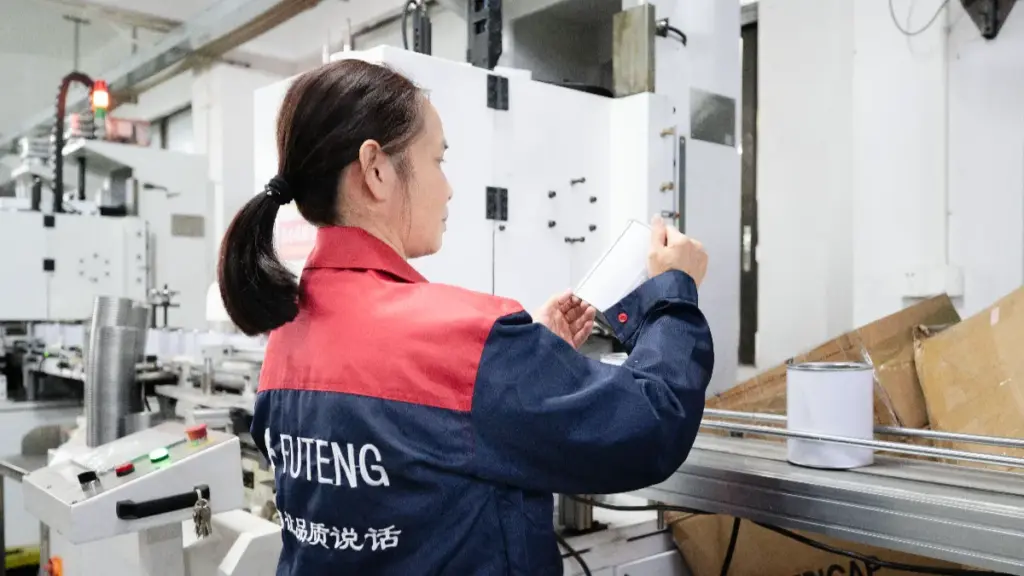
La selezione dei fornitori gioca un ruolo strategico nello sviluppo del packaging. I marchi cercano sempre più partner in grado di fornire supporto tecnico, capacità di sviluppo dei materiali, qualità di produzione stabile, capacità produttiva scalabile, e affidabilità della fornitura a lungo termine. Quello FUTEN, ci concentriamo sulla combinazione di progettazione sostenibile e produzione stabile per supportare le prestazioni degli imballaggi a lungo termine nei mercati globali.
Conclusione
Materiali sostenibili, meccanismi a prova di bambino, e standard di convalida più severi stanno rimodellando il moderno design dei tappi per beccucci 2026. Si prevede ora che i sistemi di tappi a beccuccio supportino la riciclabilità, durabilità nel trasporto, sicurezza dell'utente, e stabilità della produzione a lungo termine allo stesso tempo. Per i marchi che sviluppano buste flessibili, lattine di metallo, e imballaggi di liquidi industriali, l'ingegneria delle chiusure è diventata una parte importante delle prestazioni complessive del prodotto e della competitività sul mercato.
I futuri progetti di imballaggio richiederanno un coordinamento più forte nella selezione dei materiali, progettazione strutturale, compatibilità con l'automazione, e pianificazione della conformità globale. FUTEN supporta i marchi attraverso tappo beccuccio personalizzato sviluppo, ottimizzazione dei materiali sostenibili, e soluzioni di produzione scalabili progettate per garantire l’affidabilità degli imballaggi a lungo termine nei mercati globali.
Domande frequenti
I design sostenibili dei tappi per beccucci sono sempre più costosi??
Non necessariamente. Alcune soluzioni sostenibili, come strutture leggere e design monomateriale, può ridurre il consumo di resina e abbassare i costi di trasporto nel tempo. Tuttavia, materiali PCR avanzati, resine a base biologica, e strutture riciclabili specializzate possono aumentare i costi delle materie prime e di produzione a seconda dell'applicazione dell'imballaggio e dei requisiti prestazionali.
In che cosa differiscono le funzionalità anti-manomissione e a prova di bambino??
Le funzionalità anti-manomissione sono progettate per mostrare se una confezione è stata aperta prima del primo utilizzo, mentre le funzionalità a prova di bambino sono progettate per impedire l'accesso involontario da parte dei bambini. Molti moderni sistemi di tappi per beccucci integrano entrambe le funzioni per migliorare la sicurezza, conformità, e la fiducia dei consumatori.
In che modo le nuove buste con beccucci CR riducono l'uso di plastica?
Le nuove buste flessibili con beccucci integrati riducono l'utilizzo di plastica sostituendo i formati di imballaggio rigidi più pesanti. Questi sistemi di buste possono ridurre significativamente il peso di spedizione e lo spazio di stoccaggio mantenendo le prestazioni di sigillatura ed erogazione. Ciò è in linea con il più ampio spostamento del settore verso una progettazione di imballaggi leggeri ed efficienti nei materiali.